
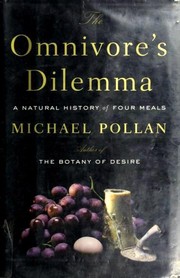
The Omnivore's Dilemma
1,918-word summary 9 min read 464 pages in the book
- First published
- 2006
- Publisher
- Penguin Press
- Pages
- 464
- ISBN
- 9781594200823
Reading options
What's inside (4 sections)
I changed grocery habits after this without becoming smug about it, which feels like the intended effect. The Omnivore's Dilemma by Michael Pollan was first published in 2006 by Penguin Press, a 464 page hardcover with ISBN 9781594200823. Pollan traces four meals from earth to plate. Industrial corn. Big organic. Small farm. Hunted and foraged. I read it over two weeks, a section at a time, because food systems are easier to digest in sittings, unlike the corn syrup they hide.
The question is simple and huge. What should we eat when everything is available and nothing is innocent. Humans can eat anything, which is freedom and burden. Other animals know. We must learn, and industry unlearned us by making food cheap, fast, and mysterious. Pollan decides to follow meals backward. Buy a burger. Find the corn. Visit the feedlot. Do the same for organic chicken, grass beef, and a wild boar he hunts himself. Each chain gets a meal at the end, eaten with others, to test what knowledge does to taste.
What surprised me is how readable farm visits become through Pollan curiosity. He is not a preacher. He asks dumb questions well. What do cows eat here. Where does shit go. Who picks this and for what pay. Farmers answer plainly because he listens and works a little. He shovels. He slaughters chickens badly. That willingness to do rather than tour earns trust on page and with readers. You believe what he reports because he smelled it.
Corn and feedlots
The industrial section follows corn, which is really about oil and policy. Corn grows everywhere because subsidies and hybrids made it cheap. It feeds cows that should eat grass, chickens in sheds, and humans through syrup, starch, and feed. Pollan visits Iowa fields where corn grows fence to fence with fertilizer made from natural gas. He calculates the oil in a burger before the cow is even born. Numbers land without lecturing because he ties them to a meal you can picture. A McDonald burger, fries, and soda eaten in a car. That meal took continents.
Feedlots are the bleak heart. Thousands of cows standing in manure, eating corn that sickens them, getting antibiotics to survive until slaughter. Pollan describes the smell honestly and the workers plainly. Men who need jobs doing work that injures fast. He does not demonize eaters. He shows prices that hide costs. Cheap meat at the counter means expensive manure lagoons, sick animals, and underpaid labor elsewhere. After this section, fast food tastes different. Not forbidden. Just legible. You know what you buy.
The slaughterhouse chapter is graphic without gore hobby. Stunning, bleeding, and line speeds that maim workers. Pollan watches and reports with respect for people doing hard jobs. He notes that the most dangerous job in America happens so burgers cost a dollar. That line stayed with me longer than any diet tip. If a meal needs hidden injuries to stay cheap, the price is wrong somewhere even if the menu is right.
Big organic comes next and complicates easy virtue. Pollan follows organic chicken and lettuce from California fields to Whole Foods shelves. Pesticides are fewer. Welfare is better. But trucks still drive far. Workers still bend all day. The label means something real and less than hoped. An organic TV dinner is still a TV dinner. That nuance annoyed purists on both sides when the book came out. Industrial fans heard attack. Organic fans heard betrayal. Readers willing to sit with both learn more than partisans. Labels help. Systems matter more.
If there is a drag, it is the policy history where farm bills and Earl Butz get pages. Necessary to explain why corn rules, but names blur. I skimmed one subsidy timeline and missed nothing. The payoff, when Pollan shows how cheap corn shapes school lunches and food deserts, needs some setup. Still, tighter would have helped momentum before the farm that sings. A sidebar on high fructose syrup chemistry deserves mention for clarity though. Pollan explains how enzymes turn corn starch sweet enough to replace cane, which made soda cheap and huge. That single process links fields to teeth in three steps even kids can follow. Factories like it. Bodies pay interest.
Big organic complications deserve specifics beyond trucks. Pollan visits Earthbound Farm fields where salads wash in chlorinated water and travel in plastic boxes. Workers bend in heat with quotas like conventional crews. The label bans synthetics but allows scale that mimics industrial logic. He does not dismiss the gains. Fewer pesticides in rivers. Better hen space. But he warns that industrial organic keeps the same long chain with greener links. Real alternative needs shorter chains, not just cleaner inputs. That distinction annoyed shoppers who wanted a pure sticker. It helped me shop with eyes open. Buy the sticker, but know its limits and visit markets when you can.
Polyface and the foraged meal
Joel Salatin Polyface farm in Virginia is the book love letter and argument. Rotational grazing with cows, chickens, and pigs moved daily so manure feeds grass that feeds animals. No antibiotics. No lagoons. Slaughter on site with care that still kills. Pollan works a week, shoveling and plucking, and eats chicken that tastes like chicken because it lived like one. Salatin is blunt, Christian, and libertarian in ways that will challenge liberal foodies. Pollan lets him talk without sanding edges. That fairness makes the farm credible beyond tribe. Good farming can come from different politics.
The slaughter day chapter is the ethical core. Pollan kills chickens badly at first, then better, and feels the weight each time. He does not quit meat. He insists eaters should face killing if they eat animals. That insistence divides readers. Vegetarians will want him to go further. Meat lovers will want less guilt with dinner. I found it honest. He does not outsource death while preaching care. He holds the knife and reports shaking hands. After, the Polyface meal with farmers tastes like work and place. Blessing before eating feels earned, not performed.
The final meal is hunted and foraged in California with help. Boar shot, mushrooms found, cherries picked, bread baked from heritage wheat. Pollan spends days for one dinner with friends. It is delicious and absurd as policy. No one can eat like this daily. That is the point. The meal teaches what perfect knowledge costs in time. Foraging all food would end jobs and cities. So the question is not how to eat perfectly. It is how to eat better within limits. Grow something. Cook more. Waste less. Those small moves beat purity.
The closing advice, famous now, is short. Eat food. Not too much. Mostly plants. Pollan earns those seven words with four hundred pages of chains. Eat food means real ingredients, not edible products with health claims. Not too much means culture and tables, not cars and screens. Mostly plants means less meat raised badly, more vegetables raised well. Simple to say. Hard to do when corn is everywhere and time is short. The book knows this and stays kind about failure. Better, not perfect.
What stays with me is not guilt but attention. Read labels. Ask where meat lived. Visit a farm if you can. Cook one meal from scratch weekly. Those practices changed my cart more than any rule. I buy fewer sodas because corn syrup now has a field and a feedlot attached in my head. I pay more for eggs from hens I can picture. Small taxes for clearer conscience. Pollan would call that omnivore burden eased by knowing, not solved.
Read it if you eat, which is all of us. Give it section by section, not binged. Skim policy if you must, but do not skip slaughter. Facing it once changes later choices without preaching. The Polyface slaughter day deserves a fuller account because it is the book ethical center that readers argue about most. Pollan arrives queasy, kills badly at first while chickens suffer for his learning curve, then improves just enough to feel worse. Competence does not relieve guilt here. It sharpens it. He holds warm bodies he ended and thanks them without irony. Joel Salatin prays over the work with crew heads bowed, which reframes killing as rite rather than routine. Compare that to industrial lines where no one prays because speed forbids pause. The contrast is not subtle and does not need to be. One death witnessed fully versus thousands unseen hourly. Readers finish that chapter either committed to facing meat or committed to skipping it. Both are honest outcomes Pollan respects. What he does not respect is eating blind while claiming care. Look once, he says. Then decide with eyes open.
And after, cook something with a friend and say where it came from. That meal, shared and sourced, is the book in miniature. Know enough to choose. Choose kindly when you can. That is the whole dilemma, managed one plate at a time. I started a small habit after finishing. One farmers market trip monthly. One new vegetable learned properly. One chicken bought whole and used fully so waste shames me less. Small taxes for clearer conscience. Pollan would call that omnivore burden eased by knowing, not solved. Good enough to keep going. The foraged meal finale deserves a fuller account of cost that often gets skipped in praise. Pollan spends days with helpers to produce one dinner. Boar hunted with a guide who knows land and law. Mushrooms found with an expert who warns about lookalikes that kill. Cherries picked on private land with permission negotiated. Heritage wheat milled by a friend with equipment. Each ingredient costs time, skill, and social capital no ordinary weeknight allows. That impossibility is the point he states plainly. No one can eat like this daily. Cities exist because farming scales beyond foraging. So the meal teaches not a plan but a perspective. Perfect knowledge costs everything. Better choices cost attention. Grow something, even herbs on a sill. Cook more than you heat. Waste less by planning. Those moves beat purity politics that shame busy eaters. Pollan stays kind about failure here, which keeps the book useful rather than pious. Better, not perfect, and again tomorrow. The farm labor question lingers after Polyface praise and needs honest space. Salatin crew works hard for modest pay with housing that suits some and strains others. Interns romanticize chores until August heat. Pollan notes who can afford to work for experience. Mostly young people with safety nets. That caveat does not erase the farming lessons but keeps them from floating into cure all. Good food needs good jobs to last. Otherwise alternative systems run on the same exhaustion with better views. Pollan states this plainly late, which saved the book from foodie smugness for me. Admire the rotation. Ask about wages too. Both can be true while you chew. The supermarket tour chapter deserves mention as practical coda. Pollan walks readers through produce aisles with new eyes. Apples waxed for months. Berries flown from hemispheres. Meat with labels that soothe more than inform. He buys a cart of careful choices and admits the bill stings. Eating well costs money and time that many lack. That acknowledgment keeps the book from preaching to empty wallets. Better, not perfect, and again tomorrow. Start where you are. One swap at a time. I swapped soda for seltzer first and barely noticed after a week. Small wins compound like interest for health.
FAQ
When was The Omnivore's Dilemma published?
Penguin Press published it in 2006. It runs 464 pages and the hardcover ISBN is 9781594200823.
Is it part of a series?
No. It stands alone, followed in spirit by In Defense of Food. No prior book needed.
Similar books
In Defense of Food
Pollan argues we stopped eating food and started eating nutrients, and offers a plain way back.
2,320-word summary · 10 min read
Breath: The New Science of a Lost Art
Journalist James Nestor investigates how modern humans learned to breathe badly, and what researchers, athletes, and breathwork practitioners have found about…
2,011-word summary · 9 min read
Animal, Vegetable, Miracle: A Year of Food Life
A family eats only local for a year from their Virginia farm.
2,270-word summary · 10 min read
Why We Sleep: Unlocking the Power of Sleep and Dreams
A Berkeley sleep scientist explains how sleep shapes memory, mood, and health, and what happens when we miss it.
2,755-word summary · 12 min read
Fast Food Nation
Fries, burgers, and meatpacking traced from stands to slaughterhouses show cheap food true price.
1,938-word summary · 9 min read
A World Appears
Pollan traces consciousness from plant sentience to AI feeling and the self, with gardens, labs, trips and hard questions along the way.
3,108-word summary · 14 min read

Moonwalking with Einstein: The Art and Science of Remembering Everything
A journalist spends a year training for the U.S. Memory Championship and discovers that extraordinary memory is mostly technique, attention, and a lot of…
2,027-word summary · 9 min read
Beautiful Boy: A Father's Journey Through His Son's Addiction
David Sheff recounts watching his son Nic slide into meth addiction, and his own desperate, humbling search for how to help without destroying them both.
2,076-word summary · 9 min read
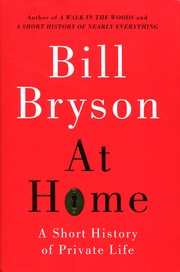
At Home: A Short History of Private Life
Bill Bryson tours his own Norfolk rectory room by room to explain how private life and the modern home got built.
2,334-word summary · 10 min read
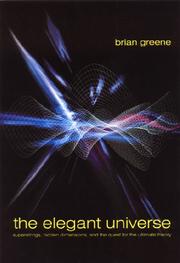
The Elegant Universe: Superstrings, Hidden Dimensions, and the Quest for the Ultimate Theory
Brian Greene explains relativity, quantum mechanics, and the promise of string theory without requiring a physics degree.
2,110-word summary · 9 min read
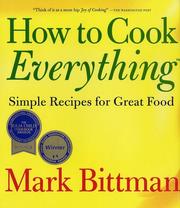
How to Cook Everything: Simple Recipes for Great Food
Bittman's 1998 doorstop taught a generation that dinner is a technique, not a recipe, with master recipes and variations instead of rigid instructions.
2,027-word summary · 9 min read
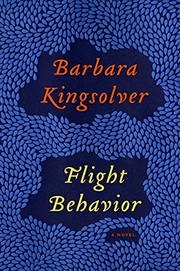
Flight Behavior
Dellarobia Turnbow is stuck in a Tennessee farm marriage until a valley full of monarch butterflies, and the scientist who comes to study them, force her to…
2,051-word summary · 9 min read

Attached
A psychiatrist and a psychologist explain adult attachment styles and show how anxious, avoidant, and secure patterns shape dating, conflict, and the search…
2,157-word summary · 10 min read

The Emperor of All Maladies
A biography of cancer from Galen to chemo through one doctor cases.
2,255-word summary · 10 min read
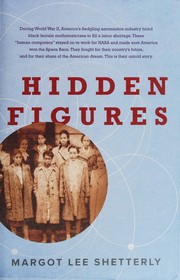
Hidden Figures
Black women computers at Langley launch rockets past Jim Crow.
2,385-word summary · 11 min read
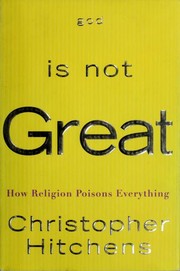
God Is Not Great
Hitchens argues religion poisons life across history and texts.
2,545-word summary · 11 min read
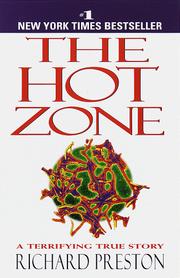
The Hot Zone
Ebola and Marburg move from African outbreaks to a Virginia monkey house and an Army response in suits.
2,291-word summary · 10 min read
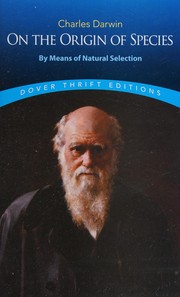
On the Origin of Species
Darwin's 1859 case for evolution by natural selection, from Beagle finches and breeding pigeons to fossils and anatomy.
2,589-word summary · 12 min read
Predictably Irrational
Behavioral economist Dan Ariely shows why we overpay, procrastinate, and misjudge through simple experiments.
2,183-word summary · 10 min read
Invisible Women: Data Bias in a World Designed for Men
Data treating men as default harms women in medicine, work, transit, and design, with fixes from studies worldwide.
2,316-word summary · 10 min read
Emotional Intelligence
Goleman argues self awareness and empathy shape success more than IQ alone.
2,026-word summary · 9 min read
A Beautiful Mind
Mathematician John Nash's brilliant game theory rise, schizophrenia collapse, and Nobel return, with wife Alicia's care.
2,142-word summary · 10 min read
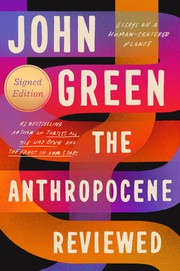
The Anthropocene Reviewed: Essays on a Human-Centered Planet
John Green reviews ordinary parts of human life on a five-star scale, turning geese, keyboards, and sunsets into a warm memoir about attention.
2,982-word summary · 13 min read
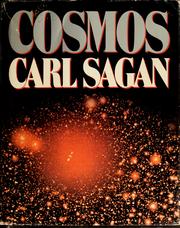
Cosmos
Sagan tours galaxies, evolution, and Alexandria to argue for science.
2,416-word summary · 11 min read
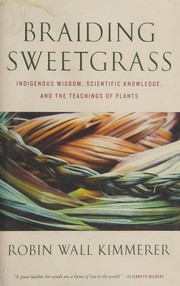
Braiding Sweetgrass
A Potawatomi botanist braids plant science with family stories to argue for gratitude and return gifts to the living world.
2,410-word summary · 11 min read
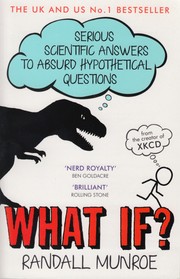
What If?: Serious Scientific Answers to Absurd Hypothetical Questions
Randall Munroe of xkcd answers absurd science questions with real physics, rough math and stick figures, from relativistic baseball to draining the oceans.…
2,932-word summary · 13 min read
The Selfish Gene
Dawkins argues genes are the units of selection, recasting kinship, conflict and altruism through replicators, game theory and memes.
2,439-word summary · 11 min read
Factfulness
A doctor shows why we misread global trends and offers ten habits for seeing progress clearly.
2,247-word summary · 10 min read
Einstein: His Life and Universe
Isaacson traces Einstein from patent clerk to world fame using newly opened papers, through 1905, relativity, exile, and the long unified theory search.
2,773-word summary · 12 min read
Astrophysics for People in a Hurry
Tyson condenses the Big Bang, dark matter, and exoplanets into twelve short chapters for busy readers.
2,314-word summary · 10 min read