
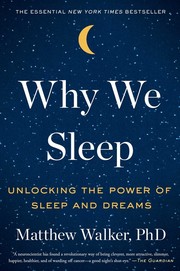
Why We Sleep: Unlocking the Power of Sleep and Dreams
2,755-word summary 12 min read 360 pages in the book
- First published
- 2017
- Publisher
- Scribner
- Pages
- 360
- ISBN
- 9781501144318
Reading options
What's inside (8 sections)
I picked up Why We Sleep because I was tired of being tired and wanted someone to explain what was actually happening in my head at night. Friends kept quoting it, Bill Gates had put it on a favorites list, and every podcast about habits seemed to mention it. The copy I read was the 2017 Scribner edition, about 360 pages, written by Matthew Walker, a British neuroscientist who runs the sleep lab at UC Berkeley. He is the sleep scientist, to be clear, not the American novelist who shares his name. Walker spent years at Harvard before moving to Berkeley, and this was his first book for general readers.
What pulled me in was the opening question. Doctors figured out long ago why we eat, drink, and reproduce. Sleep stayed mysterious much longer. We spend roughly a third of our lives doing it, every animal studied so far does something like it, and going without it makes us fall apart. Walker argues that sleep is not one thing with one purpose. It is a whole set of jobs the brain and body do at night, from filing memories to steadying mood to repairing tissue. That framing helped me, because I had always treated sleep as downtime, like a phone sitting on a charger. The book treats it more like the night shift at a factory, when the real maintenance happens.
A warning before I go further. This book became famous, and then it took some hits. An independent researcher published a long essay arguing that parts of the book stretch data, mix up correlation with causation, or cite numbers that do not check out, and the back and forth got covered by the BBC. Walker posted replies to some of the criticism. I will flag the spots where I think he oversells. Still, the core picture, that sleep matters far more than modern life admits, lines up with a large body of research. Read it as a passionate case from one expert, not as a textbook.
Sleep comes in cycles, not one long drop
The first part of the book walks through what sleep actually is, and it changed how I think about my nights. Sleep is not a single slide into darkness. It moves in roughly 90 minute cycles, shifting between two main states. Non rapid eye movement sleep, especially the deep stages early in the night, is quiet and slow, with big rolling brain waves. Rapid eye movement sleep, which gets longer toward morning, is strange and active. The brain lights up almost like it is awake, the eyes dart around, and the body goes limp so we do not act out our dreams.
Walker explains the two forces that decide when we feel sleepy. One is the circadian rhythm, the internal 24 hour clock that tells us when to feel alert and when to wind down, steered by light and by the hormone melatonin. The other is sleep pressure, a chemical drowsiness that builds the longer we stay awake. The main culprit behind that pressure is adenosine, which piles up during the day and gets cleared away at night. Caffeine works by blocking the brain from sensing adenosine, which is why an afternoon coffee can still be echoing in your system at midnight. Walker points out that most people have no idea how long caffeine lingers, so they blame insomnia on stress when the real problem was the cup they had after dinner.
He also covers how sleep differs across species and across a lifetime, and this is some of the most fun material in the book. Some birds and marine mammals can sleep with half the brain at a time, keeping one eye open for danger. Human babies spend a huge share of sleep in REM, which seems tied to building the brain. Teenagers shift later, feeling sleepy late and waking late, which is biology rather than laziness. Older adults get less deep sleep and wake more often. None of this is framed as a defect. It reads like a tour of how evolution tuned sleep to each stage of life, and it made my own changing sleep in my thirties feel less like a personal failure.
The night shift files your memories
The section on learning is the one I underlined the most. Walker describes sleep as the time when the brain decides what to keep. During the day, the hippocampus, a structure involved in forming new memories, soaks up experience like a sponge. During deep sleep, those fresh memories get replayed and passed along to longer term storage in the cortex, wringing out the sponge so it can absorb again tomorrow. People who sleep after learning tend to retain more than people who stay awake for the same stretch. Walker ties this to specific features of deep sleep, including bursts of activity called sleep spindles that seem to predict how much someone will remember.
Motor learning gets its own treatment, and athletes should pay attention here. Practicing a skill lays down the pattern, but sleep appears to smooth and strengthen it. Walker describes studies where people learning finger tapping sequences or piano patterns improved overnight without extra practice. He extends the point to athletes and musicians, arguing that the hours after training matter as much as the training itself. As someone who tried to learn guitar in my twenties by drilling late at night and then sleeping five hours, I felt personally accused.
Forgetting matters too, which surprised me. Sleep does not cement everything. It seems to help the brain prune, keeping the signal and dropping the noise. Walker presents this as a kind of triage. The sleeping brain replays the day, strengthens what looks useful, and lets the rest fade so there is room for tomorrow. That idea stuck with me because it reframes a good night as active editing rather than passive rest. When I sleep well, I wake up with the previous day sorted. When I do not, everything feels equally loud.
The fair criticism here is that Walker sometimes writes as if the science is fully settled. Memory and sleep researchers broadly agree that sleep helps consolidation, so the direction is right. But individual studies are small, effects vary, and the exact mechanisms are still being worked out. Walker presents clean stories where the lab notebooks are messier. I still found the chapters convincing in outline, and they changed my behavior. I now protect sleep before days when I need to learn something, instead of cramming through the night.
Tired brains feel everything more sharply
The chapters on emotion hit closer to home than the memory material. Walker argues that sleep, especially REM sleep, recalibrates how we react. Without enough of it, the emotional centers of the brain respond more strongly while the calming influence of the prefrontal cortex weakens. The result is familiar to any parent or shift worker. Small annoyances feel enormous, jokes land wrong, and worries loop instead of settling.
He connects this to mental health with care but also with sweep. Poor sleep shows up alongside depression, anxiety, and post traumatic stress, and improving sleep often helps mood. Walker suggests that dreaming may play a role in softening painful memories, replaying difficult experiences in a calmer chemical setting so they sting less over time. Readers who have lived with insomnia or anxiety will recognize the loop he describes. Bad sleep feeds worry, worry feeds bad sleep, and the spiral tightens.
The part about teenagers and school start times is the most persuasive stretch of applied argument in the book. Because adolescent biology shifts later, early school bells cut into exactly the sleep teens need most. Walker reviews schools that moved start times later and saw improvements in attendance and performance. He is clearly angry about this, and I found the anger justified. Asking a sixteen year old to do calculus at half past seven in the morning is like asking me to do it in the middle of the night, then calling the kid lazy for blinking.
Again, a note of caution. Walker sometimes implies that short sleep causes these problems all by itself, when much of the evidence is correlational. People who sleep little often differ in other ways, through stress, poverty, illness, or work schedules. The book does a better job than most popular science at citing experiments, including studies that restrict sleep in the lab and watch mood and judgment slide. But when he moves from lab findings to big claims about society, the certainty outruns the data. The pattern is real. The size of each effect is less certain than the prose suggests.
The body pays for short nights
When Walker turns to the body, the tone gets darker. He walks through what happens when sleep runs short night after night. The immune system flags. Appetite hormones tilt toward hunger, especially for quick energy foods. Blood sugar control worsens. Blood pressure and heart strain rise. He discusses research linking habitual short sleep with higher rates of obesity, diabetes, heart disease, and certain cancers, plus shorter life on average. Some of these links come from large observational studies that follow people for years, which can show associations without proving that sleep alone is the cause.
Two topics here deserve attention because they reach beyond the sleeper. The first is driving. Walker describes simulator and road studies showing that going without sleep wrecks reaction time and attention, and he argues that drowsy driving belongs in the same conversation as drunk driving. Anyone who has nodded at the wheel knows the terror of that half second. The second is shift work. Night shifts force people to sleep against their circadian rhythm, in daylight, in short broken stretches. Walker treats this as a serious public health problem rather than a personal weakness, and he pushes employers and regulators to take it seriously.
He is also blunt about alcohol and sleeping pills, which punctures a few comforting myths. A nightcap may make you drowsy, but alcohol fragments sleep and suppresses REM, so sedation is not the same as rest. Many common sleep medications sedate without producing natural sleep, and some carry dependence and morning grogginess. Walker favors behavioral approaches for chronic insomnia, especially a structured program that retrains sleep habits and thoughts about sleep, and he urges readers to talk with clinicians rather than self medicating indefinitely. I found this section sobering in a useful way. A lot of what I thought helped my sleep was just knocking me out.
This is also where the critics land their hardest punches, so readers should keep some skepticism handy. A few of the most dramatic figures Walker cites about disease risk have been challenged, and at least one well known claim about the effect of daylight saving time on heart attacks was later corrected in the literature. None of that erases the overall picture. Sleeping four hours a night for years is clearly worse for the body than sleeping seven or eight. But if a sentence in these chapters sounds engineered to frighten you, check whether Walker gives you a study with a comparison group or just a scary association. Sometimes it is the latter.
Dreams may be therapy and rehearsal
The dreaming chapters are my favorite part of the book, partly because Walker writes about them with obvious wonder. REM sleep dreaming is bizarre by design. The brain mixes memory fragments, runs wild scenarios, and processes emotion while the body lies paralyzed so we do not act anything out. Walker calls dreaming a kind of virtual reality, a safe space where the brain can test combinations of old and new material. Artists and scientists have long reported that solutions arrived in dreams or in the haze right after waking, and Walker collects these stories alongside lab work on creativity after REM sleep.
The stronger claim is that dreaming helps with emotional healing. Walker proposes that REM sleep strips the sharp charge off painful memories. The events remain, but the sting fades, because the brain replays them while stress chemistry is dialed down. He links this to post traumatic stress, where nightmares and broken REM sleep may trap people with memories that never lose their charge. The theory is elegant and fits a lot of observations, though researchers still debate the details. I found it moving rather than fully proven. It gave me a kinder view of my own bad dreams, as work being done rather than noise.
He also touches on lucid dreaming, the state where people realize they are dreaming and sometimes steer the dream. Walker is curious but cautious. He notes that techniques exist and some people enjoy the experience, but he questions whether constantly controlling dreams is wise if dreams serve a purpose on their own. I liked this restraint. A lesser book would have sold a masterclass. Walker mostly says the phenomenon is real, interesting, and not yet well understood, which felt honest.
Parents may find the material on children and dreaming reassuring. Nightmares are common in childhood, Walker notes, and usually not a sign that something is deeply wrong. He ties vivid dreaming to a developing brain sorting itself out. My own takeaway was simple. Protecting a child's sleep, keeping bedtimes steady and mornings humane, is one of the highest value things a household can do, and modern schedules often make it strangely hard.
Sleeping pills, screens, and a different society
The final part of the book moves from explanation to prescription, covering sleep disorders, what ruins sleep, and what might fix it. Walker describes conditions like insomnia, sleep apnea, narcolepsy, and sleepwalking, stressing that loud snoring with pauses in breathing deserves medical attention rather than jokes. He is sympathetic toward people with real disorders and clear that his general advice does not replace diagnosis. If you stop breathing at night or fall asleep uncontrollably during the day, that is a doctor visit, not a book chapter.
Then comes the rogue gallery of modern sleep thieves. Evening light, especially from screens, pushes the circadian clock later. Caffeine and alcohol, as discussed, borrow from tomorrow. Irregular schedules confuse the clock further. Sleeping pills sedate more than they restore. Walker is especially sharp on the culture that treats sleeplessness as dedication, the badge of honor emails sent at 3 a.m. He argues that companies and schools pay for this posture in errors, accidents, and lost creativity, and he wants leaders to treat sleep as infrastructure rather than indulgence.
His practical advice is refreshingly boring, which I mean as praise. Keep a regular wake time, even on weekends. Get bright light in the morning and dim light at night. Keep the bedroom cool, dark, and quiet. Avoid caffeine late in the day and alcohol near bed. Wind down with a routine instead of scrolling in bed. Get out of bed if you cannot sleep rather than tossing for hours. None of this is exotic, and that is the point. The basics work for most people most of the time, and Walker would rather you do them than buy a gadget.
So where does the book wobble? Three places. First, some numbers and stories in early printings did not hold up, and critics documented them. Second, Walker occasionally presents contested ideas as settled, particularly around dreaming and the exact pathways from short sleep to specific diseases. Third, the tone can tip from teacher into preacher, with sleep cast as the answer to nearly everything. A tired reader at 1 a.m. does not need guilt on top of wakefulness. I wish he had left more room for the people whose sleep is broken by babies, pain, grief, or night shifts they cannot quit, and said more about what helps when eight perfect hours are not on offer.
Even with those flaws, I am glad I read it, and I have changed small things that stuck. My phone charges outside the bedroom now. I treat caffeine as a morning tool with an afternoon cutoff instead of an all day habit. I stopped bragging about short nights before big days. The 2017 Scribner edition runs long in the middle, and a skeptical reader should keep a pencil handy for the boldest claims. But the main message survives scrutiny. Sleep feeds learning, steadies feeling, and protects the body, and a society that steals it from itself will pay in ways it can measure. That is worth 360 pages of your waking hours.
FAQ
Who is Matthew Walker, the author of Why We Sleep?
He is a British neuroscientist, professor of neuroscience and psychology at UC Berkeley, and director of its Center for Human Sleep Science. He is not the American novelist of the same name.
How is the book organized?
Four parts: what sleep is, why we should sleep, how and why we dream, and a final section on pills, disorders, and society.
Has the book been criticized?
Yes. Some figures and claims were challenged after publication for stretching data or blurring correlation with causation, and Walker replied to some criticism. The broad picture on sleep and health still holds.
Similar books

Moonwalking with Einstein: The Art and Science of Remembering Everything
A journalist spends a year training for the U.S. Memory Championship and discovers that extraordinary memory is mostly technique, attention, and a lot of…
2,027-word summary · 9 min read
Breath: The New Science of a Lost Art
Journalist James Nestor investigates how modern humans learned to breathe badly, and what researchers, athletes, and breathwork practitioners have found about…
2,011-word summary · 9 min read
Beautiful Boy: A Father's Journey Through His Son's Addiction
David Sheff recounts watching his son Nic slide into meth addiction, and his own desperate, humbling search for how to help without destroying them both.
2,076-word summary · 9 min read

Attached
A psychiatrist and a psychologist explain adult attachment styles and show how anxious, avoidant, and secure patterns shape dating, conflict, and the search…
2,157-word summary · 10 min read
In Defense of Food
Pollan argues we stopped eating food and started eating nutrients, and offers a plain way back.
2,320-word summary · 10 min read
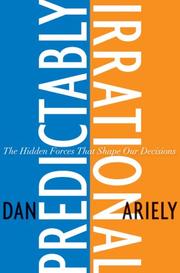
Predictably Irrational
Behavioral economist Dan Ariely shows why we overpay, procrastinate, and misjudge through simple experiments.
2,183-word summary · 10 min read
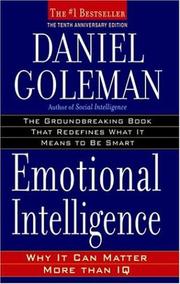
Emotional Intelligence
Goleman argues self awareness and empathy shape success more than IQ alone.
2,026-word summary · 9 min read
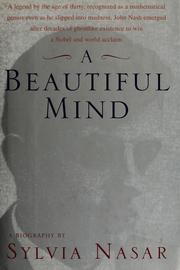
A Beautiful Mind
Mathematician John Nash's brilliant game theory rise, schizophrenia collapse, and Nobel return, with wife Alicia's care.
2,142-word summary · 10 min read
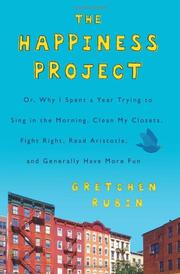
The Happiness Project
Gretchen Rubin spends a year testing monthly resolutions on energy, marriage, work, parenting, and play, tracking small habits to build a happier ordinary…
3,516-word summary · 16 min read
Factfulness
A doctor shows why we misread global trends and offers ten habits for seeing progress clearly.
2,247-word summary · 10 min read
The Omnivore's Dilemma
Four meals traced from corn fields to foraging show what industrial food costs and what else is possible.
1,918-word summary · 9 min read
The Power of Habit
Why we do what we do: the cue routine reward loop, keystone habits, and how companies and movements use the same science, from toothpaste to the bus boycott.
2,207-word summary · 10 min read
Blink: The Power of Thinking Without Thinking
Fast judgments can beat analysis, and fail hard, in Gladwell's 2005 book on snap thinking.
2,008-word summary · 9 min read
The Subtle Art of Not Giving a F*ck
Blogger Mark Manson argues for fewer cares held better, through suffering, values, failure and saying no, with raw stories.
2,020-word summary · 9 min read
Atomic Habits
A practical walkthrough of Atomic Habits: why tiny changes compound, how identity shapes behavior, and the four laws Clear uses to build good habits and break…
2,170-word summary · 10 min read

Sybil
A 1973 case study of a woman treated for multiple personalities, and the book that made dissociative identity disorder a household phrase.
2,054-word summary · 9 min read
Nudge: Improving Decisions About Health, Wealth, and Happiness
Thaler and Sunstein show how defaults, framing, and social cues steer choices, and argue for choice architecture with an opt-out.
3,146-word summary · 14 min read

What Happened to You?
Oprah Winfrey and psychiatrist Bruce Perry explain how early experience shapes the brain, and why asking what happened to someone works better than asking what…
2,238-word summary · 10 min read

The Courage to Be Disliked: The Japanese Phenomenon That Shows You How to Change Your Life and Achieve Real Happiness
A philosopher and an angry young man argue over five nights about Adlerian psychology, trauma, approval, and the freedom to be disliked.
2,054-word summary · 9 min read

Too Much and Never Enough: How My Family Created the World's Most Dangerous Man
Mary L. Trump's 2020 memoir traces how a cold, zero-sum Queens household shaped her uncle, and uses family tax documents to challenge his self-made story.
2,059-word summary · 9 min read

The Total Money Makeover: A Proven Plan for Financial Fitness
Dave Ramsey lays out seven Baby Steps, from a $1,000 starter fund to a paid-off house, with the debt snowball at the center.
2,663-word summary · 12 min read
Don't Sweat the Small Stuff ... and It's All Small Stuff: Simple Ways to Keep the Little Things from Taking Over Your Life
Richard Carlson’s 1997 bestseller offers one hundred short chapters on lowering the volume on daily irritations, and it is more pragmatic than its title…
2,502-word summary · 11 min read

Made to Stick: Why Some Ideas Survive and Others Die
The Heath brothers break down why some ideas vanish on contact while others lodge in memory, tracing six traits that make a message stick.
2,527-word summary · 11 min read
Four Thousand Weeks: Time Management for Mortals
Oliver Burkeman turns the whole productivity project on its head, arguing that a human lifespan of roughly four thousand weeks is not a problem to optimize…
2,447-word summary · 11 min read
Cultish: The Language of Fanaticism
Amanda Montell argues that the real machinery of a cult is its vocabulary, and she traces how loaded language from 1960s communes to modern wellness brands and…
2,087-word summary · 9 min read
Columbine
Ten years of reporting on the 1999 school massacre, including a journalist's correction of the myths he helped create in the first hours.
2,232-word summary · 10 min read
The Road Less Traveled: A New Psychology of Love, Traditional Values and Spiritual Growth
M. Scott Peck argues that maturity begins with accepting difficulty, then builds discipline, love, and spiritual growth through honest, often painful work.
2,200-word summary · 10 min read
The Elegant Universe: Superstrings, Hidden Dimensions, and the Quest for the Ultimate Theory
Brian Greene explains relativity, quantum mechanics, and the promise of string theory without requiring a physics degree.
2,110-word summary · 9 min read
Smoke Gets in Your Eyes: And Other Lessons from the Crematory
A young medieval history graduate takes a job at an Oakland crematory and becomes a mortician, confronting the physical reality of death and the funeral…
2,003-word summary · 9 min read
All About Love: New Visions
bell hooks borrows a definition of love as an action rather than a feeling, then spends thirteen chapters showing how hard it is to practice.
2,385-word summary · 11 min read