
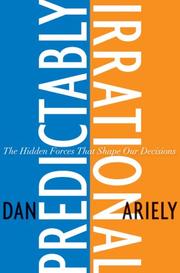
Predictably Irrational
2,183-word summary 10 min read 304 pages in the book
- First published
- 2008
- Publisher
- Harper
- Pages
- 304
- ISBN
- 9780061353239
Reading options
What's inside (9 sections)
I first heard about Predictably Irrational from a manager who kept using it to explain why our free pizza Fridays never improved morale. I finally read it on a plane with a notebook and filled six pages. Dan Ariely published it February 19, 2008 with Harper, a 304 page first edition with ISBN 9780061353239. It is a standalone popular science book about behavioral economics, followed by related books like The Upside of Irrationality. Ariely was a professor at MIT at the time, joint between the Media Lab and Sloan, studying why smart people make steady, repeated mistakes.
His claim is plain. We are not rational, and our irrationality follows patterns. We overpay, underestimate, procrastinate, and cheat in the same ways again and again. If you know the patterns, you can set up your life and work to avoid the worst traps. The book walks through a series of small experiments, many run with students, that show each bias in action. It reads fast, tells stories, and invites you to argue.
Ariely starts with his own story, which earns trust. As a teenager he suffered severe burns in an explosion and spent years in a hospital, wrapped in bandages, facing painful treatments. Nurses removed bandages fast to get it over with. He felt that fast was worse. Later, as a researcher, he tested whether slow removal hurt less. That experience taught him experts can be wrong about other people pain, and that testing beats assuming. He writes about pain without self pity. He uses it to ask how we judge, remember, and choose.
Anchors and free
The early chapters cover relativity and anchoring. We judge by comparison, not absolute value. A $50 pen looks cheap next to a $500 suit, expensive next to a $5 coffee. Stores know this. They place a pricey grill first so the mid grill looks reasonable. Ariely ran tests where students wrote the last two digits of their social security number, then bid on wine and chocolates. High digits bid higher, even though the numbers were random. The anchor stuck.
Free is even stronger. In one test, people chose between a fancy chocolate for 15 cents and a plain chocolate for 1 cent. Most took fancy. Then both prices dropped by 1 cent, so fancy cost 14 cents and plain was free. Most switched to free plain, even though the price gap stayed the same. Free short circuits math. It feels safe, no loss. Companies use free shipping, free trials, free toppings because we overvalue zero. Ariely warns to ask what free costs in time, clutter, and follow on purchases. Free pizza at work cost us an hour of hungry waiting that killed afternoon focus.
He also covers why we pay for things we do not use. Gym memberships, magazine subscriptions, all you can eat plans. We buy the story of the person we want to be. Then we do not go. Ariely suggests freezing small decisions, cancel one subscription before adding another, pay per visit until habit proves itself. I canceled two memberships after this chapter and saved real money. The advice is not new, but the experiments make it stick.
The writing here is clear and funny. Ariely describes students hauling ice cream, choosing beers, cheating on puzzles. He admits when results surprised him. He shows numbers without drowning you. If you sell, manage, or buy, which is everyone, these chapters will change how you read price tags.
Social versus market
One of my favorite sections is about social norms versus market norms. We act one way for friends, another way for pay. Offer a friend $20 to help move, they may be insulted. Offer pizza and thanks, they help all day. Offer a lawyer $30 to do a will, they refuse. Ask them to do it free for charity, many agree. Money changes the frame. Once you pay, you invite calculation. People work less for small pay than for no pay, because small pay insults the social bond without replacing it.
Ariely tested this with boring tasks and payments in cash versus gifts. Cash for small amounts lowered effort. A gift of equal value kept effort high because it stayed in the social frame. The lesson for work is sharp. If you want people to care, do not sprinkle tiny bonuses on top of heavy demands. Either pay fairly in market terms or build real social trust with time off, thanks, flexibility, and shared purpose. Mixing the two carelessly gets the worst of both.
He extends this to dating, to open source, to customer service. Why do people write reviews for free. Why do programmers fix bugs for strangers. Social rewards, reputation, belonging. Companies that try to buy that love cheaply often kill it. My pizza manager learned this. Free pizza framed as thanks felt good once. Framed as a substitute for raises, it bred resentment. We stopped the pizza and started letting people leave early on Fridays. Morale rose without extra cost.
There is a hard edge here too. Social norms can be exploited. Employers ask for passion to avoid paying. Schools ask teachers to sacrifice while cutting budgets. Ariely does not fully face that power side, which is a gap. Still, naming the two frames helps you spot when you are being shifted from one to the other without consent.
Procrastination and self control
Ariely is honest about his own procrastination, which makes the chapter funnier. He gave students deadlines for three papers. One group got fixed deadlines spaced through term. One group got to choose their own deadlines with penalties for missing. One group had one final deadline. The fixed spaced group did best. The free choice group did better than the final deadline group only if they set early deadlines for themselves. Most did not. They set all deadlines at the end and crammed.
The point is not that students are lazy. It is that we misjudge future selves. We think future me will have time, energy, focus. Future me is busy and tired. Ariely suggests precommitment, lock yourself early. Automatic savings, site blockers, public deadlines, small penalties. He tested this with his own health, with medication, with exercise. He is kind about failure. Shame does not fix delay. Design does.
He also covers endowment and ownership. We overvalue what we own. In classic tests, sellers of mugs demand far more than buyers will pay. Owners of basketball tickets demand huge markups. We fall in love with our houses, our ideas, our drafts. This hurts at work when teams defend dead projects because they built them. Ariely suggests rotating critics, setting kill rules in advance, asking what you would pay to buy this project today. I used that question in a meeting and watched a doomed report die peacefully. It saved weeks.
Placebos get a chapter too. Price changes effect. People told a painkiller costs more feel more relief, even when pills are identical. Expectations shape taste, pain, even test scores. This is uncomfortable. It means branding is not just lying. It changes experience. Ariely does not say to scam people. He says to use expectation ethically, present medicine confidently, frame work as meaningful, plate food well. The ethics line is thin and he knows it.
Cheating, a little
The cheating experiments are famous. Students solve math puzzles, shred answers, self report scores for cash. Most cheat a little, a few answers, not max. They steal a bit but keep seeing themselves as honest. Raise the cash reward, cheating does not rise much. Add a reminder of honor codes, or have them sign that they understand, cheating drops. Add a social element, a peer in the room who openly cheats, cheating rises.
Ariely argues we have a fudge factor. We cheat enough to gain, not enough to threaten identity. Distance from cash increases cheating. Tokens, expense reports, digital credits feel less real than bills, so people take more. After the 2008 crisis, this read as prophetic. Bankers did not rob vaults. They moved numbers on screens and told themselves everyone did it.
The fix is not harsher punishment alone. It is closeness and reminders at the moment of choice. Sign before, not after. Show eyes, even cartoon eyes, near honesty boxes. Reduce conflicts that force good people to choose between loyalty and rules. He tells a story about dentists and consultants that made me laugh and wince. We all know jobs where billing tempts stretching.
I found this section balanced. Ariely does not excuse cheating. He shows good people do it under setup pressure. That view helps managers design better systems instead of hunting monsters. It also asks readers to check their own fudge. I checked mine with expense coffee. I was rounding up.
What holds and what wobbles
The book shines in clarity and honesty about methods. Ariely describes samples, usually MIT students, and admits limits. Students are young, educated, mostly American. Lab games are simplified. Real markets have more noise, more stakes, more culture. Later replications found some effects smaller than first reported, which is normal in psychology. Ariely revised some claims in later editions and work. Read this as a map of ideas to test, not law.
Some chapters age better than others. Anchoring, free, social versus market, procrastination hold up in daily life. You can use them Monday. The chapters on arousal, placebo, and ownership are more suggestive. They open questions without settling them. That is fine for a curious reader, less fine if you want strict proof.
Fair criticism also notes who is missing. Care workers, gig drivers, single parents juggling bills do not appear much. Their irrationality looks different when money is tight. A $5 fee matters more when you have $50. Ariely writes mostly about middle class choices, coffee, wine, laptops, vacations. The principles transfer, but examples can feel narrow. If you manage people with little slack, translate carefully. Do not preach precommitment to someone working three jobs. Fix schedules and pay first.
The style helps. Short chapters, stories, no jargon walls. He repeats the core line, we are predictably irrational, without beating it flat. He ends with hope. If biases are steady, we can design against them. Default organ donation, automatic enrollment, clear menus, honest prices. Small setups beat big willpower.
How I use it now
I keep three rules from the book on a card. First, distrust free. Ask what it costs in time and follow on. Second, separate social and market. Thank people socially or pay them fairly, do not mix with small tokens. Third, precommit. Set deadlines, automate savings, sign before tempted. Those three paid for the book many times over.
Trying it at home and at work
A short story shows how the rules play out. After reading, I fixed our team snack system, which sounds small but ate time. We had free snacks funded by a tiny budget that always ran out early. People grabbed extra on Mondays, hoarded, and complained on Thursdays. Classic free trap plus social versus market mix. We switched to clear market. Everyone chips in ten a month or opts out with no shame. Snacks are labeled, counts posted. Waste dropped. Complaints dropped. The social part moved to Friday demos where people share work, not chips. Separating frames worked better than adding more free.
At home I used precommitment for screens. My phone lived by the bed and I checked it at night telling myself tomorrow would be restful. Tomorrow was tired. I moved the charger to the kitchen, bought a cheap alarm, and told my partner to ask where my phone sleeps. First week was itchy. Second week sleep improved. No willpower lecture needed. Setup did the work. Ariely would nod. Future me is not stronger. Present me can be kinder by removing the cue.
Ownership loosening helped with drafts. I keep old reports because I wrote them. I asked, would I pay to buy this today. The answer was no for three files I had been polishing for months. I archived them and felt lighter. One colleague did the same with a slide deck she loved. We laughed about endowment. It still stung a little, which proves the bias is real even when named. Naming does not erase. It gives you a handle to carry it with.
For teams, I added two more. Make cheating hard by keeping money close and reminders near. Make ownership loose by asking what we would buy today. Both cut meeting time and quiet resentment.
Read the 2008 Harper edition if you want the original, 304 pages, ISBN 9780061353239. Later revised editions add material, but the core is here. Pair it with Thinking, Fast and Slow for deeper theory, or with Nudge for policy uses. This book is the friendlier start.
I closed it less confident in my smarts and more confident in my setups. That trade feels worth it. We will keep overpaying, postponing, and fudging. Knowing the pattern does not make us rational. It makes us a little less surprised, and a little better prepared, one small decision at a time.
FAQ
When was Predictably Irrational published and how long is it?
Harper published it February 19, 2008. The first edition runs 304 pages with ISBN 9780061353239.
Is Predictably Irrational part of a series?
No. It is a standalone popular science book, followed by related books like The Upside of Irrationality.
Do I need economics background to read it?
Yes. Students, managers, and curious readers get clear experiments without needing economics training.
Similar books
The Total Money Makeover: A Proven Plan for Financial Fitness
Dave Ramsey lays out seven Baby Steps, from a $1,000 starter fund to a paid-off house, with the debt snowball at the center.
2,663-word summary · 12 min read
The Black Swan
Taleb argues rare shocks shape history more than models admit, and urges safer exposure over prediction.
2,588-word summary · 12 min read
SuperFreakonomics: Global Cooling, Patriotic Prostitutes And Why Suicide Bombers Should Buy Life Insurance
Levitt and Dubner apply incentives to prostitutes, suicide bombers, doctors, and climate fixes with cheeky data.
2,007-word summary · 9 min read
Emotional Intelligence
Goleman argues self awareness and empathy shape success more than IQ alone.
2,026-word summary · 9 min read
Nudge: Improving Decisions About Health, Wealth, and Happiness
Thaler and Sunstein show how defaults, framing, and social cues steer choices, and argue for choice architecture with an opt-out.
3,146-word summary · 14 min read

Moonwalking with Einstein: The Art and Science of Remembering Everything
A journalist spends a year training for the U.S. Memory Championship and discovers that extraordinary memory is mostly technique, attention, and a lot of…
2,027-word summary · 9 min read
Made to Stick: Why Some Ideas Survive and Others Die
The Heath brothers break down why some ideas vanish on contact while others lodge in memory, tracing six traits that make a message stick.
2,527-word summary · 11 min read

Attached
A psychiatrist and a psychologist explain adult attachment styles and show how anxious, avoidant, and secure patterns shape dating, conflict, and the search…
2,157-word summary · 10 min read

The World Is Flat: A Brief History of the Twenty-first Century
Thomas L. Friedman's 2005 bestseller argues that technology, trade, and open borders leveled the global playing field, and it names the ten forces that did it.
2,369-word summary · 11 min read
Dare to Lead
Research on courage shows how leaders build trust through vulnerability and clear values.
2,442-word summary · 11 min read
Think Again
Adam Grant argues for holding views loosely and testing them like a scientist, moving past preacher, prosecutor, and politician habits at work and in debate.
3,204-word summary · 14 min read
Essentialism
McKeown argues for less but better: discern the vital few, refuse the trivial many, and use buffers, small wins, and steady routines so key work gets done well…
2,421-word summary · 11 min read
The Millionaire Next Door
Stanley and Danko survey wealthy Americans and find frugal savers living next door, not big spenders, in this 1996 money study.
2,466-word summary · 11 min read
Drive: The Surprising Truth About What Motivates Us
Pink argues fair pay plus autonomy, mastery, and purpose at work beat carrots and sticks, using FedEx days, ROWE, flow, and clear Goldilocks tasks to explain…
2,339-word summary · 10 min read

A Beautiful Mind
Mathematician John Nash's brilliant game theory rise, schizophrenia collapse, and Nobel return, with wife Alicia's care.
2,142-word summary · 10 min read
Moneyball
Oakland buys walks and patience to win 103 games on a small payroll in Lewis's 2003 baseball story.
2,955-word summary · 13 min read
The Big Short: Inside the Doomsday Machine
Outsiders who read the bonds shorted subprime and watched the machine eat itself in 2008.
2,194-word summary · 10 min read
Influence: The Psychology of Persuasion
Six levers plus unity explain why people say yes, learned undercover in salesrooms and labs.
2,030-word summary · 9 min read
The 48 Laws of Power
Robert Greene turns court history into 48 blunt power laws, each taught through stories like Fouquet and Louis XIV, plus reversals that show when each law…
2,846-word summary · 13 min read
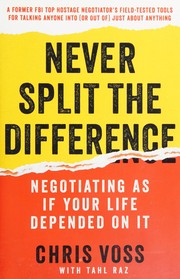
Never Split the Difference
Ex-FBI hostage negotiator Chris Voss shares tools for high stakes talks, from mirroring to calibrated questions. His 2016 book is direct, story driven, and…
2,965-word summary · 13 min read
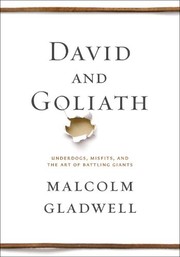
David and Goliath: Underdogs, Misfits, and the Art of Battling Giants
Gladwell argues disadvantages can become advantages, from biblical sling to dyslexia and class size.
3,197-word summary · 14 min read
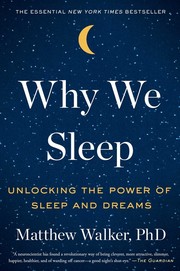
Why We Sleep: Unlocking the Power of Sleep and Dreams
A Berkeley sleep scientist explains how sleep shapes memory, mood, and health, and what happens when we miss it.
2,755-word summary · 12 min read
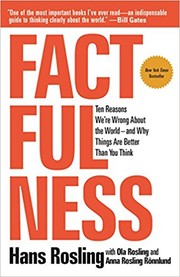
Factfulness
A doctor shows why we misread global trends and offers ten habits for seeing progress clearly.
2,247-word summary · 10 min read
Zero to One: Notes on Startups, or How to Build the Future
Thiel argues monopolies create value through vertical progress, not by copying competition.
2,582-word summary · 11 min read
Think and Grow Rich
Hill teaches desire, faith and autosuggestion, distilling lessons from Carnegie interviews into thirteen principles for success.
2,458-word summary · 11 min read
Who Moved My Cheese?
A tiny parable about two mice and two little people hunting cheese in a maze, and why adapting to change beats waiting for old days to return.
2,533-word summary · 11 min read
Thinking, Fast and Slow
Kahneman's tour of two minds: fast gut System 1 and slow careful System 2, and how biases, overconfidence, and framing shape every choice.
2,306-word summary · 10 min read
The Power of Habit
Why we do what we do: the cue routine reward loop, keystone habits, and how companies and movements use the same science, from toothpaste to the bus boycott.
2,207-word summary · 10 min read
Blink: The Power of Thinking Without Thinking
Fast judgments can beat analysis, and fail hard, in Gladwell's 2005 book on snap thinking.
2,008-word summary · 9 min read
The Tipping Point: How Little Things Can Make a Big Difference
How tiny shifts push ideas and products past a tipping point into epidemics.
2,014-word summary · 9 min read