
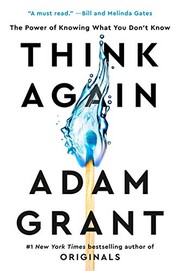
Think Again
3,204-word summary 14 min read 320 pages in the book
- First published
- 2021
- Publisher
- Viking
- Pages
- 320
- ISBN
- 9781984878106
Reading options
What's inside (8 sections)
I picked up Think Again after a meeting where I defended a plan I had stopped believing in halfway through my own sentence. Adam Grant published it in 2021 with Viking, in a 320 page edition with ISBN 9781984878106. Grant is an organizational psychologist at Wharton who writes about work, habits, and generosity, and this book is his case for getting better at changing your mind. I read it because I am stubborn in the specific way he describes. I form views fast, collect support for them, and then treat doubt as disloyalty. The book annoyed me in useful places and gave me a few practices I still use.
The core idea is simple and a little uncomfortable. Intelligence means learning new things and letting go of old ones when evidence shifts. Grant argues that most of us are bad at this because we slip into three roles. The preacher defends our beliefs like a sermon. The prosecutor attacks the other side and hunts for flaws. The politician tells people what they want to hear to win approval. Against those three he sets the scientist. A scientist expects to be wrong, runs small tests, and updates. The point is not that scientists are pure. The point is that the role gives permission to say I was wrong and mean it as progress.
I recognized myself in all three of the bad roles within about twenty pages. I preach about tools I like. I prosecute ideas from people I have decided are sloppy. I play politician in meetings when I soften a doubt to keep the room warm. Grant writes that these modes feel strong but make us brittle. They protect identity at the cost of accuracy. The scientist mode felt weaker at first and then steadier. Ask what would change my mind. Look for reasons I might be wrong. Treat a belief as a draft rather than a flag planted in the ground.
Preachers, prosecutors, politicians, and the scientist I try to be
The opening chapters walk through each mindset with stories from business, science, and everyday arguments. The preacher shows up when our beliefs become part of who we are. Then a challenge to the idea feels like a challenge to us. Grant ties this to identity. If I am a Mac person, a runner, a skeptic, a loyal teammate, then contrary evidence threatens my sense of belonging as well as the opinion itself. That is why debates about phones or diets or office policy get heated so fast. Nobody is defending a charger cable. They are defending a version of themselves.
The prosecutor shows up when we argue to win. Grant is good on the tells. We ask gotcha questions. We quote the weakest version of the other view. We keep score. Social media trains this reflex because dunks get applause. The trouble is that winning the exchange often loses the learning. The other person digs in. We dig in. Both sides leave more certain and less informed. I saw my own comment history in this chapter and did not love it.
The politician shows up when we pander. We read the room and shade the truth. At work this looks like nodding along with a boss’s pet project, then complaining in the hallway. In public life it looks like saying whatever the audience rewards. Grant does not treat this as pure cowardice. It often comes from wanting to belong. But the cost is real. Nobody around us learns what we actually think, so bad plans survive because everyone privately doubts them and publicly supports them.
The scientist is his alternative, and he defines it in plain habits rather than lab coats. Stay humble about what you know. Stay curious about what you do not. Invite disproof. Keep a record so memory cannot rewrite the story later. One line I copied into my notebook was his suggestion to think like a scientist but act with care for people, because being right without kindness rarely changes minds. I have tried to open with that in harder talks. It helps me listen longer before I reload.
What makes this section work is that Grant admits how hard the switch is. He tells stories of his own early lectures where he preached, of debates where he prosecuted, of moments where he said the smooth thing instead of the true thing. That honesty keeps the chapter from reading like a lecture. It reads more like a confession with footnotes. I finished it and wrote three beliefs at the top of a page, with what would change each one. Two columns stayed blank for a week. That blank space was the lesson.
Why being sure feels good and costs a lot
The next stretch is about confidence, and it is the part I have quoted most to friends. Grant talks about the armchair quarterback problem. After the game everyone knows the right call. Before the snap nobody does. We watch from the couch with full information and mistake hindsight for foresight. Then we carry that false clarity into the next live decision and speak with more certainty than our record earns.
He pairs this with impostor feelings and the opposite error. Some skilled people doubt themselves so much they hide. Some unskilled people charge ahead because they do not know enough to see the gaps. Grant wants what he calls confident humility. Believe you can learn while doubting your current answer. That pairing sounds soft. In practice it is demanding. It means saying I have done good work before and I might be wrong here in the same breath.
I tested this on a small work call the week I read it. We had to pick a vendor. I felt 90 percent sure about my favorite. Grant suggests asking for calibration. How often have I been right at 90 percent in similar picks. My honest answer was closer to sixty. Saying that number out loud changed the room. We asked for a trial period instead of a year contract. The vendor stumbled in week two on support tickets. A trial saved us from a painful exit. My gut had graded itself on charm, not on history.
There is also a useful bit on the thrill of being wrong once you survive it a few times. Grant describes scientists and forecasters who keep scorecards of predictions and review them without flinching. At first the misses sting. Over time the review becomes a puzzle. Where did my model break. What signal did I ignore. I started a tiny log for predictions at work. Date, call, odds, reason. Review monthly. It is embarrassing and clarifying in equal measure. My calibration is improving, mostly because I make fewer grand claims.
A short passage I liked concerns the difference between confidence in yourself and confidence in your tools. You can trust your ability to figure things out while distrusting your first answer. That split helped me in writing. I trust that I can revise toward something decent. I distrust paragraph one. So I draft fast and rewrite slowly. The book gave me language for a habit I had backed into by accident.
BlackBerry and the tools we refuse to drop
The BlackBerry story anchors the middle of the book, and Grant tells it as a tragedy of success. Mike Lazaridis and his team built a device people loved. The keyboard clicked. Email moved fast. Security pleased big clients. Then the iPhone arrived with a glass screen and apps, and the BlackBerry leaders treated it as a toy. They had reasons. Touchscreens seemed fragile. Battery life worried them. Corporate buyers valued control. But underneath the reasons sat identity. They were the keyboard company. Rethinking the phone meant rethinking who they were.
Grant connects this to firefighters who die because they will not drop heavy tools while running from a blaze. He recounts the Mann Gulch fire of 1949, where crew members kept carrying saws and packs even as the fire closed in, and only those who dropped weight or found another path survived. The parallel is blunt. Tools that made us effective become weights when conditions change. A keyboard. A sales playbook. A teaching method. A reputation. Dropping them feels like failure. Holding them can be worse.
I felt this in my own smaller version. For years I ran meetings with dense slides because slides had once earned me praise. When my team went remote, the same decks dragged. People multitasked. Decisions slipped. I kept adding slides, which is like running faster with the pack on. Reading Grant, I tried dropping the tool. One page of context, then talk. Attendance stayed the same but engagement rose. Questions got sharper. The old method had worked. That was exactly why it was hard to quit.
Grant is careful not to paint every pivot as heroic. He warns against constant reinvention, which reads as panic. The skill is to separate core values from current methods. Keep the value of serving customers clearly. Change the method of the keyboard freely. Keep the value of clear thinking. Change the format of the meeting. He suggests scheduled rethinks, moments to ask whether the old solution still fits new facts. Companies do postmortems after failure. Few do premortems before launch or checkups while winning. Success hides decay.
The chapter also touches on founders and experts who tie worth to being right the first time. Once you have given interviews about your vision, updating looks like flip flopping. Grant argues the opposite. Updating is competence in motion. He praises leaders who say new data changed the call. I wish he had spent more time on the cost side here, on shareholders and voters who punish updates. He gestures at it. A longer look at incentives would have helped, because individuals can choose humility while systems still reward stubbornness.
Rethinking in classrooms and at work
The education material hit close to home because I still carry bad school advice. Never change your first answer on a test. Trust your gut. Grant walks through classroom research showing this advice is mostly wrong. Students who revisit flagged questions and switch answers tend to gain more than they lose. The first instinct feels familiar, so we trust it. Familiar is not the same as correct. I thought of exams where I stared at a second thought, got scared, and left the first choice standing. More than once the second thought was right.
He extends the lesson to teaching itself. Classrooms that reward right answers on the first try train kids to hide confusion. Classrooms that reward revision train kids to think. Grant describes teachers who let students redo work for full or near full credit, who grade the rethink rather than the first draft. At first this sounds soft. In his telling it is stricter, because students must explain what changed and why. That explanation is where learning lives. I tried a version with a junior hire. Instead of marking a report wrong, I asked for a second pass with notes on each change. The second pass was twice as good and the notes showed me how he thinks.
At work, Grant pushes for challenge networks, small groups of people who are expected to poke holes. Not critics who sneer. Not fans who clap. People who ask careful questions early, when plans can still bend. He gives examples from tech and film where blunt feedback loops caught flaws, and from hospitals and airlines where rank blocked warnings with bad results. The fix is structural. Make dissent part of the job. Assign someone to argue the other side. Ask junior staff to speak first so senior views do not anchor the room. Write doubts down before discussion so they do not melt under pressure.
I liked this and also felt its limits. Challenge networks work when power allows them. In places where the boss punishes pushback, asking an intern to speak first is theater. Grant knows culture matters and writes about psychological safety, the shared belief that you can raise a concern without payback. But building that safety takes time and repeated proof. A reader in a rough shop may finish these pages inspired and stuck. I wished for a short guide to dissenting upward when safety is low. How to phrase a doubt so it lands. When to put it in writing. When to let a bad call go and protect yourself.
One more idea from this stretch earned a permanent place in my notes. Separate the task from the person in feedback. Attack the draft, not the writer. Ask how the work could be stronger rather than why someone failed. Grant frames debate as dance rather than battle, which risks sounding cute, but the practice is concrete. I changed my review comments from you missed this to this section needs that evidence. Small edit. Fewer flinches. Better revisions.
How to argue well with other people
The later chapters move from rethinking alone to rethinking together, and this is where the book gets most practical. Grant argues that most arguments fail before they start because we debate the wrong thing. We argue conclusions while interests and values sit underneath untouched. A fight about office seating is really about status or quiet or commute. A fight about a product deadline is really about fear of blame. Naming the deeper concern does not end disagreement, but it moves it to ground where tradeoffs can be made.
He offers moves I have since used. Ask how someone came to a view and which experiences locked it in place. Listen for the story that made the number feel true. Find a sliver of common ground before pressing a difference. Show that you have heard the strong version of their case, then ask if they will hear yours. Keep the number of reasons small, because piling on ten weak points buries your two strong ones and gives the other side ten easy targets. I cut a proposal from six reasons to two and won the room for the first time in weeks. Less was more because less could be checked.
Grant also warns about binary thinking, the habit of sorting every issue into two camps. Right or wrong. Smart or silly. Loyal or traitor. He suggests adding complexity on purpose. What if both parts are partly true. What if the answer changes by group or time frame. What if we ran a test for a month instead of fighting about forever. I used the time frame trick with a friend over a heated school policy debate. We stopped arguing about the rule in the abstract and asked what a one term trial with clear measures would show. Tempers dropped. We still disagreed, but we could picture a way to learn.
The chapter on listening makes a point I resisted. Persuasion often starts with asking questions that help the other person think, not with delivering facts louder. Grant describes approaches where counselors and skilled managers ask open questions, reflect back what they hear, and let people voice their own doubts. Facts matter, but they land after trust. My instinct is to send links. Links rarely move anyone. A curious conversation once moved my uncle on a health decision where three articles had failed. I asked what worried him most, repeated it back plainly, and waited. He named the real fear. Then we could talk about that instead of trading headlines.
There is a risk here of sounding slick, as if listening is a trick to win. Grant tries to draw a line between respecting autonomy and steering people. I think he stays mostly on the right side, but readers should watch themselves. Asking questions to trap is prosecution with better manners. The test I use now is whether I could state their view so fairly they would nod. If I cannot, I have not earned my rebuttal yet.
What I will keep, and what bugged me
I will keep the scientist habit, the prediction log, and the challenge network idea. The belief page with what would change my mind now sits inside my work notebook. The log is ugly and useful. The habit of asking junior voices to speak first has already surfaced two risks my senior lens missed. These are not slogans. They are small routines with visible effects. That is the best version of this book, a manual for staying editable without going limp.
What bugged me is worth saying plainly. The middle sags a little. Stories arrive at a steady clip, each with a clean moral, and after a while I started to predict the beat. Setup, blind spot, rethink, lesson. Real change is messier. People backslide. Teams agree in the room and defect after. Grant nods at this but keeps the tone bright. Readers going through a hard pivot, a layoff, a divorce, a faith shift, may find the cheer a touch thin. Dropping tools while the fire runs at you is terrifying, not merely instructive.
I also wanted more on power. Much of the advice assumes a fair amount of safety. Tenured professors, senior leaders, and star authors can afford public updates. A new hire, a contractor, or someone on a visa often cannot. To his credit Grant mentions safety and culture. I just wanted a full chapter for the low power reader. How to rethink quietly. How to document doubts. How to find one ally before speaking. Without that, the book tilts toward managers and teachers, who are his home audience, and less toward everyone else.
The science reporting is lively but sometimes smooths edges. Grant cites studies with confidence and moves on. Most findings he leans on are well known, like the first instinct myth and overconfidence effects, but psychology has had a rough decade with replications. A few more hedges and sample notes would have helped me judge weight. I do not need a methods appendix in a trade book. I do want to know which claims rest on one clever lab study and which rest on piles of field data. He gives some of that and skips it elsewhere.
Still, I closed the book looser in a good way. Last month I changed my mind in public about a hiring rule I had pushed hard. Old me would have defended it to save face. New me, still nervous, said the trial data beat my theory and proposed the reverse. Nobody laughed. One colleague thanked me. That small moment felt like the whole thesis in miniature. Strong views, loosely held, plus the nerve to say so out loud.
If you read it, bring a pen and a live disagreement. Mine was about remote work rules. Yours might be about money, food, faith, or a boss you have already judged. Write the belief, write what would move you, then read as if you might be the BlackBerry in your own story. That question stings. It also frees up room to move. I did not agree with every page. I did finish with better questions, a shorter slide deck, and a belief page with blanks I am slowly filling. For a book about thinking, that seems like a fair return.
FAQ
When was Think Again published, and how long is it?
It was first published in 2021 by Viking, in a 320 page edition with ISBN 9781984878106. The summary follows that edition.
What do the preacher, prosecutor, politician, and scientist mean in the book?
The first three defend beliefs, attack other views, or pander for approval, while the scientist stays humble, curious, and ready to update on fresh proof. Grant uses the four roles as daily habits rather than job titles.
Is Think Again only useful for managers and teachers?
No, but the summary notes the advice fits them best, since public updating is easier with safety and rank. Readers with less power may need quieter tactics, like documenting doubts and finding one ally first.
Similar books
Dare to Lead
Research on courage shows how leaders build trust through vulnerability and clear values.
2,442-word summary · 11 min read
The Total Money Makeover: A Proven Plan for Financial Fitness
Dave Ramsey lays out seven Baby Steps, from a $1,000 starter fund to a paid-off house, with the debt snowball at the center.
2,663-word summary · 12 min read
Made to Stick: Why Some Ideas Survive and Others Die
The Heath brothers break down why some ideas vanish on contact while others lodge in memory, tracing six traits that make a message stick.
2,527-word summary · 11 min read
The Magic of Thinking Big
Schwartz's 1959 self-help classic argues that success follows from the size of your thinking, supported by sales anecdotes, vocabulary drills and goal setting.
2,579-word summary · 11 min read
Creativity, Inc.: Overcoming the Unseen Forces That Stand in the Way of True Inspiration
Pixar's president on why the studio that made Toy Story nearly broke itself, and the daily habits that kept the creativity coming.
2,179-word summary · 10 min read
The Hard Thing About Hard Things
A founder and CEO writes about the parts of running a company that no framework can fix, from layoffs and demotions to the loneliness of the job.
2,161-word summary · 10 min read
The Black Swan
Taleb argues rare shocks shape history more than models admit, and urges safer exposure over prediction.
2,588-word summary · 12 min read
Essentialism
McKeown argues for less but better: discern the vital few, refuse the trivial many, and use buffers, small wins, and steady routines so key work gets done well…
2,421-word summary · 11 min read
Braving the Wilderness: The quest for true belonging and the courage to stand alone
Belonging to yourself first lets you stand alone and still stay close to others.
2,004-word summary · 9 min read
Drive: The Surprising Truth About What Motivates Us
Pink argues fair pay plus autonomy, mastery, and purpose at work beat carrots and sticks, using FedEx days, ROWE, flow, and clear Goldilocks tasks to explain…
2,339-word summary · 10 min read
The Five Dysfunctions of a Team
New CEO Kathryn unites warring execs through trust, conflict, and care.
2,029-word summary · 9 min read
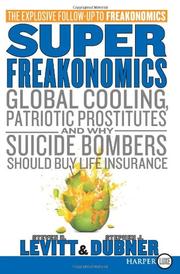
SuperFreakonomics: Global Cooling, Patriotic Prostitutes And Why Suicide Bombers Should Buy Life Insurance
Levitt and Dubner apply incentives to prostitutes, suicide bombers, doctors, and climate fixes with cheeky data.
2,007-word summary · 9 min read
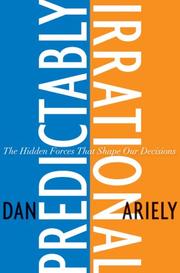
Predictably Irrational
Behavioral economist Dan Ariely shows why we overpay, procrastinate, and misjudge through simple experiments.
2,183-word summary · 10 min read
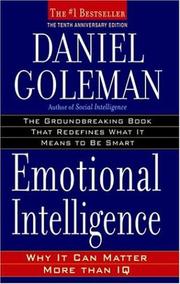
Emotional Intelligence
Goleman argues self awareness and empathy shape success more than IQ alone.
2,026-word summary · 9 min read
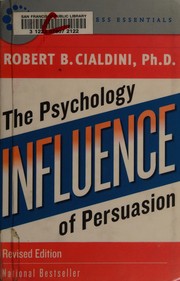
Influence: The Psychology of Persuasion
Six levers plus unity explain why people say yes, learned undercover in salesrooms and labs.
2,030-word summary · 9 min read
The 48 Laws of Power
Robert Greene turns court history into 48 blunt power laws, each taught through stories like Fouquet and Louis XIV, plus reversals that show when each law…
2,846-word summary · 13 min read
Never Split the Difference
Ex-FBI hostage negotiator Chris Voss shares tools for high stakes talks, from mirroring to calibrated questions. His 2016 book is direct, story driven, and…
2,965-word summary · 13 min read

David and Goliath: Underdogs, Misfits, and the Art of Battling Giants
Gladwell argues disadvantages can become advantages, from biblical sling to dyslexia and class size.
3,197-word summary · 14 min read
Daring Greatly: How the Courage to Be Vulnerable Transforms the Way We Live, Love, Parent, and Lead
Shame research turned into a case for showing up vulnerable at work, at home, and in love.
2,062-word summary · 9 min read
Start with Why
Great leaders start with Why before How and What, from Apple to King.
2,206-word summary · 10 min read
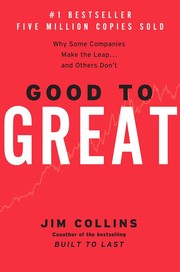
Good to Great: Why Some Companies Make the Leap... and Others Don't
A five-year study of 11 companies that leapt ahead shows Level 5 leaders, right people, hedgehog focus and flywheel momentum explain lasting gains.
2,374-word summary · 11 min read
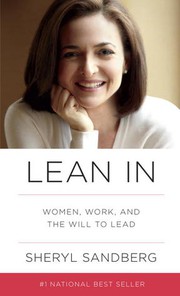
Lean In
Sit at the table, negotiate, share home load, and change offices while knowing advice skews elite.
2,005-word summary · 9 min read
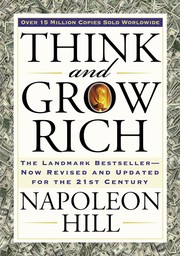
Think and Grow Rich
Hill teaches desire, faith and autosuggestion, distilling lessons from Carnegie interviews into thirteen principles for success.
2,458-word summary · 11 min read
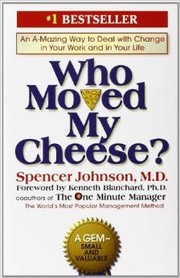
Who Moved My Cheese?
A tiny parable about two mice and two little people hunting cheese in a maze, and why adapting to change beats waiting for old days to return.
2,533-word summary · 11 min read
The Power of Habit
Why we do what we do: the cue routine reward loop, keystone habits, and how companies and movements use the same science, from toothpaste to the bus boycott.
2,207-word summary · 10 min read
The Tipping Point: How Little Things Can Make a Big Difference
How tiny shifts push ideas and products past a tipping point into epidemics.
2,014-word summary · 9 min read
Outliers: The Story of Success
Success comes from practice, timing, and hidden chances more than talent alone.
1,934-word summary · 9 min read
Deep Work: Rules for Focused Success in a Distracted World
Cal Newport's Deep Work in full: what focused work actually is, why shallow busyness wins by default, and the four philosophies he recommends for protecting…
2,138-word summary · 10 min read
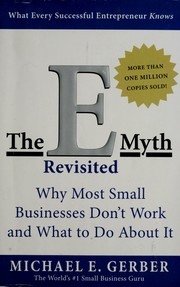
The E-Myth Revisited
Gerber argues that most small businesses are run by technicians who own a job rather than a business, and that the fix is a system that runs without them.
2,169-word summary · 10 min read

Sybil
A 1973 case study of a woman treated for multiple personalities, and the book that made dissociative identity disorder a household phrase.
2,054-word summary · 9 min read