
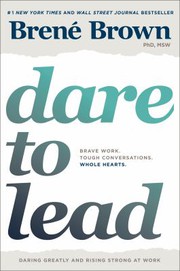
Dare to Lead
2,442-word summary 11 min read 320 pages in the book
- First published
- 2018
- Publisher
- Random House
- Pages
- 320
- ISBN
- 9780399592522
Reading options
What's inside (8 sections)
I read Dare to Lead because my team was going through change and I wanted tools, not slogans. First published in 2018 by Random House at 320 pages in hardcover, it comes from Brené Brown’s research with leaders, from small startups to Fortune 50 companies and schools and nonprofits. Her claim is plain. Daring leadership is not a gift. It is four skill sets you can learn, practice, and measure. I found it useful, a little repetitive in spots, but honest about how hard brave work is.
Brown is a researcher who studies shame, vulnerability, and courage. She spent years interviewing people about hard times, then spent seven years asking leaders what they need. The answer kept coming back to courage over comfort. Not bravado. The willingness to have tough talks, admit you do not know, hold yourself and others accountable, and keep showing up when it is easier to armor up with blame or control.
The book opens with a call to rumble. Rumble means talk about hard things with curiosity, not armor. Name what you feel. Stay awkward a little longer instead of shutting down. Brown admits she hates this too. She tells stories about her own team fights, about crying after feedback, about wanting to quit and staying. That self disclosure helps. She is not a guru above it. She is in it, messing up, trying again.
Four skills
The four skills are easy to list, hard to do. First, rumbling with vulnerability. Second, living into your values. Third, braving trust. Fourth, learning to rise after falls. Brown gives each a section with stories, checklists, and phrases you can try in meetings.
Rumbling starts with noticing armor. We all have moves when we feel exposed. Cynicism, perfectionism, numbing with busyness, blaming, controlling the ending. Brown names hers, like rehearsing conversations in the shower and planning what she will say if they say that. I recognized mine fast, over preparing slides so no one can question me. The tool is to pause and get curious. What am I feeling. What story am I telling myself. What do I need to learn here. It sounds simple. In a live argument with a boss, it is not.
Living into values means picking two core values and practicing them. Not a poster list of ten words. Two. Brown picks courage and clarity for herself, and explains what each looks like in behavior. If I value clarity, I will be direct and kind in feedback, not talk around. If I value courage, I will ask for help early. She asks teams to do the same, then to check decisions against those behaviors. When layoffs or cuts come, values get tested. The book does not pretend this is clean. It says write down what you will do when it costs.
Braving trust uses an acronym, BRAVING, for parts of trust. Boundaries, reliability, accountability, vault, integrity, nonjudgment, generosity. Vault means you do not share what is not yours to share. Nonjudgment means you can ask for help without being shamed. Generosity means you assume people are doing their best, then check. Brown says trust builds in small moments, not grand speeches. Remembering a name, keeping a small promise, admitting a miss fast. It breaks the same way, in small cuts. I liked this because it gave language for vague unease. When I distrust a meeting, I can ask which part wobbled.
Learning to rise is about failure stories. Brown’s earlier work on rising strong fits here. When you fail, you tell yourself a story, often the worst one. She teaches to write the story, check facts, get curious about other views, then rewrite a truer version. She also talks about self care as strategy, not luxury. Sleep, movement, boundaries around news and drink. Leaders who brag about no sleep make bad calls. That part felt blunt and needed.
Stories from work
Brown fills chapters with workplace scenes. A tech team afraid to tell a founder his idea will fail. A school principal who must address racism in discipline data. A military unit learning to debrief without shame. A nonprofit where funding cuts force hard choices. These are composites from interviews, not single cases, which keeps them general enough to apply. You will see your own meetings. The person who talks to win, the person who goes silent, the person who jokes to ease tension and derails.
One story I kept thinking about was about clear is kind. Unclear is unkind. A manager avoids telling someone they are failing because it feels kind to spare them, then fires them later in surprise. That is cruelty dressed as niceness. Brown pushes to give specific, timely feedback with care. Say what you saw, what impact it had, what you need next. Ask what support helps. It is uncomfortable for ten minutes and kinder for months. I tried it the week I read it. It was awkward. It worked better than hinting.
Another useful bit is about armor in meetings. Tapping phones, side chats, overvaluing being right, using humor to shut down. Brown suggests ground rules. Phones off unless on call for family. Stay curious one more minute. Assume positive intent, then verify. These sound basic. Teams that actually do them feel different. My team tried no phones for one planning session. People fidgeted, then talked more. Small wins count.
She also addresses perfectionism in leaders, especially women and newcomers who feel they must be flawless to belong. Perfectionism looks like high standards but acts like fear. It slows decisions, hides mistakes, burns people out. The antidote is to model imperfection. Say I was wrong here. Say I need help. That gives others permission. It is scary if your boss punishes candor, and Brown admits not every culture is safe enough yet. She advises starting where you have power, with your direct reports, and building up.
What helps and what drags
What helps is practical language. Rumble, clear is kind, vault, story I am telling myself. These phrases stick and give teams a shared way to pause. The book has exercises, lists of values, questions for one on ones, scripts for hard talks. You can copy them into a doc and use them. It is not just theory. It is a workbook in places, which I liked.
Brown’s humor helps too. She is Texan, direct, funny about herself. Stories about parenting, marriage, church, school pickups sit beside CEO interviews. That mix keeps it human. Leadership is not only at work. How you argue at home shows up at work. She does not separate neat boxes.
What drags is repetition. The four skills overlap, and Brown circles back to shame and vulnerability many times. If you read her earlier books like Daring Greatly and Rising Strong, you will meet familiar ideas. About a third felt new to me, the trust acronym and team tools, the rest felt like a remix for leaders. That is fine if this is your first Brown book. If you read them all, skim parts.
Another limit is context. Most examples come from American workplaces with enough safety to try candor. If you work in a rigid, punitive system, some advice will feel risky. Brown nods to power and race and says brave leadership must include equity, but the examples are lighter there than I wanted. Readers outside the US may also find the language very American, with football and church references. The core still travels, but you will translate.
The research base is interviews and grounded theory, not lab experiments with numbers. Brown is open about that. She quotes people, finds patterns, tests with groups. If you want data tables, look elsewhere. If you want stories that name what you feel at work, this fits. I trusted it because the patterns matched my experience, not because of stats.
Who should read it
Read it if you lead anyone, formally or not. Managers, teachers, coaches, parents, organizers. Read it if your team avoids hard talks or trusts thinly. Use it in a book group at work, one skill a month, with real tries between. It works best when you practice, not just highlight.
Skip it for now if you want finance or strategy. This is people skills, not business models. Skip if you dislike personal stories in business books. Brown shares a lot about herself. That is the style. Also skip if you are burned out and need rest first. This book asks effort. It says courage takes energy, sleep, boundaries. Take that part seriously before you rumble.
For me, the test was a conversation I had been avoiding. I used the tools. I wrote my two values on a card. I named the story I was telling myself. I asked for ten minutes, said what I saw, what impact it had, what I needed. I listened without fixing. It did not fix everything. But trust ticked up a notch. My report told me later they felt respected even though it was hard to hear. That is what Brown promises, not easy wins but steadier teams.
Dare to Lead is 320 pages and reads like a workshop. Bring a pen. Mark the BRAVING parts. List your armor moves. Pick two values and write what they look like on a bad day. Try one rumble this week. If it goes badly, use the rise tools and try again. That loop, try, miss, learn, retry, is the book in one line. It will not make leadership comfortable. It aims to make it brave, which is different and, on good days, better.
Trying it with a real team
I want to say more about what happened when I tried parts of this with my own group, because the book is easy to admire and harder to use. We are six people, mixed ages, one remote, deadlines tight. Trust was okay but thin in places. People were polite and avoided hard topics. After reading about BRAVING, I asked everyone to pick one part of trust that felt shaky for us. No names, just notes on cards. Vault came up most. People felt stories shared in one on ones traveled. That stung to hear as a lead, because I had repeated something once to get advice, thinking it was harmless. It was not harmless to the person who told me.
We made a small rule from that. What is shared in a one on one stays there unless we agree to share, with names removed only if needed. We wrote it down. We slipped twice in the next month. Both times someone named it fast, sorry, vault, let's reset. That fast naming helped more than the rule itself. It gave us words. Brown is right that language matters. Without a shared word, you swallow unease. With it, you can point and fix.
Living into values took longer. We each picked two words. Mine were clarity and steadiness. Someone else picked humor and fairness. Another picked growth and rest. At first it felt like posters. Then we tied them to behaviors for hard weeks. If I value clarity, I will send agendas the day before, even when I am tired. If we value rest, we will not send late night messages expecting answers. We missed often. But having two words made feedback easier. I could say, hey, clarity, I need the decision in writing. That felt less personal than you are confusing.
Rumbling was the hardest. We tried a rumble about workload. I started with the story I am telling myself, that I am failing you by saying yes to too much upstairs. Someone else said their story was that speaking up would mark them as difficult. We sat quiet. No one fixed. We just named. It did not solve staffing, but tension dropped a notch because fears were out. Later we made one small change, moving a review to every two weeks, to protect focus time. Small, real, kept.
Where I pushed back
I pushed back on parts too, and that is worth naming for a fair review. Brown says assume positive intent, then verify. I like the generosity, but in some workplaces intent is not positive and assuming so burns junior staff. A new hire who assumes a bullying manager means well will get hurt. I now add, assume humanity, check impact fast. Keep the generosity but keep eyes open. Power matters. Brown knows this, but the slogan can be misused by bosses to dodge accountability. Be generous with peers, careful with power gaps.
I also struggled with the chapter on shame and armoury lists. Sixteen types of armor is a lot to remember in a live meeting. Perfectionism, foreboding joy, cynicism, cool, control, blame, praise seeking. Useful to read, hard to use at speed. I boiled it to three for myself. Do I go cold and quiet. Do I go fast and control. Do I joke to escape. If yes, pause, breathe, get curious. That simpler check works better for me than the full list. Readers who love frameworks may enjoy all sixteen. I needed fewer.
The faith and culture bits also landed unevenly for me. Brown writes from her own background, open about church and Texas roots, which I respect. At times examples lean on that world. Readers from other places may need to translate. A story about a football coach will not land the same in London or Lagos. The human point still holds, but you do extra work. That is okay, just know it going in.
Time is another honest limit. Rumbling well takes time teams do not have in crunch. A proper rise after a failed launch takes a day of talk few can spare. Brown says make time because skipping costs more later, and she is right in the long run. In the short run, I had to pick tiny practices. Five minute check ins, one clear email instead of three vague ones, ending meetings with who does what by when. Those micro moves kept us brave when we could not do the full workshop.
Even with those gripes, I kept the book on my desk, not the shelf. The values card sits under my monitor. The BRAVING list is in our team doc. When a hard talk looms, I reread the script prompts. What I observed, what impact, what I need, what I will do. It steadies me. Leadership here is not heroic. It is staying in the room a minute longer than comfort allows, asking one more question, writing down what you promised. That minute matters more than any speech, and Brown taught me to notice it.
FAQ
When was Dare to Lead published?
It was first published in 2018 by Random House at 320 pages in hardcover. It is based on interviews with leaders and teams.
What are the four skill sets?
Daring leadership is four skill sets that can be taught and observed. They center on rumbling with vulnerability, living values, braving trust and learning to rise.
Similar books
Braving the Wilderness: The quest for true belonging and the courage to stand alone
Belonging to yourself first lets you stand alone and still stay close to others.
2,004-word summary · 9 min read
The Total Money Makeover: A Proven Plan for Financial Fitness
Dave Ramsey lays out seven Baby Steps, from a $1,000 starter fund to a paid-off house, with the debt snowball at the center.
2,663-word summary · 12 min read
Made to Stick: Why Some Ideas Survive and Others Die
The Heath brothers break down why some ideas vanish on contact while others lodge in memory, tracing six traits that make a message stick.
2,527-word summary · 11 min read

The Magic of Thinking Big
Schwartz's 1959 self-help classic argues that success follows from the size of your thinking, supported by sales anecdotes, vocabulary drills and goal setting.
2,579-word summary · 11 min read

Think Again
Adam Grant argues for holding views loosely and testing them like a scientist, moving past preacher, prosecutor, and politician habits at work and in debate.
3,204-word summary · 14 min read
Essentialism
McKeown argues for less but better: discern the vital few, refuse the trivial many, and use buffers, small wins, and steady routines so key work gets done well…
2,421-word summary · 11 min read
Emotional Intelligence
Goleman argues self awareness and empathy shape success more than IQ alone.
2,026-word summary · 9 min read
Influence: The Psychology of Persuasion
Six levers plus unity explain why people say yes, learned undercover in salesrooms and labs.
2,030-word summary · 9 min read
Think and Grow Rich
Hill teaches desire, faith and autosuggestion, distilling lessons from Carnegie interviews into thirteen principles for success.
2,458-word summary · 11 min read
The Power of Habit
Why we do what we do: the cue routine reward loop, keystone habits, and how companies and movements use the same science, from toothpaste to the bus boycott.
2,207-word summary · 10 min read
The Gifts of Imperfection
Shame research turned into ten guideposts for dropping perfectionism and living with courage and connection.
2,799-word summary · 12 min read
Daring Greatly: How the Courage to Be Vulnerable Transforms the Way We Live, Love, Parent, and Lead
Shame research turned into a case for showing up vulnerable at work, at home, and in love.
2,062-word summary · 9 min read
What Happened to You?
Oprah Winfrey and psychiatrist Bruce Perry explain how early experience shapes the brain, and why asking what happened to someone works better than asking what…
2,238-word summary · 10 min read

The Courage to Be Disliked: The Japanese Phenomenon That Shows You How to Change Your Life and Achieve Real Happiness
A philosopher and an angry young man argue over five nights about Adlerian psychology, trauma, approval, and the freedom to be disliked.
2,054-word summary · 9 min read

Moonwalking with Einstein: The Art and Science of Remembering Everything
A journalist spends a year training for the U.S. Memory Championship and discovers that extraordinary memory is mostly technique, attention, and a lot of…
2,027-word summary · 9 min read
Don't Sweat the Small Stuff ... and It's All Small Stuff: Simple Ways to Keep the Little Things from Taking Over Your Life
Richard Carlson’s 1997 bestseller offers one hundred short chapters on lowering the volume on daily irritations, and it is more pragmatic than its title…
2,502-word summary · 11 min read

Four Thousand Weeks: Time Management for Mortals
Oliver Burkeman turns the whole productivity project on its head, arguing that a human lifespan of roughly four thousand weeks is not a problem to optimize…
2,447-word summary · 11 min read
Creativity, Inc.: Overcoming the Unseen Forces That Stand in the Way of True Inspiration
Pixar's president on why the studio that made Toy Story nearly broke itself, and the daily habits that kept the creativity coming.
2,179-word summary · 10 min read
The Road Less Traveled: A New Psychology of Love, Traditional Values and Spiritual Growth
M. Scott Peck argues that maturity begins with accepting difficulty, then builds discipline, love, and spiritual growth through honest, often painful work.
2,200-word summary · 10 min read
The Hard Thing About Hard Things
A founder and CEO writes about the parts of running a company that no framework can fix, from layoffs and demotions to the loneliness of the job.
2,161-word summary · 10 min read

Attached
A psychiatrist and a psychologist explain adult attachment styles and show how anxious, avoidant, and secure patterns shape dating, conflict, and the search…
2,157-word summary · 10 min read

All About Love: New Visions
bell hooks borrows a definition of love as an action rather than a feeling, then spends thirteen chapters showing how hard it is to practice.
2,385-word summary · 11 min read
How to Stop Worrying and Start Living
Carnegie offers day-tight routines for worry built from interviews and worker stories.
2,505-word summary · 11 min read
10% Happier
An ABC newsman panics on air, then finds meditation without losing his edge.
2,590-word summary · 12 min read
The Black Swan
Taleb argues rare shocks shape history more than models admit, and urges safer exposure over prediction.
2,588-word summary · 12 min read

The Untethered Soul
Singer names the noisy inner voice and shows how watching thoughts, loosening old hurt, and keeping the heart open through surrender can ease daily suffering…
2,752-word summary · 12 min read

The Millionaire Next Door
Stanley and Danko survey wealthy Americans and find frugal savers living next door, not big spenders, in this 1996 money study.
2,466-word summary · 11 min read
The Art of Happiness
The Dalai Lama and psychiatrist Howard Cutler link lasting happiness to training the mind, human warmth, compassion, and basic spiritual values for daily life.
3,394-word summary · 15 min read
Drive: The Surprising Truth About What Motivates Us
Pink argues fair pay plus autonomy, mastery, and purpose at work beat carrots and sticks, using FedEx days, ROWE, flow, and clear Goldilocks tasks to explain…
2,339-word summary · 10 min read
The Five Dysfunctions of a Team
New CEO Kathryn unites warring execs through trust, conflict, and care.
2,029-word summary · 9 min read