
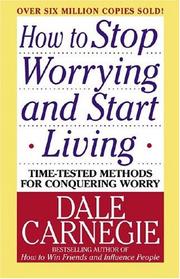
How to Stop Worrying and Start Living
2,505-word summary 11 min read 320 pages in the book
- First published
- 1948
- Publisher
- Simon and Schuster
- Pages
- 320
- ISBN
- 9780671035976
Reading options
What's inside (8 sections)
A friend pressed this book on me after I spent a month waking at three in the morning with my mind spinning. I had read Carnegie's book on winning friends years earlier. That one had struck me as chatty. This one looked heavier. It sat on my kitchen table for weeks before I opened it. Dale Carnegie published it in 1948 with Simon and Schuster. The edition I am describing runs about 320 pages. It followed his famous book on friendship and business. It tries to do something plainer. It tries to give a worried person a set of habits to get through a day without chewing on the same thought all night.
I went in expecting pep talks. There are some. There is also a lot of shoe leather reporting for a self help book of that era. Carnegie says he interviewed worried people. He talked with workers and managers and housewives. He collected stories from his night classes in New York. He pulls in doctors and engineers he knew. If I recall the order right, the early chapters set out a few big tools. Later chapters walk through money trouble and work trouble and family trouble. I do not remember the exact chapter order now. I read it in short bursts late at night. That suited the advice inside.
Anyway. The tone is old. The examples smell of hats and trains and office memos. Some of it still bites.
Shutting the doors on yesterday and tomorrow
Carnegie borrows an idea from the physician William Osler. Osler told students to live in day tight compartments. Carnegie repeats it and builds his opening around it. The image is a ship with bulkheads. You shut the iron doors. You keep one day sealed off from the one before and the one after. You do not drag old errors forward. You do not borrow trouble from next week. You ask what you can handle between waking and sleep.
He means this as practice rather than poetry. He suggests starting the morning by deciding what belongs to today. Pay the bills that are due today. Write the letter that is due today. See the person you promised to see today. Leave the rest shut behind steel. When the mind slips back to an old slight at work, you pull it back. When it runs ahead to a medical test next month, you pull it back. The past gets no vote unless it helps you act now. The future gets attention only as a short plan you can start now.
I tried this on a week when my inbox was a mess. It helped in a narrow way. It did not quiet everything. It gave me a smaller surface to stand on. Instead of fixing my whole life before lunch, I fixed three small tasks. My shoulders dropped a bit. The trick wore off by evening when a late email arrived. I had to restart it the next morning. That seems to be the point Carnegie keeps making. You do not learn it once. You repeat it until it turns into reflex.
He admits this sounds simple. He says simple is why people skip it. Readers want a clever system. He offers a dull one. Shut the doors. Stay inside today. Do the next clear thing. He tells stories of men who ruined their health by replaying old deals in their heads at dinner. He tells of women who nursed old insults for years. I cannot vouch for each case he cites. They read like classroom tales polished for effect. The mechanism underneath still makes sense to me. Attention has a narrow gate. Worry widens it until everything pours through at once.
What is the worst that can happen
The most concrete tool in the book comes from the engineer Willis Carrier. Carnegie says Carrier was young and stuck on a job that might fail. Carrier told him he worked out a method on the spot. First he asked what the worst outcome could be. Then he decided he could live with it if he had to. Then he put his effort into making that outcome less likely. Carnegie loves this sequence. He returns to it again and again.
You can see why it caught on. It turns a vague dread into a sentence. My mind likes to swirl around maybe. Maybe the car repair will cost too much. Maybe my boss was cold in that meeting for a reason. Maybe the doctor will call with bad news. Carrier's method forces a shape. What is the actual worst. Not the buzzing maybe. The plain loss in dollars or days or pride. Once you name it, you can ask if you would survive it. Most days the answer is yes. That yes loosens the grip enough to think.
Carnegie pairs this with a second habit. Get the facts on paper. He tells readers to write down what they know and what they do not know. He tells them to separate rumor from record. He tells them to decide based on that record and then act without looking back. He warns against turning decision over and over after you have made it. Decide. Start. Adjust as you go.
I used a version of this on a money worry last year. I wrote two columns in a cheap notebook. On one side I put the bills I could see. On the other side I put the fears I could not prove. The second column was longer. Seeing it on paper made it look thinner. I called the bank. I asked for a later date. I paid part now. None of that was brave. It was clerical. That is Carnegie at his best. He turns worry into errands.
There is a limit here worth naming. Naming the worst helps with a leaky roof or a late report. It helps less with grief or illness where the worst is real and close. Carnegie nods at this but moves on fast. He wants action. Sometimes action is not available. Sometimes you wait. His method gives little guidance for those weeks except to stay busy and keep faith. I wished he had sat longer with that gap.
How to stop feeding the habit
A large middle part of the book is about breaking the worry habit itself rather than solving one problem. Carnegie is blunt about the body. He says worry tires people more than work does. He talks about men who carried office strain home and slept badly and woke worse. He urges readers to rest before exhaustion sets in. Take short breaks. Loosen up at your desk. Sleep enough to think straight. He cites doctors of his day on ulcers and high blood pressure and fatigue. I would not treat those medical asides as current science. The general push still reads true. A tired brain invents danger.
He also pushes work as medicine. Keep your hands moving. Fill the day with tasks that need attention. He tells of unemployed men in the Depression who grew sick from idle hours. He tells of housewives who found relief in church projects or clubs. The idea is not to hustle for its own sake. It is to starve worry of free time. An empty afternoon gives dread room to grow. A full morning with clear chores crowds it out.
Another chapter takes on trifles. Do not let small cuts rule you. Carnegie says many of us can survive a big blow but we bleed out from paper cuts. A rude clerk. A late train. A neighbor's remark. He advises asking if the slight will matter in a year. If not, drop it. Charge it off. He advises keeping a sense of proportion by writing down the small irritations and laughing at the list later. That last bit sounded corny to me. I tried it once with a week of annoyances. Half the list did look silly after seven days. The other half still stung. Proportion helped. It did not erase.
He talks about the law of averages in his own way. Will this feared thing actually happen. Most of the time it will not. He wants readers to cooperate with what cannot be changed. If a train is gone, catch the next one. If rain ruins a picnic, play cards indoors. This can sound glib on the page. In practice it is a skill. I am bad at it. I rehearse arguments that will never happen. Reading those pages made me catch myself mid rehearsal more than once.
The people he drags into the room
Carnegie fills the book with cases. That is both its charm and its drag. He brings in salesmen who feared ruin. He brings in students who feared exams. He brings in mothers who feared for children at war. He brings in executives who learned to sleep after years of pacing. Some names are famous for 1948. Most are ordinary. He likes a before and after arc. A man was sick with dread. He tried one rule. He slept. He worked. He recovered.
One story that stayed with me involved a businessman facing a large loss. I will not pretend I remember each figure he gives. The shape was this. The man thought ruin was near. He forced himself to accept the loss on paper. He wrote what life would look like after it. Once he accepted that picture, his mind cleared enough to save part of the business. Whether every detail holds up matters less than the move. Accept the floor. Then build up from it.
Another set of stories comes from his classes. A grocer who feared bankruptcy. A typist who feared her boss. A veteran who feared quiet rooms after combat. Carnegie lets them speak in plain workaday language. That keeps the book from floating off into theory. You hear lunch counters and ledgers. You hear night shifts. You hear rent day.
The weakness is obvious now. The room is narrow. Almost everyone in it seems to be a white American businessman or his wife. The wives worry about children and social standing. The husbands worry about sales and promotion. Factory hands appear as background. Black families and immigrants barely appear at all. A modern reader will notice who is missing from the supposed survey of worry. That does not kill the tools. It does shrink the claim that these stories cover everyone.
I also grew tired of the pileup. Story follows story with the same curve. Dread. Rule applied. Relief. After a while I skimmed. A sharper editor would have cut a third of them. Carnegie liked abundance. He thought one more witness would convince the skeptic. For me it had the opposite effect. I started to doubt the neat endings.
Faith and the turn outward
Later chapters turn to outlook. Carnegie urges readers to expect gratitude rather than grievance. Count what you hold. He lists simple goods. Health enough to walk. Food enough for today. Work that pays. Friends who answer the phone. He warns against waiting for thanks. Do favors without keeping score. If thanks come, fine. If not, you still did the favor. Resentment, he says, eats the person who carries it.
He gives space to prayer and trust. He profiles people who found steadiness through church or through a quiet belief that effort matters. He does not preach one creed. He treats faith as a practical support. Hand over what you cannot control. Sleep. Start again. Readers who share that outlook will find those pages warm. Readers who do not will still get the behavioral point. Stop clutching what you cannot steer.
He closes this stretch with a push to turn outward. Think of others. Visit the sick neighbor. Help the new clerk. Write the thank you note you owe. Carnegie argues that self pity shrinks when attention moves. My experience backs that in small doses. On days when I spiraled, an errand for someone else broke the loop faster than any pep talk. It did not solve the source. It changed the channel long enough for my head to cool.
There is a risk of sugar here. Some passages read as if cheer alone cures deep trouble. They do not. A reader dealing with clinical anxiety or depression will need more than gratitude lists. Carnegie wrote before modern care was common. He does not make that distinction clear. Take the outward turn as one tool among many. Leave room for doctors and counselors and rest where needed.
Where it creaks and where it holds
The creaks are easy to list. The science is old. The language about men and women is dated. The stories lean on luck and pluck in a way that skips over poverty and bias. Carnegie repeats himself. He loves a slogan. He loves a tale with a tidy end. If you dislike being told to smile through pain, parts of this book will grate. I put it down twice in the middle for that reason. I picked it back up because the core habits kept working in small corners of my week.
What holds. The day tight compartment. The worst case question. Facts on paper. Rest before collapse. Busy hands. Drop the trifle. Accept what you cannot change and move where you can. None of these are new. Carnegie did not invent them. He packed them into routines a tired person can remember at midnight. That packing is the service. You do not need theory at three in the morning. You need a next step you can do half asleep. Write the worry down. Name the worst. Do one small repair. Shut the doors until morning.
Who should read it now. Someone who ruminates over work and money and small slights will get the most. Someone who wants stories from ordinary working life in the 1930s and 1940s will enjoy the time capsule. Someone facing major loss or illness should read it lightly and alongside better guides. Use it for daily static. Look elsewhere for deep water.
I finished it with a pencil full of marks and a fair amount of argument in the margins. That seems right for a book of this age. It is bossy. It is earnest. It repeats. It also hands you a few plain moves that survive the decades. Shut today off from yesterday. Ask what the worst looks like. Write what you know. Rest. Keep moving. Let the rest go until you can act on it. I still wake at three sometimes. Those nights are shorter now. Not gone. Shorter. That is enough to keep the book on the shelf rather than in the donation box.
My copy is dog eared at the Carrier pages. Yours might bend elsewhere. The test Carnegie sets is practical. Try one rule for a week. Note what shifts. Keep what helps. Discard the rest without guilt. He would approve of that use. He wanted users rather than admirers.
FAQ
Is How to Stop Worrying and Start Living only for businesspeople?
No. Carnegie wrote for workers and managers in 1948, but the day-tight routine and worst-case question suit students and parents facing daily strain.
What is the day-tight compartments idea?
It comes from William Osler and opens the book. Shut off yesterday and tomorrow. Handle what belongs to today.
Does the book address modern anxiety?
Partly. Its habits help with rumination over work and money. It lacks modern clinical guidance, so treat deep distress with professional care.
Similar books
Don't Sweat the Small Stuff ... and It's All Small Stuff: Simple Ways to Keep the Little Things from Taking Over Your Life
Richard Carlson’s 1997 bestseller offers one hundred short chapters on lowering the volume on daily irritations, and it is more pragmatic than its title…
2,502-word summary · 11 min read
Essentialism
McKeown argues for less but better: discern the vital few, refuse the trivial many, and use buffers, small wins, and steady routines so key work gets done well…
2,421-word summary · 11 min read
12 Rules for Life
Twelve essays on responsibility from posture to truth to petting cats.
2,045-word summary · 9 min read

What Happened to You?
Oprah Winfrey and psychiatrist Bruce Perry explain how early experience shapes the brain, and why asking what happened to someone works better than asking what…
2,238-word summary · 10 min read

The Courage to Be Disliked: The Japanese Phenomenon That Shows You How to Change Your Life and Achieve Real Happiness
A philosopher and an angry young man argue over five nights about Adlerian psychology, trauma, approval, and the freedom to be disliked.
2,054-word summary · 9 min read

Moonwalking with Einstein: The Art and Science of Remembering Everything
A journalist spends a year training for the U.S. Memory Championship and discovers that extraordinary memory is mostly technique, attention, and a lot of…
2,027-word summary · 9 min read

The Total Money Makeover: A Proven Plan for Financial Fitness
Dave Ramsey lays out seven Baby Steps, from a $1,000 starter fund to a paid-off house, with the debt snowball at the center.
2,663-word summary · 12 min read

Made to Stick: Why Some Ideas Survive and Others Die
The Heath brothers break down why some ideas vanish on contact while others lodge in memory, tracing six traits that make a message stick.
2,527-word summary · 11 min read
Four Thousand Weeks: Time Management for Mortals
Oliver Burkeman turns the whole productivity project on its head, arguing that a human lifespan of roughly four thousand weeks is not a problem to optimize…
2,447-word summary · 11 min read
The Magic of Thinking Big
Schwartz's 1959 self-help classic argues that success follows from the size of your thinking, supported by sales anecdotes, vocabulary drills and goal setting.
2,579-word summary · 11 min read
The Road Less Traveled: A New Psychology of Love, Traditional Values and Spiritual Growth
M. Scott Peck argues that maturity begins with accepting difficulty, then builds discipline, love, and spiritual growth through honest, often painful work.
2,200-word summary · 10 min read
The 5 AM Club
A struggling entrepreneur and artist are mentored by a billionaire who teaches them to reclaim the first hour of the day.
2,205-word summary · 10 min read

Attached
A psychiatrist and a psychologist explain adult attachment styles and show how anxious, avoidant, and secure patterns shape dating, conflict, and the search…
2,157-word summary · 10 min read

All About Love: New Visions
bell hooks borrows a definition of love as an action rather than a feeling, then spends thirteen chapters showing how hard it is to practice.
2,385-word summary · 11 min read
The War of Art
Pressfield names Resistance and urges daily professional work.
2,565-word summary · 11 min read
Dare to Lead
Research on courage shows how leaders build trust through vulnerability and clear values.
2,442-word summary · 11 min read
10% Happier
An ABC newsman panics on air, then finds meditation without losing his edge.
2,590-word summary · 12 min read
Braving the Wilderness: The quest for true belonging and the courage to stand alone
Belonging to yourself first lets you stand alone and still stay close to others.
2,004-word summary · 9 min read

The Untethered Soul
Singer names the noisy inner voice and shows how watching thoughts, loosening old hurt, and keeping the heart open through surrender can ease daily suffering…
2,752-word summary · 12 min read
The Power of Positive Thinking
Peale's 1952 guide to faith, affirmations, picturing success, prayer, and worry control, retold chapter by chapter with stories, limits, and small daily habits…
2,742-word summary · 12 min read
The Art of Happiness
The Dalai Lama and psychiatrist Howard Cutler link lasting happiness to training the mind, human warmth, compassion, and basic spiritual values for daily life.
3,394-word summary · 15 min read
Drive: The Surprising Truth About What Motivates Us
Pink argues fair pay plus autonomy, mastery, and purpose at work beat carrots and sticks, using FedEx days, ROWE, flow, and clear Goldilocks tasks to explain…
2,339-word summary · 10 min read
Grit
A psychologist argues sustained passion plus perseverance beats raw talent, and shows how grit can be grown.
2,432-word summary · 11 min read
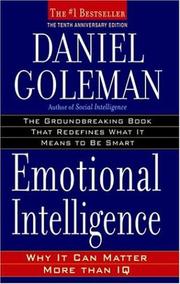
Emotional Intelligence
Goleman argues self awareness and empathy shape success more than IQ alone.
2,026-word summary · 9 min read
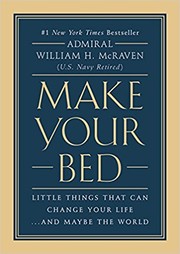
Make Your Bed: Little Things That Can Change Your Life...And Maybe the World
SEAL lessons from bed making to never ringing the bell, from McRaven's 2014 Texas speech and 144 page book.
2,974-word summary · 13 min read
Influence: The Psychology of Persuasion
Six levers plus unity explain why people say yes, learned undercover in salesrooms and labs.
2,030-word summary · 9 min read

Getting Things Done: The Art of Stress-Free Productivity
Capture all, clarify next moves, sort by context, review weekly, and engage calmly like water.
2,030-word summary · 9 min read
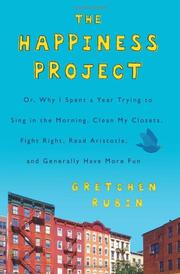
The Happiness Project
Gretchen Rubin spends a year testing monthly resolutions on energy, marriage, work, parenting, and play, tracking small habits to build a happier ordinary…
3,516-word summary · 16 min read
The Gifts of Imperfection
Shame research turned into ten guideposts for dropping perfectionism and living with courage and connection.
2,799-word summary · 12 min read

A New Earth
Tolle maps ego pain and shows how presence can loosen roles, thoughts, and suffering.
1,909-word summary · 8 min read