
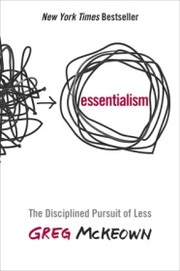
Essentialism
2,421-word summary 11 min read 260 pages in the book
- First published
- 2014
- Publisher
- Crown Business
- Pages
- 260
- ISBN
- 9780804137386
Reading options
What's inside (8 sections)
I picked up Essentialism after a month where my calendar looked full and my work looked thin. I had said yes to three projects at once, agreed to help a friend move on my one free Saturday, and joined two group chats that never slept. A coworker saw the mess and lent me her copy. She said it had changed how she answered email. That sounded small enough to try. I read the first twenty pages standing in my kitchen and kept going because the opening story felt uncomfortably familiar.
McKeown opens with the birth of his daughter. His wife had gone into labor in a California hospital. He was on the phone with a client about a meeting the next day, and when the client asked him to come in, he went. He sat in that conference room checking his phone while his family was at the hospital. That story sets the question for the whole book, which came out in 2014 from Crown Business: if you do not decide what matters, other pressures will decide for you.
The promise printed under the title in many editions is less but better. Most of us chase every good opportunity and please everyone, and end up spread so thin that nothing gets our best attention. An Essentialist keeps asking what is truly vital and then protects time for it. The book is a method in three moves: discern what counts, eliminate what does not, and execute on what remains without added friction.
What pulled me in is that he treats this as a stance toward choice, not a time hack. He argues that we can choose, that most demands are noise, and that every yes carries a trade off even when we pretend otherwise. I thought of the week I agreed to review a long report I had no stake in to seem helpful, then stayed up late to finish my own work badly. The book gave that pattern a name.
Essential thinking versus nonessential drift
Early on McKeown draws a contrast between two ways of operating. The nonessentialist tries to have it all. Says yes to please. Reacts to whatever is loudest. Fills days with meetings and minor tasks and calls that motion progress. The Essentialist pauses. Says no to the trivial many so there is room for the vital few. Chooses deliberately and treats that refusal as the work rather than as rudeness.
He makes it concrete with office scenes anyone on a team will know. The nonessentialist nods along in a status meeting, volunteers for the extra working group, then scrambles at 6 p.m. to start the task that actually mattered. The Essentialist asks which outcome the meeting must serve, cuts two agenda items that serve no decision, and leaves with time to finish the one piece of work that moves things forward.
I read myself into the wrong column more than once. McKeown insists the difference is learned. He describes his own early years as a consultant, saying yes to every client request, sleeping little, producing decks that looked busy and felt hollow. The shift came when a mentor asked him to name the one contribution he wanted to be known for. I wrote my answer on a sticky note and kept it on my laptop. It made three pending requests easy to decline.
He also answers the usual objection. People say they have no choice. The boss demands it, the family needs it, the market requires it. McKeown replies that even inside tight constraints there is almost always a choice about where attention goes first. A nurse on a packed shift cannot choose her patient load, but she can choose the order of rounds and what she refuses to let interrupt a critical procedure. A parent with two jobs cannot conjure free hours, but can choose which calls get returned that night. The point is not total control. The point is to stop acting as if you have none.
Discern: escape, look, play, and sleep
The second part of the book is about discernment, a formal word for a simple practice: create enough quiet to tell signal from noise. McKeown breaks this into habits. Escape to think. Look closely. Play to spark ideas. Protect sleep. Then apply strict selection rules.
Escape sounds grand and turns out to be practical. McKeown admires how Bill Gates used to take a week alone with books and papers, no meetings, just reading and thinking. The translation for the rest of us is smaller. An hour with the phone off. A walk without a podcast. I left my phone in another room for forty minutes on a Sunday and read my to do list with a pen. Half the items looked urgent on a screen and looked optional on paper. Two I crossed out entirely.
Look means observing carefully before forming opinions. He praises reporters and managers who read original documents instead of summaries, who visit the shop floor or sit in on support calls. One manager kept hearing morale was fine until she ate lunch with junior staff and learned a new approval process was eating two hours a day. McKeown also pushes a short daily journal, a few lines on what actually happened. I kept a rough log for ten days. Mine showed late afternoon calls wrecked my writing the next morning.
Play is the chapter I expected to skip and marked up the most. McKeown leans on research by psychiatrist Stuart Brown and on design firms like IDEO, where messing with models and games often precedes breakthroughs. Play opens the mind because it removes the fear of looking wrong. He describes executives building odd prototypes from cardboard, laughing, then spotting a flaw they had missed in six slide decks.
Sleep gets a full chapter because McKeown sees it as the clearest test of priorities. Essentialists guard eight hours as an asset that protects judgment. He cites findings that tired brains take more risks and cling to bad plans longer. My record here is mixed. But the book shifted how I frame it. Lost sleep is no longer proof of dedication. It is borrowing from tomorrow to pay for today, with interest.
Discern more: the 90 percent rule
Selection is where seeing clearly turns into deciding. McKeown offers the 90 percent rule. Score an opportunity from zero to one hundred on importance. Anything below ninety is a no. He credits creative circles for versions of this, including writer Derek Sivers and his test of either a strong yes or a polite no.
I applied it to a freelance offer that paid decently but sat outside the work I want to do. I scored it a sixty five. Under my old logic I would have taken it and complained about it for six weeks. I declined in two sentences and used the freed evenings to finish a project I cared about.
The rule sounds harsh until you use it. Most requests land in the middle, pleasant enough, vaguely useful, easy to justify. That middle is where calendars go to die. McKeown suggests that if the choice is not obvious, the answer is no. I still took one sixty point job because a friend asked. But I took it knowingly, with limits attached, instead of drifting into it.
He also warns against the pull of options we already hold. We keep a committee role because we have always done it, not because it still fits. If you did not already have this commitment, would you agree to it today. If not, plan an exit. I ran that test on a newsletter I read out of habit. I unsubscribed in ten seconds.
Eliminate: purpose, no, and uncommitting
If discernment is seeing clearly, elimination is acting on it. This is the hardest part to practice and the part where McKeown is most direct. He organizes it around clarifying purpose, finding the courage to refuse, dropping past bets, editing to the core, and setting firm limits.
Purpose here is not a framed statement. It is a concrete answer to what you are trying to do at this stage of life. He praises companies that state their aim in a sentence a new hire can repeat. The personal version is shorter. Write one paragraph about what matters most right now and what you will not chase this year. Mine was clumsy. Fewer paid projects but better ones, weekends mostly free, a manuscript draft by spring. It still filtered three invitations the next week.
Saying no gets long treatment because most of us do it badly. McKeown reminds readers that Rosa Parks said no on a bus in Montgomery in 1955, a refusal that helped spark a movement. On a smaller scale he offers scripts. Pause before answering. Say the no plainly, without a long excuse that invites negotiation. Separate the decision from the relationship. One line I copied was his advice to say let me check my calendar and get back to you, which buys time instead of caving on the spot. I used it on a committee invitation. A day later I declined in three lines.
Uncommitting may be the bravest chapter. McKeown attacks the sunk cost pull that keeps us funding dead projects because we already spent so much. He brings up the Concorde jet, which kept flying partly because France and Britain had already poured money into it. His test is blunt. If you did not own this project today, how hard would you work to get it. I ran that test on a side project I had fed for eight months. I would not start it today. I archived the files and emailed two collaborators to close the loop.
Editing and limits close the section. Cut with the firmness of an editor who knows that removing good material makes the great material visible. I cut a talk I give from thirty slides to twelve and moved the rest to an appendix nobody missed. Limits mean deciding in advance where time stops. No meetings before nine. No phone at dinner. He is firm that unclear limits invite others to set them for you. I stopped answering messages after eight. Friends adjusted in two days.
Execute: buffer, subtract, small wins, and focus
The last part answers the fair question that follows all that refusal. Once you clear space, how do you get the important work done without burning out again. McKeown answers with habits that lower friction: build buffers, remove obstacles, aim for small wins, design routines, and keep attention on the present priority.
Buffer is the least glamorous and the most useful. Add fifty percent more time than you think a task needs. If the drive should take thirty minutes, allow forty five. He tells stories of teams that delivered early because they planned for the delay everyone knew would come. I started adding a buffer to writing jobs. The extra block felt wasteful on Monday and felt like rescue on Thursday when a source canceled and a file corrupted the same afternoon.
Subtract means asking what stands in the way and removing it rather than pushing harder. He gives examples of teams that cut approval steps or moved a key tool closer to where the work happens. At home my version was simple. I moved my running shoes to the front door and put the television remote in a drawer. Runs went up. Late scrolling went down.
Small wins carry the middle of this section. Instead of staring at a huge outcome, define progress you can finish today. McKeown suggests starting with the smallest meaningful step, finishing it fully, then letting that momentum fund the next step. When a long report scared me for a week, I set the first goal as three rough paragraphs before lunch. They were rough. They were also done. The report got written in four such chunks.
Routine and focus finish the book. Resolve is unreliable, so routines should make the right action automatic. Same writing hour. Same shutdown ritual. He describes athletes and surgeons who follow checklists because routine protects skill under pressure. My routine is boring. Coffee, same desk, phone in another room, ninety minutes on the main project first. On days I keep it I finish by three what used to take until six. Focus then means asking what is important now, in this hour. He admires coaches like Larry Gelwix, the rugby coach whose teams kept winning by drilling a few core plays until they were second nature. I tested this on one messy afternoon. I closed every tab except the draft and set a timer for twenty five minutes. Two rounds beat three hours of tab hopping.
Where the argument wears thin
For all its clarity, the book has soft spots worth naming. The first is privilege. Much of the advice assumes a reader with enough control to decline work, block mornings, and sleep eight hours. That fits managers and professionals with bargaining power. It fits less well for a single parent working two hourly jobs or a junior nurse on nights. Saying no is easier when your rent does not depend on the yes.
The second soft spot is repetition. The central idea fits on an index card. Choose the vital few. Say no to the rest. Protect them with routines. Around that card McKeown wraps many stories that teach the same lesson from slightly different angles. By page two hundred I could predict each chapter. A story of overload, a disciplined refuser, the lesson, a small practice. I switched to two chapters a night instead of five and got more from it.
The third concern is evidence. McKeown cites studies on sleep, switching costs, and sunk costs that hold up in broad strokes. He also leans on company stories told in hindsight, where the clean moral may hide messier causes. Did one firm succeed because it focused, or because it had cash, timing, and luck beside focus. The book tends to credit focus alone.
None of that undid the value for me. This book changed several Tuesdays. I keep shorter hours for messages. I score new requests out of a hundred and decline most below ninety. I add buffers without apology. My desk holds one sticky note with the contribution I want to be known for this year. When a new invitation arrives, I read the note first. More often than before, I say no early, in few words, and return to the work I chose.
FAQ
What is the 90 percent rule in Essentialism?
Score an opportunity from zero to one hundred on importance. If it falls below ninety, decline it. McKeown links the idea to Derek Sivers and his test of a strong yes or a polite no.
Is Essentialism only for executives and managers?
No, but the examples lean toward founders, designers, and professionals with flexible schedules. Hourly workers and caregivers can use the discern and execute habits, though saying no is harder when income depends on the yes.
Does the 2014 Crown Business book offer more than just say no?
Yes. Refusal is the middle section. The book pairs it with discernment practices like escape, looking, play, and sleep, plus execution tools like buffers, small wins, and routines.
Similar books
The Total Money Makeover: A Proven Plan for Financial Fitness
Dave Ramsey lays out seven Baby Steps, from a $1,000 starter fund to a paid-off house, with the debt snowball at the center.
2,663-word summary · 12 min read
Made to Stick: Why Some Ideas Survive and Others Die
The Heath brothers break down why some ideas vanish on contact while others lodge in memory, tracing six traits that make a message stick.
2,527-word summary · 11 min read
How to Stop Worrying and Start Living
Carnegie offers day-tight routines for worry built from interviews and worker stories.
2,505-word summary · 11 min read
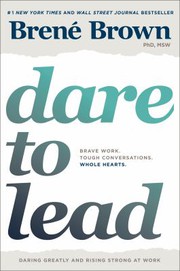
Dare to Lead
Research on courage shows how leaders build trust through vulnerability and clear values.
2,442-word summary · 11 min read
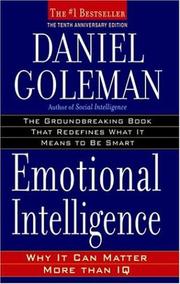
Emotional Intelligence
Goleman argues self awareness and empathy shape success more than IQ alone.
2,026-word summary · 9 min read
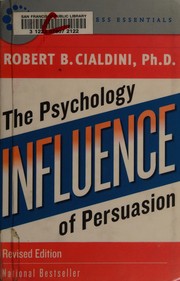
Influence: The Psychology of Persuasion
Six levers plus unity explain why people say yes, learned undercover in salesrooms and labs.
2,030-word summary · 9 min read
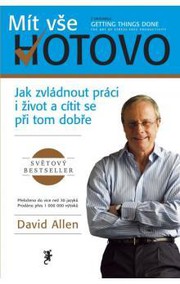
Getting Things Done: The Art of Stress-Free Productivity
Capture all, clarify next moves, sort by context, review weekly, and engage calmly like water.
2,030-word summary · 9 min read
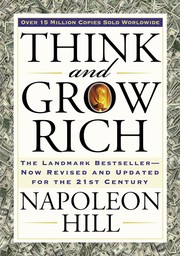
Think and Grow Rich
Hill teaches desire, faith and autosuggestion, distilling lessons from Carnegie interviews into thirteen principles for success.
2,458-word summary · 11 min read
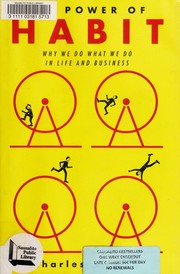
The Power of Habit
Why we do what we do: the cue routine reward loop, keystone habits, and how companies and movements use the same science, from toothpaste to the bus boycott.
2,207-word summary · 10 min read
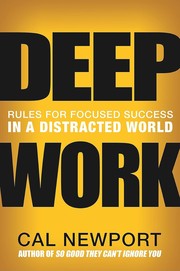
Deep Work: Rules for Focused Success in a Distracted World
Cal Newport's Deep Work in full: what focused work actually is, why shallow busyness wins by default, and the four philosophies he recommends for protecting…
2,138-word summary · 10 min read
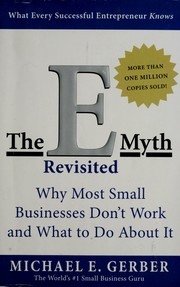
The E-Myth Revisited
Gerber argues that most small businesses are run by technicians who own a job rather than a business, and that the fix is a system that runs without them.
2,169-word summary · 10 min read
What Happened to You?
Oprah Winfrey and psychiatrist Bruce Perry explain how early experience shapes the brain, and why asking what happened to someone works better than asking what…
2,238-word summary · 10 min read

The Courage to Be Disliked: The Japanese Phenomenon That Shows You How to Change Your Life and Achieve Real Happiness
A philosopher and an angry young man argue over five nights about Adlerian psychology, trauma, approval, and the freedom to be disliked.
2,054-word summary · 9 min read

Moonwalking with Einstein: The Art and Science of Remembering Everything
A journalist spends a year training for the U.S. Memory Championship and discovers that extraordinary memory is mostly technique, attention, and a lot of…
2,027-word summary · 9 min read
Don't Sweat the Small Stuff ... and It's All Small Stuff: Simple Ways to Keep the Little Things from Taking Over Your Life
Richard Carlson’s 1997 bestseller offers one hundred short chapters on lowering the volume on daily irritations, and it is more pragmatic than its title…
2,502-word summary · 11 min read

Four Thousand Weeks: Time Management for Mortals
Oliver Burkeman turns the whole productivity project on its head, arguing that a human lifespan of roughly four thousand weeks is not a problem to optimize…
2,447-word summary · 11 min read
The Magic of Thinking Big
Schwartz's 1959 self-help classic argues that success follows from the size of your thinking, supported by sales anecdotes, vocabulary drills and goal setting.
2,579-word summary · 11 min read
The Road Less Traveled: A New Psychology of Love, Traditional Values and Spiritual Growth
M. Scott Peck argues that maturity begins with accepting difficulty, then builds discipline, love, and spiritual growth through honest, often painful work.
2,200-word summary · 10 min read

Attached
A psychiatrist and a psychologist explain adult attachment styles and show how anxious, avoidant, and secure patterns shape dating, conflict, and the search…
2,157-word summary · 10 min read
All About Love: New Visions
bell hooks borrows a definition of love as an action rather than a feeling, then spends thirteen chapters showing how hard it is to practice.
2,385-word summary · 11 min read
10% Happier
An ABC newsman panics on air, then finds meditation without losing his edge.
2,590-word summary · 12 min read
Think Again
Adam Grant argues for holding views loosely and testing them like a scientist, moving past preacher, prosecutor, and politician habits at work and in debate.
3,204-word summary · 14 min read
The Black Swan
Taleb argues rare shocks shape history more than models admit, and urges safer exposure over prediction.
2,588-word summary · 12 min read
Braving the Wilderness: The quest for true belonging and the courage to stand alone
Belonging to yourself first lets you stand alone and still stay close to others.
2,004-word summary · 9 min read

The Untethered Soul
Singer names the noisy inner voice and shows how watching thoughts, loosening old hurt, and keeping the heart open through surrender can ease daily suffering…
2,752-word summary · 12 min read
The Millionaire Next Door
Stanley and Danko survey wealthy Americans and find frugal savers living next door, not big spenders, in this 1996 money study.
2,466-word summary · 11 min read
The Art of Happiness
The Dalai Lama and psychiatrist Howard Cutler link lasting happiness to training the mind, human warmth, compassion, and basic spiritual values for daily life.
3,394-word summary · 15 min read
Drive: The Surprising Truth About What Motivates Us
Pink argues fair pay plus autonomy, mastery, and purpose at work beat carrots and sticks, using FedEx days, ROWE, flow, and clear Goldilocks tasks to explain…
2,339-word summary · 10 min read
SuperFreakonomics: Global Cooling, Patriotic Prostitutes And Why Suicide Bombers Should Buy Life Insurance
Levitt and Dubner apply incentives to prostitutes, suicide bombers, doctors, and climate fixes with cheeky data.
2,007-word summary · 9 min read
Predictably Irrational
Behavioral economist Dan Ariely shows why we overpay, procrastinate, and misjudge through simple experiments.
2,183-word summary · 10 min read