
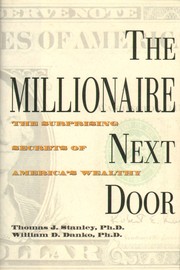
The Millionaire Next Door
2,466-word summary 11 min read 258 pages in the book
- First published
- 1996
- Publisher
- Longstreet Press
- Pages
- 258
- ISBN
- 9781563523304
Reading options
What's inside (9 sections)
I found The Millionaire Next Door on a shelf of used paperbacks priced at two dollars, next to diet books and a broken clock. I bought it because I was tired of money advice that starts with a sports car on the cover. This book promised the opposite, that rich people live next door and drive old trucks. It was published in 1996 by Longstreet Press, and it runs 258 pages in the hardcover edition. It was written by Thomas J. Stanley with William D. Danko, based on survey research with affluent households. I read it with a pencil, arguing in the margins, and I came out with habits I still use.
The core claim is simple. Most millionaires in America do not look rich. They live in plain houses, buy used cars, and wear cheap watches. They save a large share of income and put it to work. The authors sort people into groups. Prodigious accumulators of wealth, called PAWs, save well for what they earn. Under accumulators of wealth, called UAWs, earn good money and keep little. The gap comes less from salary than from daily choices about spending, time, and family help. The book then walks through those choices one by one.
Meet the Millionaires Next Door
The opening chapters explain how the research was done, and this part matters. Stanley and Danko sent surveys to high income households, then sat down in living rooms for long interviews. They expected to find doctors and lawyers in gated streets. They found owners of small firms, contractors, auctioneers, pest control operators, and accountants living on blocks where most homes cost far less than their net worth. One interview story stuck with me. The authors went to an expensive neighborhood for a focus group and offered fine food and wine. The millionaires they met barely touched it. They asked for simpler food. They did not show off. They talked about work.
From those talks the authors pull seven habits shared by people who build wealth and keep it. Live below your means. Give time and care to planning. Value freedom over display. Raise kids who can stand on their own. Avoid living off family gifts. Find a useful niche. Pick work that fits building wealth. The list sounds plain on paper. The book spends the rest of its pages showing what each habit looks like in kitchens and garages.
I liked this start because it names its method. These are surveys and interviews, not tax records for the whole country. The sample leans toward married households with high income who answered mail surveys in the 1980s and 1990s. That shapes everything after. It also gives the book its charm. The details come from real tables and real closets, not from theory.
Living Below Your Means
The first habit gets the most pages. Live well below your means. The PAWs in the study often lived in homes worth far less than they could afford. They bought used cars and kept them for years. They shopped for suits on sale and wore them until the elbows thinned. One profile described a man who bought shoes for under a hundred dollars and resoled them. Another described a woman who planned meals, clipped coupons, and tracked every bill. None of this looks heroic. It looks boring week after week.
The contrast group, the UAWs, earned as much or more and saved little. They leased new cars every two years. They bought larger houses to match a job title. They spent to calm stress and to signal success to neighbors. The authors argue the math is cruel here. A household earning 150,000 dollars that spends 145,000 ends up with less freedom than a household earning 90,000 that spends 60,000. Over twenty years the second household owns assets that pay them. The first owns payments.
I tested this on my own budget while reading. I pulled three months of card statements and marked each line as need, useful, or show. The show column hurt. Lunches out because coworkers went. A jacket I wore twice. A phone upgrade I did not need. Cutting those did not make me feel rich. It made me feel calmer. That calm is close to what the book praises. Frugality here is not misery. It is a habit of pausing before buying and asking if the item moves you toward freedom or away from it.
The weakness in this section is repetition. Story after story makes the same point with a new car price and a new suit price. After the fifth used car anecdote I wanted a table and a next step. Still, the point lands. Wealth grows in the gap between earning and spending, and most people close that gap from the spending side because it is the side they control each day.
Time, Budgets, and Planning
The next chapters turn to time. The authors claim PAWs spend far more hours each month planning money than UAWs do. They budget. They set goals for saving and giving. They review investments. They talk with spouses and accountants. They treat money like a small business with monthly books. UAWs spend more time shopping and less time tracking. They fear budgets because budgets feel like limits.
One detail I copied into my notebook was the habit of yearly planning with a spouse. The couples who built wealth sat down, listed income, listed costs, and chose a savings rate first. Then they lived on the rest. They also planned gifts and trips in advance so fun did not wreck the plan. It sounds dull. In practice it ends fights. When my wife and I tried it, the talk took forty minutes and saved us two weeks of small annoyed comments about coffee and takeout.
The book also stresses choosing counsel well. PAWs hired accountants and lawyers who specialized in their needs, and they stayed loyal when the advice was sound. They read. They asked questions. They did not chase hot tips from friends at cookouts. They paid for boring competence. UAWs more often hired for comfort, picking advisors who agreed with them or who promised high returns without risk.
My gripe here is that the advice on time stays general. Spend five hours a month planning. Track each dollar. Review holdings. That is true and useful, but the book gives few worked examples of a budget sheet or a meeting agenda. A young reader with debt and kids may need a sample month spelled out. The authors prefer another interview quote to another worksheet. I wanted fewer quotes and one clear form I could copy.
Freedom Over Display
The middle of the book is my favorite part, because it punctures status. The authors ask millionaires what they drive, what they wear, what they drink. The answers are plain. A large share drive American made cars bought used and held for years. Many paid under 30,000 dollars. They buy suits off the rack for a few hundred dollars. They wear Timex and Seiko more than Rolex. They buy wine by the case on sale. They live in homes bought decades ago in middle class streets.
Why does this matter. Because display eats the seed corn. Every extra 20,000 dollars of car loan is money that cannot compound. Every larger house brings larger taxes, heat, repair, and furniture. The authors show households with the same income splitting into different futures based on these choices. One buys image and rents freedom. The other buys freedom and lets image wait.
There is a sharp scene where the authors describe inviting millionaires to an upscale tasting and watching them feel out of place among silver trays. The point is not that rich people lack taste. The point is that many wealthy savers do not value the taste that marketers sell. They value control of their morning. They want to say no to a bad client, to retire when health slips, to help a child without borrowing. Status goods promise respect now and charge interest later.
This section made me sell a watch I never wore and cancel a car lease I had justified as business need. I felt lighter within days. I also felt the social pinch the book names. Friends asked why I drove an older car after a raise. I mumbled about repairs. The book gave me a cleaner line. I am buying years, not paint.
Gifts That Hurt
The chapter on economic outpatient care hit close to home and made me argue back. The phrase means regular cash gifts from parents to adult children. Help with a down payment every few years. Paying car leases. Covering credit cards at Christmas. The authors claim this help often weakens the child. Gifts raise spending to a level the child's own income cannot support. The child then needs more gifts. Work feels optional. Saving feels pointless because more help will arrive.
The profiles here are careful and sad. A son with a good job who cannot keep a budget because his parents fill each hole. A daughter in a fine suburb who needs annual top ups to stay there. The parents mean well. They want to share success. The result is dependence dressed as love. The authors contrast these homes with families where parents paid for schooling and then stepped back. Those adult children learned to budget, to buy smaller homes, to fix cars, to wait. Many later passed their parents in net worth.
I have seen both sides in my own circle, so I read this with care. Help is not always harm. A gift for school or a medical crisis can change a life. The book admits this but warns against routine support tied to lifestyle. Its rule is blunt. If your adult child cannot afford the house, do not buy the house for them year after year. Help them buy skills, then let the budget teach the rest.
My criticism is that the tone turns cold here. The authors write as if all gifts flow from rich parents to lazy kids. They give less room to culture, illness, job loss, or the wish to live near grandkids and share costs. They also speak mostly to parents with money to give. Readers without that cushion may feel scolded for accepting help they needed. The data still deserves attention, but the moral could use more warmth and more room for hard cases.
Work That Builds Wealth
Later chapters ask what jobs millionaires do. The answer surprised me at first and then made sense. Few are doctors with high spend habits. Many own small firms that serve plain needs. Contracting, plumbing supply, auto repair, accounting, pest control, used equipment, auctioneering. They pick fields where demand is steady, costs are clear, and skill matters more than pedigree. They work long hours and own the results.
The auctioneer story is famous from this book. Auctioneers see who is selling what, who is buying, and at what price. They learn values in real rooms with real bidders. Some buy undervalued goods and resell. The broader lesson is not become an auctioneer. The lesson is pick a niche you can learn from the inside, where you see deals before others do. The dentist who owns the building, the plumber who hires three vans, the accountant who buys a small payroll firm, all follow the same path. Earn, save, own a piece of the flow.
The book also notes that many PAWs are self employed and married once, with spouses who help plan and who share frugal habits. The spouse detail matters more than the book admits. A partner who tracks bills and says no to a bigger house adds more to net worth than a hot stock tip. The authors show this in passing but keep the focus on the earner, often the husband. That lens feels dated now, and I will come back to that flaw.
For a young reader, this section is the most useful and the most limited. Useful because it points away from chasing titles and toward owning useful skills in overlooked fields. Limited because it says little about how to start, how to borrow, how to price, how to hire. You get direction but not a manual. Pair this book with a trade memoir or a small business guide if you want steps.
What Dates the Book and What Still Holds
No honest summary can skip the flaws, because they shape how to use the book today. First, gender roles feel frozen in the 1990s. Wives appear as budget keepers and supporters. Husbands appear as earners and decision makers. Single households, two earner couples with shared control, and women as primary owners get little space. The habits still work, but the casting needs an update for how families live now.
Second, the method leans on survivors. Surveys find people who saved and succeeded. They miss people who saved and got hit by illness, divorce, layoffs, or bad luck. That tilt makes frugality look like a full shield. It is a strong shield, not a full one. Readers should add insurance, emergency funds, and plain luck to the story the book tells. I wanted a chapter on those who did everything right and still fell short, and what they did next.
Third, investing mechanics stay thin. The book tells you to save and to hire good counsel, but it says little about index funds, fees, taxes, or how to pick an allocation you can hold. A reader in 2026 will need a second book for that. The anecdotes repeat the same frugal punch line with new prices. Used cars, cheap shoes, modest homes. After a while the stories blur and the pages feel longer than the 258 pages listed on the jacket.
Fourth, the frame is American. Prices, taxes, schools, health costs, and small business rules all assume the United States. Readers elsewhere can use the habits but must translate the numbers. Even inside America, costs have shifted since 1996. Homes, school, and care cost more in many cities. Saving the same share takes more effort now, and the book does not adjust for that shift.
Even with those limits, I keep the book. Its central habits survived my pencil test. Spend less than you earn by a wide margin. Plan on paper with a partner each month. Prefer freedom to display. Avoid training adult kids to need gifts. Learn a useful niche and own a piece of it. The Longstreet Press edition from 1996 packs those lessons into short chapters with voices from real living rooms. I still open it when ads make me restless, read two pages about a man who kept his truck for a decade, and close the catalog tab I had open.
FAQ
Who wrote The Millionaire Next Door and when was it published?
Thomas J. Stanley wrote it with William D. Danko from survey research with affluent households. The 1996 Longstreet Press edition runs 258 pages.
What is the difference between PAWs and UAWs?
PAWs are prodigious accumulators who save well for their income. UAWs are under accumulators who earn well but keep little because spending absorbs income.
What habits do the millionaires in the book share?
They live below their means, plan time and money, prize independence over display, raise self-sufficient kids, and work in useful niches.
Similar books
The Total Money Makeover: A Proven Plan for Financial Fitness
Dave Ramsey lays out seven Baby Steps, from a $1,000 starter fund to a paid-off house, with the debt snowball at the center.
2,663-word summary · 12 min read
The Big Short: Inside the Doomsday Machine
Outsiders who read the bonds shorted subprime and watched the machine eat itself in 2008.
2,194-word summary · 10 min read
Made to Stick: Why Some Ideas Survive and Others Die
The Heath brothers break down why some ideas vanish on contact while others lodge in memory, tracing six traits that make a message stick.
2,527-word summary · 11 min read
The Magic of Thinking Big
Schwartz's 1959 self-help classic argues that success follows from the size of your thinking, supported by sales anecdotes, vocabulary drills and goal setting.
2,579-word summary · 11 min read
The World Is Flat: A Brief History of the Twenty-first Century
Thomas L. Friedman's 2005 bestseller argues that technology, trade, and open borders leveled the global playing field, and it names the ten forces that did it.
2,369-word summary · 11 min read
Liar's Poker
Michael Lewis recalls his years as a Salomon Brothers bond salesman in the 1980s, when bluffing paid better than analysis and the mortgage machine was just…
2,405-word summary · 11 min read
Dare to Lead
Research on courage shows how leaders build trust through vulnerability and clear values.
2,442-word summary · 11 min read
The Black Swan
Taleb argues rare shocks shape history more than models admit, and urges safer exposure over prediction.
2,588-word summary · 12 min read
Essentialism
McKeown argues for less but better: discern the vital few, refuse the trivial many, and use buffers, small wins, and steady routines so key work gets done well…
2,421-word summary · 11 min read
SuperFreakonomics: Global Cooling, Patriotic Prostitutes And Why Suicide Bombers Should Buy Life Insurance
Levitt and Dubner apply incentives to prostitutes, suicide bombers, doctors, and climate fixes with cheeky data.
2,007-word summary · 9 min read
Predictably Irrational
Behavioral economist Dan Ariely shows why we overpay, procrastinate, and misjudge through simple experiments.
2,183-word summary · 10 min read
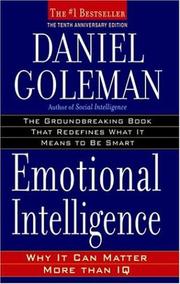
Emotional Intelligence
Goleman argues self awareness and empathy shape success more than IQ alone.
2,026-word summary · 9 min read
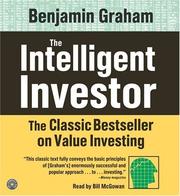
The Intelligent Investor
Graham's 1949 guide teaches Mr Market, margin of safety, and defensive versus enterprising plans for calm stock and bond investing.
2,423-word summary · 11 min read
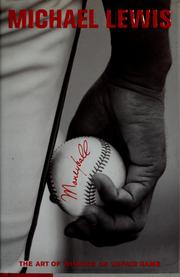
Moneyball
Oakland buys walks and patience to win 103 games on a small payroll in Lewis's 2003 baseball story.
2,955-word summary · 13 min read
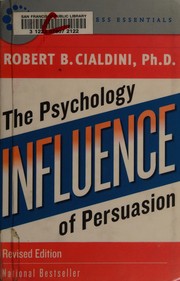
Influence: The Psychology of Persuasion
Six levers plus unity explain why people say yes, learned undercover in salesrooms and labs.
2,030-word summary · 9 min read
Getting Things Done: The Art of Stress-Free Productivity
Capture all, clarify next moves, sort by context, review weekly, and engage calmly like water.
2,030-word summary · 9 min read
Zero to One: Notes on Startups, or How to Build the Future
Thiel argues monopolies create value through vertical progress, not by copying competition.
2,582-word summary · 11 min read
Think and Grow Rich
Hill teaches desire, faith and autosuggestion, distilling lessons from Carnegie interviews into thirteen principles for success.
2,458-word summary · 11 min read
The Power of Habit
Why we do what we do: the cue routine reward loop, keystone habits, and how companies and movements use the same science, from toothpaste to the bus boycott.
2,207-word summary · 10 min read
Rich Dad Poor Dad
Kiyosaki contrasts his poor dad and rich dad to teach assets, liabilities and minding your business.
2,031-word summary · 9 min read
How to Win Friends and Influence People
Carnegie's 1936 guide to getting along offers plain habits for listening, praise, and persuasion. This summary walks through its parts, stories, limits, and…
2,360-word summary · 10 min read
The E-Myth Revisited
Gerber argues that most small businesses are run by technicians who own a job rather than a business, and that the fix is a system that runs without them.
2,169-word summary · 10 min read
Nudge: Improving Decisions About Health, Wealth, and Happiness
Thaler and Sunstein show how defaults, framing, and social cues steer choices, and argue for choice architecture with an opt-out.
3,146-word summary · 14 min read
What Happened to You?
Oprah Winfrey and psychiatrist Bruce Perry explain how early experience shapes the brain, and why asking what happened to someone works better than asking what…
2,238-word summary · 10 min read
The Courage to Be Disliked: The Japanese Phenomenon That Shows You How to Change Your Life and Achieve Real Happiness
A philosopher and an angry young man argue over five nights about Adlerian psychology, trauma, approval, and the freedom to be disliked.
2,054-word summary · 9 min read
Moonwalking with Einstein: The Art and Science of Remembering Everything
A journalist spends a year training for the U.S. Memory Championship and discovers that extraordinary memory is mostly technique, attention, and a lot of…
2,027-word summary · 9 min read
Year of Yes: How to Dance It Out, Stand in the Sun and Be Your Own Person
Shonda Rhimes takes her sister’s accusation seriously and spends a year saying yes to the things that frighten her, from live television to her own reflection.
2,585-word summary · 11 min read
Don't Sweat the Small Stuff ... and It's All Small Stuff: Simple Ways to Keep the Little Things from Taking Over Your Life
Richard Carlson’s 1997 bestseller offers one hundred short chapters on lowering the volume on daily irritations, and it is more pragmatic than its title…
2,502-word summary · 11 min read
Four Thousand Weeks: Time Management for Mortals
Oliver Burkeman turns the whole productivity project on its head, arguing that a human lifespan of roughly four thousand weeks is not a problem to optimize…
2,447-word summary · 11 min read
Breath: The New Science of a Lost Art
Journalist James Nestor investigates how modern humans learned to breathe badly, and what researchers, athletes, and breathwork practitioners have found about…
2,011-word summary · 9 min read