
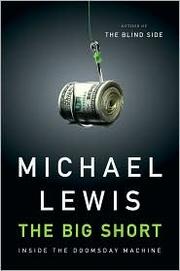
The Big Short: Inside the Doomsday Machine
2,194-word summary 10 min read 264 pages in the book
- First published
- 2010
- Publisher
- W. W. Norton
- Pages
- 264
- ISBN
- 9780393072235
Reading options
What's inside (10 sections)
I read The Big Short because the film entertained me and I wanted the mechanics underneath. Michael Lewis published it in 2010 with W. W. Norton. My reading follows the 264 page hardcover. A handful of outsiders saw the subprime bubble, bet against it, and watched the world burn while getting rich. It is financial journalism that reads like a heist film, funny until the bill arrives.
The premise is simple and damning. Through the 2000s, Wall Street bundled bad mortgages into bonds rated safe, stacked them into CDOs, and sold them globally. When housing fell, the edifice collapsed, taking banks, pensions, and jobs. Lewis follows the few who saw it early. Not regulators. Not CEOs. Misfits with spreadsheets and grudges who read prospectuses nobody else bothered to open.
The men who saw it
Michael Burry leads the book's strangest thread. A neurologist turned fund manager with a glass eye and brutal honesty, he ran Scion Capital from an office cluttered with books and metal music. In 2005 he dug through mortgage bond documents line by line and realized the loans rotted underneath. He bought credit default swaps against subprime, essentially insurance that paid if bonds failed. His investors called him crazy while statements bled fees. He stopped answering phones and kept reading. That patience, borderline pathology turned into edge, fascinates because it looks like madness until it looks like genius. The difference was homework.
Steve Eisman, running FrontPoint Partners, supplies the book's rage. Loud, funny, and grieving a dead infant son, he hated Wall Street's pieties and said so to faces. He shorted the worst lenders after meeting their smug executives and touring Florida subdivisions where maids owned five houses. His rants at conferences, quoted at length, carry the book's moral voltage. These people are not mispricing risk. They are lying. Eisman's fury makes complex fraud legible. Follow the liar's bonus and you find the lie.
Charlie Ledley and Jamie Mai, Berkeley outsiders running Cornwall Capital from a garage with $110,000, show how small players rode the same insight. They bought cheap swaps nobody valued, watched them multiply absurdly, and fought banks to collect. Their chapters read like Ocean's Eleven with Bloomberg terminals. Greg Lippmann at Deutsche Bank, brash evangelist of the short, spread the gospel to anyone who would listen while his own firm kept selling long. His contradictions embody the Street. Believe the trade. Sell the opposite. Collect both fees.
Counterweights ground the story. Howie Hubler at Morgan Stanley bet the other way so hugely his losses topped nine billion, a number Lewis deploys like a hammer. Wing Chau, CDO manager who waved through garbage for fees, represents the machine's middle. AIG's London adjacent gamblers sold infinite insurance without capital. Those portraits prevent the book from becoming a fan club for winners. For every Burry there were a hundred HubLers, and the system paid all of them until it paid none.
How the machine ate itself
Lewis explains the machinery with rare clarity for general readers. Subprime loans to borrowers who could not pay. Mortgage bonds sliced into tranches. CDOs stacking the riskiest slices into new AAA rated piles. Synthetic CDOs multiplying bets without underlying homes. Credit default swaps as side wagers that dwarfed the houses. Rating agencies paid by issuers stamping junk as gold. Each chapter adds one gear until the engine runs visibly toward cliffs. You do not need finance background. You need attention and anger.
His method is character first, jargon second. Every instrument arrives through a person discovering it. Burry finds swaps. Eisman tours subdivisions. Lippmann pitches decks. That delivery keeps pages turning where textbooks stall. Some simplifications annoyed experts. CDO mechanics get compressed. Regulatory history gets sketched. But the shape holds. Smart outsiders read documents. Insiders performed confidence. Everyone else trusted ratings that were bought. The 2015 film, with celebrity cameos explaining tranches in bathtubs and casinos, borrowed exactly this pedagogy. The book did it first with prose.
The crisis chapters move fast and bleak. Bear Stearns falls. Lehman follows. AIG needs rescue. The shorts try to collect while banks stall, paperwork snarls, and Congress improvises bailouts. Burry's fund, vindicated beyond dreams, dissolves under investor fury and his own exhaustion. Eisman watches villains keep bonuses and houses while victims lose both. Cornwall's kids get rich and feel strange about it. Those endings refuse triumph. Winning a bet on catastrophe pays in money and nausea. Lewis lets both sit without resolving into lesson. The system did not learn. Bonuses returned. Reforms thinned.
What elevates the book past explainer is its question about why so few saw. Lewis answers through incentives. To see the bubble was to be unfundable, unemployable, and uninvited. Burry lost clients. Eisman lost friends. The machine selected for blindness and paid for it richly. That selection logic applies beyond finance, which is why the book lasts as parable. Institutions do not reward people who read footnotes and shout. They reward people who smile at decks. Until decks ignite.
What clarifies and what compresses
What clarifies is character driven finance writing at its best. Lewis, ex Salomon Brothers via Liar's Poker, knows trading floors from inside and writes outsiders with affection. His portraits are vivid without worship. Burry's awkwardness. Eisman's grief fueled rants. Lippmann's salesmanship. Those specifics carry abstraction that would sink others. The Guardian called it superbly told terror. Reuters called it the best financial journalism ever. Both blurbs fit. You will understand tranches well enough to explain at dinner, which is test of the genre.
What compresses is history and reform. The book focuses on 2005 to 2008 personalities, giving thin treatment to decades of deregulation, rating agency capture, and housing policy that built the bomb. Its villains are vivid but few. An epilogue notes reforms without digging into Dodd Frank fates. Readers wanting systemic history should pair with histories of the crisis. Readers wanting human entry will find no better door. Know which hunger brought you.
The prose is brisk, funny, and furious. Short chapters. Dialogue heavy scenes. Footnoted asides that translate jargon. Lewis moralizes openly, which suits the material. Pretense of neutrality would insult victims. When he calls behavior theft, he shows receipts first. That order, evidence then verdict, keeps fury credible. Some finance insiders found the tone smug. Most general readers will find it clarifying. Follow the money. Name the takers.
Length at 264 pages suits the sprint. No bloat. A dramatis personae would help newcomers track desks and funds. Keep a finger on the acronyms page if your edition has one. The final pages, with Burry farming almonds and watching water, Eisman warning about the next bubble, and banks bigger than before, land with cold comfort. The trade closed. The casino reopened.
Aftermath without learning
The book's final movement follows money and guilt after the fall with unsparing eyes. Burry, proven spectacularly right, closes his fund under the weight of investor lawsuits and his own disgust. He turns to water and farmland, betting on scarcity itself. That pivot from subprime to soil tells you what vindication cost. He no longer believes markets correct. He believes water flows uphill toward power unless owned. Eisman, who made fortunes calling fraud, watches the fraudulent keep desks, bonuses, and cable invitations. His fury curdles from tactic to temperament. The system did not just fail. It protected its failures.
Cornwall's young winners feel strangest of all. Millions made from a garage insight that banks called joke. They donate, invest, and wonder whether to celebrate skill or mourn the world that priced their insight. Lewis gives them the book's most honest line about survivor's euphoria mixed with shame. Winning a bet on collapse pays in both. That doubleness refuses the victory lap finance memoirs usually demand. No one here thumps chest without checking who got evicted to fund the thump.
Regulatory aftermath gets brisk, bitter treatment. Hearings where executives misremember. Reforms with loopholes preinstalled. Ratings agencies still paid by issuers. Lewis lists these without lingering because lingering would require hope he does not feel. The 2015 film's closing cards update the cynicism with numbers on banks bigger than before. The book's version is quieter and worse. A sentence about bonuses returning says what paragraphs of outrage could not. The machine rebooted with same operators. Only the date changed.
What stays with general readers is not tranches but temperament. Read footnotes. Distrust decks. Ask who gets paid when you sign. Those habits transfer to any bubble, housing or otherwise. Lewis wrote a finance book that functions as civic self defense manual. Keep it near tax forms and mortgage offers. The next pitch is already being printed.
Reading footnotes like Burry
Burry's method deserves practical gloss because readers can copy parts of it. He read prospectuses nobody opened, all several hundred pages, with a neurologist's patience for detail and a misfit's freedom from consensus. When numbers contradicted ratings, he trusted arithmetic over brands. That discipline transfers beyond finance. Read primary documents. Distrust summaries paid for by sellers. Ask what happens if the trend breaks. Those habits suit homebuyers, voters, and patients as much as fund managers. The book functions as literacy course disguised as heist. Enroll by reading one dense document weekly until skimming feels like danger.
Eisman's rage offers complementary method. Visit the thing itself. He toured subdivisions, met brokers, and listened to stated income lies told proudly. That fieldwork confirmed what spreadsheets suggested. Models need ground truthing. Readers can copy this too. Before believing housing narratives, walk streets. Count vacancies. Ask renters. Theory without pavement lies smoothly. Eisman's fury at what he saw fuels the book's most quotable passages, but the procedure underneath matters more than volume. Go look. Then shout with evidence.
What neither method guarantees is timing, and the book is honest about that cruelty. Burry bled fees for two years before collapse. Cornwall nearly broke waiting. Being right early feels identical to being wrong until the turn. That temporal risk keeps the story from becoming instruction manual. Copy the homework. Accept the waiting. Most can not afford either, which is why bubbles persist despite exposés. Homework costs time. Waiting costs money. The machine counts on both shortages.
Lippmann, Hubler, and the machine's middle
Greg Lippmann's role as Deutsche evangelist of doom deserves sharper portrait because he embodies the Street's split brain. He pitched shorts to hundreds while his own desk kept selling long, earning fees both ways with a shrug that curdles. Was he prophet or arsonist with insurance. Lewis lets readers decide while showing the pitch decks verbatim enough to judge. The comedy of his persistence, cold calling skeptics for months, masks tragedy. Truth needed a salesman because institutions bought narratives, not numbers. That dependence on peddlers indicts buyers more than sellers. Do homework or get sold.
Howie Hubler's nine billion loss at Morgan Stanley supplies the necessary mirror of arrogant wrongness. Where Burry studied, Hubler accumulated. Where Eisman raged, Hubler napped through risk reports. Lewis renders him without caricature, a decent family man destroyed by size and certainty. His fall humanizes catastrophe's other side. Wrong bets ruin lives beyond balance sheets. Marriages strain. Reputations vaporize. Remembering Hubler while cheering Cornwall keeps the book morally binocular. Winners danced. Losers bled. Both were people before they were positions.
Film echoes and book depths
The 2015 film adaptation deserves brief comparison because many readers arrive from it. Bale's Burry, Carell's Eisman renamed Baum, Gosling's Lippmann composite, Pitt's Bleich of Cornwall. The movie captures tone and mechanics through fourth wall tricks the book achieves with character patience. Both work. The book gives more Cornwall texture and Hubler tragedy. The film gives faces to fury. Experience both in either order, but let the book's slower accumulation of dread do its work first. Numbers need pages to sink. Bathtubs explain faster than they convince.
What the book keeps that film compresses is waiting. Months of bleeding fees. Years of being called crank. Those durations matter because they explain why so few persist in seeing. Movies montage waiting into seconds. Prose makes you live it across chapters. That lived impatience is the book's secret education. Truth has carrying costs measured in statements and friendships. Pay them or join blindness. Most join. Understanding that choice, really feeling its monthly statements, changes how you read every later crisis headline. Who is paying to be right early now.
Who should shortlist
Give The Big Short to nonfiction readers who want finance made human, to film fans who want the full mechanics behind the Bathtub scene, to citizens who lived 2008 without understanding it. It suits book clubs because blame and reform spark fights. Do not give it to readers who need math proofs or policy tomes. Pair it with Lewis's Liar's Poker for roots and with the film for faces.
At 264 pages I read it in three sittings, underlining swap definitions. Burry starts reading bonds no one opens and ends proven right and emptied out, while Eisman starts shouting and ends unheard by power though heard by readers. That pair, vindicated and sickened at once, is why the book endures past crisis news. Some saw. Most profited from blindness. All of us paid.
FAQ
When was The Big Short published?
W. W. Norton published it in March 2010. The hardcover runs 264 pages and the ISBN is 9780393072235.
Is it part of a series?
No. It stands alone, though Lewis's Liar's Poker covers his own 1980s Wall Street years.
Who are the main figures?
Michael Burry, Steve Eisman, Cornwall Capital's Ledley and Mai, Greg Lippmann, and Howie Hubler's mirror loss.
Similar books
The Total Money Makeover: A Proven Plan for Financial Fitness
Dave Ramsey lays out seven Baby Steps, from a $1,000 starter fund to a paid-off house, with the debt snowball at the center.
2,663-word summary · 12 min read
The World Is Flat: A Brief History of the Twenty-first Century
Thomas L. Friedman's 2005 bestseller argues that technology, trade, and open borders leveled the global playing field, and it names the ten forces that did it.
2,369-word summary · 11 min read
The Millionaire Next Door
Stanley and Danko survey wealthy Americans and find frugal savers living next door, not big spenders, in this 1996 money study.
2,466-word summary · 11 min read
Liar's Poker
Michael Lewis recalls his years as a Salomon Brothers bond salesman in the 1980s, when bluffing paid better than analysis and the mortgage machine was just…
2,405-word summary · 11 min read
Moneyball
Oakland buys walks and patience to win 103 games on a small payroll in Lewis's 2003 baseball story.
2,955-word summary · 13 min read
Prisoners of Geography: Ten Maps That Tell You Everything You Need to Know About Global Politics
Tim Marshall explains how mountains, rivers, coasts, and resources shape the choices of nations, from Russia's flat borders to the chokepoints of the South…
2,328-word summary · 10 min read
The Black Swan
Taleb argues rare shocks shape history more than models admit, and urges safer exposure over prediction.
2,588-word summary · 12 min read
Empire of Pain: The Secret History of the Sackler Dynasty
How the Sackler family sold OxyContin and shaped an overdose crisis while giving to museums.
2,048-word summary · 9 min read
SuperFreakonomics: Global Cooling, Patriotic Prostitutes And Why Suicide Bombers Should Buy Life Insurance
Levitt and Dubner apply incentives to prostitutes, suicide bombers, doctors, and climate fixes with cheeky data.
2,007-word summary · 9 min read
Predictably Irrational
Behavioral economist Dan Ariely shows why we overpay, procrastinate, and misjudge through simple experiments.
2,183-word summary · 10 min read
The Intelligent Investor
Graham's 1949 guide teaches Mr Market, margin of safety, and defensive versus enterprising plans for calm stock and bond investing.
2,423-word summary · 11 min read
The 48 Laws of Power
Robert Greene turns court history into 48 blunt power laws, each taught through stories like Fouquet and Louis XIV, plus reversals that show when each law…
2,846-word summary · 13 min read
David and Goliath: Underdogs, Misfits, and the Art of Battling Giants
Gladwell argues disadvantages can become advantages, from biblical sling to dyslexia and class size.
3,197-word summary · 14 min read
Zero to One: Notes on Startups, or How to Build the Future
Thiel argues monopolies create value through vertical progress, not by copying competition.
2,582-word summary · 11 min read
Rich Dad Poor Dad
Kiyosaki contrasts his poor dad and rich dad to teach assets, liabilities and minding your business.
2,031-word summary · 9 min read
The Zookeeper's Wife: A War Story
The directors of the Warsaw Zoo hid roughly three hundred Jews in empty cages and outbuildings after the German invasion, while Jan worked for the resistance.
2,065-word summary · 9 min read
The E-Myth Revisited
Gerber argues that most small businesses are run by technicians who own a job rather than a business, and that the fix is a system that runs without them.
2,169-word summary · 10 min read
Nudge: Improving Decisions About Health, Wealth, and Happiness
Thaler and Sunstein show how defaults, framing, and social cues steer choices, and argue for choice architecture with an opt-out.
3,146-word summary · 14 min read
Long Walk to Freedom
Mandela's account of a Thembu childhood, a law practice, a banned movement, twenty-seven years in prison, and the negotiation that ended apartheid.
2,454-word summary · 11 min read

1491: New Revelations of the Americas Before Columbus
Charles C. Mann gathers archaeology, ecology, and demography to argue that the Americas before Columbus were older, fuller, and more deliberately shaped than…
2,712-word summary · 12 min read
The DaVinci Code: A Quest for Answers
A short 2006 dialogue in which three friends test Dan Brown's claims about Jesus, Mary Magdalene, Nicaea, and the canon.
2,088-word summary · 9 min read

Nothing to Envy
Barbara Demick follows six defectors from Chongjin through the North Korean famine, showing how ordinary people lived, believed, and finally left.
2,068-word summary · 9 min read
Down and Out in Paris and London
Orwell's account of washing dishes in Paris hotels and tramping through London does not ask for pity, only for a clear look at how poverty actually works.
2,282-word summary · 10 min read
The Wright Brothers
David McCullough tells the story of two self-taught Ohio brothers, working largely alone and out of a bicycle shop, who solved the problem of flight before…
2,027-word summary · 9 min read
Made to Stick: Why Some Ideas Survive and Others Die
The Heath brothers break down why some ideas vanish on contact while others lodge in memory, tracing six traits that make a message stick.
2,527-word summary · 11 min read
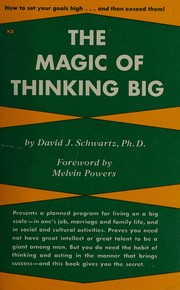
The Magic of Thinking Big
Schwartz's 1959 self-help classic argues that success follows from the size of your thinking, supported by sales anecdotes, vocabulary drills and goal setting.
2,579-word summary · 11 min read

The Magnolia Story
How Chip and Joanna Gaines met, closed their first shop, nearly lost everything in a housing development, and built Fixer Upper.
2,994-word summary · 13 min read
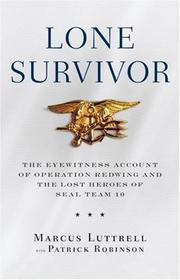
Lone Survivor: The Eyewitness Account of Operation Redwing and the Lost Heroes of SEAL Team 10
Marcus Luttrell's account of the 2005 SEAL mission in Afghanistan that killed three of his team and left him alone.
2,144-word summary · 10 min read
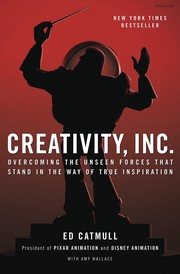
Creativity, Inc.: Overcoming the Unseen Forces That Stand in the Way of True Inspiration
Pixar's president on why the studio that made Toy Story nearly broke itself, and the daily habits that kept the creativity coming.
2,179-word summary · 10 min read

Bury My Heart at Wounded Knee: An Indian History of the American West
Dee Brown's 1970 retelling of the American West from the point of view of the people it destroyed.
2,233-word summary · 10 min read