
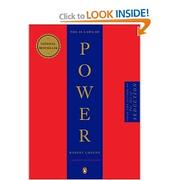
The 48 Laws of Power
2,846-word summary 13 min read 452 pages in the book
- First published
- 1998
- Publisher
- Viking
- Pages
- 452
- ISBN
- 9780670881468
Reading options
What's inside (9 sections)
- Never Outshine The Master, And Do Not Trust Too Easily
- Hide Your Plans, Talk Less, Guard Your Name
- Get Noticed, Then Let Others Carry The Load
- Keep People Close And A Little Dependent
- Know Your Target, Move Boldly, Keep Options In Hand
- Timing, Masks, And Knowing When To Stop
- Roots, Reversals, And My Problems With It
- Key takeaways
- FAQ
I picked up The 48 Laws of Power after hearing it mentioned in locker rooms and boardrooms for years. Rappers praised it. Executives kept it on shelves. Friends warned me it was cold. I expected a short book of tricks. What I found was a heavy 1998 Viking volume, written with Joost Elffers, running 452 pages and built like a museum of ambition. Every law gets the same treatment. A short statement of the rule. A stretch of history that shows it working. A plain reading of what happened. Then a reversal that admits where the rule fails.
That shape matters more than any single law. Greene is not really teaching 48 separate moves. He is teaching one outlook. Power rewards those who watch closely and speak rarely. Courts reward those who flatter with care. Crowds follow those who look certain. The stories stretch across centuries, from Chinese strategists to French ministers to American showmen. Some land hard. Some feel stretched. I finished the book both impressed and uneasy, which seems to be the normal reaction.
The roots sit plainly on the page. Greene leans on Machiavelli and his cool advice to princes about fear and love. He leans on Sun Tzu and his love of misdirection and timing. You can feel both writers behind the shorter laws about silence and surprise. But Greene adds something of his own, a modern hunger for attention. Old court books assumed a small royal circle. This one assumes cameras and crowds. It keeps asking how you look from a distance.
Never Outshine The Master, And Do Not Trust Too Easily
Law 1 sets the tone at once. Never outshine the master. Greene opens with Nicolas Fouquet, the finance minister who threw a dazzling party at his new palace of Vaux le Vicomte for the young Louis XIV. The fountains ran. The food amazed. The plays delighted. Fouquet hoped to prove his worth. Louis felt humiliated in another man's palace and took it as a threat. Within weeks Fouquet was arrested and spent the rest of his life in prison. Greene draws the lesson with care. Make those above you feel brighter and safer, or they will remove you no matter how loyal you claim to be.
I found this chapter convincing because the error is so human. Fouquet was not plotting against the king that night. He was showing off. That was enough. Greene pairs the fall with examples of courtiers who survived by dimming their own light in public while doing strong work in private. Galileo is one of his softer cases, a brilliant man who learned to frame discoveries so patrons felt honored rather than eclipsed. The advice reads as flattery, and partly it is. But anyone who has worked under a proud boss will nod. Praise upward costs little and buys room.
Law 2 turns colder. Never put too much faith in friends, and learn how to use enemies. Greene argues that friends envy and presume, while a former rival who owes you a favor may work harder to prove loyalty. He tells stories of kings who promoted old foes with success, and of friends who turned because familiarity bred contempt. I pushed back here. Real life has plenty of steady friendships that hold under pressure. Still, the warning has a use. Do not hire friends just for comfort. Watch for the friend who wants your post more than your company.
Hide Your Plans, Talk Less, Guard Your Name
Law 3 tells you to conceal your intentions. Keep people guessing about what you want, Greene says, and they cannot prepare a defense. He admires generals who marched one way and struck another, and ministers who smiled through negotiations while holding a second plan. The practical point is modest. Do not narrate your next move in meetings. Ask questions. Let rivals fill silence with guesses. I liked this chapter more than I expected, because it doubles as listening advice. The quiet person in the room often learns the most.
Law 4 follows straight on. Always say less than necessary. Greene warns that talk reveals doubt and gives others material to twist. He admires figures who answered briefly and let weight do the work. Louis XIV himself appears here as a model of few words, a king who let silence pass for majesty. There is truth in it. Long explanations invite attack. Short answers keep control. But taken too far, the law makes a person unreadable in a way that strains normal trust. I kept thinking of team settings where plain speech beats mystery. Greene would reply that courts are not teams. Fair enough. Most offices sit somewhere between.
Law 5 closes the early run. So much depends on reputation, so guard it with your life. Greene treats a name as a kind of armor. A strong one frightens off attacks before they start. A stained one draws them. He shows how smears spread and how hard they are to wash away, and he advises striking back early when lies start. This felt like the most modern chapter. Anyone who has watched gossip move through a school or a workplace knows the pattern. Build a record of steady work. Correct false stories fast. Do not feed them with angry replies that travel further than the lie.
Get Noticed, Then Let Others Carry The Load
Law 6 flips the quiet mood. Court attention at all cost. Greene insists that being ignored is worse than being criticized. He loves the showman P. T. Barnum, who filled newspapers with odd claims and packed halls with curious crowds. He loves artists who picked fights in public to stay in print. The lesson is blunt. Shape how you appear. Stay visible. Mystery can help, but absence kills. I laughed at parts of this and winced at others. The modern pull is obvious. Social feeds reward the loud. Yet the advice sits oddly beside the earlier praise of silence. Greene knows this. He wants you silent about plans and loud about presence.
Law 7 is the one people quote at work. Get others to do the work for you, but always take the credit. Greene shows patrons and ministers who let skilled staff labor while they claimed the shine. Painters ran workshops where pupils filled backgrounds. Inventors lost credit to promoters. The chapter stings because it is often true. Credit drifts upward. Greene tells you to arrange that drift on purpose. I found this useful as defense rather than offense. Once you see how credit moves, you can ask for your name on the work and keep a paper trail.
Law 8 advises making rivals come to you. Use bait if needed. Greene admires traps laid with patience, from sieges that starved cities into surrender to negotiators who waited out eager opponents. Law 9 then teaches winning through actions rather than argument. Greene distrusts debate. Talk breeds resentment, he says, while a clear result ends discussion. Show the better harvest. Ship the better product. Let the record speak. I liked Law 9 best in this stretch. It is the least sneaky rule in the book, and it works in ordinary life. Stop sparring online. Do the thing well.
Law 10 warns against infection from unhappy and unlucky people. Greene writes this harshly, urging distance from chronic complainers and carriers of failure. I think he overstates it. Moods do spread, and some partnerships do drag you down. But friends hit rough years and still deserve loyalty. Read this law as a note on boundaries, not as permission to drop people at the first sign of trouble.
Keep People Close And A Little Dependent
Law 11 tells you to keep people dependent on you. Greene argues that freedom for others means danger for you. The master who needs you keeps you. He shows ministers who guarded methods and favorites who stayed useful by holding one skill nobody else owned. As career advice it is sharp. Learn the task nobody wants to learn. Keep kind ties with many groups so you are hard to cut. As ethics it is narrow. Good leaders also train replacements and share methods. Greene would call that naive. I would call it the difference between a court and a healthy shop.
Law 13 suggests appealing to self interest rather than mercy when you ask for help. Greene has a point that lasts across centuries. People move faster for gain than for gratitude. Frame the request so the other side sees profit or safety. Past favors help less than present reasons. I use a gentler version of this daily. Show why the plan helps them, not just why it matters to me.
Law 15 is brutal. Crush your enemy totally. Greene warns that half beaten foes return with fresh hate. He reaches for stories of rival houses and deposed rulers who were spared and later struck back. Read plainly, this law belongs to war and to palace coups, not to normal disputes. Most workplace rivals are not enemies to crush. They are colleagues you will meet again at the next meeting. I took the usable scrap and left the rest. Settle conflicts fully. Do not leave loose ends that rot.
Law 16 praises absence. Use it to raise respect and honor. Greene notes that scarcity lifts value, from lovers who step back to leaders who ration appearances. Law 18 answers it with a warning. Do not build a fortress around yourself, because isolation cuts you off from news. Greene wants both. Pull back enough to stay prized, but keep lines open to every floor of the building. That pair felt honest to me. Too much presence cheapens you. Too much distance blinds you.
Know Your Target, Move Boldly, Keep Options In Hand
Law 19 slows the rush. Know who you are dealing with, and do not offend the wrong person. Greene sorts the world into types, from proud lions to thin skinned schemers who nurse slights for years. He warns against tricks on people who have nothing to lose. This is one of the wiser chapters, plain self preservation. Before you press, ask what the other side fears and what revenge might cost you.
Law 25 tells you to re create yourself. Greene dislikes fixed roles. He admires figures who changed dress and manner with the hour, from street preachers turned statesmen to actors turned kings of taste. Shape your image on purpose, he says, and do not let others fix it for you. Law 27 plays a similar note on crowds. Work on the need to believe, and offer a cause with color and ritual. Greene studies cult leaders and mass movements with a cold eye. He wants you to see how symbols move people who feel adrift. I read this as a vaccine chapter. Learn the trick so you are harder to trick.
Law 28 urges entering action with boldness. Greene claims that timid plans fail more often than bold ones because doubt spreads to allies and invites attack. He admires commanders who struck first and smoothed doubts later. There is a usefulness here for shy people like me. Hesitation shows. A clear start steadies a room. Still, boldness without homework is just noise. Greene admits as much in the reversal, where he warns against bold moves into fog.
Law 31 teaches control through options. Get others to play with the cards you deal. Greene loves negotiators who offered two paths, both leading where they wanted. Law 33 gets personal. Find each person's thumbscrew, the need or wound that turns them. Greene lists common handles like greed and vanity and fear of shame. He advises quiet study over blunt pressure. I found Law 33 creepy and accurate. People do have handles. Good manners mean not grabbing them without cause.
Law 35 closes this middle run with timing. Never bite off more than the moment allows. Greene, echoing Sun Tzu, praises patience. Wait for the ripe hour. Strike when rivals are tired or split. He scorns those who force events before they are ready. I underlined this one. Most of my own mistakes came from rushing a good idea in a bad month.
Timing, Masks, And Knowing When To Stop
Law 38 advises thinking as you like while behaving like others. Greene warns that odd dress and open dissent make you a target. Blend in, keep strange views private, and save shocks for moments that count. Outsiders will hate this. Team players will see sense. There is a cost either way. Full masking wearies the soul. Open defiance draws fire. Greene picks safety. I would add a middle path. Keep your style, soften the edges, choose two or three fights that matter.
Law 44 loves the mirror. Disarm and anger with the mirror effect. Greene shows how copying an enemy calms them or drives them mad. Seduction manuals, duelists, and diplomats all appear. Done softly, mirroring builds trust in talks. Done sharply, it mocks. I have watched good listeners use the soft form without knowing the name. Repeat the last line. Match the pace. Let the other side feel heard.
Law 45 warns reformers to preach change while moving slowly. Greene argues that sudden reform insults habit and unites foes. He admires rulers who kept old names on new rules and let people adjust. Anyone who has joined a new job and tried to fix everything in week one should sit with this chapter. Learn the old ways first. Change the load bearing walls last.
Law 47 is the one I wish more winners read. Do not go past the mark you aimed for. Greene collects stories of triumphs spoiled by extra grabs, from generals who pressed on into winter to negotiators who squeezed until the deal broke. Victory creates its own blindness. Stop, bank the gain, and leave hungry rivals with nothing to avenge.
Law 48 ends the book with formlessness. Take no fixed shape, Greene says, like water. Plans leak. Spies watch. Fixed forts invite siege. Stay fluid, shift methods, and let enemies strike at mist. After 47 chapters of cunning, this reads like a shrug and a smile. Nothing works always. Stay loose enough to bend when the hour turns.
Roots, Reversals, And My Problems With It
Two roots feed the whole book. Machiavelli gives Greene the hard view of courts, where fear often moves people faster than love and where mercy needs a spine. Sun Tzu gives him the love of ground and season, the habit of winning before fighting through placement and deceit. Greene names both and borrows their stories, from Italian princes to river crossings in old China. Readers who enjoy those classics will feel at home. Readers who want kinder guides should look elsewhere.
The reversals deserve praise. Nearly every law ends with a short passage where Greene admits the opposite can work. Silence helps until it breeds distrust. Boldness wins until it wastes an army. Flattery opens doors until it marks you as a flatterer. These pages save the book from being a mere manual for bullies. They remind you that context rules. A move that saves you in one court hangs you in another. I wish Greene had put this warning on the cover. Use with judgment reads very differently from use always.
Now my problems. First, the moral coldness is real. Greene studies cruelty with interest and rarely pauses to mourn its victims. He admires effective scoundrels and treats decency as a mask rather than a motive. You can learn from a book without adopting its heart, but 452 pages of this chill the room. Second, the history is cherry picked. Each story is trimmed to fit its law, with loose ends cut away. Fouquet fell for many reasons beyond one party, including money and faction fights, yet the chapter makes the party carry the fall. That makes great reading and shaky proof.
Third, the book trains a guarded reading of people that can turn sour. After a week with Greene, every favor looks like bait and every smile looks like a screen. Some of that watchfulness helps in rough offices. Too much of it poisons home life. Friendship needs trust without constant audit. Family needs plain talk without screens. Greene knows courts, not kitchens. Fourth, the advice tilts toward elites. Kings and ministers fill the pages. Assistants and nurses do not. The laws assume you have rank to protect and rivals to outplay. Readers starting out may find less here about plain craft and steady service, which build most careers.
So who should bother. Read it if you work near politics, sales, or fame, where image and timing decide pay. Read it if you want to spot manipulation faster, since seeing the trick named takes away half its force. Skip it if you want team building or moral guidance. Pair it with something warm. I came out warier and a touch sadder, but also harder to fool, and that seems to be exactly what Greene promised on page one.
FAQ
Who wrote The 48 Laws of Power and when was it published?
Robert Greene wrote it with Joost Elffers, first published by Viking in 1998 with 452 pages in the standard edition.
Is the book a history or a self help book?
It reads as both, since each of the 48 laws pairs a historical story with practical interpretation and a short reversal.
Why do some readers dislike it?
Critics call it cold and selective, saying it cherry picks history and trains a guarded outlook that fits some workplaces better than friendships.
Similar books

David and Goliath: Underdogs, Misfits, and the Art of Battling Giants
Gladwell argues disadvantages can become advantages, from biblical sling to dyslexia and class size.
3,197-word summary · 14 min read
The Total Money Makeover: A Proven Plan for Financial Fitness
Dave Ramsey lays out seven Baby Steps, from a $1,000 starter fund to a paid-off house, with the debt snowball at the center.
2,663-word summary · 12 min read
Made to Stick: Why Some Ideas Survive and Others Die
The Heath brothers break down why some ideas vanish on contact while others lodge in memory, tracing six traits that make a message stick.
2,527-word summary · 11 min read

Prisoners of Geography: Ten Maps That Tell You Everything You Need to Know About Global Politics
Tim Marshall explains how mountains, rivers, coasts, and resources shape the choices of nations, from Russia's flat borders to the chokepoints of the South…
2,328-word summary · 10 min read

The World Is Flat: A Brief History of the Twenty-first Century
Thomas L. Friedman's 2005 bestseller argues that technology, trade, and open borders leveled the global playing field, and it names the ten forces that did it.
2,369-word summary · 11 min read
Dare to Lead
Research on courage shows how leaders build trust through vulnerability and clear values.
2,442-word summary · 11 min read

Think Again
Adam Grant argues for holding views loosely and testing them like a scientist, moving past preacher, prosecutor, and politician habits at work and in debate.
3,204-word summary · 14 min read
The Black Swan
Taleb argues rare shocks shape history more than models admit, and urges safer exposure over prediction.
2,588-word summary · 12 min read
Essentialism
McKeown argues for less but better: discern the vital few, refuse the trivial many, and use buffers, small wins, and steady routines so key work gets done well…
2,421-word summary · 11 min read

Empire of Pain: The Secret History of the Sackler Dynasty
How the Sackler family sold OxyContin and shaped an overdose crisis while giving to museums.
2,048-word summary · 9 min read
Drive: The Surprising Truth About What Motivates Us
Pink argues fair pay plus autonomy, mastery, and purpose at work beat carrots and sticks, using FedEx days, ROWE, flow, and clear Goldilocks tasks to explain…
2,339-word summary · 10 min read

SuperFreakonomics: Global Cooling, Patriotic Prostitutes And Why Suicide Bombers Should Buy Life Insurance
Levitt and Dubner apply incentives to prostitutes, suicide bombers, doctors, and climate fixes with cheeky data.
2,007-word summary · 9 min read

Predictably Irrational
Behavioral economist Dan Ariely shows why we overpay, procrastinate, and misjudge through simple experiments.
2,183-word summary · 10 min read

Emotional Intelligence
Goleman argues self awareness and empathy shape success more than IQ alone.
2,026-word summary · 9 min read

A Beautiful Mind
Mathematician John Nash's brilliant game theory rise, schizophrenia collapse, and Nobel return, with wife Alicia's care.
2,142-word summary · 10 min read

The Psychopath Test
A journalist scores CEOs and Broadmoor men on the Hare checklist.
1,937-word summary · 9 min read
The Big Short: Inside the Doomsday Machine
Outsiders who read the bonds shorted subprime and watched the machine eat itself in 2008.
2,194-word summary · 10 min read
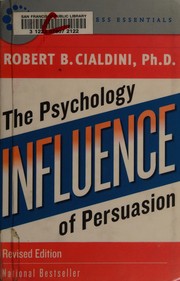
Influence: The Psychology of Persuasion
Six levers plus unity explain why people say yes, learned undercover in salesrooms and labs.
2,030-word summary · 9 min read
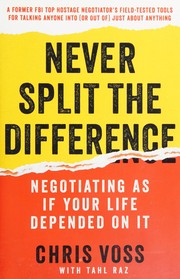
Never Split the Difference
Ex-FBI hostage negotiator Chris Voss shares tools for high stakes talks, from mirroring to calibrated questions. His 2016 book is direct, story driven, and…
2,965-word summary · 13 min read
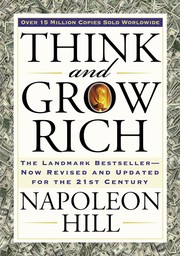
Think and Grow Rich
Hill teaches desire, faith and autosuggestion, distilling lessons from Carnegie interviews into thirteen principles for success.
2,458-word summary · 11 min read

Who Moved My Cheese?
A tiny parable about two mice and two little people hunting cheese in a maze, and why adapting to change beats waiting for old days to return.
2,533-word summary · 11 min read
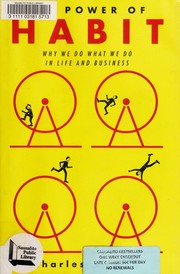
The Power of Habit
Why we do what we do: the cue routine reward loop, keystone habits, and how companies and movements use the same science, from toothpaste to the bus boycott.
2,207-word summary · 10 min read
The Tipping Point: How Little Things Can Make a Big Difference
How tiny shifts push ideas and products past a tipping point into epidemics.
2,014-word summary · 9 min read
Outliers: The Story of Success
Success comes from practice, timing, and hidden chances more than talent alone.
1,934-word summary · 9 min read
Deep Work: Rules for Focused Success in a Distracted World
Cal Newport's Deep Work in full: what focused work actually is, why shallow busyness wins by default, and the four philosophies he recommends for protecting…
2,138-word summary · 10 min read

The Zookeeper's Wife: A War Story
The directors of the Warsaw Zoo hid roughly three hundred Jews in empty cages and outbuildings after the German invasion, while Jan worked for the resistance.
2,065-word summary · 9 min read
The E-Myth Revisited
Gerber argues that most small businesses are run by technicians who own a job rather than a business, and that the fix is a system that runs without them.
2,169-word summary · 10 min read

Sybil
A 1973 case study of a woman treated for multiple personalities, and the book that made dissociative identity disorder a household phrase.
2,054-word summary · 9 min read
Nudge: Improving Decisions About Health, Wealth, and Happiness
Thaler and Sunstein show how defaults, framing, and social cues steer choices, and argue for choice architecture with an opt-out.
3,146-word summary · 14 min read

Long Walk to Freedom
Mandela's account of a Thembu childhood, a law practice, a banned movement, twenty-seven years in prison, and the negotiation that ended apartheid.
2,454-word summary · 11 min read