
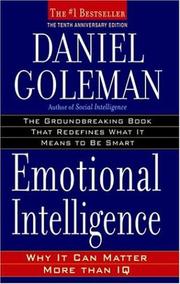
Emotional Intelligence
2,026-word summary 9 min read 352 pages in the book
- First published
- 1995
- Publisher
- Bantam Books
- Pages
- 352
- ISBN
- 9780553383713
Reading options
What's inside (8 sections)
I first met Emotional Intelligence as a battered office copy with coffee rings, passed around like folklore. Daniel Goleman published it in 1995 with Bantam Books, a 352 page edition with ISBN 9780553383713. It is a standalone popular science book about why self awareness and empathy shape success more than IQ alone. Goleman, a psychologist and New York Times science writer, synthesizes brain research into stories managers actually read. Some claims date. The core still helps if you work with people, which is everyone.
His question is simple. Why do smart people fail. Why do average students become stars. IQ predicts school grades, not life. What predicts is emotional intelligence, five parts. Self awareness, knowing what you feel. Self regulation, handling impulses. Motivation, working for more than money. Empathy, reading others. Social skill, handling relationships. None are fixed at birth. All can be learned with practice. That promise made the book a bestseller and a training industry.
Goleman opens with brain architecture. Amygdala hijacks. A threat signal reaches feeling brain before thinking brain. You snap, freeze, flee before reason votes. He tells stories of pilots, surgeons, parents who acted fast and wrong. Then he shows how pause helps. Breathe. Name. Reappraise. The thinking brain catches up. This is not new now. In 1995 it felt revolutionary to managers who prized reason. Reading now, the neuroscience is simplified but directionally right. Feelings lead. Reason edits if given time.
Schools and families
The strongest chapters for me are about childhood. Goleman argues temperament is not destiny. Shy kids can learn courage with practice. Hot tempered kids can learn pause with coaching. He visits schools teaching Self Science, naming feelings, resolving fights with words, calming before deciding. Results impress. Less bullying. Better grades. Kids who can say I am angry because carry less into fists. As a parent, I borrowed the language. Name it to tame it works at dinner tables, not just labs.
Family crucible chapters hit harder. How parents fight teaches more than what they say. Contempt, stonewalling, flooding predict divorce better than topics. Children learn by watching. Warm, firm homes build regulation. Chaotic or cold homes build hijacks. Goleman does not blame parents. He shows cycles and exits. Apologize after yelling. Repair matters more than perfection. I tried repair scripts after reading. I am sorry I shouted. I felt rushed, not angry at you. It felt awkward and helped. Kids forgave faster than I forgave myself.
Trauma and relearning get honest pages. Early wounds wire alarms loud. Therapy, practice, safe relationships can rewire, slowly. Goleman cites programs for veterans, abused kids, that teach calming first, talking second. He warns against flooding without safety. That caution dates well. Modern trauma care agrees. Safety, choice, pacing. The book does not promise cure by insight. It promises training over time. That humility keeps it useful after fads faded.
The cost of illiteracy chapter lists what happens without skills. Dropouts, violence, addiction, teen pregnancy. Numbers from the 1990s shock. Some improved since, some worsened. Goleman argues prevention beats repair. Teach feelings in school like math. Fund counselors. His policy push helped social emotional learning spread. Schools now teach naming, breathing, listening. Imperfectly, but widely. That legacy matters more than any single study.
Work and leadership
Work chapters made the book famous in offices. Goleman studied star performers at companies. IQ and technical skill got them hired. Emotional skills made them stars. Top leaders listened, adapted, inspired. Average ones micromanaged, blamed, froze. Difference was not charisma. It was self awareness plus empathy plus regulation. He breaks each into signs. Self aware leaders admit mistakes. Regulated leaders pause before emailing angry. Motivated leaders care beyond bonus. Empathic leaders hear quiet voices. Skilled leaders build teams, not followers.
Managing with heart stories stick. A plant manager who learned names and asked about families cut accidents. A sales team that shared credit outsold lone wolves. A hospital unit that debriefed feelings cut errors. None of this is magic. It is attention. Goleman gives practices. Morning check ins. Feedback that names behavior, not character. After action reviews without blame. My team tried one, two minute feelings at standup. Awkward first week. Useful by third. We caught burnout early because someone said tired out loud.
What makes a leader, his Harvard article folded into later editions, argues EI matters more higher up. Junior work needs skill. Senior work needs judgment with people. Without EI, smart executives derail. They hire clones, ignore warnings, explode under stress. With EI, they build diverse teams that argue well. Data from 200 large companies supports, though critics note correlation not proof. Still, anyone who worked for a brilliant jerk nods. IQ did not save those quarters.
The book also warns about dark EI. Con artists read people well. Manipulators regulate to deceive. Skills without values harm. Goleman insists on character, compassion, ethics. Training should include why, not just how. That note often gets skipped in corporate workshops that want tricks. Read the full chapters, not summaries, to keep moral center.
What dates and what lasts
Fair criticism is needed and serious. The book overclaims from small studies. Marshmallow test, SAT links, brain images, all more complex now. Replications softened some effects. Goleman revised in later work, but this edition keeps 1995 confidence. Read it as map, not law. The five part model overlaps. Tests measure it poorly. Critics argue EI is personality renamed. There is truth there. Still, naming skills helps practice even if science is messy.
Examples skew corporate American male. Factory managers, executives, soldiers. Women, care workers, gig staff appear less. Their emotional labor, often unpaid, gets little credit. A nurse regulating all shift knows EI better than any CEO. The book nods but moves back to boardrooms. Translate with care. If you lead a clinic, classroom, or kitchen, adapt stories to your stakes. Principles hold. Pay, respect, rest matter more than posters.
Style helps longevity. Clear stories, no jargon walls, appendices with brain details for nerds. Goleman writes as journalist, not guru. He cites, admits gaps, suggests practices. At 352 pages, middle sags with program lists. Skim appendices if needed, but do not skip family and school chapters. They age best.
How I use it
I keep a card from the book on my desk. Name it. Pause. Ask. Name what I feel in one word. Pause sixty seconds before sending hard notes. Ask what the other person needs, not just what I want. Those three cut my email fights by half. At home, repair scripts work. At work, check ins work. None make me smart. All make me less hijacked.
For teams, I added training snacks. Teach one skill a month. January naming. February listening. March feedback. Practice in meetings, not offsites. Measure by fewer blowups, not survey scores. It works slowly, which frustrates bosses wanting quick wins. Tell them EI compounds like interest. Small deposits, large returns over years.
Read the Bantam 1995 text for original, 352 pages, ISBN 9780553383713. Later anniversary editions add intros but core stays. Pair with Thinking Fast and Slow for deeper brain, or with Nonviolent Communication for scripts. This book is the friendly start that got EI into language. We still need it, online more than ever, as jobs automate and kids learn feelings from screens. Stand out by being steady, kind, and clear. That is the whole book in one line. Practice it daily.
Hijacks, empathy, and practice
Hijack stories need retelling because they stick. Goleman tells of a pilot who snapped at crew, a surgeon who threw tools, a father who yelled at a game. Each acted before thinking, then regretted in the thinking brain that arrived late. The fix he offers is not calm down, which never works mid flood. It is notice early, breathe, label, delay. Notice heat in chest. Breathe four counts. Label, I feel disrespected, not I am disrespected. Delay reply by minutes. Those steps sound small. In hijack they are huge because they give thinking brain time to board. I practiced with email drafts. Write angry, save, walk, reread. Nine times out of ten I soften. The tenth I still send too fast and apologize. Practice, not perfection.
Empathy chapters go beyond feel sorry. Goleman breaks empathy into reading faces, hearing tone, sensing unspoken. He cites studies where managers who could read mood accurately got better results, not because they were nice, but because they adjusted. Tell bad news plainly to anxious teams. Give space to grieving ones. Push confident ones harder. That tuning is skill, not trait. He offers exercises. Watch meetings with sound off. Guess feelings. Check by asking. I tried in one meeting and guessed wrong twice. Asking corrected. The team laughed and taught me. Being wrong openly built more trust than being right silently. That is EI in action, clumsy and useful.
Social skill as handling relationships gets practical too. Influence without authority. Resolve fights without winners and losers. Build bonds before needing them. Goleman tells of engineers who shared coffee and later solved crises faster because they knew whom to call. Of nurses who learned names of aides and cut errors because aides spoke up. The lesson is unglamorous. Talk to people before you need them. Say thanks specifically. Apologize quickly. These habits compound. My desk card now says, bond before need. I fail often, skipping hellos when busy. When I remember, work flows easier. No magic. Just deposits.
Schools that teach this well do not add a class. They weave into day. Morning greetings by name. Calm corners, not punishment corners. Feeling words on walls. Conflict scripts posted. Teachers model, I feel frustrated when noise rises, so I will pause. Students copy. Goleman visits such schools and reports less fighting, better focus. Critics say effects fade. Probably true without upkeep. Gardens need tending. Still, tending beats paving. If you parent or teach, start with one routine. Greet each child. Name one feeling daily. Practice repair after rupture. Small, steady, enough.
Marriage, medicine, and repair
Intimate enemies chapter hits home for couples. Goleman cites Gottman research on contempt, stonewalling, flooding. Eye rolls predict divorce better than fights. Repair attempts, humor, touch, apology, predict staying. I recognized my own marriage in those pages. We fight about dishes, but contempt slips in tone. Reading together helped. We made a rule. No eye rolls. Call pause when flooded. Return within hours, not days. It sounds clinical. It saved evenings. Love needs skills, not just feelings. That message, unromantic and true, is the book gift to partners willing to practice.
Medicine chapters argue feelings shape health. Stress slows healing. Loneliness raises risk. Support groups improve outcomes. Doctors who listen get better adherence. None of this denies germs. It adds context. A patient scared and alone heals slower than one calm and held. Hospitals that allow family, that explain plainly, that ask about fear, do better. I used this with a parent surgery. Asked nurse to explain steps. Stayed overnight. Brought familiar blanket. Recovery went smoothly, or felt smoother because we participated. Goleman would nod. Care is treatment, not extra.
Repair as theme closes the book wisely. Apologize. Relearn. Retrain. Brains change with practice at any age, though slower. Teams can learn after blowups. Schools after fights. Families after divorces. The book ends not with triumph but with curriculum. Teach feelings. Practice calm. Measure by fewer harms. That modesty suits science and life. We will still hijack. We will catch sooner. We will repair faster. Enough to work, love, and parent a little better tomorrow than today. Keep the card on desk. Name, pause, ask. Repeat daily. Small deposits compound over years into trust that survives bad quarters and hard nights. Teams that practice outperform brilliant groups that scorn feelings. Families that repair raise steadier kids. Schools that teach calm graduate kinder adults. None of this is quick. All of it is learnable with patience and practice every ordinary day.
Practice compounds quietly. Teams that greet, listen, and repair outperform brilliant cold groups over years. Families that name feelings raise kids who can argue without wounding. Schools that teach calm graduate adults who can disagree without contempt. Keep going.
FAQ
When was Emotional Intelligence published?
Bantam Books published it in 1995. The edition runs 352 pages with ISBN 9780553383713.
Is it part of a series?
No. It is a standalone popular science book, followed by Working with Emotional Intelligence.
Who should read it?
General readers, managers, teachers, and parents. No psychology training needed.
Similar books

Moonwalking with Einstein: The Art and Science of Remembering Everything
A journalist spends a year training for the U.S. Memory Championship and discovers that extraordinary memory is mostly technique, attention, and a lot of…
2,027-word summary · 9 min read
The Total Money Makeover: A Proven Plan for Financial Fitness
Dave Ramsey lays out seven Baby Steps, from a $1,000 starter fund to a paid-off house, with the debt snowball at the center.
2,663-word summary · 12 min read
Made to Stick: Why Some Ideas Survive and Others Die
The Heath brothers break down why some ideas vanish on contact while others lodge in memory, tracing six traits that make a message stick.
2,527-word summary · 11 min read

Attached
A psychiatrist and a psychologist explain adult attachment styles and show how anxious, avoidant, and secure patterns shape dating, conflict, and the search…
2,157-word summary · 10 min read
Dare to Lead
Research on courage shows how leaders build trust through vulnerability and clear values.
2,442-word summary · 11 min read
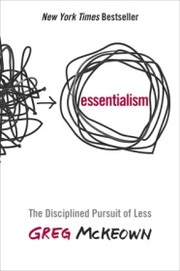
Essentialism
McKeown argues for less but better: discern the vital few, refuse the trivial many, and use buffers, small wins, and steady routines so key work gets done well…
2,421-word summary · 11 min read
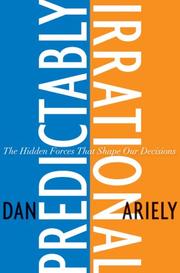
Predictably Irrational
Behavioral economist Dan Ariely shows why we overpay, procrastinate, and misjudge through simple experiments.
2,183-word summary · 10 min read
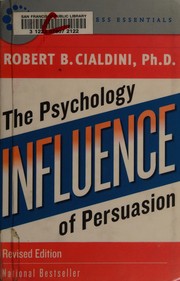
Influence: The Psychology of Persuasion
Six levers plus unity explain why people say yes, learned undercover in salesrooms and labs.
2,030-word summary · 9 min read
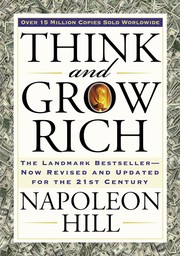
Think and Grow Rich
Hill teaches desire, faith and autosuggestion, distilling lessons from Carnegie interviews into thirteen principles for success.
2,458-word summary · 11 min read
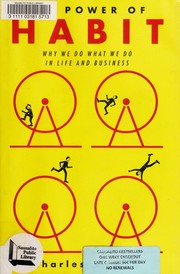
The Power of Habit
Why we do what we do: the cue routine reward loop, keystone habits, and how companies and movements use the same science, from toothpaste to the bus boycott.
2,207-word summary · 10 min read
What Happened to You?
Oprah Winfrey and psychiatrist Bruce Perry explain how early experience shapes the brain, and why asking what happened to someone works better than asking what…
2,238-word summary · 10 min read

The Courage to Be Disliked: The Japanese Phenomenon That Shows You How to Change Your Life and Achieve Real Happiness
A philosopher and an angry young man argue over five nights about Adlerian psychology, trauma, approval, and the freedom to be disliked.
2,054-word summary · 9 min read
Don't Sweat the Small Stuff ... and It's All Small Stuff: Simple Ways to Keep the Little Things from Taking Over Your Life
Richard Carlson’s 1997 bestseller offers one hundred short chapters on lowering the volume on daily irritations, and it is more pragmatic than its title…
2,502-word summary · 11 min read

Four Thousand Weeks: Time Management for Mortals
Oliver Burkeman turns the whole productivity project on its head, arguing that a human lifespan of roughly four thousand weeks is not a problem to optimize…
2,447-word summary · 11 min read
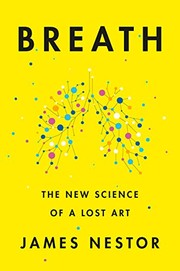
Breath: The New Science of a Lost Art
Journalist James Nestor investigates how modern humans learned to breathe badly, and what researchers, athletes, and breathwork practitioners have found about…
2,011-word summary · 9 min read
The Magic of Thinking Big
Schwartz's 1959 self-help classic argues that success follows from the size of your thinking, supported by sales anecdotes, vocabulary drills and goal setting.
2,579-word summary · 11 min read
The Road Less Traveled: A New Psychology of Love, Traditional Values and Spiritual Growth
M. Scott Peck argues that maturity begins with accepting difficulty, then builds discipline, love, and spiritual growth through honest, often painful work.
2,200-word summary · 10 min read
All About Love: New Visions
bell hooks borrows a definition of love as an action rather than a feeling, then spends thirteen chapters showing how hard it is to practice.
2,385-word summary · 11 min read
How to Stop Worrying and Start Living
Carnegie offers day-tight routines for worry built from interviews and worker stories.
2,505-word summary · 11 min read
10% Happier
An ABC newsman panics on air, then finds meditation without losing his edge.
2,590-word summary · 12 min read
Think Again
Adam Grant argues for holding views loosely and testing them like a scientist, moving past preacher, prosecutor, and politician habits at work and in debate.
3,204-word summary · 14 min read
The Black Swan
Taleb argues rare shocks shape history more than models admit, and urges safer exposure over prediction.
2,588-word summary · 12 min read
Braving the Wilderness: The quest for true belonging and the courage to stand alone
Belonging to yourself first lets you stand alone and still stay close to others.
2,004-word summary · 9 min read

The Untethered Soul
Singer names the noisy inner voice and shows how watching thoughts, loosening old hurt, and keeping the heart open through surrender can ease daily suffering…
2,752-word summary · 12 min read
The Millionaire Next Door
Stanley and Danko survey wealthy Americans and find frugal savers living next door, not big spenders, in this 1996 money study.
2,466-word summary · 11 min read
The Art of Happiness
The Dalai Lama and psychiatrist Howard Cutler link lasting happiness to training the mind, human warmth, compassion, and basic spiritual values for daily life.
3,394-word summary · 15 min read
Drive: The Surprising Truth About What Motivates Us
Pink argues fair pay plus autonomy, mastery, and purpose at work beat carrots and sticks, using FedEx days, ROWE, flow, and clear Goldilocks tasks to explain…
2,339-word summary · 10 min read
SuperFreakonomics: Global Cooling, Patriotic Prostitutes And Why Suicide Bombers Should Buy Life Insurance
Levitt and Dubner apply incentives to prostitutes, suicide bombers, doctors, and climate fixes with cheeky data.
2,007-word summary · 9 min read
Grit
A psychologist argues sustained passion plus perseverance beats raw talent, and shows how grit can be grown.
2,432-word summary · 11 min read
A Beautiful Mind
Mathematician John Nash's brilliant game theory rise, schizophrenia collapse, and Nobel return, with wife Alicia's care.
2,142-word summary · 10 min read