
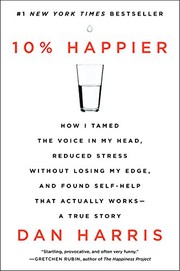
10% Happier
2,590-word summary 12 min read 256 pages in the book
- First published
- 2014
- Publisher
- Dey Street Books
- Pages
- 256
- ISBN
- 9780062265425
Reading options
What's inside (8 sections)
I picked up 10% Happier because a friend who works nights kept saying it was the only self help book that did not make him roll his eyes. Dan Harris published it with Dey Street Books in 2014, a 256 page memoir with ISBN 9780062265425. The hook sounded simple. An ABC newsman panics on live television, then stumbles into meditation while trying to keep his ambition intact. I expected either a conversion story or a debunking. What I got was messier, which made it easier to trust.
Harris calls the book an argument dressed as a memoir. The argument is that meditation is practical brain training. The memoir is how a self described skeptic got there after war reporting, drug use, and years of chasing status inside network news. He is frank about wanting success and scared of losing his edge. That tension runs through every chapter. He does not want to go soft. He wants to sleep better and react less wildly without quitting his job.
My copy is creased at the retreat chapters. Those pages got damp on a train ride.
The morning it fell apart on air
The opening scene takes place on June 7, 2004, on the set of Good Morning America. Harris was filling in for Robin Roberts as news reader. Ratings counted in the millions. He had done live shots from war zones without freezing. This time, in the middle of a voice over, panic rose fast through his shoulders and head. His heart raced. His breath shortened. Words stopped coming in the normal order. He managed to finish the segment, but clips circulated inside ABC for a long time afterward.
Harris connects that morning to months of buildup rather than a single bad day. He had spent extended stretches in Iraq after 2001. He describes the pull of combat reporting as addictive, with danger and purpose mixed together. Coming back to New York left him low and restless. He started using cocaine and later admitted to depression. Even after he stopped using, the internal pressure stayed loud. He calls it the voice in the head, a running commentary that replays mistakes and predicts failure.
Air hunger is his phrase for two kinds of craving at once. He wanted more airtime and he could not get enough air during panic. It is a neat phrase without sounding rehearsed. Colleagues noticed the change before he did. He was argumentative in meetings and quick to assume slights. Sleep suffered. He tried to power through with longer hours, which only tightened the loop.
What makes this section work is how little Harris excuses himself. He does not blame producers or claim burnout as a badge. He says he made reckless choices and ignored warning signs. He also does not pretend the panic attack gave him instant insight. At the time he was embarrassed and focused on damage control inside the newsroom. Insight came later, in small pieces, after his wife pushed him to look at stress differently.
War highs and the crash after
Before the panic, Harris built his identity around being useful in dangerous places. After September 11, he pushed to report from abroad. He got to Iraq and Pakistan and filed stories that raised his profile at ABC. Peter Jennings became a mentor figure, exacting and generous in the way Harris describes him. There were hotel lobbies with bad coffee and long waits for embeds. There were fixes and translators doing far more risk for far less credit. Harris gives those details quickly, without lingering for effect.
The crash back home is rendered with more patience. He writes about returning to an apartment that seemed too quiet. Errands seemed dull after checkpoints. He missed the clarity of having one task per day. That restlessness tipped into drug use at parties and then alone. He is specific about shame without turning it into a set piece. He went to work hungover. He covered his tracks. He told himself he had it under control because ratings were still decent.
Then Jennings became ill and later died, which shook Harris more than he expected. Grief mixed with career anxiety. Who would protect his spot. Whether he was serious enough for the big chair. Whether weekends would ever stop revolving around the assignment desk. Around the same time, his body kept signaling distress. Stomach trouble before broadcasts. Racing thoughts at 3 a.m. A short fuse with camera crews.
As Harris tells it, and I might be mixing the order of a couple assignments here, the drug chapter closed before the mental loop did. Getting clean removed one source of volatility. It did not quiet the commentary. That distinction matters for the rest of the book. He was not looking for euphoria. He was looking for a way to turn down volume without checking out of a competitive workplace.
If you have worked in news, hospitals, trading floors, or kitchens, this stretch will read as familiar. The details are television specific. The pattern is wider. High activation followed by flatness. Self medication. More work as medicine. Harris does not moralize about it. He reports it, then moves on to what he tried next.
A skeptic sent to cover faith
ABC assigned Harris to the religion beat, which he admits he resented at first. His attitude toward faith, in his own telling, ran from indifference to open scorn. He thought the assignment would stall his path toward anchor work. Instead it put him in rooms with preachers, gurus, and authors who forced him to ask what helped people calm down.
Two encounters get extended treatment. One is with Eckhart Tolle, author of The Power of Now. Harris went in ready to mock vague language about presence. He came out intrigued by Tolle's description of compulsive thinking, even while finding the man odd in person. The other is with Deepak Chopra, who struck Harris as polished and commercial. Harris does not hide his irritation during that interview. He questions whether products and seminars dilute any useful method underneath.
The Ted Haggard story sits in the middle of this stretch. Haggard was then a prominent evangelical pastor. Harris covered the rise and the scandal that followed. I will not recap the details here beyond saying Harris uses the episode to show how certainty can curdle. He contrasts public moral claims with private behavior without gloating. For a skeptic, it confirmed suspicions about performance. For a reporter, it raised a harder issue about his own blind spots.
This is also where Harris starts asking friends about stress tools that do not require belief. He reads. He argues over dinners. He tries short breathing exercises with mixed results. He worries, reasonably, that any interest in meditation will get him labeled as flaky inside a macho news culture. That worry shapes the tone of the whole book. He keeps testing claims against studies and keeps asking teachers for plain instructions.
Some readers may grow impatient here. The media anecdotes pile up. Names, green rooms, ratings battles. If you came for meditation steps, you wait a while. My take is that the wait serves a purpose for skeptical readers, though Harris could have cut twenty pages of score settling. The point that survives the clutter is simple. He tried dismissal first. Dismissal did not lower his blood pressure.
Sitting down with the Jew-Bus crowd
The turn comes through his wife Bianca, who hands him a book by Mark Epstein, a psychiatrist who writes about Buddhism and psychotherapy. Harris meets Epstein and likes that Epstein does not ask for faith. Epstein talks about the mind as trainable and suggests sitting practice as a starting point. He points Harris toward Joseph Goldstein and Sharon Salzberg, teachers in the Insight Meditation Society tradition. Harris jokes about the Jew-Bus label, meaning Jewish teachers of Buddhist methods, and the joke works because the teachers themselves use humor about it.
Goldstein gives Harris basic vipassana instructions. Sit upright. Pick a spot where breath is clear, maybe nostrils or belly. Notice in breath and out breath. When attention wanders, notice that too, then return. No drama. Return counts as the rep. Harris tries five minutes and hates how busy his mind sounds. He tries again the next day. Slowly the practice becomes less abstract. He notices the gap between a trigger and a reaction at work. A producer changes a script at the last minute. Instead of snapping, he pauses half a beat longer than usual.
Salzberg introduces loving-kindness, or metta, which asks the sitter to direct goodwill first toward self, then toward a benefactor and friends, then toward difficult people. Harris resists this part. It sounds sentimental to him. He sticks with it partly because studies he reads suggest social emotions can shift with repetition. He practices phrases silently on the subway. He tries them before difficult conversations. He reports becoming marginally less reactive with colleagues, which colleagues apparently noticed before he did.
The voice in the head does not vanish. Harris is clear about that. What changes is distance. He can hear the commentary as commentary rather than orders. He describes responding to email with less heat. He describes listening longer in interviews instead of planning the next question while the guest speaks. Small adjustments. He frames them as ten percent improvements, not transformation.
I tried the five minute version for a week while reading. Mornings were easier when I sat before checking messages. Afternoons still slid. That uneven result lines up with what Harris describes across months. Some sits settle. Many do not. Progress shows up sideways, in a meeting that goes slightly better, rather than as bliss on the cushion.
Retreat, loving-kindness and the return to work
The middle of the book follows Harris to a silent retreat, first for a weekend and later for a longer ten day stretch. No phones. No eye contact games. Simple food. Long hours sitting and walking. Knees ache. Backs ache. Minds race through old arguments and grocery lists. Teachers give short talks in the evening. Participants meet briefly with instructors to adjust posture and method.
Harris is funny about discomfort without making himself the hero. He counts breaths. He loses count. He replays career grievances. He plans remarks he will never deliver. He suspects the people sitting so still around him must know something he does not. Then a teacher normalizes the chaos. Everyone's mind does this. The work is to notice and begin again. That permission helps more than any technique tip.
Loving-kindness returns here in a stronger dose. Harris practices goodwill toward himself and toward people he clashes with at work. He admits looking foolish at first. One evening he describes a wave of warmth that surprised him after days of irritation. He does not inflate it into awakening. He treats it as data.
Coming back to the newsroom creates fresh friction. How do you talk about retreat without sounding like you joined something. Harris coins Hide the Zen as a rule for himself. Do the practice. Do not preach. Do not use jargon in meetings. If asked, speak in plain terms about focus and recovery. That stance helps him keep credibility with colleagues who would tune out at words like mindfulness.
He also starts looking at science with more care. He visits labs and reads papers about attention and stress physiology. He is careful, at least in the 2014 text, to say research is early and often small sample. Meditation seems to help with focus and emotional reactivity for many people. It is not a cure for illness. It does not replace therapy or medicine. That caution reads better now than much of the hype from that era.
The retreat chapters run long. Beds, bells, blisters. Readers who want steps may skim. Readers who have sat a retreat will recognize the rhythm. Boredom, pain, brief ease, boredom again. Harris could have trimmed descriptions of meals and hallways. He keeps them, I think, to show that insight arrives inside tedium rather than apart from it.
What holds up and what wears thin
The strongest claim in 10% Happier is modest by design. 10% signals a limit. Harris says meditation made him calmer and kinder without making him passive. He still chases stories. He still wants to win. He argues that non attachment to results can actually help performance because panic narrows focus. Letting go of the outcome, in his usage, means preparing hard and then not strangling the moment. Athletes will recognize the idea. So will anyone who has blanked during an exam.
The chapter on compassion at work extends that point. Harris lists working rules for himself, including not being a jerk under deadline and apologizing faster after snapping. He ties them to practice rather than to image management. Colleagues quoted in passing seem to confirm a shift. Whether that shift lasted every week is harder to know, and Harris admits backsliding. He still gets cranky. He still checks ratings. The honesty about relapse helps more than a clean success story would.
Criticism belongs here too. The book leans heavily on access. Famous teachers, network green rooms, book parties. Readers outside media may wonder how the method translates to shift work with less schedule control. Harris nods to apps and short sits, but most examples come from a life with producers and assistants. A nurse working nights may need a different on ramp. Harris does not fully build that bridge.
Science coverage also shows its date. In 2014 he was right to call the field young. Since then more trials have appeared with mixed findings, which he acknowledges in later editions and on his podcast. If you read the original Dey Street Books text straight through, pair it with a current review of meditation research rather than treating his summary as final. The core practice instructions hold. The claims about benefits should be read as tentative rather than settled.
Prose style splits the difference between newsroom and memoir. Short paragraphs. Punchy asides. When he sticks to scenes he witnessed, the writing moves. When he settles scores with rival shows, attention dips. You can skim those pages and miss little.
Who might get value here. Newcomers who distrust incense and chanting. Lapsed meditators who need permission to start at five minutes. Who might bounce off it. Readers wanting Buddhist philosophy in depth. Readers needing trauma informed guidance, since Harris touches on trauma lightly and points elsewhere.
Facts for the shelf are straightforward. First published in 2014 by Dey Street Books. Print length often listed as 256 pages in hardcover with ISBN 9780062265425. No series. Tags that fit are memoir and nonfiction with self help plus psychology and spirituality. Harris later built a podcast and an app under the same name, but the book stands alone.
I closed it with a shorter morning routine and a lower bar for success. Sit before screens. Track breath for a few minutes. Send one kinder email before noon. None of that makes a poster. All of it survived past the last page, at least for a few weeks, which is more than most advice books manage in my apartment.
My notes from the margins show the uneven pattern. Check marks beside breath instructions and the Hide the Zen rule. Question marks beside lab visits and celebrity anecdotes. A coffee ring over the loving-kindness pages. That distribution seems right for a book that promises ten percent and mostly delivers it in the least flashy chapters.
FAQ
When was 10% Happier published?
Dey Street Books published it in 2014. The hardcover runs 256 pages with ISBN 9780062265425.
Is meditation in the book tied to religion?
Harris writes as a skeptic who learned from Buddhist teachers but keeps the method secular and practical for work and daily life.
Does Harris say meditation will fix everything?
No. He frames the gain as ten percent, with continued stress and flaws, not a full cure.
Similar books
The Road Less Traveled: A New Psychology of Love, Traditional Values and Spiritual Growth
M. Scott Peck argues that maturity begins with accepting difficulty, then builds discipline, love, and spiritual growth through honest, often painful work.
2,200-word summary · 10 min read
The Untethered Soul
Singer names the noisy inner voice and shows how watching thoughts, loosening old hurt, and keeping the heart open through surrender can ease daily suffering…
2,752-word summary · 12 min read
The Art of Happiness
The Dalai Lama and psychiatrist Howard Cutler link lasting happiness to training the mind, human warmth, compassion, and basic spiritual values for daily life.
3,394-word summary · 15 min read
The Happiness Project
Gretchen Rubin spends a year testing monthly resolutions on energy, marriage, work, parenting, and play, tracking small habits to build a happier ordinary…
3,516-word summary · 16 min read
A New Earth
Tolle maps ego pain and shows how presence can loosen roles, thoughts, and suffering.
1,909-word summary · 8 min read
Maybe You Should Talk to Someone
Therapist Lori Gottlieb counsels John, Julie and Rita while seeing her own therapist Wendell after a breakup.
2,234-word summary · 10 min read
Eat, Pray, Love
Eat, Pray, Love retold: divorce, Italy for pleasure, India for practice, Bali for balance.
1,962-word summary · 9 min read
What Happened to You?
Oprah Winfrey and psychiatrist Bruce Perry explain how early experience shapes the brain, and why asking what happened to someone works better than asking what…
2,238-word summary · 10 min read
The Courage to Be Disliked: The Japanese Phenomenon That Shows You How to Change Your Life and Achieve Real Happiness
A philosopher and an angry young man argue over five nights about Adlerian psychology, trauma, approval, and the freedom to be disliked.
2,054-word summary · 9 min read

Too Much and Never Enough: How My Family Created the World's Most Dangerous Man
Mary L. Trump's 2020 memoir traces how a cold, zero-sum Queens household shaped her uncle, and uses family tax documents to challenge his self-made story.
2,059-word summary · 9 min read
Moonwalking with Einstein: The Art and Science of Remembering Everything
A journalist spends a year training for the U.S. Memory Championship and discovers that extraordinary memory is mostly technique, attention, and a lot of…
2,027-word summary · 9 min read
The Total Money Makeover: A Proven Plan for Financial Fitness
Dave Ramsey lays out seven Baby Steps, from a $1,000 starter fund to a paid-off house, with the debt snowball at the center.
2,663-word summary · 12 min read
Year of Yes: How to Dance It Out, Stand in the Sun and Be Your Own Person
Shonda Rhimes takes her sister’s accusation seriously and spends a year saying yes to the things that frighten her, from live television to her own reflection.
2,585-word summary · 11 min read
Love Does
A lawyer and activist tells stories of saying yes, showing up, and loving people through ordinary, often ridiculous actions.
2,411-word summary · 11 min read
Don't Sweat the Small Stuff ... and It's All Small Stuff: Simple Ways to Keep the Little Things from Taking Over Your Life
Richard Carlson’s 1997 bestseller offers one hundred short chapters on lowering the volume on daily irritations, and it is more pragmatic than its title…
2,502-word summary · 11 min read
Made to Stick: Why Some Ideas Survive and Others Die
The Heath brothers break down why some ideas vanish on contact while others lodge in memory, tracing six traits that make a message stick.
2,527-word summary · 11 min read
Four Thousand Weeks: Time Management for Mortals
Oliver Burkeman turns the whole productivity project on its head, arguing that a human lifespan of roughly four thousand weeks is not a problem to optimize…
2,447-word summary · 11 min read
Beautiful Boy: A Father's Journey Through His Son's Addiction
David Sheff recounts watching his son Nic slide into meth addiction, and his own desperate, humbling search for how to help without destroying them both.
2,076-word summary · 9 min read

Dear Girls: Intimate Tales, Untold Secrets & Advice for Living Your Best Life
Ali Wong's debut collects fourteen letters to her daughters, covering sex, money, work, marriage, Vietnam, and being a working Asian American mother.
2,266-word summary · 10 min read
Smoke Gets in Your Eyes: And Other Lessons from the Crematory
A young medieval history graduate takes a job at an Oakland crematory and becomes a mortician, confronting the physical reality of death and the funeral…
2,003-word summary · 9 min read

Attached
A psychiatrist and a psychologist explain adult attachment styles and show how anxious, avoidant, and secure patterns shape dating, conflict, and the search…
2,157-word summary · 10 min read
All About Love: New Visions
bell hooks borrows a definition of love as an action rather than a feeling, then spends thirteen chapters showing how hard it is to practice.
2,385-word summary · 11 min read
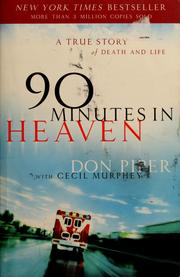
90 Minutes in Heaven: A True Story of Death and Life
A pastor declared dead at a 1989 crash scene describes ninety minutes he says he spent in Heaven, then thirteen months of surgeries, depression, and recovery.
2,246-word summary · 10 min read
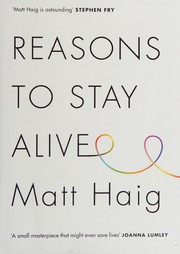
Reasons to Stay Alive
Matt Haig's memoir of the breakdown that nearly killed him at twenty four and the three years of unglamorous recovery that followed.
2,065-word summary · 9 min read
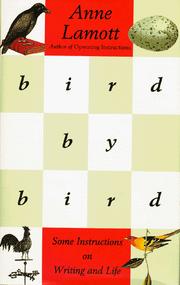
Bird by Bird
Anne Lamott's 1994 book on writing and life: shitty first drafts, the one-inch picture frame, and quieting the inner critic so you can take it bird by bird.
2,592-word summary · 12 min read
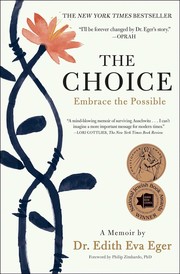
The Choice
Auschwitz survivor and therapist turns prison into a guide for healing.
2,472-word summary · 11 min read
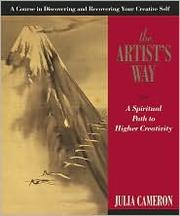
The Artist's Way: A Spiritual Path to Higher Creativity
A twelve week course with morning pages and artist dates to recover creativity.
2,345-word summary · 10 min read
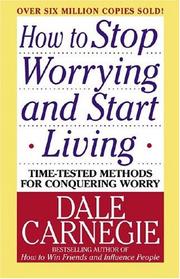
How to Stop Worrying and Start Living
Carnegie offers day-tight routines for worry built from interviews and worker stories.
2,505-word summary · 11 min read
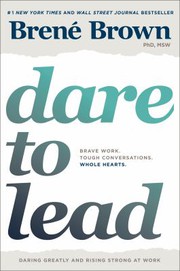
Dare to Lead
Research on courage shows how leaders build trust through vulnerability and clear values.
2,442-word summary · 11 min read
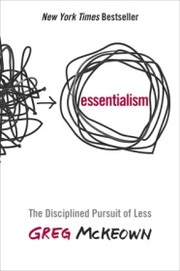
Essentialism
McKeown argues for less but better: discern the vital few, refuse the trivial many, and use buffers, small wins, and steady routines so key work gets done well…
2,421-word summary · 11 min read