
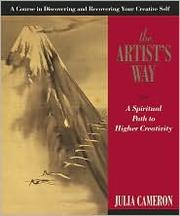
The Artist's Way: A Spiritual Path to Higher Creativity
2,345-word summary 10 min read 237 pages in the book
- First published
- 1992
- Publisher
- Jeremy P. Tarcher
- Pages
- 237
- ISBN
- 9781585421466
Reading options
What's inside (7 sections)
I worked through The Artist's Way in a group over twelve weeks, which is how Julia Cameron wants you to do it, and I am glad I did not rush alone. First published in 1992 by Jeremy P. Tarcher at 237 pages in the 2002 edition I used, it is a self help book for creativity with a spiritual path to higher creativity as subtitle. It is not about talent. It is about unblocking. Morning pages every day, artist dates every week, plus tasks and readings. I went in skeptical about God language and came out writing more, with kinder habits. That seems like success even if I still argue with parts.
Cameron writes as a recovered blocked artist. Filmmaker, writer, teacher who stopped creating and started teaching others to start. Her tone is warm, firm, a little repetitive. She believes creativity is natural order, not rare gift. Life is energy, creative energy. We are meant to make things. Blocks come from fear, shame, perfectionism, jealousy, comparisons, busywork. Recovery means small faithful acts, not grand inspiration. Write three pages by hand each morning. Take yourself on a solo fun outing weekly. Notice censors and nurture inner artist like a child. Simple, hard, effective over time.
Morning pages are the core. Three longhand pages, first thing, about anything. Dreams, grocery lists, anger at partner, ideas for work. No one reads them, not even you for weeks. They clear mental clutter so creativity can move. I hated them week one. My hand hurt, I wrote complaints, I wanted coffee first. By week three I craved them. Grievances emptied, then ideas surfaced mid page two. A story fix, a letter to write, a color to try. Cameron says pages teach honesty because you cannot pose for three pages daily. True. You run out of performance and meet yourself. That meeting is sometimes ugly and often useful.
Artist dates are the opposite. Weekly solo expedition to something delightful. Museum, record store, park, fabric shop, matinee. No friends, no partner, no phone scrolling. Just you noticing what you like. I took myself to a botanical garden in rain, to a hardware store to touch tools, to a bakery to taste and sketch. At first it felt indulgent with deadlines looming. Then I brought back images that fed work. A leaf pattern for a slide. A smell for a scene. Cameron says artist child needs play to trust you will care. That language is twee, but experience matched. Fun refills.
Twelve weeks
The book structures twelve weeks, each with a theme, reading, tasks, check in. Week one recovers safety. Name your enemy within, core negative beliefs, and ally within, affirmations. List shadow artists, people who make near art but not theirs. Notice crazymakers who derail with drama. Tasks include writing affirmations, listing imaginary lives. I listed pilot, baker, gardener, and saw I miss hands work. That insight shifted hobbies.
Week two recovers identity. Attention, going sane, poisonous playmates. Tasks about self care and desires. Week three recovers power. Anger as signal, shame as block, synchronicity as encouragement. Detective work about childhood. I wrote about a teacher who mocked my story in fourth grade and felt heat still. Naming helped loosen. Week four recovers integrity. Honest changes, buried dreams, reading deprivation. No reading for a week to hear own thoughts. That was brutal with feeds. I cheated twice, then felt quieter. My own sentences got louder.
Middle weeks tackle possibility, abundance, connection, strength. Limits, virtue traps, money madness. Cameron talks about God and abundance openly. If you create, creator provides, within reason. Skeptics will bristle. I translated God to process or community and kept going. Tasks about counting money, listing forbidden joys, taking small risks. I asked for help on a project and got yes. Was that synchronicity or asking. Both, probably. The book says notice help and say thanks. That practice alone helps.
Later weeks handle compassion, self protection, autonomy, faith. Fear, enthusiasm, creative U turns, workaholism, drought, fame, competition. Tasks about boundaries, saying no to draining gigs, building altars with meaningful objects, trusting mystery. I built a tiny altar with a shell, a draft, a photo. Silly and grounding. It reminded me why I make things when metrics disappoint. Faith here is not doctrine. It is willingness to keep showing up without proof. That reframe helped an agnostic like me stay. Replace God with good orderly direction if needed, Cameron says. I did at times.
Group work matters. We met weekly, shared wins and blocks, did not critique pages. Rules say no fixing, just witness. That safety let people admit jealousy, grief, boredom. One member cried about a parent who called art waste. Another admitted stealing time from kids to write and guilt. Hearing others normalized my own censor. Oh, yours says you are too old too. Mine says too late. Same voice, different lines. Laughing together loosened. Solo readers can still benefit, but find one buddy to check in. Accountability keeps morning pages alive when novelty fades.
What helps and what grates
What helps is concrete routine. Write daily, play weekly, walk often. Cameron adds walks, though not in title tools. Walks solve problems pages name. I walked after pages and thought clearer. Tasks are specific. Write a letter to your artist child. List ten forbidden joys. Describe your ideal day. These prompts unstick better than vague inspire yourself. The book also names blocks well. Censor who sneers, perfectionism that delays, jealousy as map to desires, not shame. I used jealousy map often. Who do I envy and what exactly. A friend's book deal revealed I want sustained time, not fame. That clarity changed scheduling more than any hack.
Spirituality both helps and grates. Cameron says creativity is spiritual, God as source, prayer as listening. For believers, this comforts. For others, it can alienate. She insists you define God as you like, but language stays theistic. I am comfortable with mystery, so I translated. Readers with religious harm may struggle with creator talk. Take what serves. The practices work without theology. Pages clear, dates refill, regardless of belief. Research on expressive writing and play supports parts. Cameron wrote before that research spread, from experience. That experiential base shows. Less data, more testimony. If you need citations, look elsewhere. If you need permission, here it is.
Repetition grates too. At 237 pages, ideas repeat across weeks. Safety, identity, power blur. Tasks overlap. Some chapters could cut a third. The tone can scold. Stop whining and write. That tough love motivates some, shames others. I skimmed when lectured. Also, privilege shows. Time for daily pages and weekly dates assumes some margin. Single parents working two jobs will find it hard. Cameron nods to stealing time, but lightly. Adapt fiercely. One page counts. Ten minute date counts. Do not let ideal block real.
Money talk feels dated. Abundance thinking can sound like blame if you are poor. Cameron means notice beliefs about deserving, not manifest riches. Still, read carefully. Take budgeting tasks, skip prosperity promises that sting. The core, that creativity deserves care regardless of income, holds. Libraries make it accessible. Borrow, do pages on scrap, date at parks free. I spent little and gained much.
Who should try it
Try it if you feel blocked, rusty, jealous of makers, busy with no play. Writers, painters, coders, cooks, parents, managers who want fresher thinking. Try it in a group for twelve weeks, with pages and dates as non negotiable. Expect discomfort weeks three and seven when old stories surface. Keep going gently. It works best when you actually do tasks, not just read.
Skip it for now if you need clinical help for depression or trauma. This is not therapy, though it helps mood. Get support first, then create. Skip if God language harms even translated. There are secular creativity books with similar tools. Also skip if you want fast hacks. This is slow, daily, faithful. No shortcuts.
For me, the image that stays is early morning kitchen table, pages filling with complaints about rain, then a line about a character's fear I had missed. Pen moving, coffee cooling, artist date planned for Saturday to see quilts. Small, unglamorous, steady. After twelve weeks I had a draft, kinder self talk, and friends who ask how pages went. Not cured of blocks. Better at returning. Cameron says creativity is a lifelong practice, not a project. At 237 pages, the book gives you a way to practice for life. I closed it still skeptical of some claims, still grateful for tools. Morning pages continue. Artist dates continue. That continuation, more than any insight, is the point. Keep showing up. The rest follows, unevenly, enough.
Censor, jealousy, and perfectionism
I want to say more about inner blocks Cameron names, because naming helped me most. The Censor is that sneering voice saying who do you think you are, too old, too late, too boring. Mine speaks in my mother's worried tone mixed with a teacher's red pen. Yours may sound different, but function is same. Stop before start to avoid shame. Morning pages expose it because you hear it daily on paper. Oh, there it is again. Same line. Once seen, it loses some power. You can answer. Thanks for sharing, I am writing anyway. That reply, repeated, rewires. Not positive thinking, just persistence past noise.
Jealousy as map surprised me. Cameron says jealousy points to desires you abandoned. I envied a friend's gallery show and felt petty, then mapped. What exactly. Not fame, but dedicated studio time and friends who show up. I could arrange small versions. Two hours Saturdays, one friend to share. Envy became instructions. That shift from shame to data freed energy. Our group shared maps weekly. One envied a cookbook author and realized she misses feeding people, not publishing. She hosted dinners. Another envied travelers and realized he needs walks, not flights. He walks lunch breaks. Small, doable, kind. Jealousy, used well, teaches.
Perfectionism as fear dressed as standards hit hard. I delayed sending work till perfect, which meant never. Cameron calls perfectionism refusal to be seen in process. The antidote is quantity with permission to be bad. Write bad pages. Take bad photos. Make lumpy pots. Good comes later after many tries. Artist dates help because they are deliberately unproductive. No outcome, just play. That play loosens grip. I took bad phone photos on dates and loved them because no one judged. Later work flowed easier. Allowing bad first drafts changed output more than any craft tip. Finish, then revise. Simple, not easy.
Shadow artists also rang true. People who work near art but not as artists. Agents who wanted to paint, teachers who wanted to novels, critics who wanted to compose. Proximity without practice breeds bitterness. Cameron urges step into light, even small. Teach one class less, paint one hour more. I knew shadow artists, including me when I managed creatives but stopped making. Shifting one hour weekly back to making eased resentment I had not named. If you support artists for a living, check yourself. Are you fed. Make time. Your work will improve too because empathy grows.
Walks, clusters, and real life
Walks deserve more credit than the subtitle gives. Cameron prescribes weekly walks, often after pages, to solve. I walked without earbuds and let mind wander. Problems loosened. A plot knot untied by mile two. A hard email drafted kinder by mile three. Science now backs walking for ideas, but Cameron knew from practice. Movement moves mind. Solo walks differ from dates. Dates intake images. Walks process. Both needed. I walked in rain, snow, heat. Weather became collaborator. Bad weather walks especially cleared. No one else out, mind loud then quiet. Try it. Twenty minutes counts. An hour gold.
Creative clusters, groups doing the course together, made the difference between reading and recovering. We set rules. Confidential, no fixing, show up even when behind. We shared check ins, not pages. I did pages six of seven days. Someone did three. No shame, just witness. Hearing others' censor lines normalized mine. Oh, yours says fraud too. Laugh. That laugh heals. We celebrated dates. Quilt show, hardware store, bakery. Photos shared. Joy contagious. If you cannot find a group, make one with two friends and a library room. Twelve weeks passes anyway. Better with company.
Real life intrusions will happen. Illness, deadlines, kids sick, travel. Cameron says do pages even abbreviated. One paragraph counts when three impossible. I wrote on planes, in waiting rooms, on phones when hand hurt, though longhand preferred. Artist dates can shrink. Ten minutes with tea and a window counts when a day trip impossible. Do not let ideal become excuse to quit. Recovery is not linear. Weeks four and eight felt worse before better as old grief surfaced. I cried over a buried dream of music I quit at twelve. Then I rented a keyboard and played badly with joy. That joy would not have come without tears first. Trust dips.
Money and time scarcity need honest adaptation. Daily pages take thirty minutes many do not have. I woke earlier, traded scrolling, wrote while coffee brewed. Dates can be free. Parks, libraries, windows, markets. Abundance tasks about counting and spending need care if broke. I tracked small joys, not just money. A borrowed book, a shared meal, a found color. Abundance as attention, not cash. That reframe kept me from resenting promises of provision. The universe may not pay rent because you wrote pages. But you will notice help more when you look. A friend offering childcare, a library extending hours. Notice and thank. That gratitude sustains more than manifesting.
I finished with practices, not perfection. Pages most mornings. Dates most weeks. Walks often. Censor quieter but present. Jealousy useful. Perfectionism looser. Work moving. That is enough. At 237 pages, the book overpromises healing and underpromises effort. Effort is daily, small, faithful. Healing comes sideways while you show up. Keep showing up. Bring friends. Walk. Write. Play. The rest follows, unevenly, enough to keep going for life.
FAQ
When was The Artist's Way published?
It was first published in 1992 by Jeremy P. Tarcher at 237 pages in the 2002 edition. It teaches a twelve week program.
What are morning pages and artist dates?
Morning pages are three daily longhand pages. Artist dates are weekly solo fun outings. Both rebuild creative trust.
Similar books
Bird by Bird
Anne Lamott's 1994 book on writing and life: shitty first drafts, the one-inch picture frame, and quieting the inner critic so you can take it bird by bird.
2,592-word summary · 12 min read
The War of Art
Pressfield names Resistance and urges daily professional work.
2,565-word summary · 11 min read
The Road Less Traveled: A New Psychology of Love, Traditional Values and Spiritual Growth
M. Scott Peck argues that maturity begins with accepting difficulty, then builds discipline, love, and spiritual growth through honest, often painful work.
2,200-word summary · 10 min read
Letters to a Young Poet
Rilke's ten letters to a young officer cadet refuse easy criticism and ask whether he must write, offering patience and solitude as a way of life.
2,530-word summary · 11 min read
10% Happier
An ABC newsman panics on air, then finds meditation without losing his edge.
2,590-word summary · 12 min read
The Untethered Soul
Singer names the noisy inner voice and shows how watching thoughts, loosening old hurt, and keeping the heart open through surrender can ease daily suffering…
2,752-word summary · 12 min read
The Power of Positive Thinking
Peale's 1952 guide to faith, affirmations, picturing success, prayer, and worry control, retold chapter by chapter with stories, limits, and small daily habits…
2,742-word summary · 12 min read
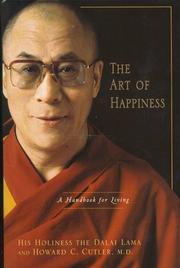
The Art of Happiness
The Dalai Lama and psychiatrist Howard Cutler link lasting happiness to training the mind, human warmth, compassion, and basic spiritual values for daily life.
3,394-word summary · 15 min read
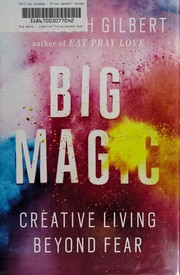
Big Magic
Gilbert on creative living past fear: ideas that visit, permission without credentials, daily work, finished over perfect, and trust in curiosity.
2,984-word summary · 13 min read
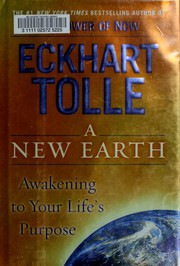
A New Earth
Tolle maps ego pain and shows how presence can loosen roles, thoughts, and suffering.
1,909-word summary · 8 min read
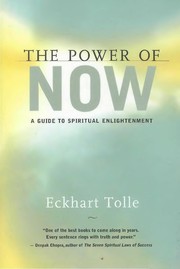
The Power of Now
Tolle argues pain comes from mind chatter and peace from full attention to now.
2,354-word summary · 10 min read
Eat, Pray, Love
Eat, Pray, Love retold: divorce, Italy for pleasure, India for practice, Bali for balance.
1,962-word summary · 9 min read
What Happened to You?
Oprah Winfrey and psychiatrist Bruce Perry explain how early experience shapes the brain, and why asking what happened to someone works better than asking what…
2,238-word summary · 10 min read
The Courage to Be Disliked: The Japanese Phenomenon That Shows You How to Change Your Life and Achieve Real Happiness
A philosopher and an angry young man argue over five nights about Adlerian psychology, trauma, approval, and the freedom to be disliked.
2,054-word summary · 9 min read
Moonwalking with Einstein: The Art and Science of Remembering Everything
A journalist spends a year training for the U.S. Memory Championship and discovers that extraordinary memory is mostly technique, attention, and a lot of…
2,027-word summary · 9 min read
The Total Money Makeover: A Proven Plan for Financial Fitness
Dave Ramsey lays out seven Baby Steps, from a $1,000 starter fund to a paid-off house, with the debt snowball at the center.
2,663-word summary · 12 min read
Year of Yes: How to Dance It Out, Stand in the Sun and Be Your Own Person
Shonda Rhimes takes her sister’s accusation seriously and spends a year saying yes to the things that frighten her, from live television to her own reflection.
2,585-word summary · 11 min read
Love Does
A lawyer and activist tells stories of saying yes, showing up, and loving people through ordinary, often ridiculous actions.
2,411-word summary · 11 min read
Don't Sweat the Small Stuff ... and It's All Small Stuff: Simple Ways to Keep the Little Things from Taking Over Your Life
Richard Carlson’s 1997 bestseller offers one hundred short chapters on lowering the volume on daily irritations, and it is more pragmatic than its title…
2,502-word summary · 11 min read
Made to Stick: Why Some Ideas Survive and Others Die
The Heath brothers break down why some ideas vanish on contact while others lodge in memory, tracing six traits that make a message stick.
2,527-word summary · 11 min read
Four Thousand Weeks: Time Management for Mortals
Oliver Burkeman turns the whole productivity project on its head, arguing that a human lifespan of roughly four thousand weeks is not a problem to optimize…
2,447-word summary · 11 min read
Breath: The New Science of a Lost Art
Journalist James Nestor investigates how modern humans learned to breathe badly, and what researchers, athletes, and breathwork practitioners have found about…
2,011-word summary · 9 min read
Art & Fear: Observations on the Perils (and Rewards) of Artmaking
Two working photographers write a short, blunt book about why people stop making art, and how to keep going when the work is going badly.
1,994-word summary · 9 min read
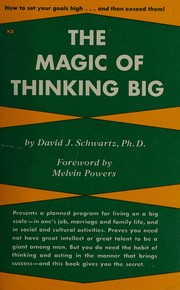
The Magic of Thinking Big
Schwartz's 1959 self-help classic argues that success follows from the size of your thinking, supported by sales anecdotes, vocabulary drills and goal setting.
2,579-word summary · 11 min read

Dear Girls: Intimate Tales, Untold Secrets & Advice for Living Your Best Life
Ali Wong's debut collects fourteen letters to her daughters, covering sex, money, work, marriage, Vietnam, and being a working Asian American mother.
2,266-word summary · 10 min read
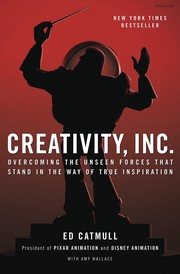
Creativity, Inc.: Overcoming the Unseen Forces That Stand in the Way of True Inspiration
Pixar's president on why the studio that made Toy Story nearly broke itself, and the daily habits that kept the creativity coming.
2,179-word summary · 10 min read

Attached
A psychiatrist and a psychologist explain adult attachment styles and show how anxious, avoidant, and secure patterns shape dating, conflict, and the search…
2,157-word summary · 10 min read
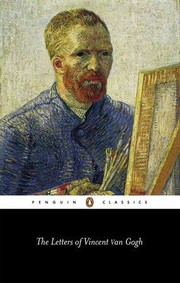
The Letters of Vincent van Gogh
Vincent van Gogh's letters to his brother Theo, in a Penguin Classics selection edited by Ronald de Leeuw, trace a decade of work, faith, and obsession.
2,611-word summary · 12 min read
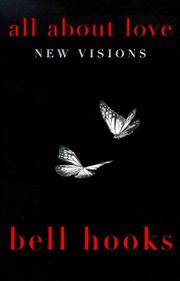
All About Love: New Visions
bell hooks borrows a definition of love as an action rather than a feeling, then spends thirteen chapters showing how hard it is to practice.
2,385-word summary · 11 min read
90 Minutes in Heaven: A True Story of Death and Life
A pastor declared dead at a 1989 crash scene describes ninety minutes he says he spent in Heaven, then thirteen months of surgeries, depression, and recovery.
2,246-word summary · 10 min read