
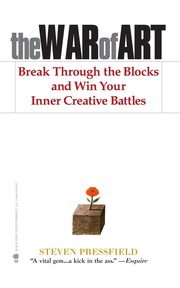
The War of Art
2,565-word summary 11 min read 192 pages in the book
- First published
- 2002
- Publisher
- Warner Books
- Pages
- 192
- ISBN
- 9780446690263
Reading options
What's inside (8 sections)
I picked up The War of Art because a friend who writes novels kept leaving it on the kitchen table, spine cracked open to the early pages. It is a short book. First published in 2002 by Warner Books at 192 pages, it reads fast but sticks around. Steven Pressfield wrote it after years of grinding through unpublished manuscripts and low paid advertising work before his novels about war and sport found readers. That history matters. He is not writing as a coach who studied creativity from outside. He is writing as someone who wasted mornings, missed deadlines, told himself stories about why tomorrow would be better, and then finally built a working life anyway.
The core move is simple. Pressfield gives a name to the force that stops people from doing creative work. He calls it Resistance with a capital R. Then he spends the rest of the book describing how it acts, how a working professional answers it, and what he thinks happens when you keep showing up past fear. I found the first two thirds bracing and useful. The last third goes strange in a way that will either open the book up for you or close it down. Both reactions make sense.
Resistance has a name
Book One names the enemy. Resistance, in Pressfield's account, is the invisible pressure that rises whenever you try to move from a lower way of living to a higher one. Writing a novel. Starting a business. Training for a race. Learning an instrument. Repairing a marriage through honest action. Dieting for health. Any act that asks for sustained attention over weeks and months will wake it up.
What I liked here is how behavioral he gets. Resistance rarely shows up as a clear voice saying quit. It shows up as rational thought. You suddenly need to clean the house. You need to check mail. You need to do more research before you start. You feel tired in a way that feels medical until the day passes and the tiredness lifts. You get a sudden interest in a different project that seems more urgent. You argue that the timing is wrong, the market is wrong, you are too young or too old, you need permission or money or a better laptop.
Pressfield lists many faces. Procrastination is the most obvious. Rationalization runs close behind. Then fear, self doubt, perfectionism, distraction, victim stories, cruelty to people around you when you are blocked, trouble sitting still, sudden illness before a deadline, affairs and drama that eat the hours you said you would use to write. He also points at outside voices. Friends who laugh when you say you want to paint. Family who worry you will fail. Fellow artists who compete instead of helping. He does not blame them exactly. He says Resistance can act through other people, which rang true to me even if I would phrase it more plainly as social pressure.
A hard claim follows. Resistance is universal and impersonal. It does not pick on you because you are weak. It hits everyone who tries serious work. It gets stronger when the work matters more to you. The book you most want to write will scare you more than the memo you do not care about. That idea helped me stop treating avoidance as proof I was not cut out for the work. Avoidance, in this frame, is data. If I feel sick before sitting down, the project probably matters.
He also says Resistance never sleeps. You do not beat it once. You meet it each morning. That sounds grim, but I found it freeing. If the fight repeats, then one bad day does not mean you failed. It means you are in the normal cycle and tomorrow gives another chance.
What Resistance feels like from inside
The middle chapters of Book One stayed with me because they describe inner weather I know well.
One is rationalization. Pressfield is sharp on the clever reasons smart people invent. I will start when the kids are older. I will start after this job ends. I need to take one more course. My idea has probably been done. Someone with more talent already did it better. Each reason sounds adult. Together they form a wall. I caught myself nodding because I have used versions of all of them around writing and around exercise. The reasons felt true at the time. Looking back, they were delay tactics dressed as planning.
Another is fear as a compass. He argues that the fear you feel around a project often points straight at what you need to do. If public speaking scares you and your work needs it, that fear marks the path, not a stop sign. I do not take this as absolute. Some fear signals real danger or real mismatch. But for creative exposure, for sharing drafts and asking for help, the link between fear and importance felt honest. The pieces I most dreaded showing were usually the ones where I cared most.
He talks about the amateur life with some bite. The amateur waits for inspiration, checks how others are doing, keeps many options open, argues about rules, wants quick payoff. The amateur lets the day fill with urgent small tasks and calls that a life. Some of this stung. I recognized my habit of reading about writing instead of writing, tweaking tools instead of drafting, asking for advice I did not follow. Pressfield can sound harsh here. He means to shame the reader a little into action. Sometimes that push helps. Sometimes it slides into a tough guy tone that will annoy people who already work hard under heavy constraints like caregiving or shift work.
He also warns about acting out. When blocked energy has nowhere to go, it leaks. You snap at a partner. You scroll for an hour and feel worse. You start a fight about dishes because you did not face the page. I have lived that exact slide. Naming it did not fix it, but it made the pattern easier to catch the next time.
Short chapters help. You can read three in ten minutes and carry one idea into the day. The downside is repetition. He circles the same point from many sides. Resistance is real. Resistance hates action. Action weakens it. If you like spare books that repeat a central drumbeat, this will suit you. If you want studies and citations, you will feel hungry.
Turning pro
Book Two is the practical heart. Pressfield contrasts the amateur with the professional. The professional shows up every day. Works regular hours. Stays with the trouble. Accepts no excuses. Prepares, orders the day, acts in the face of fear, asks for help when stuck, does not take failure or success too personally, endures adversity, self validates rather than begging for praise.
The daily practice idea is the part I have actually used. Pick a time. Sit down. Start. Stay for the full block whether you feel like it or not. Do not judge the output while making it. Separate making from judging. That split changed my mornings more than any app. I write for ninety minutes before mail. Some days produce usable pages. Some days produce mess. The habit holds either way. Pressfield would say that is the whole game.
He is good on craft patience too. The professional learns the trade slowly. Studies structure. Accepts drafts. Rewrites. Meets deadlines. Ships. Takes money seriously without letting money decide what is worth making. I liked his point that mastery grows from volume plus attention. You cannot think your way to skill without reps. You also cannot repeat blindly. You have to look at what failed and adjust next time.
Another useful bit is about territory versus hierarchy. In his terms, hierarchical thinking asks how I rank against others, who approves, where I stand. Territorial thinking asks what is my patch of work and did I tend it today. The writer tends the page. The teacher tends the class. The runner tends the road. I found this calming. Comparison feeds Resistance. Tending a small patch starves it. On days when publishing felt far away, I could still tend the patch for two hours and call that a win.
He also talks about humility and help. The professional asks for notes, hires an editor, finds a group, admits weakness. That cut against the lone genius image I carried. Pressfield presents professionalism as social in a quiet way. You do your part, you let others do theirs, you do not posture.
There are limits. His professional is idealized and male coded in places. Soldier, prizefighter, full time warrior. That language motivates some readers and tires others. He also dismisses part time effort more than I think is fair. Many people can only give forty minutes before a shift. In my experience, forty honest minutes daily still builds a body of work, even if Pressfield praises longer hours. Take the principle of regularity and fit it to your life rather than copying his schedule exactly.
He can also sound absolute about fearlessness. Act in the face of fear, yes. But rest, illness, grief, and plain overload need respect too. Pushing through every signal is how people burn out. I read him as urging steady courage, not punishment. When I held that reading, the chapters helped. When I read him literally, they felt harsh.
The strange third part
Book Three shifts. Pressfield writes about muses, angels, inspiration, and the mystery of where ideas come from. He suggests that when you commit to daily work, unseen help arrives. He talks about invoking the muse, about territory that connects you to something larger, about genius as a guiding spirit rather than personal brilliance.
Readers split hard here. Some love it. Some roll their eyes.
I landed in the middle. I do not share his metaphysics, but I recognize the experience he points at. Sit down daily for months and odd aids appear. A sentence arrives while washing dishes. A stranger mentions exactly the book you needed. A problem solves itself after sleep. You can explain this with attention and memory. The brain keeps working in the background once you feed it steady material. You notice more because you have a question loaded. Pressfield calls that the muse. A skeptic can call it primed attention. Either way, the practice comes first. Waiting for inspiration without work rarely helps. Working without waiting often invites it.
Where he loses me is when he states spiritual claims as facts. He writes with certainty about higher powers and creative destiny that the first two parts do not require. If you share that faith or enjoy mythic language, these chapters may lift you. If you want grounded psychology, they may feel like a swerve. I treated them as poetry about commitment rather than argument. Read that way, they have warmth. He wants artists to feel accompanied rather than alone. That wish is kind, even when the reasoning thins.
One idea from this part did stick without needing belief. He says creative work done for its own sake feeds the maker in a way that status chasing does not. Write the play because the play asks to exist. Build the chair well because craft matters. Teach the lesson with care because students are in front of you. That reframe eased my outcome hunger. I still hope for readers. But the daily reason can be simpler. Tend the work because tending matters.
What works and what wears thin
What works is clarity and brevity. At 192 pages with many short chapters, the book respects time. You can finish it in a few sittings and start using it the next morning. The central model is memorable. Name Resistance. Watch its tricks. Work daily anyway. That loop fits on an index card and survives contact with real weeks.
The voice helps too. Pressfield writes plainly, with stories from his own lean years, from friends in film and publishing, from historical figures who kept working under pressure. He does not hide that he failed for a long while. That history gives his scolding more weight than a success story told backward. He sat in the same chair.
What wears thin is repetition and tone. He hammers the same ideas. Some readers will want more tools for specific blocks like anxiety, trauma, money fear, or care duties that limit time. The book offers will more than method. Sit down and push. That advice helps procrastination rooted in avoidance. It helps less when the block is lack of skill, unclear brief, or exhaustion. A new writer may need craft lessons. A tired parent may need sleep and childcare more than a pep talk.
The gendered warrior talk dates the book a bit. Battle, enemy, fight, kill, war. The title itself frames art as combat. For some projects that frame energizes. For others, like teaching or caregiving art, a gentler frame of practice and care fits better. I translated war into practice in my head. Show up, tend, repeat. Same actions, less armor.
I also wanted more on revision and feedback. Turning pro includes rewriting and seeking notes, but those get fewer pages than mindset. Mindset opens the door. Craft walks through it. Pair this book with a craft manual in your field and a group that meets weekly. That trio covers what any single short book cannot.
A final caution. The book can feed self blame if read on a bad day. If you did not write because a child was sick or a shift ran long, that is not Resistance. That is life. Pressfield sometimes writes as if every miss is a moral failure. I found it healthier to ask a kinder question. Did avoidance choose today, or did circumstance? If avoidance chose, use his tools. If circumstance chose, rest and return tomorrow without guilt.
Who should read it
This book suits people with a project they keep postponing. A manuscript, a portfolio, a business, a thesis, a body of work that needs steady hours. It suits makers who respond to blunt encouragement and short chapters. It suits anyone starting a daily practice who wants language for the inner static that rises right before work.
It suits less those who need research, systems for teams, or help with clinical anxiety and depression. It is not therapy and does not pretend to be, though it sometimes sounds like it knows more than it does. If strong claims about unseen help bother you, stop after Book Two. You will still keep most of the value.
For me, the test was plain. Did mornings change. They did, modestly. I write earlier. I notice delay tactics faster. I keep a small log with date and minutes. On good days the pages stack. On thin days I still show up briefly without scolding myself.
If you read it, read with a pen. Mark the three tricks Resistance uses on you most. Mine were research delay, inbox circling, and sudden sleepiness at nine in the morning. Then pick a fixed time and tend it for thirty days. Ask a friend to check in weekly.
Pressfield names Resistance and urges daily professional work. That sentence carries the whole 192 pages. Simple to state. Hard to live. Worth trying for a month to see what shifts.
FAQ
When was The War of Art published?
It was first published in 2002 by Warner Books. The edition cited runs 192 pages with ISBN 9780446690263.
How should I use the book in practice?
Start with a fixed daily block and tend one small patch of work. Separate making from judging and track minutes for thirty days.
Does the spiritual third part matter?
The first two parts give the daily practice model. The third part adds spiritual claims about muses that some readers enjoy and others skip.
Similar books
Bird by Bird
Anne Lamott's 1994 book on writing and life: shitty first drafts, the one-inch picture frame, and quieting the inner critic so you can take it bird by bird.
2,592-word summary · 12 min read
The Artist's Way: A Spiritual Path to Higher Creativity
A twelve week course with morning pages and artist dates to recover creativity.
2,345-word summary · 10 min read
Don't Sweat the Small Stuff ... and It's All Small Stuff: Simple Ways to Keep the Little Things from Taking Over Your Life
Richard Carlson’s 1997 bestseller offers one hundred short chapters on lowering the volume on daily irritations, and it is more pragmatic than its title…
2,502-word summary · 11 min read
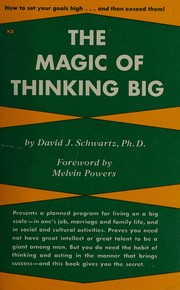
The Magic of Thinking Big
Schwartz's 1959 self-help classic argues that success follows from the size of your thinking, supported by sales anecdotes, vocabulary drills and goal setting.
2,579-word summary · 11 min read
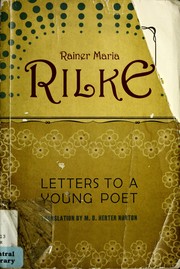
Letters to a Young Poet
Rilke's ten letters to a young officer cadet refuse easy criticism and ask whether he must write, offering patience and solitude as a way of life.
2,530-word summary · 11 min read
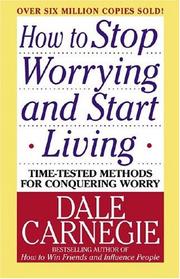
How to Stop Worrying and Start Living
Carnegie offers day-tight routines for worry built from interviews and worker stories.
2,505-word summary · 11 min read
The Power of Positive Thinking
Peale's 1952 guide to faith, affirmations, picturing success, prayer, and worry control, retold chapter by chapter with stories, limits, and small daily habits…
2,742-word summary · 12 min read
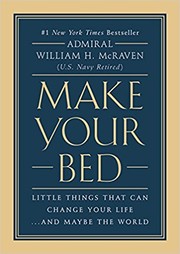
Make Your Bed: Little Things That Can Change Your Life...And Maybe the World
SEAL lessons from bed making to never ringing the bell, from McRaven's 2014 Texas speech and 144 page book.
2,974-word summary · 13 min read
Big Magic
Gilbert on creative living past fear: ideas that visit, permission without credentials, daily work, finished over perfect, and trust in curiosity.
2,984-word summary · 13 min read
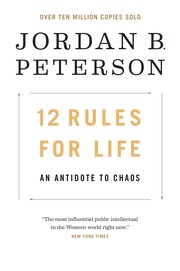
12 Rules for Life
Twelve essays on responsibility from posture to truth to petting cats.
2,045-word summary · 9 min read
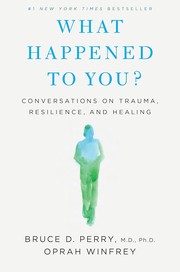
What Happened to You?
Oprah Winfrey and psychiatrist Bruce Perry explain how early experience shapes the brain, and why asking what happened to someone works better than asking what…
2,238-word summary · 10 min read
The Courage to Be Disliked: The Japanese Phenomenon That Shows You How to Change Your Life and Achieve Real Happiness
A philosopher and an angry young man argue over five nights about Adlerian psychology, trauma, approval, and the freedom to be disliked.
2,054-word summary · 9 min read
Moonwalking with Einstein: The Art and Science of Remembering Everything
A journalist spends a year training for the U.S. Memory Championship and discovers that extraordinary memory is mostly technique, attention, and a lot of…
2,027-word summary · 9 min read
The Total Money Makeover: A Proven Plan for Financial Fitness
Dave Ramsey lays out seven Baby Steps, from a $1,000 starter fund to a paid-off house, with the debt snowball at the center.
2,663-word summary · 12 min read
Year of Yes: How to Dance It Out, Stand in the Sun and Be Your Own Person
Shonda Rhimes takes her sister’s accusation seriously and spends a year saying yes to the things that frighten her, from live television to her own reflection.
2,585-word summary · 11 min read
Made to Stick: Why Some Ideas Survive and Others Die
The Heath brothers break down why some ideas vanish on contact while others lodge in memory, tracing six traits that make a message stick.
2,527-word summary · 11 min read
Four Thousand Weeks: Time Management for Mortals
Oliver Burkeman turns the whole productivity project on its head, arguing that a human lifespan of roughly four thousand weeks is not a problem to optimize…
2,447-word summary · 11 min read
Breath: The New Science of a Lost Art
Journalist James Nestor investigates how modern humans learned to breathe badly, and what researchers, athletes, and breathwork practitioners have found about…
2,011-word summary · 9 min read
Art & Fear: Observations on the Perils (and Rewards) of Artmaking
Two working photographers write a short, blunt book about why people stop making art, and how to keep going when the work is going badly.
1,994-word summary · 9 min read

Dear Girls: Intimate Tales, Untold Secrets & Advice for Living Your Best Life
Ali Wong's debut collects fourteen letters to her daughters, covering sex, money, work, marriage, Vietnam, and being a working Asian American mother.
2,266-word summary · 10 min read
Creativity, Inc.: Overcoming the Unseen Forces That Stand in the Way of True Inspiration
Pixar's president on why the studio that made Toy Story nearly broke itself, and the daily habits that kept the creativity coming.
2,179-word summary · 10 min read
The Road Less Traveled: A New Psychology of Love, Traditional Values and Spiritual Growth
M. Scott Peck argues that maturity begins with accepting difficulty, then builds discipline, love, and spiritual growth through honest, often painful work.
2,200-word summary · 10 min read
The 5 AM Club
A struggling entrepreneur and artist are mentored by a billionaire who teaches them to reclaim the first hour of the day.
2,205-word summary · 10 min read
Attached
A psychiatrist and a psychologist explain adult attachment styles and show how anxious, avoidant, and secure patterns shape dating, conflict, and the search…
2,157-word summary · 10 min read
The Letters of Vincent van Gogh
Vincent van Gogh's letters to his brother Theo, in a Penguin Classics selection edited by Ronald de Leeuw, trace a decade of work, faith, and obsession.
2,611-word summary · 12 min read
All About Love: New Visions
bell hooks borrows a definition of love as an action rather than a feeling, then spends thirteen chapters showing how hard it is to practice.
2,385-word summary · 11 min read
Reasons to Stay Alive
Matt Haig's memoir of the breakdown that nearly killed him at twenty four and the three years of unglamorous recovery that followed.
2,065-word summary · 9 min read
The Little Book of Hygge
Denmark happiness researcher tours candles, cake and cozy winter light.
2,582-word summary · 11 min read
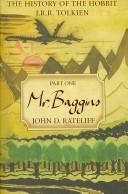
The History of the Hobbit, Part One: Mr. Baggins
Rateliff traces every draft of Bilbo from 1930 notes to print.
2,410-word summary · 11 min read
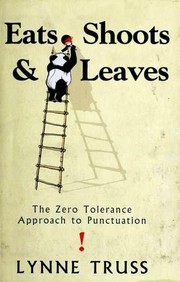
Eats, Shoots & Leaves
Truss defends commas with jokes about pandas and posters.
2,423-word summary · 11 min read