
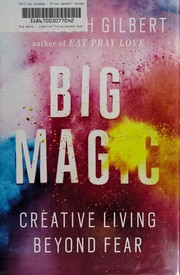
Big Magic
2,984-word summary 13 min read 288 pages in the book
- First published
- 2015
- Publisher
- Riverhead Books
- Pages
- 288
- ISBN
- 9781594634710
Reading options
What's inside (8 sections)
I came to Big Magic sideways. I had read Eat, Pray, Love years ago and liked Gilbert's voice more than I expected, chatty and blunt about her own faults. Then I heard friends argue about this one. Some said it freed them to paint again or to write after a long stall. Others rolled their eyes at the talk of ideas floating around looking for people. I wanted to see which parts held up on the page. The book was published in 2015 by Riverhead Books. It runs 288 pages in the hardcover first edition.
It is a short book in six parts, with most of the weight in five named sections. Courage opens it. Enchantment follows. Then Permission, Persistence, Trust, with a brief closing on Divinity. Gilbert writes in short chapters, often two or three pages, with stories from her own working life and from friends. She spent years as a struggling magazine writer and short story writer before the big memoir hit, and she keeps returning to those early years. The tone stays conversational, like advice from someone who has been rejected a lot and kept going.
Courage
She starts with a poet who shares her last name but is no relation. Jack Gilbert was well regarded, won prizes, and then chose a quiet life away from literary centers, living for stretches in Greece and elsewhere, teaching at times, writing on his own schedule. Gilbert says she once asked him, through his work and through stories about his teaching, what a creative life required. His answer, as she retells it, was plain. You had to be brave. You had to live in a way that let you make things.
From there she widens the idea. Creative living, for her, is not only publishing novels or showing paintings. It is any life shaped more by curiosity than by fear. Her example is a friend named Susan who had skated competitively as a girl, quit in her teens when it became clear she would not become elite, and then felt, near forty, a pull back to the rink. Susan bought skates, hired a coach, got up before dawn three mornings a week before her office job, and learned to skate again among small children. She did not quit her job or try to compete. She skated because it made her feel awake. Gilbert holds Susan up as a model. The scale was small. The effect on Susan's sense of self was large.
Then Gilbert turns to fear, which gets the longest treatment in this opening part. She lists the usual worries about talent, rejection, being ignored, or facing scorn from family. She says she knows the list because she lived inside it as a child. She describes herself as a frightened kid, scared of the street, the water, strangers, failure. Her mother, tired of the constant worry, pushed her to do feared things anyway.
Gilbert says she came over time to find fear boring. Not fake, not unimportant for real danger, but boring as a guide for creative choices. Fear says the same few lines on repeat. It warns of shame. It predicts ruin. It offers no new information after a while. She draws a line between fear that protects the body and fear that polices imagination. The first deserves respect. The second deserves company but not control.
Her image for that is a road trip. She tells fear it can ride along on any project. Fear can sit in the back seat. It can speak up. It cannot drive, choose the route, or touch the radio. She even describes speaking to fear directly before starting work, laying out terms. You are welcome here because you will always show up, she tells it, but you will not get a vote on decisions. I found that passage silly on first read and then useful in practice. It gives a nervous person a job to do besides arguing with dread.
She closes the section by asking if the reader has the courage to hunt for what she calls strange jewels buried inside. The hunt matters more than any single result. That hunt, she says, is what makes a life feel larger.
Enchantment
Once fear has a seat in the back, Gilbert allows herself to talk about magic. She warns that this part will sound strange. She believes ideas have a kind of life of their own. They drift, look for willing partners, and need human help to become real. If you say yes to an idea by paying attention and doing work, you enter a kind of contract. If you say no through delay or self doubt, the idea may leave and try someone else.
She tells a long story to show what she means. In early 2006, after the huge success of her memoir, she was casting for a next novel. Her partner Felipe, who was born in Brazil, told her about a failed highway project in the Amazon jungle in the 1960s and the tangle of money, politics, and jungle logistics around it. Something about the story caught her. She began research, built a main character, a quiet middle aged woman from Minnesota who has loved her married boss for years and gets sent to the jungle to sort out a missing person and missing funds, where her orderly life comes apart and a late love story starts. She wrote a proposal, sold it, and started drafting. She called the draft Evelyn of the Amazon in her notes.
Then life intervened. Felipe ran into immigration trouble on a return trip and could not reenter the United States unless they married and waited out the process abroad. Gilbert put the novel aside for about two years, moved, married, and wrote a memoir about marriage instead. When she returned to the Amazon files, the spark was gone. She could still see the outline, but she could not feel the pull. In her terms, the idea had left.
Around that same period she met novelist Ann Patchett on a panel about libraries in New York. Gilbert admired Patchett's work but did not recognize her at first, mistook her for an assistant, then watched her give a strong speech. Afterward Gilbert gushed, Patchett kissed her cheek, and they began trading long paper letters about writing and family life. In late 2008 Patchett mentioned she had started a novel set in the Amazon jungle. Gilbert wrote back that she had once worked on a similar setting. Months later, over breakfast before a shared event in Portland, Oregon, they compared plots. Patchett's book also centered on a middle aged Minnesota woman, devoted for years to a married boss, sent to the Amazon to untangle a business mess involving lost money and a missing person, with her settled life upended and love entering late. Details differed. Gilbert's version was set in the 1960s around road building. Patchett's was contemporary around the drug industry. The shape matched in a way that startled both of them. They counted back and saw Gilbert had stalled just as Patchett had started. They joked the idea passed between them in that first kiss. Patchett went on to finish and publish her Amazon novel as State of Wonder.
Gilbert knows how this sounds. She says she chooses to feel wonder rather than theft. Nobody owned the jungle story outright until someone finished it. She adds smaller examples, half remembered novel premises she dropped and later saw in shops by other writers, to make the point that shared plots happen often. Her lesson is practical inside the strange frame. Say yes sooner. Take notes. Do research. Clear time. Grieve fast when an idea leaves and stay open for the next arrival.
She pairs that with a story about poet Ruth Stone that she clearly loves. Stone said that when she was working in the fields she would sometimes hear a poem coming toward her across the land, fast, like a horse running. Stone would sprint back to grab paper before it passed through her. If she was too slow she would catch it by the tail and pull it back word by word. Gilbert uses Stone to argue that inspiration visits on its own schedule. A steady worker keeps hours and does not chase every visit with drink or drama. She also addresses success fear here, using Harper Lee as an extreme case of success freezing a writer, and says to keep the contract small.
Permission
The third part is the most down to earth. Gilbert argues you do not need credentials to make things. You do not need a degree, a prize, a mentor's blessing, or a perfect studio. Her parents, she says, simply made things around the house without asking if they were allowed. She absorbed that stance. She decided young she would write, and she wrote through waitressing shifts, cheap apartments, and rejections.
A large piece of this section is her defense of the day job. She kept paid work for years while writing short stories and learning the trade. Even after she had books out, she was slow to let writing carry all her bills. Her point is protective. When art must pay rent on schedule, fear moves into the front seat. A steady job, even a dull one, can buy freedom to play on the page. Susan the skater kept her office job for the same reason. Gilbert warns against the romance of quitting everything in a blaze. A few can manage it. Most make better work when food and housing do not depend on each draft.
She also pushes back on originality panic. Too many beginners stall because they fear their idea has been done. Gilbert says most plots have been done. What has not been done is your particular handling, your jokes, your pace, your eye for detail. Make the thing that pulls you. Finish it. Let readers decide what it shares with other books.
Two of her chapters in this stretch have become shorthand among readers. One says finishing beats polishing. Her mother taught her that a finished piece, even with flaws, teaches more than a perfect fragment that never leaves the desk. The other says strangers spend little time thinking about your work because they are busy with their own worries. That sounds harsh and Gilbert means it as relief.
She tells of years sending stories to magazines, collecting rejections, working bar shifts, writing in the early morning. She kept that rhythm into her twenties and thirties. The permission she describes is not a single grant. It is a daily renewal.
Persistence
If Permission gives the green light, Persistence describes the drive. Gilbert is blunt that most of creative life is not inspiration. It is showing up on flat days, revising, submitting again, learning small skills.
She returns to her own apprenticeship. In her twenties she promised herself she would write every day, sometimes only half an hour, no matter the job or the city. She kept side jobs for support. She mailed stories, got form rejections, revised, mailed again. It took years before a first book. Even after books, each new project required the same routine. She presents that as normal rather than tragic.
Her rule about finishing gets extended here. She learned to send work out rather than polish one story for years. A finished book can be read, argued with, learned from. An endless draft helps no one. She admits this habit produces uneven books. She would rather have a shelf of finished attempts with mixed results than one endlessly reworked manuscript.
She also writes about handling praise and dismissal with the same posture. After the memoir phenomenon, some readers adored her and some mocked her as self indulgent. She says she tried to read reviews lightly, thank people, and return to the desk. She points again to Harper Lee as a caution. If you treat one big success as a verdict on your worth, the next blank page becomes terrifying. If you treat both success and failure as weather, you can keep working.
There is a hard edge here that I appreciated. Gilbert does not promise that persistence pays in money or status. She promises it pays in skill and in a life that feels used well. She learned to cut, to research faster, to ask for help. A stuck chapter might need a walk, a library morning, or a talk with a tougher reader, not a crisis about talent.
She closes this part with a nudge to stay in the game through boredom. Curiosity fades mid project. Routines help. A set hour, a set pages goal, a friend who expects new pages on Friday. Those plain tools carry more books to the end than bursts of excitement.
Trust
The last full part asks for a different kind of steadiness. Trust, for Gilbert, means following small curiosities without demanding a full map, and trusting that the work itself is on your side.
She is wary of the word passion in its loud form. Passion can feel like pressure to find one burning purpose and to monetize it. Curiosity is quieter. It says look up that painter, try that pottery night, read about highway building in Brazil, learn three chords. One small interest leads to another. Over months those threads gather into a project. She traces several of her own books to chains like that, starting with a passing remark from Felipe that grew into years of Amazon research.
She also asks readers to trust that creativity is not out to punish them. She knows the old image of the tormented artist who must bleed for truth. She rejects it as a requirement. She has seen drink and chaos wreck talented friends without improving their pages. She proposes a calmer partnership. Treat the work with respect, keep healthy hours, mend friendships that distract you, and allow yourself to feel pleased when a paragraph lands. If a project fails, call it an experiment and start the next.
The brief closing on Divinity extends that thought. Gilbert, who is not writing doctrine, uses the word to point at moments when work feels larger than planning. A line arrives whole. A structural fix appears on a walk. She does not claim to explain those moments. She suggests gratitude rather than theory. Thank the visit. Keep working.
For a skeptic like me, Trust is the section where the book wobbles and also where it helps most. The wobble comes when Gilbert slides from practical advice into faith that the universe will provide collaborators for every sincere effort. The help comes when she lowers the stakes. You do not need a life purpose by Friday. You need to follow one small question through the week and see what it opens.
What Helps and What Wears Thin
What helps first is Gilbert's specificity about process. She names the morning pages habit from her twenties, the years of rejections, the proposal sold then shelved, the letters with Patchett, the Portland breakfast where two plots matched, Stone running for paper. Those scenes give the abstractions weight. Her advice on day jobs also helps because it cuts against most creative manifestos. Keep rent separate from art when you can. Finish things even if they are flawed. Assume readers think about you less than you fear.
Her voice helps too. She writes like a present friend, funny about her own vanity and stubbornness. She admits she craved praise after the memoir, feared she would never match it, and wrote anyway. She admits envy when an idea she dropped blooms for someone else, then describes choosing to feel glad the book exists. Those admissions make the pep legible. She is not preaching from above a struggle. She is reporting tricks that steadied her inside it.
What wears thin is the central claim of Enchantment taken literally. Ideas as migrating beings who pick partners can comfort a writer who lost a draft. It can also dodge harder explanations. Two American novelists circling similar Amazon premises in the late 2000s might share sources, editors, travel talk, and cultural interests. A reader who wants evidence will not find it here. A reader who wants a story that eases jealousy may still use it.
Privilege also shadows the advice. Gilbert names her advance and her jobs, which is honest, but the arc from waitress to bestseller still bends toward a safety net most readers lack. Susan could afford skates and dawn hours before work because her job and health allowed it. Keep your day job is sound for many, yet day jobs differ wildly in hours and strain.
Repetition is the third snag. Fear, permission, and trust circle the same counsel. Start, keep going, do not let shame steer. The short chapters make the book fast, but the refrains pile up. A tighter edit could have cut twenty pages without losing force. Readers new to her will mind less. Readers who came from her memoir or her talks may hear familiar lines.
None of that erased the useful core for me. I tried two of her tools while reading. I gave fear a back seat line before drafting a hard email tied to a small project, which sounds corny and worked to lower static. I followed a minor curiosity about 1960s road building for an hour in the library and found a scene I had been missing. Neither act required belief in migrating ideas. Both required time set aside and a willingness to finish a rough version.
Gilbert will not settle the argument about where ideas come from. She offers a working stance. Readers who need a strict method should look elsewhere. Readers who have stalled may find the nudge they need. I closed the book less interested in magic as doctrine and more willing to protect an hour a day for work that might fail.
FAQ
Is Big Magic only for writers and artists?
No. Gilbert frames creative living as any life led by curiosity, using Susan returning to figure skating at forty while keeping her office job. Writers get most examples, but the tools fit other crafts.
What is the Ann Patchett Amazon story about?
Gilbert shelved an Amazon jungle novel about a Minnesota woman sent to untangle a business mess, then learned Patchett was writing a strikingly similar book. She reads the overlap as an idea moving on, and Patchett finished it as State of Wonder.
When was Big Magic published?
Riverhead Books published it in 2015. The first hardcover edition runs 288 pages with ISBN 9781594634710.
Similar books
Year of Yes: How to Dance It Out, Stand in the Sun and Be Your Own Person
Shonda Rhimes takes her sister’s accusation seriously and spends a year saying yes to the things that frighten her, from live television to her own reflection.
2,585-word summary · 11 min read
Bird by Bird
Anne Lamott's 1994 book on writing and life: shitty first drafts, the one-inch picture frame, and quieting the inner critic so you can take it bird by bird.
2,592-word summary · 12 min read
Eat, Pray, Love
Eat, Pray, Love retold: divorce, Italy for pleasure, India for practice, Bali for balance.
1,962-word summary · 9 min read
Love Does
A lawyer and activist tells stories of saying yes, showing up, and loving people through ordinary, often ridiculous actions.
2,411-word summary · 11 min read
The Magic of Thinking Big
Schwartz's 1959 self-help classic argues that success follows from the size of your thinking, supported by sales anecdotes, vocabulary drills and goal setting.
2,579-word summary · 11 min read

Dear Girls: Intimate Tales, Untold Secrets & Advice for Living Your Best Life
Ali Wong's debut collects fourteen letters to her daughters, covering sex, money, work, marriage, Vietnam, and being a working Asian American mother.
2,266-word summary · 10 min read
The Letters of Vincent van Gogh
Vincent van Gogh's letters to his brother Theo, in a Penguin Classics selection edited by Ronald de Leeuw, trace a decade of work, faith, and obsession.
2,611-word summary · 12 min read
Reasons to Stay Alive
Matt Haig's memoir of the breakdown that nearly killed him at twenty four and the three years of unglamorous recovery that followed.
2,065-word summary · 9 min read
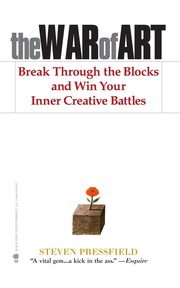
The War of Art
Pressfield names Resistance and urges daily professional work.
2,565-word summary · 11 min read
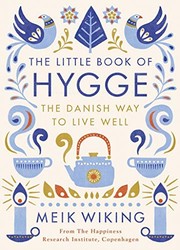
The Little Book of Hygge
Denmark happiness researcher tours candles, cake and cozy winter light.
2,582-word summary · 11 min read
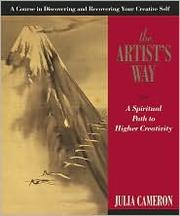
The Artist's Way: A Spiritual Path to Higher Creativity
A twelve week course with morning pages and artist dates to recover creativity.
2,345-word summary · 10 min read
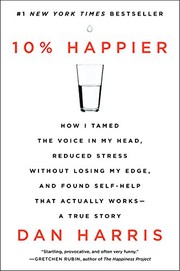
10% Happier
An ABC newsman panics on air, then finds meditation without losing his edge.
2,590-word summary · 12 min read
Tiny Beautiful Things: Advice on Love and Life from Dear Sugar
Dear Sugar answers letters on love, grief, and work with tough empathy drawn from her own losses.
2,253-word summary · 10 min read
The Happiness Project
Gretchen Rubin spends a year testing monthly resolutions on energy, marriage, work, parenting, and play, tracking small habits to build a happier ordinary…
3,516-word summary · 16 min read
Steal Like an Artist
Kleon's 2012 illustrated guide gives ten principles for creative work, from borrowing openly and starting early to sharing, staying kind, and cutting the…
2,999-word summary · 13 min read
The Last Lecture
Dying professor Pausch lectures really achieving childhood dreams.
2,579-word summary · 11 min read
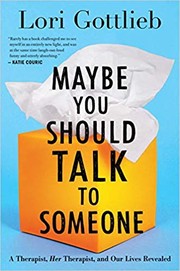
Maybe You Should Talk to Someone
Therapist Lori Gottlieb counsels John, Julie and Rita while seeing her own therapist Wendell after a breakup.
2,234-word summary · 10 min read

Long Walk to Freedom
Mandela's account of a Thembu childhood, a law practice, a banned movement, twenty-seven years in prison, and the negotiation that ended apartheid.
2,454-word summary · 11 min read
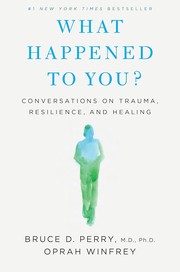
What Happened to You?
Oprah Winfrey and psychiatrist Bruce Perry explain how early experience shapes the brain, and why asking what happened to someone works better than asking what…
2,238-word summary · 10 min read
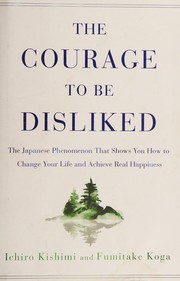
The Courage to Be Disliked: The Japanese Phenomenon That Shows You How to Change Your Life and Achieve Real Happiness
A philosopher and an angry young man argue over five nights about Adlerian psychology, trauma, approval, and the freedom to be disliked.
2,054-word summary · 9 min read

In Order to Live: A North Korean Girl's Journey to Freedom
A young North Korean girl crosses the Yalu, survives trafficking in China, and rebuilds her life in Seoul in this unsparing memoir.
2,027-word summary · 9 min read

Too Much and Never Enough: How My Family Created the World's Most Dangerous Man
Mary L. Trump's 2020 memoir traces how a cold, zero-sum Queens household shaped her uncle, and uses family tax documents to challenge his self-made story.
2,059-word summary · 9 min read
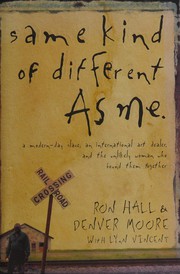
Same Kind of Different as Me
An art dealer and a formerly homeless sharecropper tell the story of the friendship that began at a Fort Worth mission and the woman who insisted on it.
2,023-word summary · 9 min read
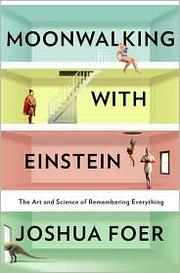
Moonwalking with Einstein: The Art and Science of Remembering Everything
A journalist spends a year training for the U.S. Memory Championship and discovers that extraordinary memory is mostly technique, attention, and a lot of…
2,027-word summary · 9 min read

Infidel
Ayaan Hirsi Ali's memoir of a Somali childhood, a forced marriage, a Dutch asylum claim, and the political fight that followed the murder of Theo van Gogh.
2,041-word summary · 9 min read
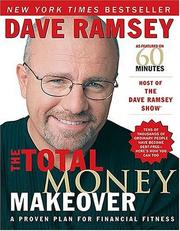
The Total Money Makeover: A Proven Plan for Financial Fitness
Dave Ramsey lays out seven Baby Steps, from a $1,000 starter fund to a paid-off house, with the debt snowball at the center.
2,663-word summary · 12 min read

Down and Out in Paris and London
Orwell's account of washing dishes in Paris hotels and tramping through London does not ask for pity, only for a clear look at how poverty actually works.
2,282-word summary · 10 min read

The Girl with Seven Names: A North Korean Defector's Story
Hyeonseo Lee crossed the frozen Yalu River at seventeen, spent years hidden in China, escaped to South Korea, and later returned to rescue her family.
2,404-word summary · 11 min read
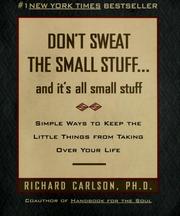
Don't Sweat the Small Stuff ... and It's All Small Stuff: Simple Ways to Keep the Little Things from Taking Over Your Life
Richard Carlson’s 1997 bestseller offers one hundred short chapters on lowering the volume on daily irritations, and it is more pragmatic than its title…
2,502-word summary · 11 min read
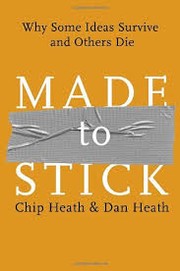
Made to Stick: Why Some Ideas Survive and Others Die
The Heath brothers break down why some ideas vanish on contact while others lodge in memory, tracing six traits that make a message stick.
2,527-word summary · 11 min read