
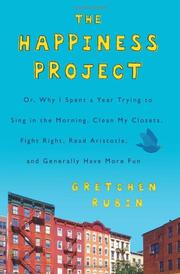
The Happiness Project
3,516-word summary 16 min read 301 pages in the book
- First published
- 2009
- Publisher
- HarperCollins
- Pages
- 301
- ISBN
- 9780061583254
Reading options
What's inside (10 sections)
- A year in twelve parts
- Energy first, because everything else leans on it
- Marriage, work, and the rooms we spend most time in
- Parenting, play, and friends
- Money, attention, and larger aims
- Commandments, secrets, and how she keeps score
- What holds up and what grates
- How I used it without moving to her life
- Key takeaways
- FAQ
The Happiness Project sat on my shelf for years before I opened it. It came out in 2009 from HarperCollins and the edition I read runs 301 pages. Friends kept mentioning it whenever habits or resolutions came up. I resisted because the title sounded a little smug, like happiness could be scheduled between dentist visits. Then a tired January arrived, the kind where you sleep badly and snap at people you love, and I thought fine, let us see what one year of trying actually looks like. I read it with a pencil. I argued with it. I kept three ideas and still use two of them.
Gretchen Rubin starts from an uncomfortable place. She has a good life. She is married, with two young daughters, living in New York, trained as a lawyer, writing for a living. Nobody would call her miserable. One gray afternoon on a bus, caught in rain and traffic, she thinks she is happy but she could be happier. She is often snappish at home. She rushes through days. She nags. She puts off fun. That admission is the engine of the book. She does not need rescue. She wants to pay closer attention and act better inside a life that already works. I found that premise easier to trust than a turnaround story. Most of us live somewhere in that middle zone.
She gives herself a year and a method. Twelve months, each with one large theme and a handful of small resolutions. She reads widely first. Psychology papers, memoirs, philosophy, religious writing, advice columns. She collects aphorisms and tests them against daily life. Then she runs experiments on herself, her husband, her kids, her friends, her desk drawers. She keeps a resolutions chart where she marks each day with a check or a blank. She also keeps a one sentence journal, a short nightly note about the day. The chart sounds rigid. In practice it reads as accountability. She wants proof on paper, not mood alone.
A year in twelve parts
The structure is simple and does a lot of lifting. Each chapter covers a month. Early months take on the basics. Later months widen toward friendship, money, attention, and larger questions about purpose. Rubin opens chapters with her aims, reports what she tried, and closes with what stuck. She repeats her personal lists throughout. The Twelve Commandments are her own short rules for living, things like being herself, letting go when she can, acting the way she wants to feel, and doing tasks promptly instead of letting them pile up. The Secrets of Adulthood are short observations she gathered over time, for instance that people notice your actions less than you fear, that fun can require effort, that outer order can calm inner noise. She treats both lists as working notes rather than sacred texts. They change as she learns.
I liked that she states her limits early. She is testing what raises her own happiness, not prescribing for everyone. She tracks her energy, her temper, her patience. She asks her family how she is doing. She admits when a resolution flops. That honesty keeps the book readable across 301 pages. Without it, a year of self tracking could feel airless. With it, you get a narrator who knows she can be difficult and says so on the page.
Energy first, because everything else leans on it
She starts with physical energy, and this remains the strongest part for me. Her logic is plain. When she sleeps little and moves little, she is short with her kids and slow at work. So January becomes about sleep, movement, and clearing space. She goes to bed earlier. She takes walks. She deals with clutter in closets and files. She tackles one nagging task that has hung around for weeks. None of this sounds grand. That is the point. She argues that small drains matter more than we admit because they repeat daily.
The sleep material hit home. Rubin describes herself as someone who stayed up late to claim free time after the kids slept, then paid for it the next day. I do the same with reading. She sets a bedtime and protects it. She also adds movement she can stand, walks and short sessions rather than heroic workouts. The clutter work surprised me with how much I enjoyed reading about it. She clears a closet, throws out dead pens, files papers, fixes a drawer that sticks. Each fix takes minutes. Together they lower the background hum of annoyance. Her line about outer order and inner calm gets quoted a lot, and living it for a week showed me why. My desk is still messy, but my entryway is clear, and mornings run smoother.
She also takes on her own crankiness in this stretch. She tries to stop yelling so much, to use a lighter tone, to move before she snaps. She is frank about failing. One calm morning does not make a calm mother. The chart helps because it shows streaks and breaks without drama. A blank box is information, not shame. I copied that idea. My own chart lasted three weeks, which told me plenty about which aims were real and which were wishes.
Marriage, work, and the rooms we spend most time in
The next stretch turns to marriage and work, the two places where low mood leaks fastest. With her husband, Rubin focuses on friction points. She tries to quit nagging, or at least to ask once and clearly instead of repeating. She tries not to keep score about small chores. She adds small warmth on purpose. A greeting at the door. A pause to listen. A little physical affection without an agenda. She also works on fighting better, staying on one topic, avoiding contempt, repairing fast after a sharp exchange. None of this is new advice. What is useful is watching her apply it in scenes. She describes biting back a comment about dishes, then feeling both proud and silly. She describes a date night that feels forced, then better than expected. Marriage here is maintenance, not romance. Unsexy and true.
The work chapters follow a similar pattern. Rubin had left law for writing and wanted to take that writing more seriously. She sets aims around focus and growth. She blocks time for hard projects. She finishes stalled tasks. She asks for help and feedback instead of stewing. She starts a blog tied to the project, which becomes both record and discipline. I found this section less vivid than the home scenes, partly because her work is solitary and flexible in ways many jobs are not. She can rearrange mornings. She can take a research day. Readers with shift work or strict bosses may read these pages and think easy for you. That reaction is fair. Still, two ideas travel well. Keep a small list of things you keep putting off and clear one a week. And choose one larger aim for the year, then break it into monthly steps so it does not stay a dream.
What I appreciated across both themes is her attention to thresholds. She learns she gets prickly when hungry or rushed. She learns her husband shuts down when criticized in front of others. She learns she writes best in the morning before email. These are not deep insights. They are the kind of plain facts we ignore for years. Writing them down makes them usable. Her husband comes across as patient and wry, willing to be studied. Her daughters come across as young kids, funny and blunt, occasionally resistant to being part of an experiment. Rubin does not hide that they sometimes roll their eyes. That helps.
Parenting, play, and friends
The middle of the year covers parenting, play, and friendship. The parenting month centers on lighter contact. Rubin tries to be sillier, to get down on the floor, to praise effort, to stop snapping over small messes. She tries to let her daughters do more for themselves. She works on her tone during homework and bedtime, the two hours when many parents lose their better selves. Some of this reads as obvious. Some of it stung. I recognized my own habit of correcting when I should be laughing. One scene where she joins a game instead of watching from the doorway stayed with me. The game was boring. The kids glowed. That trade, boredom for closeness, is parenting in one line.
Play gets its own month because Rubin realized she had funneled all free time into worthy tasks. She sets out to find more real leisure. She revisits old pleasures like reading for fun and keeping a collection. She makes time for outings that have no purpose beyond enjoyment. She notices that fun often needs planning. Spontaneous outings kept losing to laundry. Scheduled ones happened. She also admits she avoids new activities because she fears looking clumsy. Trying anyway, badly at first, becomes part of the lesson. I liked this chapter more than I expected. It gave me permission to block an hour for a walk with a friend without calling it self care or earning it first.
Friendship follows, and here the book turns outward. Rubin maps her friendships, notices who she has neglected, and reaches out. She joins or starts a group. She remembers birthdays. She makes dates and keeps them. She shows up. She also admits she can be a reluctant socializer who cancels when tired. The fix is structure. Regular meals. Standing walks. Short calls. She writes about old friends with warmth and about new ones with effort. If you moved cities or had kids and watched friendships thin, these pages feel practical. They also show her limits. Her circle is largely comfortable and nearby. She does not dig much into loneliness that comes from poverty, illness, or caregiving without backup. That gap matters and returns in the criticism later.
The chart keeps running through all of this. Some resolutions hold across months. Go to sleep earlier. Tackle a nagging task. Act with more warmth at home. Others fade. Rubin is honest about which boxes stay checked and which go blank for weeks. That running record is the best argument for her method. Memory lies. It tells you that you always yell or never exercise. Marks on paper show the actual pattern. Good weeks cluster around sleep and order. Bad weeks cluster around overload and travel. Seeing that helps her adjust aims instead of raging at herself.
Money, attention, and larger aims
Later months turn to money and to what she calls larger questions. The money chapter is not about investing. It is about buying happiness wisely, in her phrase. She spends on things that reduce friction or buy time, and on experiences with people she loves. She gives more, on purpose, and notices that giving lifts her more than buying. She fixes something broken instead of tolerating it. She buys a needed item instead of limping along. Readers hoping for budgets will be disappointed. Readers tired of clutter may find this freeing. Spend where it counts. Stop spending where it does not. Give some away.
Then she widens further. She takes on mindfulness and gratitude, attention to the present, keeping a record of happy moments, remembering that days are long but years are short. She visits places that prompt awe. She reads about death and faith without settling into one doctrine. She tries to keep a contented heart, her phrase for wanting what she has without going numb to ambition. The eternity material could have turned preachy. Mostly it stays grounded because she ties it to habits. Light a candle at dinner. Look up at the sky. Call your parents. Write the thank you note. Small rites, repeated, change the texture of weeks.
December becomes a kind of review. She looks at the full chart, rereads the one sentence journal, and asks what actually moved the needle. Sleep, movement, order, warmer tone at home, regular fun, steady contact with friends, work done in focused blocks, giving, attention. The list is plain. That plainness is the thesis. Happiness, for her, grows from concrete actions repeated in an ordinary apartment, not from a single breakthrough. I finished this section feeling both soothed and restless. Soothed because the path is walkable. Restless because I knew which of my own boxes would stay blank.
Commandments, secrets, and how she keeps score
It helps to pause on her tools, since they are the most portable part. The Twelve Commandments function as decision shortcuts. When torn, she asks what rule applies. Act the way she wants to feel gets her out the door for a walk when she feels sluggish. Do it now clears small tasks before they grow teeth. Be herself reminds her not to copy someone else's fun. Let it go stops a spiral over a rude comment. You can quarrel with any single rule. Together they form a personality on paper, which is why they work for her and may not work for you. The invitation is to write your own list, short enough to remember, honest enough to sting a little.
The Secrets of Adulthood work the same way at a smaller scale. They are one line reminders she collected from reading and living. Happiness does not always feel happy in the moment, like the tired joy after hosting a good dinner. What you do every day matters more than what you do once in a while. If you want something done, you often have to ask or schedule it. I copied three onto a card and kept it in my kitchen for a month. One helped. One annoyed me. One faded. That hit rate feels about right for this kind of book.
Her scorekeeping deserves a closer look because it divides readers. The resolutions chart is daily and visual. Each aim gets a row. Each day gets a mark. She loves streaks. She hates blanks. For a self described checker, someone motivated by expectations and gold stars, this is fuel. For rebels who resist tracking, it may feel like homework. Rubin knows this about herself and says so. She also knows that tracking changes behavior even when the aim is vague. Marking whether you were patient today forces a nightly review you would otherwise skip. The one sentence journal adds memory. A year later she can read 365 lines and see her life back. I tried a thin version. Checks for sleep, temper, and one work block. One line at night. It took four minutes. It showed me I am kinder on walking days. Cheap data, useful truth.
Research threads through all of it, and Rubin wears it lightly. She cites studies on sleep, money, gratitude, and social contact, and pairs them with philosophers and novelists. She does not drown you in footnotes. She tells you what she read, what she tried, and what happened. That blend of memoir and psychology is the book's commercial genius and its critical weak spot. It reads fast. It also leans on a sample of one. When research and her experience agree, she moves on quickly. When they clash, she usually trusts her life. That is honest, but it means confident claims sometimes rest on thin ground.
What holds up and what grates
Fair criticism first, because this book invites it. The privilege question is real. Rubin writes from a comfortable New York life with a supportive husband, healthy kids, flexible work, and enough money to fix problems by spending. She acknowledges this. Acknowledging does not erase it. Advice like hire help for tasks you hate, take a trip with friends, or clear a whole weekend for fun lands differently when money and time are tight. Readers working nights, caring for sick parents, or sharing a bedroom will need to translate hard. Some pages do not help with that translation. They assume a reader with her resources.
The anecdotal streak also shows. A resolution works for three weeks and becomes a rule. A single dinner party becomes proof about entertaining. Her daughters respond well once and a parenting tactic is declared sound. Sample size of one, observed by an interested party, is weak evidence. Rubin often notes this and moves on, which can feel breezy. If you want hard science, read the studies she cites rather than her summary alone. If you want a memoir of trying, her stories carry the freight fine.
Tone is the third rub. She can sound preachy and a little smug, especially when she grades herself well. Lists and charts multiply. Catchphrases repeat. By August I was tired of hearing about her commandments. By October I skimmed a few research digressions. A tighter edit would have helped. So would more failure. She includes flops, but the arc bends toward success. Real years contain longer slumps. Hers mostly do not, or they pass quickly between chapters.
What holds up, for me, outweighs those limits. The monthly frame is a smart container. It forces variety without chaos. One theme at a time keeps change doable. The focus on small actions respects how busy people live. Go to bed. Move. Clear one drawer. Ask once, kindly. Plan fun. Call a friend. Give something away. Pay attention at dinner. None of these require a new life. They require repetition in this one. That is both the least exciting and most useful kind of advice.
I also respect how she treats marriage and parenting as happiness projects in themselves, not as background. Many self help books aim at work and fitness and leave home as an afterthought. Rubin puts home at the center. Learning to greet her husband warmly, to play badly with her kids, to keep friendships alive by scheduling, these are unglamorous aims that shape daily mood more than any career win. Her writing on attention feels lived in. Put down the phone. Listen to the whole story. Look at the sky on the walk to school. It is easy to mock until you try it for a week and feel the difference.
The book's place in time helps explain its staying power. In 2009, habits were not yet a whole industry. Phones were present but not all consuming. Rubin hit a nerve by treating happiness as a skill built from systems, not as luck or talent. Later books would go deeper on habit loops and environment design. Hers remains valuable as a humane first pass, memoir first and manual second. Read now, some research references feel dated and some language feels earnest. The core tools still work. Track a few behaviors. Write one line a night. Pick one theme a month. Review honestly.
How I used it without moving to her life
Let me close with practice, since this book begs to be used. I did not adopt all of it. I took energy, attention, and the chart. Earlier bedtime four nights a week. A short walk before lunch. One cleared surface a day. One nagging task each Friday. Warmer greetings at home, which my family noticed before I did. A standing monthly dinner with two friends, scheduled months out so it survives busy weeks. A one line journal I still keep in a cheap notebook. Total cost was low. Effect was real. I snap less. I sleep more. I find my keys.
What I skipped tells you about fit. I did not write commandments. The form felt too fixed for me. I kept two rules on a sticky note instead. Act tired or act kind, your call. Do the small thing now. I did not track more than four aims. Past that, the chart owned me. I did not overhaul money or faith from her chapters. I took giving and attention and left the rest. That pick and mix approach feels true to her spirit. She tested on herself. You test on yourself. Keep the checks that change days. Drop the ones that only change paper.
Would I hand it to a friend. Yes, with notes. If you like experiments and lists, you will enjoy the ride. If you distrust upbeat memoirs, borrow it before you buy it and read January plus one home chapter. If life is very hard right now, through grief or money strain or illness, take it in small doses or wait. The cheer can grate when days are heavy. Come back when you have a little margin. The tools keep.
I finished my pencil marked copy thinking of that bus ride she describes near the start, ordinary rain, ordinary traffic, a woman wondering if good enough could be better. My own version happened on a late train, lights flickering, phone dead, nothing to do but think. I was fine. My people were fine. I was also rushed and short and a little numb. Rubin's year gave me a way to answer that without drama. Sleep. Move. Clear space. Be kinder at home. Do work in clean blocks. Plan fun. Keep friends. Give. Look up. Write one line. Check the box. Try again tomorrow.
FAQ
When was The Happiness Project published?
HarperCollins published it in 2009. The edition cited here runs 301 pages with ISBN 9780061583254.
How is The Happiness Project organized?
She gives each month one theme, such as energy, marriage, work, parenting, play, friendship, and larger aims, then reports what worked.
Do you need a perfect life to use it?
No. Many ideas are small habits around sleep, clutter, and attention. Readers with less time or money may need to adapt her examples.
Similar books
10% Happier
An ABC newsman panics on air, then finds meditation without losing his edge.
2,590-word summary · 12 min read
Maybe You Should Talk to Someone
Therapist Lori Gottlieb counsels John, Julie and Rita while seeing her own therapist Wendell after a breakup.
2,234-word summary · 10 min read
The Power of Habit
Why we do what we do: the cue routine reward loop, keystone habits, and how companies and movements use the same science, from toothpaste to the bus boycott.
2,207-word summary · 10 min read
The Subtle Art of Not Giving a F*ck
Blogger Mark Manson argues for fewer cares held better, through suffering, values, failure and saying no, with raw stories.
2,020-word summary · 9 min read
What Happened to You?
Oprah Winfrey and psychiatrist Bruce Perry explain how early experience shapes the brain, and why asking what happened to someone works better than asking what…
2,238-word summary · 10 min read
The Courage to Be Disliked: The Japanese Phenomenon That Shows You How to Change Your Life and Achieve Real Happiness
A philosopher and an angry young man argue over five nights about Adlerian psychology, trauma, approval, and the freedom to be disliked.
2,054-word summary · 9 min read

Too Much and Never Enough: How My Family Created the World's Most Dangerous Man
Mary L. Trump's 2020 memoir traces how a cold, zero-sum Queens household shaped her uncle, and uses family tax documents to challenge his self-made story.
2,059-word summary · 9 min read
Moonwalking with Einstein: The Art and Science of Remembering Everything
A journalist spends a year training for the U.S. Memory Championship and discovers that extraordinary memory is mostly technique, attention, and a lot of…
2,027-word summary · 9 min read
The Total Money Makeover: A Proven Plan for Financial Fitness
Dave Ramsey lays out seven Baby Steps, from a $1,000 starter fund to a paid-off house, with the debt snowball at the center.
2,663-word summary · 12 min read
Year of Yes: How to Dance It Out, Stand in the Sun and Be Your Own Person
Shonda Rhimes takes her sister’s accusation seriously and spends a year saying yes to the things that frighten her, from live television to her own reflection.
2,585-word summary · 11 min read
Don't Sweat the Small Stuff ... and It's All Small Stuff: Simple Ways to Keep the Little Things from Taking Over Your Life
Richard Carlson’s 1997 bestseller offers one hundred short chapters on lowering the volume on daily irritations, and it is more pragmatic than its title…
2,502-word summary · 11 min read
Made to Stick: Why Some Ideas Survive and Others Die
The Heath brothers break down why some ideas vanish on contact while others lodge in memory, tracing six traits that make a message stick.
2,527-word summary · 11 min read
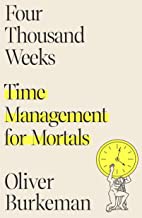
Four Thousand Weeks: Time Management for Mortals
Oliver Burkeman turns the whole productivity project on its head, arguing that a human lifespan of roughly four thousand weeks is not a problem to optimize…
2,447-word summary · 11 min read
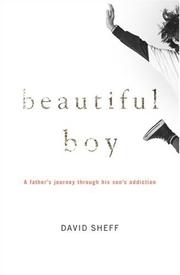
Beautiful Boy: A Father's Journey Through His Son's Addiction
David Sheff recounts watching his son Nic slide into meth addiction, and his own desperate, humbling search for how to help without destroying them both.
2,076-word summary · 9 min read

Dear Girls: Intimate Tales, Untold Secrets & Advice for Living Your Best Life
Ali Wong's debut collects fourteen letters to her daughters, covering sex, money, work, marriage, Vietnam, and being a working Asian American mother.
2,266-word summary · 10 min read
The Road Less Traveled: A New Psychology of Love, Traditional Values and Spiritual Growth
M. Scott Peck argues that maturity begins with accepting difficulty, then builds discipline, love, and spiritual growth through honest, often painful work.
2,200-word summary · 10 min read

Smoke Gets in Your Eyes: And Other Lessons from the Crematory
A young medieval history graduate takes a job at an Oakland crematory and becomes a mortician, confronting the physical reality of death and the funeral…
2,003-word summary · 9 min read
Attached
A psychiatrist and a psychologist explain adult attachment styles and show how anxious, avoidant, and secure patterns shape dating, conflict, and the search…
2,157-word summary · 10 min read
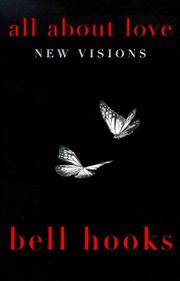
All About Love: New Visions
bell hooks borrows a definition of love as an action rather than a feeling, then spends thirteen chapters showing how hard it is to practice.
2,385-word summary · 11 min read
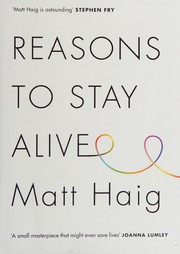
Reasons to Stay Alive
Matt Haig's memoir of the breakdown that nearly killed him at twenty four and the three years of unglamorous recovery that followed.
2,065-word summary · 9 min read
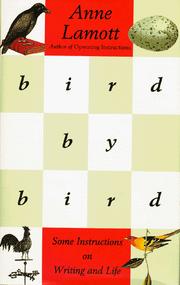
Bird by Bird
Anne Lamott's 1994 book on writing and life: shitty first drafts, the one-inch picture frame, and quieting the inner critic so you can take it bird by bird.
2,592-word summary · 12 min read
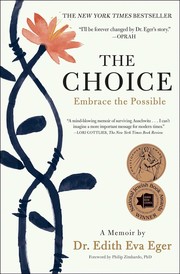
The Choice
Auschwitz survivor and therapist turns prison into a guide for healing.
2,472-word summary · 11 min read
How to Stop Worrying and Start Living
Carnegie offers day-tight routines for worry built from interviews and worker stories.
2,505-word summary · 11 min read
Dare to Lead
Research on courage shows how leaders build trust through vulnerability and clear values.
2,442-word summary · 11 min read
Essentialism
McKeown argues for less but better: discern the vital few, refuse the trivial many, and use buffers, small wins, and steady routines so key work gets done well…
2,421-word summary · 11 min read
Braving the Wilderness: The quest for true belonging and the courage to stand alone
Belonging to yourself first lets you stand alone and still stay close to others.
2,004-word summary · 9 min read

The Untethered Soul
Singer names the noisy inner voice and shows how watching thoughts, loosening old hurt, and keeping the heart open through surrender can ease daily suffering…
2,752-word summary · 12 min read
The Art of Happiness
The Dalai Lama and psychiatrist Howard Cutler link lasting happiness to training the mind, human warmth, compassion, and basic spiritual values for daily life.
3,394-word summary · 15 min read

Tiny Beautiful Things: Advice on Love and Life from Dear Sugar
Dear Sugar answers letters on love, grief, and work with tough empathy drawn from her own losses.
2,253-word summary · 10 min read

Hidden Valley Road: Inside the Mind of an American Family
The Galvin family raises twelve children while six sons develop schizophrenia across decades of shifting science.
2,492-word summary · 11 min read