
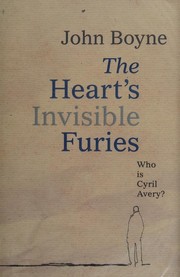
The Heart's Invisible Furies
2,904-word summary 13 min read
- First published
- 2017
- Publisher
- Doubleday
- ISBN
- 9780857523471
Reading options
What's inside (8 sections)
I picked up The Heart's Invisible Furies because a friend would not stop talking about it. She said she cried on a train while reading the last fifty pages and missed her stop. That is usually a warning sign for me. I like books that earn that kind of reaction. I do not like books that push for it. This one, published in 2017 by Doubleday, is long. It follows one man for seventy years. I told myself I would read the first section and decide. Then I looked up and I was two hundred pages in.
The man is Cyril Avery. He is born in Dublin in 1945 to an unmarried teenage mother who is cast out by her family and by her church. She dies in childbirth in a church. A priest is present for part of that awful day. The baby is adopted soon after by a well off Dublin couple, the Averys. They give him their name. They do not quite give him the feeling of being theirs. His adoptive mother tells him, more than once, that he is not really an Avery. It is said with a laugh that is not really a laugh. Cyril hears it as a child and carries it for the rest of his life.
Cyril is telling you his whole life, in order, and he does not skip the embarrassing parts.
That structure matters. Boyne divides the book into seven year spans. Each part is named for a year. 1945. 1952. 1959. And so on, all the way to 2015. You watch Ireland change in the background while Cyril tries to figure out who he is in the foreground. You watch laws change. You watch priests lose their grip on daily life. You watch what it means to be gay move from something unspeakable to something ordinary and protected. Cyril lives through all of it.
A beginning on a church step
The opening is bleak and strange and funny in a dark way. Cyril's birth mother, Catherine, travels to Dublin after she is thrown out at home for being pregnant outside marriage. She has almost no money. She has no support. She goes into labour in a church. The details are painful. Boyne does not soften them. A priest finds her and tries to help in his own limited way. He also judges her. That mix of help and judgment sets the tone for much of what follows in Irish life in this book.
Catherine dies. The baby lives. He is taken in by the Averys. They are comfortable. They have a big house. They have social standing. They do not have much warmth to spare. His adoptive father is distant and often drunk. His adoptive mother is sharp and funny and cold in turns. She likes to remind Cyril that he was adopted, as if it explains why he is different. As a child, Cyril does not have the words for why he feels different. He just knows he is watching the world from slightly outside it.
I liked this part more than I expected. Boyne writes children well. Cyril at seven is observant and literal. He misunderstands adult talk in ways that made me laugh out loud. He also absorbs shame without understanding it. There is a scene at school where he realizes that other boys talk about girls in a way he does not feel. He files it away. He does not have a name for it yet. Ireland in the 1950s does not give him one, except as an insult.
The priest from the opening keeps showing up in Cyril's life in odd ways over the years. I will not spoil each meeting. Boyne uses him as a kind of thread. Sometimes he is a figure of authority. Sometimes he is pathetic. Sometimes he is almost kind. It could feel forced. For me it mostly worked, because Boyne lets the man age and shrink. He is not a symbol. He is a tired man who made choices and has to live with them.
An Avery by name, not quite by feeling
Cyril grows up in Dublin in the 1950s and 1960s. His home life stays odd. His adoptive parents fight. They entertain. They care about appearances. Cyril learns to be polite and to keep his head down. At school he is a bright boy who does not fit. He is not athletic. He is not rebellious in the usual way. He is watchful.
Then he meets Julian Woodbead. Julian is everything Cyril is not. He is confident. He is handsome. He comes from a family that talks openly and laughs loudly. His father is a writer with strong views. His mother is warm. Their house feels alive in a way the Avery house never does. Cyril is invited in and he never really wants to leave.
The friendship between Cyril and Julian is the core of the book. Boyne takes his time with it. They smoke together. They talk late. They go to parties. Cyril falls in love with Julian slowly and then all at once. He does not tell him, not really, not for a long time. He is a teenage boy in Catholic Ireland. He has heard what priests say. He has heard what boys at school say. He believes for years that what he feels is a fault to be hidden.
There is a passage where Cyril tries to pray his feelings away. It is not written for laughs. It is written plainly. He is earnest. He wants to be normal, as he understands it. He bargains. He promises to be good. When nothing changes, he feels abandoned. I found those pages hard to read in a good way. Boyne does not preach here. He just stays close to Cyril's thoughts. You feel how lonely it is to want something you cannot name in a room full of people who claim to love you.
Cyril also starts to notice the gap between what adults say in public and what they do in private. His adoptive father has secrets. Men he meets at parties make jokes in public and behave very differently when they think no one is watching. Dublin feels small and watchful. Everyone knows everyone. Reputation matters more than truth. For a boy who already feels like a fraud in his own home, that pressure is heavy.
Julian Woodbead
If Cyril is the heart of the book, Julian is the ache that never quite leaves. Julian Woodbead is charming and reckless and generous. He brings Cyril into his circle. He defends him. He teases him. He also does not see Cyril clearly, not at first. Julian assumes Cyril wants the same life he wants. Girls. Marriage. Children. A bright future that looks like his parents' life with a few modern touches.
Cyril goes along with it for a while. He dates a girl. He tries. He wants to want what Julian wants. There are some painful and funny scenes around this. Dances. Awkward kisses. Cyril trying to perform interest he does not feel. Julian, meanwhile, drifts through romances with ease. He does not understand why Cyril is so tense. He tells Cyril to relax. It is the kind of advice only a person who has never had to hide can give.
The love story here is slow. Boyne does not rush to a confession or a kiss. He lets years pass. Cyril leaves Dublin for a time. He comes back. Julian marries. Julian has children. Life moves. Cyril loves other men in between, some kindly, some badly. But Julian remains the fixed point. I worried this would feel repetitive. It did not, quite, because Boyne shows how Cyril's love changes shape. At first it is worship. Then it is desire. Then it is grief for a life they cannot have. Then it becomes something steadier, built on knowing each other for decades.
There is a trip they take together as young men. There are letters. There are missed chances that made me want to shake both of them. One scene in particular stayed with me. Cyril almost tells Julian the truth on a night when they are both a little drunk and unusually honest. He stops himself. The moment passes. Boyne does not underline it. He just moves on to the next day, and you feel the weight of all the days that follow from that silence.
Julian is not perfect. He can be selfish. He can be careless with people who love him. His politics are louder than his actions at times. But Boyne loves him, and I did too. He feels real. He ages. He makes a mess of his marriage. He tries to be a good father and sometimes fails. His friendship with Cyril survives because both men keep choosing it, even when it hurts.
Exile and the hard years
In his twenties Cyril leaves Ireland. He cannot live honestly at home, so he goes to Amsterdam. Then later he spends time in New York. These middle sections cover the 1970s and 1980s. They are among the strongest and the hardest parts of the book.
Amsterdam feels like air after Dublin. Cyril finds work. He finds friends who do not flinch when he says who he is. He has his first real adult relationship. It is tender and clumsy and adult in a way his earlier crushes were not. He learns how to live day to day as a gay man without constant fear. He also learns that freedom does not fix everything. He still carries shame. He still hears his adoptive mother's voice. He still measures himself against Julian's life back home.
New York is different. Boyne writes about the early 1980s with care. Cyril arrives full of hope. He finds a community. He finds bars and apartments and jobs and friends who become family. Then illness arrives. Men start getting sick. Friends disappear. The fear is slow at first, then fast. Boyne does not turn this into a history lesson. He stays with Cyril and the small circle around him. A roommate who coughs and does not get better. A friend who stops coming out. A phone that stops ringing. A funeral, then another.
I thought these pages were handled with grace. Boyne does not use the AIDS crisis for shock. He shows the confusion of those years, the rumors, the cruelty in some papers, the kindness of nurses and friends, the way the government seemed far away. Cyril loses people he loves. He survives. Survivor guilt follows him. He drinks too much. He pushes people away. He keeps going because there is no other choice.
There are also legal shadows in this part of the book. In Britain there was a rule known as Section 28 that chilled honest talk about gay life in schools. In Ireland the laws were their own kind of weight for a long time. Boyne does not lecture. He shows Cyril editing himself on forms, in job interviews, at borders. He shows jokes that land wrong. He shows how much energy it takes to be careful all the time. If you are younger, some of this may feel distant. Boyne makes it feel close by keeping it personal. Cyril is not fighting a law in court. He is trying to rent a flat with his boyfriend without lying.
A country changing at last
Cyril comes back to Dublin as an older man. Ireland has changed. It has changed a lot. Divorce is legal. Contraception is available. The church has been shaken by scandals. Attitudes toward gay people have shifted in a way that would have seemed impossible when Cyril was a boy hiding in his bedroom. Boyne tracks this without turning it into a parade. He uses small scenes. A conversation with a taxi driver. A vote. A wedding invitation. A young relative who is openly gay and cannot understand what Cyril went through. That gap between generations is one of the best things in the book.
Cyril works for a time in a job that puts him close to the state and its paperwork. He sees how the country tells its story about itself. He also starts to reckon with his own story. He reconnects with old friends. He visits graves. He tries to make amends with people he hurt when he was younger and more frightened. Some accept his apology. Some do not. Boyne lets those scenes sit without forcing a neat close.
His adoptive parents age and die. Those chapters are quiet and sad. Cyril never gets the open love he wanted from them. He gets something smaller and still real. A letter. A memory. A moment of honesty near the end. I found myself forgiving his adoptive mother a little, even as I disliked her for much of the book. Boyne gives her a few lines late in life that reframe her coldness without excusing it. She was a woman trapped in her own rules. That does not heal Cyril. It helps him understand her.
Julian remains. Their friendship in middle age is tender and complicated. Julian has lived his own hard years. Marriage. Fatherhood. Health scares. Regret. The two men know each other so well that they can hurt each other without trying. They also know how to make each other laugh like no one else can. There is a scene where they sit in a kitchen late at night, both older, both tired, talking about the past without bitterness. It felt true to long friendship. No big speeches. Just two people who have seen each other at their worst and stayed.
I will not spoil the final pages. I will say that Boyne aims for healing. Cyril, who began life as an unwanted baby in a church, gets to end his story with a sense of belonging he chose for himself. There is forgiveness in it. There is also grief. People who are gone stay gone. Ireland votes for marriage equality in 2015, and Cyril watches it with feelings too mixed to fit on a sign. Joy. Anger that it took so long. Relief. Sorrow for friends who did not live to see it.
What stayed with me, and what grated
I loved a lot of this book. I loved Cyril's voice. It is dry and self critical and warm. He tells his own story with humor even when the facts are sad. He admits when he was cowardly. He admits when he was snobbish or drunk or unkind. That honesty makes the long page count easier to carry. You trust him, even when you want to argue with him.
I loved how Boyne writes Ireland. Dublin feels specific. Pubs. Streets. Flats. Hospitals. Courtrooms. Country houses. He shows a place moving from fear to openness without pretending the past did not happen. If you know little about Irish history, you will still follow it. Boyne folds the facts into daily life. A referendum comes up at dinner. A law changes how a character fills in a form. A priest's sermon sounds different in 1975 than in 2005, and you hear why.
The shape is old fashioned in a good way, one life told start to finish without tricks.
Now the complaints, because this book is not flawless. It is long. At around seven hundred pages in most printings, it asks a lot. Some stretches could have been shorter. The middle years, especially around Amsterdam and New York, have episodes that repeat the same lesson. Cyril meets a man. Cyril hides or runs. Cyril drinks. Cyril regrets. I understood why Boyne did it. A life does repeat. But as a reader I felt the drag in a few places and started skimming dialogue.
Coincidence is the bigger issue. People from Cyril's past keep turning up in unlikely places at unlikely times. A stranger becomes a relative. A chance meeting in another country solves a mystery from childhood. A minor character from early on returns with perfect timing near the end. Once or twice this felt delightful, like a wink. After five or six times it felt built. Real life is messy and loose. This plot is tidy in a way real lives rarely are. I was willing to accept it because the feeling was strong, but I noticed it.
Tone is the last quibble. Boyne likes a big feeling. He likes a deathbed scene. He likes a letter found at the right moment. He likes tears. Most of the time he earns them. A few times I felt nudged. The final section reaches for uplift, and I wanted a little more restraint. Cyril has earned peace. I did not need every thread tied. A looser ending might have stayed with me longer.
Would I still press this book on friends. Yes. I already have. If you want a story that shows how gay life in Ireland moved from shame to openness through one ordinary and stubborn man, this is a generous and moving place to start. Go in knowing it is long and sentimental in spots and fond of coincidence. Stay for Cyril and Julian. Stay for the humor in dark places. Stay for the late pages, when an old man who was once told he was not really an Avery finally gets to say who he is, out loud, and be believed.
FAQ
Who is Cyril Avery in The Heart's Invisible Furies?
He is the narrator, adopted as a newborn in Dublin in 1945, whose life from childhood to old age carries the story through 2015.
Is The Heart's Invisible Furies part of a series?
No. It is a standalone novel published in 2017 by Doubleday, following one life from start to finish.
What time and places does the novel cover?
It runs from 1945 to 2015, mostly in Dublin with long stretches in Amsterdam and New York during years shaped by the AIDS crisis.
Similar books
Foster
A girl spends a summer with relatives on a Wexford farm and is cared for properly for the first time. A spare novella about family and what children notice…
2,043-word summary · 9 min read
On Earth We're Briefly Gorgeous
A son writes to the mother who cannot read him: war, migration, first love, and loss in one Vietnamese American family in Hartford.
3,113-word summary · 14 min read
Call Me by Your Name
One summer on the Italian Riviera: seventeen-year-old Elio and grad student Oliver circle each other through swims, talks, and missed chances.
2,627-word summary · 12 min read
The Idiot
A Turkish-American freshman at Harvard falls in love through email with a Hungarian math student and spends a summer in Hungary trying to turn correspondence…
2,019-word summary · 9 min read

Less Than Zero
Clay returns to Los Angeles for Christmas and drifts through parties, drugs, and old friends, including one who is selling himself to survive.
1,926-word summary · 9 min read

The Age of Miracles
A California girl grows up while the Earth's rotation slows, and ordinary adolescence continues alongside slow catastrophe.
2,417-word summary · 11 min read
Peace Like a River
An asthmatic boy in the early 1960s narrates his family's search for his older brother, who is accused of two killings and has escaped custody.
1,969-word summary · 9 min read

We Are Okay
Marin fled San Francisco after her grandfather vanished and stopped answering anyone. When Mabel visits her college dorm, she has to say what happened.
2,253-word summary · 10 min read

The Chosen
A shattered pair of glasses in a 1944 Brooklyn softball game starts a friendship between a Hasidic boy and his Orthodox neighbor, and their fathers pull them…
2,443-word summary · 11 min read
Infinite Jest
A film that kills its viewers, a tennis academy, a halfway house for addicts, and a future America where corporations name the years, all tangled together.
2,084-word summary · 9 min read
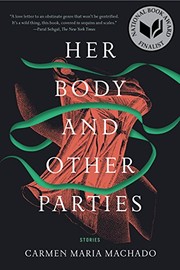
Her Body and Other Parties: Stories
Eight stories where bodies, medicine and old fairy tales get taken apart, with a green ribbon running through the whole book.
2,997-word summary · 13 min read

Big Swiss
A transcriptionist for a sex coach falls for one of his clients, the tall Swiss gynecologist she calls Big Swiss, in a funny novel about work and secrets.
2,523-word summary · 11 min read

Orlando
A young Elizabethan nobleman becomes a woman and lives for centuries, moving through English history while writing a single poem about an oak tree.
2,030-word summary · 9 min read

Aristotle and Dante Dive into the Waters of the World
Ari and Dante return for senior year in El Paso, navigating first love, AIDS, family grief, and the cost of being openly gay in 1987 Texas.
2,188-word summary · 10 min read

The Story of Edgar Sawtelle
A mute boy on a Wisconsin dog-breeding farm relives Hamlet as his uncle returns, his father dies in the barn, and the dogs inherit what is left.
2,392-word summary · 11 min read
Luster
Edie, twenty-three and adrift in New York, falls into an affair with an older white archivist in an open marriage, and into the orbit of his wife and adopted…
2,049-word summary · 9 min read
Loveless
Georgia starts university sure she wants love, then learns she is aro-ace.
2,539-word summary · 11 min read
I Capture the Castle
Cassandra journals six months of love and money trouble in a castle.
2,402-word summary · 11 min read
Ham on Rye
Henry Chinaski grows up rough in Depression Los Angeles and finds writing.
2,244-word summary · 10 min read

The Interestings
Meg Wolitzer follows Jules Jacobson from 1974 arts camp into middle age, as friendship with Ethan and Ash turns into envy, money gaps, marriage strain, and…
2,990-word summary · 13 min read
Summer Sisters
Vix and Caitlin share Martha's Vineyard summers from age twelve into adulthood, through first love, grief, marriage, and a disappearance that still haunts Vix.
3,633-word summary · 16 min read
Brideshead Revisited
At Oxford Charles Ryder befriends Sebastian Flyte and falls into the Catholic Marchmain family, from Brideshead summers to Julia's affair and Lord Marchmain's…
2,353-word summary · 10 min read
Ulysses
Bloom, Stephen, and Molly cross Dublin on June 16 1904 in parallel to Odyssey, from breakfast to night bed yes.
2,222-word summary · 10 min read
Purple Hibiscus
Kambili, fifteen, watches her devout factory-owner father rule the Enugu house through fear until a Nsukka visit teaches her speech and freedom.
2,595-word summary · 12 min read
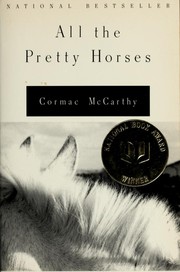
All the Pretty Horses
John Grady and Rawlins ride to Mexico for ranch work, finding love, prison, and a code that costs all.
2,677-word summary · 12 min read
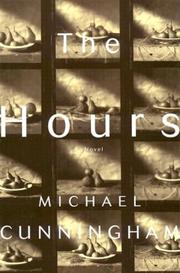
The Hours
Michael Cunningham's 1998 novel braids three lives around Virginia Woolf's Mrs. Dalloway: the author in 1923, a reader in 1949, and an editor in 1990s New York.
2,989-word summary · 13 min read
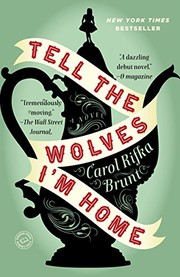
Tell the Wolves I'm Home
A grieving fourteen year old secretly befriends her late uncle's boyfriend in 1980s New York, testing family loyalty and love.
3,014-word summary · 13 min read
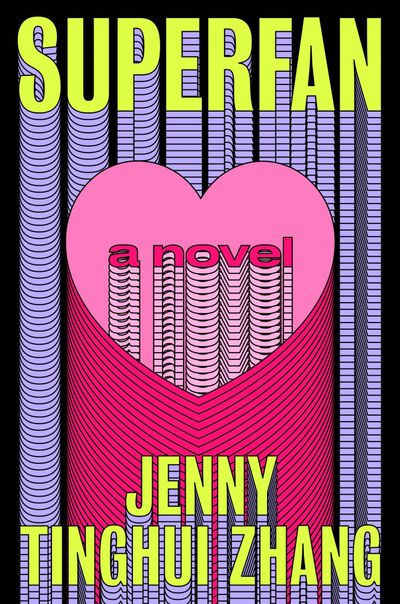
Superfan
A lonely Austin freshman pours herself into a boy band forum while her idol Halo hides a tragic past that could ruin them both.
2,127-word summary · 9 min read
So Old, So Young
Six college friends reunite at five parties over twenty years in Ginder's funny, moving novel of millennial friendship.
2,457-word summary · 11 min read

Half His Age
Teen Waldo begins an affair with her teacher Mr. Korgy.
2,491-word summary · 11 min read