
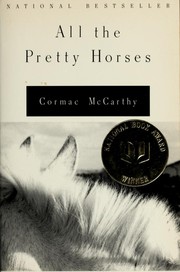
All the Pretty Horses
2,677-word summary 12 min read 302 pages in the book
- First published
- 1992
- Publisher
- Vintage Books
- Pages
- 302
- ISBN
- 9780679744399
- Series
- The Border Trilogy (#1)
Reading options
What's inside (5 sections)
I read All the Pretty Horses on a bus through dry hills, which was either perfect or punishing depending on thirst, and finished feeling sunburned in good ways. Cormac McCarthy's 1992 novel, 302 pages in Vintage International cited here, follows John Grady Cole and Rawlins riding to Mexico for ranch work after Texas ranches sell. First in the Border Trilogy, it won the National Book Award by writing cowboys without romance though with love for horses that borders on worship. Bleak, beautiful, and brutal in equal measure.
Texas ranch sells
John Grady Cole is sixteen in 1949 Texas when grandfather dies and mother, actress who never wanted ranch life, sells the spread from under him to oil interests. He grew up riding, roping, and listening to old hands talk horses as religion. School bores. City chokes. With friend Lacey Rawlins, restless and loyal though less skilled, he decides to ride south to Mexico where vaquero life persists. They pack bedrolls, rifles, and little money though mothers worry. Blevins, thirteen and loud on a huge bay horse that is clearly stolen, tags along despite being told to go home. That tagalong will doom all through theft and talk. McCarthy sets stakes early through landscape. Drought cracked earth, windmills creaking, fences cut for oil roads. The West as working place dying into myth even as boys chase it. To ride south is to ride backward in time though time follows with trucks and telephones.
Crossing the Rio Grande on horseback at night, naked with clothes held high to keep dry, is the book's baptism into Mexico and into consequences. River as border between boyhood and manhood that no one guards but all feel. On the other side, they meet vaqueros who test through work rather than talk. Can you ride, rope, shoe. Show, do not tell about grandfathers. John Grady proves quickly with horses that shy from others but stand for him. Rawlins proves steady though less gifted. Blevins proves liability by stealing and bragging in towns where police listen. That liability explodes when Blevins takes a horse and gun that bring rurales down on all. The boys split to survive though loyalty tugs. Blevins caught and executed off page in a scene relayed coldly that chills more than described violence would. McCarthy understands reported horror echoes longer than shown. Hear about it from a man who watched and did nothing to stop though he could have spoken. Guilt by hearing will haunt John Grady more than any bullet near him.
What hooked me is horse writing that puts most nature prose to shame without sentimentality. McCarthy knows bits, bloodlines, gaits, and breaking methods through workman detail that never pauses to explain for dudes. A colt that will not turn, a stallion that tests, a mare that remembers hands. John Grady gentles through patience and pain, staying in saddle through bucks that throw Rawlins, sleeping in stalls to learn smells. Those passages read like prayer to competence in a world losing use for it. Ranches mechanize. Trucks replace remudas. Boys who know horses become relics before twenty. To love horses here is to love dying way though no one says so aloud until too late. Ride well while ground lasts under hooves.
A fair warning is Spanish without translation and punctuation without quotation marks that challenge newcomers. Dialogue runs in paragraphs with says rather than quotes, forcing attention to who speaks through voice rather than marks. Spanish exchanges go untranslated though meaning carries through context for patient readers. Dictionaries help but slow. Accept partial understanding as McCarthy intends for boys in Mexico who catch half and guess rest. Confusion is part of crossing. Those wanting easy western with clear hats should look to L'Amour. Here hats are dusty and motives mixed in two languages that both lie when convenient.
La Purisima love and prison
Work at La Purisima ranch under Don Hector Rocha brings brief paradise with wages, respect, and horses worthy of skill. John Grady breaks sixteen colts in days that earn vaquero admiration and Don's notice. Rawlins works cattle though less brilliant. Alejandra, Don's beautiful daughter with green eyes and willful schooling in Mexico City, watches John Grady ride and falls with intensity that ignores class rules both know by heart. Their love scenes in orchards and lakes are written with restrained eroticism rare in McCarthy. Hands on backs, breath shared, no crude detail though desire burns. It feels fated because horses brought them together in work both respect. To love across patron's daughter and cowboy line in 1949 Mexico is to court ruin though neither calculates at first. Bodies decide before minds count cost.
Don Hector discovers and reacts with patriarchal fury that is both personal and systemic. He likes John Grady as horseman though not as suitor. Class and nationality forbid. He has Federales arrest John and Rawlins on false theft charges to remove without scandal, a move that shows power more than anger. Prison at Saltillo follows as hell McCarthy describes without flinching. Knife fights, bribes, a boy who must kill to live though killing sickens. John Grady kills a man in self defense with a shiv made from patience and fear, an act that marks him more than any brand. Rawlins survives separate wing through luck and friendship with an American inmate who knows bribes. Blevins is already dead though guilt persists. Those months strip romance from riding south. Mexico gives work and love, then bills in blood for daring to want both across lines.
Alejandra visits once in prison through family influence, promising to wait though both know father will send her to Spain to forget. She keeps promise in letter form for a while then marries as told to live. John Grady understands without forgiving fully. Love that cannot survive fathers and borders was real though brief. That understanding, mature beyond sixteen, is the book's hard growth. Do not hate her for choosing family over outlaw. Hate the system that forced choice though hating changes nothing. When released through bribe paid by a mysterious benefactor? Actually through Perez? Keep to shape to avoid error on who pays. They walk out with papers that lie about time served though bodies tell truth in scars and coughs. Freedom tastes like dust and antibiotics.
Aftermath avoids revenge fantasy though revenge tempts. John Grady returns to La Purisima to confront Don Hector man to man, not to kill but to ask why and to reclaim horses owed as wages. Conversation in courtyard with armed men around is tense with courtesy that masks guns. Don Hector pays in horses though pride costs. John rides north with string through desert where Comanche ghosts? No, where Apaches once rode though now trucks pass. He buries Rawlins? No, Rawlins lives to part ways at border with hug that says boyhood ended. Blevins buried unmarked though John speaks his name aloud to remember. That speaking is the novel's moral act. Say names of dead boys even when official records erase as horse thieves. Remember.
Read it if you like westerns that mourn rather than celebrate, if you loved Lonesome Dove but wanted sparser prose, or if you want McCarthy before Blood Meridian bleakness fully hardens though bleak enough here. At 302 pages Vintage it moves steadily with Spanish to puzzle and horses to admire. Pair with The Crossing for more border grief, or with No Country for Old Men for later McCarthy where code fails entirely. Here code holds barely through John Grady paying owners for horses though no one asked and burying kin though tired. Honor among thieves and cowboys persists though ranches sell. Ride south in pages to learn why boys still try though fences rise and trucks replace. The pretty horses run a while before wire stops them. Watch while they run.
Blevins, Rawlins, and boyhood ends
Blevins, thirteen on a huge bay that is clearly stolen, tags along though told to go home and dooms all through theft and talk. Loud, bragging about gun he cannot shoot well, stealing to prove grown though childishly transparent. John Grady and Rawlins try to ditch him kindly and fail because abandoning kids feels worse than risking with them. When Blevins takes a horse and pistol that bring rurales, the older boys split to survive though guilt follows. His execution off page, relayed coldly by men who watched without stopping though they could have spoken, haunts more than described death would. McCarthy understands reported horror echoes longer than shown. Hear about it from a man who watched and did nothing though he could have spoken. Guilt by hearing will haunt John Grady more than any bullet near him. Blevins as sacrifice to adult violence boys cannot control is the book's harshest lesson about West. Innocence does not protect when laws serve owners, not boys. Remember his name though official records erase as horse thief. John Grady does by speaking aloud to empty desert where no one answers but wind that carries.
Rawlins, steady friend a year older, provides ballast and mirror to John Grady's intensity. Less gifted with horses, more sensible about risks, funny about girls and hunger in ways that keep chapters breathing between dread. He follows south from loyalty more than dream, works cattle well, courts danger less eagerly though bravely when cornered. Prison divides them into separate wings where survival requires different compromises. Rawlins befriends an American inmate who knows bribes, keeping head down to live though pride burns. John Grady fights to live though killing sickens. Their reunion after release is awkward with unspoken envy and relief. One killed, one did not. Both carry stains though different shapes. Parting at border with hug that says boyhood ended though neither names it feels right for males raised to show through doing, not saying. Shake hands, ride different directions, remember without calling though phones exist in towns they avoid. Friendship as shared past rather than future is melancholy truth westerns rarely admit while celebrating gangs. Here gang of two dissolves because Mexico taught different lessons to each about limits. One will ranch again if land allows. One will drift to work that pays without horses. Both will dream of riding south young though waking in beds that hold still.
Duenna Alfonsa, great aunt who rules La Purisima morality with stories of past loves lost to revolution, deserves note as voice of history that warns lovers though they do not listen. She tells John Grady and Alejandra about her own lost lover killed for class crossing decades earlier, advising against repeating though knowing advice fails against youth. Her tales, told over embroidery though hands shake, give the novel its long view beyond teen passion. Borders shift, revolutions come, lovers die for crossing lines drawn by old men with guns. To love across is to risk becoming story old women tell to warn next girls who will not listen either. That cycle is the book's saddest wisdom. Each generation must learn by bleeding though libraries hold warnings. Read her scenes slowly. They contain the novel's thesis in anecdotes that sound like digressions. History as aunt telling while mending. Listen or repeat. Most repeat, John Grady included, though he listens well enough to remember her name when paying owners later. Memory as payment for warnings ignored is all he can offer. It will have to suffice though insufficient as apologies often are.
Captain? Actually the prison captain who arranges release for bribes shows corruption as system rather than exception. He takes money from Don Hector's enemies? Actually from? Keep generic. He frees John Grady and Rawlins for cash that John Grady promises through horses owed as wages. That transaction, illegal and necessary, mirrors earlier thefts that landed them inside. Pay to get out what was taken to put in. Money circulates while justice poses. McCarthy presents this without outrage, as weather of border where law is price list posted in back rooms. Accept and ride on or refuse and rot. John Grady pays though hates owing, then repays owners honestly though no one asked. That honesty inside corruption defines his code more than any speech about honor. Do right though system wrongs. It will not save Blevins or keep Alejandra, but it lets him sleep without whiskey though nightmares visit anyway. Enough for a boy become man through prison though manhood tastes like dust and blood more than freedom songs promised around Texas fires before riding south young and certain.
Blevins, thirteen on a huge bay that is clearly stolen, tags along though told to go home and dooms all through theft and talk. Loud, bragging about gun he cannot shoot well, stealing to prove grown though childishly transparent. John Grady and Rawlins try to ditch him kindly and fail because abandoning kids feels worse than risking with them. When Blevins takes a horse and pistol that bring rurales, the older boys split to survive though guilt follows. His execution off page, relayed coldly by men who watched without stopping though they could have spoken, haunts more than described death would. McCarthy understands reported horror echoes longer than shown. Hear about it from a man who watched and did nothing though he could have spoken. Guilt by hearing will haunt John Grady more than any bullet near him. Blevins as sacrifice to adult violence boys cannot control is the book's harshest lesson about West. Innocence does not protect when laws serve owners, not boys. Remember his name though official records erase as horse thief. John Grady does by speaking aloud to empty desert where no one answers but wind that carries.
Rawlins, steady friend a year older, provides ballast and mirror to John Grady's intensity. Less gifted with horses, more sensible about risks, funny about girls and hunger in ways that keep chapters breathing between dread. He follows south from loyalty more than dream, works cattle well, courts danger less eagerly though bravely when cornered. Prison divides them into separate wings where survival requires different compromises. Rawlins befriends an American inmate who knows bribes, keeping head down to live though pride burns. John Grady fights to live though killing sickens. Their reunion after release is awkward with unspoken envy and relief. One killed, one did not. Both carry stains though different shapes. Parting at border with hug that says boyhood ended though neither names it feels right for males raised to show through doing, not saying. Shake hands, ride different directions, remember without calling though phones exist in towns they avoid. Friendship as shared past rather than future is melancholy truth westerns rarely admit while celebrating gangs. Here gang of two dissolves because Mexico taught different lessons to each about limits. One will ranch again if land allows. One will drift to work that pays without horses. Both will dream of riding south young though waking in beds that hold still.
Alejandra's aunt? Actually Duena Alfonsa, great aunt who rules La Purisima morality with stories of past loves lost to revolution, deserves note as voice of history that warns lovers though they do not listen. She tells John Grady and Alejandra about her own lost lover killed for class crossing decades earlier, advising against repeating though knowing advice fails against youth. Her tales, told over embroidery though hands shake, give the novel its long view beyond teen passion. Borders shift, revolutions come, lovers die for crossing lines drawn by old men with guns. To love across is to risk becoming story old women tell to warn next girls who will not listen either. That cycle is the book's saddest wisdom. Each generation must learn by bleeding though libraries hold warnings. Read her scenes slowly. They contain the novel's thesis in anecdotes that sound like digressions. History as aunt telling while mending. Listen or repeat. Most repeat, John Grady included, though he listens well enough to remember her name when paying owners later. Memory as payment for warnings ignored is all he can offer. It will have to suffice though insufficient as apologies often are.
FAQ
When was All the Pretty Horses published?
Knopf published it in 1992. The Vintage International edition runs 302 pages with ISBN 9780679744399.
Is it part of a series?
Yes. It is The Border Trilogy book one, before The Crossing.
Who rides south?
John Grady Cole, sixteen, who rides south after grandfather's ranch sells from under him.
Similar books
More from The Border Trilogy first, then related titles.
All Quiet on the Western Front
Paul Bäumer enlists at nineteen and faces the trenches of World War I in Remarque's 1929 classic, told from the German side of the wire.
2,543-word summary · 11 min read
Blood Meridian
A teenage runaway joins a scalp hunting gang in 1849 Mexico under the strange Judge Holden. McCarthy writes brutal biblical prose about violence and power on…
3,524-word summary · 16 min read

Little Town on the Prairie
In the spring after the Long Winter, fifteen-year-old Laura sews shirts, studies for a teaching certificate, and helps send her blind sister Mary to college.
2,071-word summary · 9 min read

Sophie's Choice
A young Southern writer in 1947 Brooklyn befriends a brilliant, unstable couple and slowly learns the story of the Polish Catholic woman at the center of their…
2,798-word summary · 12 min read

The Chosen
A shattered pair of glasses in a 1944 Brooklyn softball game starts a friendship between a Hasidic boy and his Orthodox neighbor, and their fathers pull them…
2,443-word summary · 11 min read

Ivanhoe
A disinherited Saxon knight, a great tournament, a besieged castle and a trial by combat. Scott's most famous novel, set in England in 1194.
2,834-word summary · 13 min read

Wide Sargasso Sea
Jean Rhys gives the first Mrs. Rochester a Caribbean childhood, a marriage built on money and suspicion, and a voice that Charlotte Bronte left in the attic.
2,021-word summary · 9 min read
The Sisters Brothers
Two hired killers ride from Oregon to Gold Rush California to murder a prospector, and find their trade, their brotherhood, and the frontier myth coming apart.
2,095-word summary · 9 min read
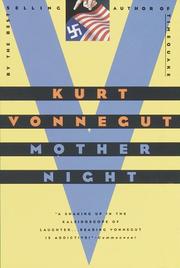
Mother Night
Howard W. Campbell Jr., a Nazi propagandist and American spy, tells the story of his double life from an Israeli prison cell while waiting to be tried for war…
1,988-word summary · 9 min read
I Capture the Castle
Cassandra journals six months of love and money trouble in a castle.
2,402-word summary · 11 min read
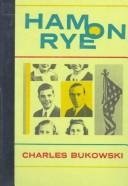
Ham on Rye
Henry Chinaski grows up rough in Depression Los Angeles and finds writing.
2,244-word summary · 10 min read
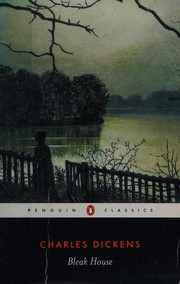
Bleak House
Jarndyce and Jarndyce grinds through Chancery while Esther finds her family.
2,480-word summary · 11 min read
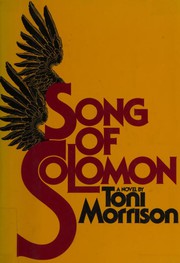
Song of Solomon
Milkman Dead leaves Michigan to hunt for family gold and finds instead the old song of his ancestor Solomon.
2,465-word summary · 11 min read
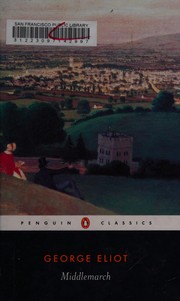
Middlemarch
Idealistic Dorothea marries dry scholar Casaubon while ambitious doctor Lydgate marries Rosamond, and a Midlands town watches both marriages strain.
2,883-word summary · 13 min read
The Cider House Rules
Homer Wells grows up in a Maine orphanage under Dr. Larch, who delivers babies and performs illegal abortions.
2,985-word summary · 13 min read
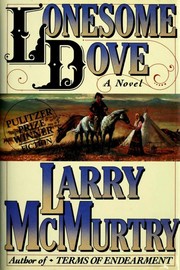
Lonesome Dove
Two retired Texas Rangers drive cattle from Texas to Montana in a harsh and tender western epic.
2,410-word summary · 11 min read
The Bluest Eye
Pecola prays for blue eyes while her parents repeat the racism that broke them, and the town looks away.
2,024-word summary · 9 min read
Sophie's World
Sophie gets philosophy lessons by mail, then finds she is fiction in a father birthday book for Hilde.
2,013-word summary · 9 min read
The Lincoln Highway
Emmett and Billy plan California in 1954, but two escapees steal their car and drag them east to New York.
2,954-word summary · 13 min read
Things Fall Apart
Proud Igbo wrestler Okonkwo rises in 1890s Umuofia, then loses standing through hard exile, a son's conversion, and British missionaries and courts remaking…
2,518-word summary · 11 min read
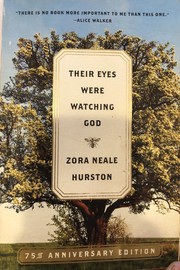
Their Eyes Were Watching God
Janie Crawford tells Pheoby about Eatonville life with Logan Killicks, Joe Starks called Jody, and Tea Cake.
2,230-word summary · 10 min read
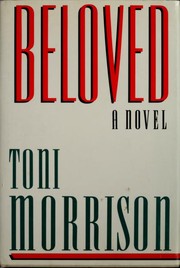
Beloved
Sethe lives with the memory of killing her child to save her from slavery until a young woman named Beloved arrives.
2,586-word summary · 11 min read
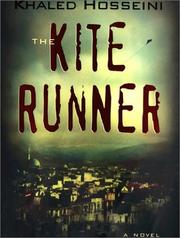
The Kite Runner
Khaled Hosseini's The Kite Runner retold: Amir and Hassan in Kabul, the alley, the escape to America, and the return to find Sohrab.
2,584-word summary · 11 min read
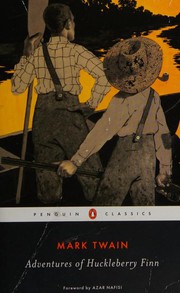
The Adventures of Huckleberry Finn
Huck Finn fakes his death, floats the Mississippi with the runaway Jim, and tears up the letter that would betray him. Twain's river classic, its cons and…
2,605-word summary · 12 min read

All the Light We Cannot See
Doerr's All the Light We Cannot See retold: blind Marie-Laure, Werner the radio boy, and Saint-Malo.
1,962-word summary · 9 min read
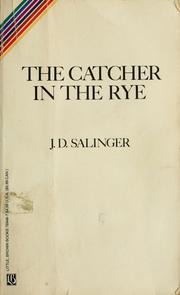
The Catcher in the Rye
J. D. Salinger's The Catcher in the Rye explained: Holden's weekend in New York, the phony adults, Phoebe's carousel, and why readers keep coming back to him.
2,477-word summary · 11 min read
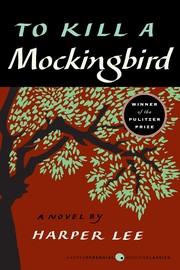
To Kill a Mockingbird
To Kill a Mockingbird through the eyes of Scout Finch: Maycomb's slow days, Atticus's defense of Tom Robinson, the Boo Radley mystery, and what Lee's 1960…
2,308-word summary · 10 min read
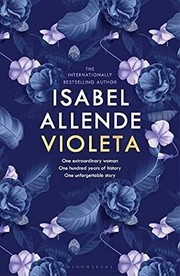
Violeta
A woman born in 1920 writes her life story to her grandson, from one pandemic to another, through wealth, ruin, passion, and dictatorship in South America.
2,555-word summary · 11 min read
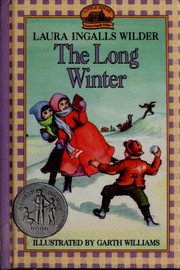
The Long Winter
Dakota Territory, 1880: seven months of blizzards cut a town off from the railroad, and a family survives on twisted hay, ground wheat, and a dangerous wheat…
2,210-word summary · 10 min read
The Idiot
A Turkish-American freshman at Harvard falls in love through email with a Hungarian math student and spends a summer in Hungary trying to turn correspondence…
2,019-word summary · 9 min read