
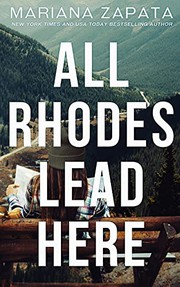
All Rhodes Lead Here
2,249-word summary 10 min read 570 pages in the book
- First published
- 2021
- Publisher
- Mariana Zapata
- Pages
- 570
- ISBN
- 9781953262011
Reading options
What's inside (10 sections)
I have read enough Mariana Zapata to know the drill. Slow burn, grumpy hero, capable heroine, dogs, small town, no cheating, long book. All Rhodes Lead Here follows that pattern and still made me tear up twice. It is about Aurora, thirty something and widowed young, who moves to Pagosa Springs, Colorado to fix her late mother's rented farmhouse and start over.
Aurora arrives broke and grieving
Aurora De La Torre lost her husband young to illness, then her mother to cancer. She sells what she can in the city, packs her two huge rescue dogs, and drives to the mountains with a tight budget and a looser plan. The farmhouse is worse than photos. Leaky roof, ancient wiring, mice, a yard of weeds. She cries in the driveway, then makes a list because lists are how she survives.
Money shapes every choice. She freelances remote work that pays unevenly, prices roofs she cannot afford, learns to patch drywall from videos. Groceries are planned. Heat is rationed. Zapata writes broke life without shame. Aurora buys dog food before her own lunch, mends coats, accepts free zucchini from neighbors. Pride wars with need in ways anyone who has stretched dollars will recognize.
Dogs are family here. Wrigley and Archie, big mutts with manners and anxieties, greet every visitor like judges. They sleep on beds they steal, bark at deer, comfort Aurora when grief spikes at night. Zapata, a dog lover, gives them real behavior. Counter surfing, leash pulling, jealousy when Aurora pets another dog. They also force her outside to walk, which forces healing.
Grief is fresh but not new. Aurora was widowed in her twenties, mourned, rebuilt, then lost her mother, her anchor. She feels guilty for feeling relief at escape and for laughing too soon in Colorado. Friends from home call and mean well while urging her back. She stays because the mountains ask nothing. Cold air, pine smell, work to do with hands.
Tobias Rhodes next door
Tobias Rhodes owns the neighboring property, older than Aurora by a good stretch, widowed himself, taciturn to the point of rudeness. He watches her struggle with a ladder, grunts, and fixes her porch steps without asking. Then he scolds her for climbing alone. Their first talks are practical. Snow tires, bears, well water. Underneath is mutual recognition of loss.
Tobias is classic Zapata hero. Big, bearded, capable with tools, soft with animals, terrible with words about feelings. He brings soup when she is sick, plows her drive without billing, trains her dogs with calm commands. He also sets boundaries hard. No dinners, no questions about his late wife, no entering his workshop. Aurora respects and resents the walls in equal measure.
Age gap is handled with care. Aurora is early thirties, Tobias late forties. Friends tease. Aurora worries she seeks a father figure. Tobias worries he steals her youth. Zapata lets them voice it and then show compatibility through daily life rather than speeches. Who cooks, who cleans gutters, who remembers how the other takes coffee. Attraction builds through competence and kindness, with fade to black intimacy that feels earned.
The farmhouse project gives them reason to be together without dating. Tobias teaches Aurora to use a drill, to winterize pipes, to spot rot. She teaches him to accept help and to laugh at her mistakes. DIY disasters provide comedy. Paint spilled on dogs, a door hung upside down, a chicken coop built for chickens she does not yet own. Work montages carry romance better than dates here.
Town, friends, and exes
Pagosa Springs lives as more than backdrop. Neighbors bring pie and gossip. A waitress befriends Aurora and pushes her to join hikes. A hardware clerk flirts and gives bad advice. A contractor quotes high and hits on her, showing why Tobias's honest labor matters. Small town kindness includes surveillance. Everyone knows when Tobias stays for dinner and what his truck means overnight.
Aurora tries dating to prove she is moving on. A teacher is nice and boring. A hiker is hot and rude to dogs. Both fail because Aurora compares calmly and finds them wanting, not because she pines. Zapata respects the heroine's judgment. Aurora is not waiting to be chosen. She chooses, slowly, after data.
Family calls add pressure. Aurora's sister loves her and worries the farmhouse swallows savings. Her late husband's family still claims holidays. Aurora navigates loyalty without surrendering her new life. She keeps photos up while making new traditions. Grief does not end. It makes room.
Tobias's past unfolds in pieces. A late wife loved deeply, a son grown and distant, a business sold after burnout. He carries guilt about working too much before loss, a mirror to Aurora's guilt about surviving. They do not trauma dump at once. Details slip while fixing fences. A name on a toolbox, a song on a radio turned off fast. Patience is the love language.
Slow burn that earns it
Zapata books are long because the burn is slow. Here the first kiss comes very late, after hundreds of pages of shared labor and separate beds. Some readers will itch. I found the wait right for two widowed people scared to hope. Every touch matters because they ration it. Holding hands on a porch while dogs snore feels bigger than many novels' love scenes.
Conflict avoids stupid miscommunication. No cheating, no love triangle that lasts, no secret baby. The big fight comes from real differences. Aurora wants to talk about future, to define. Tobias wants to live day by day without promising what death taught him he cannot guarantee. Both have points. They separate for weeks, not chapters, and use time to work, not to sulk with others.
Money returns as test. Aurora gets a better remote contract and must decide whether to pour funds into the house or save for security. Tobias offers a loan she refuses because she needs to own her rebuild. He respects the no and offers labor instead. That negotiation, about help versus dependence, is the book's most adult romance beat. Love that preserves dignity.
Dogs again seal it. Tobias builds a ramp for aging Archie without being asked. Aurora sits with Tobias's old dog during a vet scare. Care for animals proves care for each other when words fail. If you do not like pages about feeding schedules and vet bills, this will drag. If you do, it sings.
Work weekends and small wins
The farmhouse rebuild gives the book its backbone of small wins. Aurora learns to patch, paint, tile, and budget in that order. Each weekend brings a task too big and a neighbor who knows a trick. Level a floor with shims. Kill mold with vinegar and patience. Rewire one room at a time with an electrician who explains without condescending. Zapata writes DIY with enough detail to trust. You can smell primer and hear the drill whine.
Tobias helps but does not take over, which matters for Aurora's pride. He lends tools, demonstrates once, then leaves her to try while he works his own fence. When she fails, he shows again without sighing. When she succeeds, he praises plainly. Nice bead, he says about caulk, and she glows for hours. Those exchanges build intimacy more surely than dates. Competence witnessed with respect is its own romance.
Town helps in kind. A retired plumber trades an afternoon for pie. The waitress friend watches dogs during supply runs. The hardware clerk gives a contractor discount quietly. Aurora records every favor in a notebook to repay with babysitting, baking, or labor. That ledger of kindness becomes a map of belonging. By winter she owes and is owed in equal measure, which is how small towns claim you.
Money stays tight despite progress. A roof quote shocks, a well pump dies, freelance checks lag. Aurora takes extra gigs at night, cries over spreadsheets, considers selling to flip and run. She stays because the house now holds her mother's quilt on a fixed railing, her husband's photo by a repaired window, dogs asleep on warm floors she laid. Value here is not resale. It is proof she can rebuild a life with hands.
What drags and what heals
Length is the honest flaw. At 570 pages the middle sags with errands. Grocery runs, paint choices, trail walks described in full. Fans expect this cozy accumulation. New readers may skim. I skimmed a hiking chapter and missed nothing. The book could lose eighty pages and keep its heart.
Some will also want more heat. Zapata writes closed door with tension rather than explicit scenes. The choice fits grieving characters who need trust more than spark, but readers seeking spice should look elsewhere. The romance rating stays sweet with swearing and jokes about attraction that never graphic.
What heals is the depiction of widowhood without cure narrative. Aurora does not get over her husband to love Tobias. She loves both in different places. She keeps the husband's sweater while making room in the closet. Tobias keeps his wife's garden while planting new bulbs with Aurora. The book allows continuing bonds rather than replacement, which felt respectful and rare.
Read it if you love slow burns, grumpy sunshine with age gap, Colorado small towns, and dogs as co-stars. Start with no rush. Let Rhodes grow on you the way he grows on Aurora, through fixed steps and shared soup. By the end, when Aurora calls the farmhouse home without flinching, you will believe love can be quiet, useful, and enough.
Grief without timeline
Zapata handles grief better than most romance writers by refusing stages. Aurora does not move from denial to acceptance in order. She cycles. A song in a store floors her months after she thought she was fine. A neighbor's kindness makes her angry because it proves help exists after she needed it earlier. She keeps her husband's texts but cannot read them. She keeps her mother's voicemail but plays it only on hard days. Healing is not progress here. It is weather that changes while you work.
Tobias mirrors without matching. His wife died longer ago, his grief older and quieter, expressed in kept routines rather than tears. He still sets two mugs out of habit, then puts one back with a practiced motion that breaks Aurora's heart to witness. He visits the cemetery on ordinary Tuesdays, not anniversaries, to avoid crowds. He talks to his son rarely because calls remind both of absence. When he finally tells Aurora the full story of the last hospital week, he does so while changing oil, eyes on task to keep voice steady. Men of his generation grieve with hands, and Zapata respects that without excusing silence that hurt his son.
Together they learn to make room rather than move on. Aurora keeps a shelf for her husband's books beside Tobias's manuals. Tobias keeps his wife's garden roses while adding Aurora's sunflowers. They visit graves separately and together without jealousy of the dead. Friends who say you must let go to love again are gently ignored. The book argues love expands rather than replaces. A heart can hold a late husband, a late wife, new dogs, and each other without ranking. That generosity felt mature and rare in a genre that often demands clean slates.
The dogs model this best. Wrigley mourns Aurora's mother, searching her old room for weeks. Archie, rescued later, fears men with hats from past harm. Both learn to trust Tobias slowly through treats and calm walks, without forgetting earlier bonds. Aurora watches and learns. Attachment after loss is possible with patience, routine, and forgiveness for accidents. A chewed shoe does not mean failed love. A bad grief day does not mean failed healing.
Pagosa seasons and neighbor help
Pagosa Springs weather shapes the romance as much as feelings. Summer monsoons flood Aurora's yard and test new gutters Tobias helped hang. Fall aspens draw tourists who clog the hardware store and raise prices. Winter snow buries the drive and forces reliance. Tobias plows without being asked, then accepts soup as pay though both know the exchange is unequal. Spring mud ruins floors Aurora just painted, teaching her to laugh instead of cry when plans dissolve. Seasons give the slow burn its clock. Work that cannot be rushed because ground freezes.
Neighbor help arrives in practical forms that avoid pity. A retired nurse checks Aurora's cough and leaves honey. A teen mows for gas money and dog time. The waitress friend organizes a meal train after Aurora sprains an ankle, with casseroles labeled for reheating. Aurora repays with website help, dog sitting, and extra zucchini bread. No one keeps score aloud, but everyone remembers. That mutual ledger is small town love in action, distinct from Tobias's romance but feeding it. A woman held by community can risk being held by a man.
Tobias's son visits once with tension that reveals father wounds. Grown, busy, polite to Aurora and cool to his dad, he carries old anger about an absent childhood spent working. Dinner is awkward with dogs begging and silence pooling. Aurora does not mediate, to her credit. She walks dogs and lets father and son talk on the porch. They manage apologies without full repair. Tobias later tells Aurora he fears repeating distance with her. She answers by asking for weekly calls with his son she will remind him to make. Love here is administrative as well as emotional. Remember, nudge, show up.
FAQ
When was All Rhodes Lead Here published?
Mariana Zapata self-published it on April 6, 2021. The paperback runs 570 pages.
Is it part of a series?
No. It is a standalone slow burn romance set in Pagosa Springs, Colorado.
How old is Aurora?
Aurora is in her thirties, widowed young, starting over after loss with two rescue dogs and a fixer house.
Similar books

At First Sight
Jeremy and Lexie are married and expecting a baby when anonymous emails tell him the child may not be his.
2,317-word summary · 10 min read

Delilah Green Doesn't Care
Delilah returns to Bright Falls to photograph her stepsister's wedding and falls for Claire, a bookstore owner and single mother, while a cruel bet threatens…
2,315-word summary · 10 min read
Under Locke
Iris Taylor moves to Austin broke and wary, takes a front-desk job at a tattoo shop, and spends the book learning that Dex Locke’s blunt cruelty and unexpected…
2,591-word summary · 12 min read

Wait for It
A twenty-nine-year-old hairstylist raising her two nephews meets her new neighbor, a former Navy man mid-divorce, in Zapata's slow-burn romance about trust and…
2,154-word summary · 10 min read

Kulti
Pro soccer player Sal Casillas gets childhood idol Reiner Kulti as assistant coach, and a tense season turns into slow friendship.
2,544-word summary · 11 min read

The Wall of Winnipeg and Me
Vanessa Mazur quits assisting football star Aiden Graves, until he returns with a marriage proposal that changes both their plans.
3,049-word summary · 14 min read

The Bookshop on the Corner
A Birmingham librarian loses her job, buys a van, and moves to the Scottish Highlands to run a mobile bookshop. Warm and bookish, with uneven pacing.
2,557-word summary · 11 min read
Ricochet
Lily Calloway tries to stay celibate for ninety days while Loren is in rehab, leaning on Rose, Connor, and Ryke as therapy forces her to face her childhood.
2,575-word summary · 11 min read

Act Your Age, Eve Brown
Eve Brown crashes into a Lake District bed and breakfast, breaks the owner's arm, and talks her way into his kitchen. A grumpy-sunshine romance about work,…
2,474-word summary · 11 min read

Two by Two
Sparks's twentieth novel turns from first love to a marriage breaking up: Russell Green loses his wife and his job, then rebuilds his life around his…
2,192-word summary · 10 min read

Indigo Ridge
A new police chief in a Montana town meets the founding family's eldest son in a bar, and one night later a body turns up under their cliff.
2,763-word summary · 12 min read
True Believer
Jeremy Marsh, a science journalist who debunks paranormal claims, comes to a small North Carolina town and falls for a librarian who believes in things he…
2,125-word summary · 9 min read

Juniper Hill
Fleeing New York with her baby, Memphis takes a housekeeping job above Knox Eden's garage, and the grumpy chef becomes the first person she can rely on.
2,021-word summary · 9 min read

Rule
A tattoo artist still grieving his twin and the polished girl who has loved him since she was thirteen finally collide one drunken night in Denver.
2,014-word summary · 9 min read

The Sky Is Everywhere
Lennie grieves Bailey while torn between Toby and Joe.
2,251-word summary · 10 min read
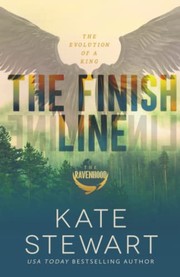
The Finish Line
Tobias King seeks forgiveness from Cecelia as the Ravenhood past closes in.
2,868-word summary · 13 min read

Lovelight Farms
Stella fakes dating Luka to save her Christmas tree farm.
2,584-word summary · 11 min read
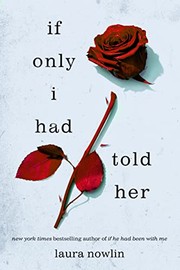
If Only I Had Told Her
Finn, Jack and Autumn speak after the crash that took one of them.
2,543-word summary · 11 min read
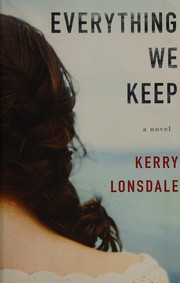
Everything We Keep
A widow questions her husband's death when a stranger claims his past.
2,307-word summary · 10 min read

The Simple Wild
City Calla flies to Alaska to face dying father and gruff pilot Jonah, learning bush life and love.
2,284-word summary · 10 min read

Secretly Yours
A bubbly Napa gardener sends anonymous love letters to her grumpy professor neighbor in this steamy small-town rom-com.
2,504-word summary · 11 min read
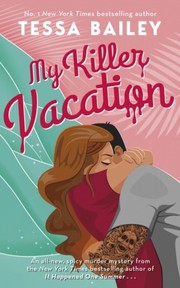
My Killer Vacation
A teacher and a bounty hunter share a Cape Cod rental with a corpse and a growing attraction.
2,625-word summary · 12 min read

Good Girl Complex
A people-pleasing college girl moves to beach town Avalon Bay and falls for a local boy who distrusts her whole world.
2,225-word summary · 10 min read
The Switch
A burned-out consultant and her 79-year-old grandmother swap London and Yorkshire homes for two months, facing grief, dating apps, and village politics.
2,782-word summary · 12 min read
The Last Letter
Ella trades letters with soldier Chaos, then her brother Ryan death brings Beckett to Telluride with a hidden name, sick Maisie, and a love tested by truth.
2,559-word summary · 11 min read

Exodus
Cecelia grieves Sean while Dominic pulls her into the Ravenhood reckoning.
2,463-word summary · 11 min read
Evvie Drake Starts Over
A widow hiding a painful secret rents her back apartment to a pitcher who lost his throw, and they slowly learn to start again.
2,584-word summary · 11 min read
A Bend in the Road
Widowed sheriff Miles loves teacher Sarah while her family's secret touches his wife's death.
2,182-word summary · 10 min read

Nights in Rodanthe
Divorced Adrienne and guilt worn surgeon Paul share one stormy weekend at a Rodanthe inn, fall hard, then hold close by letter until loss in South America ends…
3,338-word summary · 15 min read
The Guardian
Widowed at twenty-five, Julie Barenson leans on a Great Dane named Singer, then dates two men and learns one of them is a killer.
2,221-word summary · 10 min read