

Lovelight Farms
2,584-word summary 11 min read 416 pages in the book
- First published
- 2021
- Publisher
- Posie Creative, LLC
- Pages
- 416
- ISBN
- 9781088050590
- Series
- Lovelight (#1)
Reading options
What's inside (7 sections)
I started Lovelight Farms expecting pure Christmas fluff and found something warmer than that. B.K. Borison first released it with Posie Creative, LLC in 2021, a 416 page romance that opens the Lovelight series. It follows Stella Bloom, who owns a Christmas tree farm that is falling apart, and Luka Peters, her best friend, who agrees to pretend to be her boyfriend for a contest. The premise sounds silly on purpose. The execution is sincere. It is a book about money stress, friendship turning into more, and a small town that shows up when it counts.
Stella bought into Lovelight Farms as a kid in spirit long before she owned any of it. The farm sits outside Inglewild, Maryland, a fictional small town with strong opinions about lattes and gossip. Stella runs it with her two best friends, Layla and Beckett, each holding a share. The place grows trees, hosts holiday events, and houses animals that do not respect schedules. By the November when the story starts, the farm is in trouble. Trees have died in one pasture. Shipments went missing. A family of raccoons took over the Santa barn and refuses eviction. Bills stack up. Stella loves the farm so much she cannot see straight about it, which is both her charm and her flaw.
The contest is her Hail Mary. Evelyn St. James, a famous influencer with a huge following, runs a holiday contest with a hundred thousand dollar prize and a flood of publicity. Stella applies with photos and a form full of hope. She also tells a lie. To make Lovelight look like a romantic holiday destination, she writes that she runs it with her boyfriend. There is no boyfriend. When Evelyn picks Lovelight as a finalist and announces a visit with cameras, Stella panics. She needs a boyfriend in days.
Enter Luka Peters. Luka grew up with Stella. He is tall, bearded, tattooed, quiet in groups, and steady one on one. He works as a data analyst, good with numbers and patterns, less good at talking about feelings. He drinks hot chocolate with too much whipped cream. He fixes things around the farm without being asked. He has loved Stella for years and never said so because he did not want to risk the friendship. When Stella explains the mess, he agrees to play the part. Partly to help. Partly because some small hopeful part of him wants to know what it would feel like if it were real.
A fake boyfriend with real history
Fake dating only works if the fakeness has something to grip. Here it does. Stella and Luka already share a decade of habits. They know how the other takes coffee. They know who hogs blankets during movies. They know which friends to avoid when grumpy. Borison uses that shared past well. When they hold hands for the cameras, their hands already know where to fit. When Luka puts his arm around Stella at the farmers market, it looks practiced because in a way it is. They have leaned on each other for years. Now they lean a little closer and call it acting.
The early chapters are fun because both are bad liars in different ways. Stella talks too much and adds details nobody asked for. Luka goes quiet and lets people assume. Their friends see through them at once. Layla, sharp and funny, calls out the act while helping with cover stories. Beckett, gruff and kind, pretends not to notice while moving boxes and clearing paths for photo shoots. The town plays along too, partly because people love a love story and partly because everyone wants the farm to win.
Borison sets clear rules for the contest. Evelyn will visit, tour the farm, film content, interview the couple, and judge whether Lovelight feels magical enough to win. Stella throws herself into prep. She strings lights, paints signs, bakes cookies, plans a tree lighting, and schedules carolers. Luka builds displays, hauls trees, repairs the barn door the raccoons broke, and memorizes the story of how they met as a couple. They rehearse answers. They argue about how much touching is believable. That arguing, of course, creates the very tension they are trying to fake.
What I liked is how fast the book admits the lie hurts. Stella feels guilty using Luka. Luka feels strange being thanked for playing a part he wishes were true. Neither says so directly at first. Instead Luka stays late to fix fences. Stella leaves his favorite snacks in his truck. Care comes out sideways. Anyone who has ever loved a friend without saying it will recognize the pattern. You do extra chores instead of extra talking.
Inglewild at Christmas and the farm that needs saving
The farm itself is almost a character. Lovelight grows firs and pines in neat rows, keeps goats and donkeys that escape at bad times, and runs a shop selling ornaments, wreaths, cocoa, and baked goods. Stella knows every row. She can tell which field drains badly and which trees will sell first. Her messiness shows in the office, where papers pile and invoices hide. Her skill shows outside, where trees thrive because she walks the rows daily and notices early signs of pests or blight.
Money pressure drives most decisions. Stella cannot pay for new seedlings without the prize. She cannot fix the barn roof properly with patch jobs. She delays calling suppliers because she owes them. Borison writes this stress without making it grim. Bills appear in scenes between cookie baking and tree tagging. Stella does math at midnight. Luka quietly checks her spreadsheets and finds missed charges. The farm needs both kinds of attention. Stella gives it heart. Luka gives it order.
Inglewild helps carry the season. The town has a main street with a cafe that serves hazelnut lattes, a bookstore, and a bar where everyone gathers. Borison fills side scenes with caroling, ornament swaps, and a holiday market. None of it feels generic because people have names and running jokes. These bits could have been filler. Instead they show why winning matters beyond Stella. If Lovelight falls, the town loses a gathering place.
The raccoons deserve mention. They move into the Santa barn, shred decorations, and stare down anyone who objects. Stella tries humane traps, loud music, and bribery with food elsewhere. Luka reinforces the doors. The raccoons return. It is a running gag, but it also works as a picture of the whole book. The farm is lovable and barely controlled. Stella keeps patching. Luka keeps reinforcing. Both know a real fix costs money they do not have yet.
A fair point on this stretch is pace. The middle has many prep scenes that follow a similar shape. Decorate, argue, almost kiss, pull back, feed animals, repeat. Readers who want plot twists may grow restless around page two hundred. I felt the drag in one or two chapters where the contest prep crowded out talk about what happens after Evelyn leaves. Borison course corrects with a storm and a supply crisis that force choices, but the sag is real.
Luka Peters, Stella Bloom, and why they fit
Stella is messy, optimistic, loud when excited, and generous to a fault. She remembers birthdays, feeds strays, and says yes before checking her calendar. She also avoids hard talks. She would rather repaint a sign than call a creditor. She tells herself the farm only needs effort, when it also needs plans. Her growth in the book is learning to ask for help without framing it as failure. Letting Luka see the accounts is harder for her than kissing him on camera. That tells you where her pride lives.
Luka is the opposite in useful ways. He tracks numbers, keeps lists, and fixes what breaks. He is loyal, patient, and private. He grew up feeling like an outsider and built safety through competence. He shows love by doing. He plows the drive before Stella wakes. He replaces her wipers. He remembers which invoice she fears most and sits with her while she opens it. His flaw is silence. He assumes Stella knows how he feels because his actions shout it. She does not hear it because she is too close and too busy. He has to learn to say plain things out loud.
Their chemistry builds through proximity and work. Sharing a house during the contest helps. There is late night cocoa, mornings in flannel, the smell of pine on clothes. Kisses start as performances and linger too long. The book includes steamy scenes later, but the early heat is all glances and almosts, which I found more effective.
Side characters shape them too. Layla pushes Stella to be honest about money and about Luka. Beckett gives Luka quiet advice about speaking up. Luka's past gets sketched through his reluctance to take up space. He is used to being the helper, not the partner. For once Stella needs him in public, by name, holding her hand.
If I have a criticism of the couple, it is that conflict stays polite for a long stretch. They misunderstand each other, but nobody acts badly. Even jealousy arrives mild. Some readers will love that softness. Others may miss sharper edges. The book aims for cozy rather than angsty, and it mostly hits that target. The one real fight lands hard precisely because they have been kind so long.
The contest, the cameras, and the almost kiss problem
Evelyn St. James could have been a cartoon villain. She is not. She arrives with a team, good lighting, and high expectations. She is professional, direct, and used to being sold a story. She likes Lovelight at once but keeps testing whether the romance is real. She asks how the couple met. She asks who cooks. She watches how they move around a kitchen. Stella improvises. Luka steadies. Together they pass most tests because their friendship supplies true answers to fake questions.
Filming creates fine comic scenes. A tree cutting demo goes wrong when the saw sticks. A cocoa tasting ends with marshmallow on Luka's beard and Stella laughing too hard to wipe it off. A barn tour meets the raccoons, who perform beautifully for camera by destroying a garland. Borison times these beats well. Humor comes from situation, not put downs. Nobody is mocked for sport. Even Evelyn laughs when a goat eats part of a prop.
Under the comedy sits real risk. If Evelyn senses fraud, Lovelight loses. If Stella wins by lying, can she keep the money with a clear head. Luka asks this once, gently, and Stella deflects. She tells herself the farm deserves help regardless of method. He lets it go because he wants her to breathe. That avoidance costs them later. Lies in romance novels usually blow up at the worst time. Here the blowup is quieter than expected but still painful. Someone who cares posts doubts online. Evelyn asks harder questions. Stella has to decide whether to confess and risk losing or keep smiling and hate herself.
The almost kiss pattern runs through this whole section. They nearly kiss while hanging lights. They nearly kiss after a town event. They nearly kiss in the truck when the radio plays their song. When they finally stop pulling back, the scene feels owed rather than delayed for effect.
Pace picks up near the visit's end. A storm knocks power, pipes threaten to freeze, and a shipment of trees for orders goes sideways. Stella and Luka work through the night with friends, headlamps on, breath fogging, hands numb. Evelyn sees them like that, tired and real, and something shifts. The farm looks less like a set and more like a place worth saving. Borison handles this without preaching. Work reveals character better than interviews do.
What the ending gets right and where it strains
Without spoiling the final ranking, the contest resolves in a way that rewards honesty over performance. Stella tells the truth about the boyfriend story before it can rot everything. She expects to lose. What she gains instead is trust, from Luka, from her friends, and from Evelyn, who respects guts. The prize outcome matters less than the fact that Stella stops managing impressions and starts asking for what she needs in plain words.
The romance resolution follows the same logic. Luka finally says what he has carried for years, not in a grand speech but in a direct talk in a cold barn that smells of pine and wet wool. He names dates, details, small kindnesses he remembers. Stella listens and stops translating his care into friendship only. She admits she was scared to want more because losing him would cost her the farm's steadiest hand and her own steadiest friend. They agree to try as a real couple with rules that sound unromantic and prove romantic. Tell the truth fast. Ask before assuming. Keep fixing fences together.
Epilogue scenes show Lovelight stabilizing. Bills get paid. Orders ship. The raccoon war ends in a draw. Friends pair off in ways that set up later books without hijacking this one. Beckett and Evie circle each other. Layla and Caleb trade barbs. Stella and Luka settle into a rhythm of work and rest that feels livable. Christmas morning is quiet and sweet, with gifts that show listening rather than spending.
Now for strain. The money fix comes fast once the contest ends. A hundred thousand dollars solves a lot, but farms have long tails of debt and repair. Borison nods at future work yet lets the win cover more than it likely would. Readers who run small businesses may raise an eyebrow at how quickly suppliers forgive and books balance. The book also keeps villains soft. No creditor truly threatens. No rival finalist plays dirty. The stakes stay emotional rather than legal, which fits cozy romance but lowers tension.
Another limit is predictability. Anyone who reads romance will see the arc by page fifty. Lie, perform, feel, confess, forgive, commit. Borison knows this and leans into voice and texture rather than surprise. That choice works if you like the people. I did. Stella never turned annoying for me, though her avoidance needed several nudges. Luka never turned dull, though his quiet could blur in group scenes. Their friends carry some chapters when the leads circle the same worry.
Representation and tone deserve a note. The book includes open talk about anxiety and money shame and consent checked in plain language during intimate scenes. Spice is present in a few chapters, written with care and humor, but the focus stays on affection. Readers who want darker or more angsty romance should pick another shelf. This is a warm blanket with pine needles stuck to it.
At 416 pages it is longer than many holiday romances. The length allows town life to breathe. It also means two chapters in the middle could have been cut. Still, I finished it in three evenings and ordered the next book. That says plenty. Lovelight Farms does exactly what it promises.
If you want a Christmas romance with low cruelty and high care, start here. If you want high heat with no plot or high plot with no sweetness, adjust expectations. This is a story about a woman who learns to say help me and a man who learns to say want you, set among trees that need both of them. The lights stay on. The cocoa stays hot. The raccoons remain undefeated.
FAQ
When was Lovelight Farms published?
Posie Creative, LLC published it in 2021. The edition runs 416 pages with ISBN 9781088050590.
Who are the main characters?
Stella Bloom, who owns the struggling farm with friends Layla and Beckett, Luka Peters, her best friend and a data analyst, and influencer Evelyn St. James, who judges the holiday contest.
Is Lovelight Farms part of a series?
Yes. It is Lovelight book 1, the first of connected standalones about the three farm owners, and it works on its own.
Similar books
More from Lovelight first, then related titles.
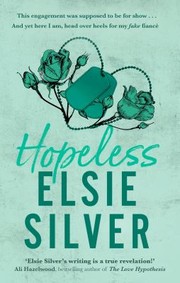
Hopeless
Fake engaged to town hero Beau Eaton, outcast bartender Bailey Jansen finds pretend and real blurring in Chestnut Springs.
2,491-word summary · 11 min read
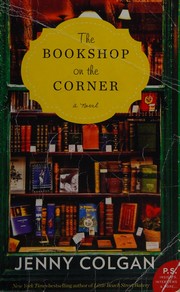
The Bookshop on the Corner
A Birmingham librarian loses her job, buys a van, and moves to the Scottish Highlands to run a mobile bookshop. Warm and bookish, with uneven pacing.
2,557-word summary · 11 min read
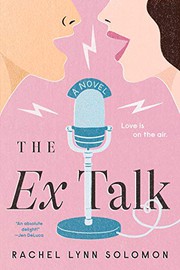
The Ex Talk
Two rival public radio producers pretend to be exes for a dating show, then fall for each other while the lie grows.
2,389-word summary · 11 min read
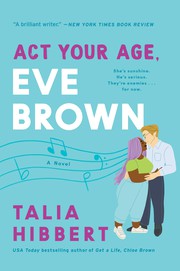
Act Your Age, Eve Brown
Eve Brown crashes into a Lake District bed and breakfast, breaks the owner's arm, and talks her way into his kitchen. A grumpy-sunshine romance about work,…
2,474-word summary · 11 min read

Indigo Ridge
A new police chief in a Montana town meets the founding family's eldest son in a bar, and one night later a body turns up under their cliff.
2,763-word summary · 12 min read

At First Sight
Jeremy and Lexie are married and expecting a baby when anonymous emails tell him the child may not be his.
2,317-word summary · 10 min read
True Believer
Jeremy Marsh, a science journalist who debunks paranormal claims, comes to a small North Carolina town and falls for a librarian who believes in things he…
2,125-word summary · 9 min read

Juniper Hill
Fleeing New York with her baby, Memphis takes a housekeeping job above Knox Eden's garage, and the grumpy chef becomes the first person she can rely on.
2,021-word summary · 9 min read

Delilah Green Doesn't Care
Delilah returns to Bright Falls to photograph her stepsister's wedding and falls for Claire, a bookstore owner and single mother, while a cruel bet threatens…
2,315-word summary · 10 min read
My Favorite Half-Night Stand
Millie, a criminology professor who has always been one of the guys, invents a secret dating profile and matches with her best friend Reid.
2,362-word summary · 10 min read
Take a Hint, Dani Brown
A viral rescue video turns a PhD student and a grumpy security guard into internet couple goals, and the fake relationship they build to keep the attention…
2,005-word summary · 9 min read
The Finish Line
Tobias King seeks forgiveness from Cecelia as the Ravenhood past closes in.
2,868-word summary · 13 min read

The Simple Wild
City Calla flies to Alaska to face dying father and gruff pilot Jonah, learning bush life and love.
2,284-word summary · 10 min read
Secretly Yours
A bubbly Napa gardener sends anonymous love letters to her grumpy professor neighbor in this steamy small-town rom-com.
2,504-word summary · 11 min read
My Killer Vacation
A teacher and a bounty hunter share a Cape Cod rental with a corpse and a growing attraction.
2,625-word summary · 12 min read
Good Girl Complex
A people-pleasing college girl moves to beach town Avalon Bay and falls for a local boy who distrusts her whole world.
2,225-word summary · 10 min read
All Rhodes Lead Here
Grieving Aurora moves to Colorado to fix a farmhouse, finding slow healing with her gruff older neighbor Tobias Rhodes.
2,249-word summary · 10 min read
The Wish
A dying photographer recalls 1996 Ocracoke first love and an adoption choice.
2,176-word summary · 10 min read

Exodus
Cecelia grieves Sean while Dominic pulls her into the Ravenhood reckoning.
2,463-word summary · 11 min read
Fix Her Up
Party clown Georgie fakes a romance with ex ballplayer Travis to earn respect, and their act turns real in Port Jefferson.
2,368-word summary · 11 min read
Flock
Nineteen-year-old Cecelia trades a year in Triple Falls for her mother future and falls for two men hiding the Ravenhood secret.
2,997-word summary · 13 min read
A Not So Meet Cute
A broke woman poses as a billionaire's pregnant fiancee and falls for him.
2,888-word summary · 13 min read
The Cheat Sheet
Best friends Bree and NFL star Nathan fake date for three weeks after her drunken confession goes viral.
2,401-word summary · 11 min read
Heartless
Gruff single dad Cade Eaton hires bubbly Willa Grant as summer nanny in Chestnut Springs, and two months together wear down his walls.
2,967-word summary · 13 min read
Flawless
Pro bull rider Rhett Eaton is benched by scandal, and his agent's daughter Summer must keep him in line in Chestnut Springs.
2,484-word summary · 11 min read
Funny Story
Dumped Daphne moves in with her ex's new fiancee's ex, Miles, and they fake-date for revenge.
1,937-word summary · 9 min read
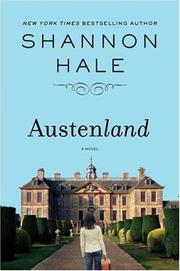
Austenland
A New York graphic designer obsessed with Mr. Darcy inherits a trip to a Jane Austen theme park, where the fantasy of Regency romance collides with the men…
2,030-word summary · 9 min read
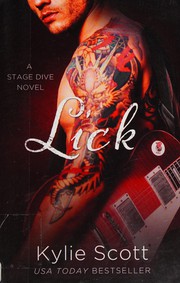
Lick
Evelyn wakes up married to the lead guitarist of Stage Dive after a Las Vegas birthday she cannot remember, and the annulment gets complicated.
1,989-word summary · 9 min read
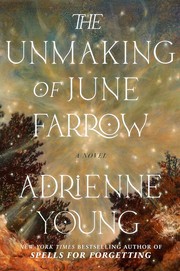
The Unmaking of June Farrow
A woman in a North Carolina flower-farming family walks through a red door into 1951, where she must solve her mother's disappearance and decide whether to…
2,701-word summary · 12 min read
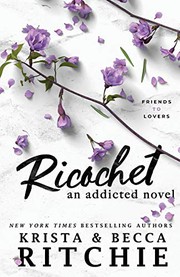
Ricochet
Lily Calloway tries to stay celibate for ninety days while Loren is in rehab, leaning on Rose, Connor, and Ryke as therapy forces her to face her childhood.
2,575-word summary · 11 min read