

Fix Her Up
2,368-word summary 11 min read 400 pages in the book
- First published
- 2019
- Publisher
- Avon
- Pages
- 400
- ISBN
- 9780062872838
- Series
- Hot & Hammered (#1)
Reading options
What's inside (8 sections)
I grabbed Fix Her Up because a friend kept telling me Tessa Bailey writes funny heat with a soft center, and I wanted to see if the hype held. It did, mostly. Published by Avon in June 2019, a 400 page paperback with ISBN 9780062872838, it opens the Hot & Hammered series about a house flipping family in Port Jefferson. The leads are Georgette Castle, called Georgie, a kids party planner who dresses as a clown, and Travis Ford, her older brother's best friend and a former pro baseball player with a ruined knee and a tabloid nickname he hates. She has crushed on him since she was a teenager. He always filed her under kid sister. Then she knocks on his door and refuses to leave him alone, and the filing system breaks.
Georgie is twenty eight or so, business degree in a drawer, running her own small party company. She paints faces, twists balloons, organizes princess themes in backyards. She is good at it. She likes making shy kids laugh. Work pays bills, but at family dinners her siblings talk beams and budgets while she gets teased about glitter. Being the youngest in a tight crew of renovators will do that. She loves them and she is tired of auditioning for respect. So she makes a private plan to fix herself up into what she calls a Woman of the World. New website. Less clown wardrobe off duty. Date like an adult. Stop mooning over Travis.
Travis is back in town after the injury that cut his rookie rise short. He was the golden arm, magazine covers, fans chanting. Then a blowout on the field, surgeries, rehab that did not bring the speed back. He drinks too much cheap beer on his couch, ignores texts, snaps at old teammates who check in. His dad was not much of a model, distant and critical, so Travis learned early to expect applause to fade. The Castle family gives him day work on flips because he needs to swing a hammer at something. He shows up late, works hard, leaves before anyone can pity him. Women still stop by job sites to flirt because of that old Two Bats joke from his playing days. He hates the joke now. It makes him feel cheap when he already feels washed.
Port Jefferson reads like a real small harbor town where everyone knows whose truck is parked where. Coffee shops remember orders. Guys at the lumber yard ask Travis about his batting average like he owes them a highlight. You get why both want a reset that other people can see.
The clown and the ballplayer
Georgie lives in a small rental with a cranky fireplace and a closet full of leggings she defends to the death. Mornings mean loading bins of craft supplies into a dented hatchback, afternoons mean singing with five year olds while parents film. She remembers allergies, nervous kids, divorced dads trying hard. That care is the point. Bailey shows her competence early. She calms a screaming birthday boy by turning a popped balloon into a game. She stays late to help a frazzled mom clean frosting off a patio. She is not a joke act. She runs a business with repeat clients and thank you cards taped to her fridge.
Home is louder. The Castles flip houses for a living, buying tired ranches and capes, opening kitchens, arguing about tile. Her brother bosses sites with a clipboard and a scowl. Her sister Bethany has strong opinions about paint and men. There is sawdust in everyone's cars. Georgie grew up around it, fetching nails and hearing bids at dinner, then chose parties instead. Her family loves her in the loud, teasing way that can still sting. They call her pest with affection and forget to ask her advice about money or plans. When she tries to talk about expanding her party company, someone changes the subject to grout.
Travis rents nearby and tries to vanish. He takes Castle day labor because hammering lets him be tired for a reason. He is good with his hands, careful with measurements, quiet on site. He limps when it rains. He panics a little when kids ask for autographs because he does not know what to sign for now.
A fake plan that helps them both
The fake dating idea comes from frustration on both sides. Travis learns a local sports station might hire a former player for commentary, steady work with a suit, if he can look stable and family friendly. His clips are great. His reputation is not. Party photos, hookup rumors, bar fights after the injury. The station manager likes clean. Georgie learns her family still introduces her as our baby who does parties, while clients sometimes ask if she is old enough to drive. She wants to be seen as a grown woman with a sex life and a plan, not a mascot.
So over beers on Travis's lumpy couch, she pitches it. They pretend to date for a few weeks. Walk around town holding hands. Show up to a Castle barbecue together. He gets to look settled. She gets to look chosen and adult, which is honest about how small towns read women. He says yes with rules. No real sex. No telling her brother yet. End date after the job interview and the family party.
The Woman of the World list runs under all this. Georgie updates her site with photos that do not scream discount clown. She buys a couple of dresses that make her feel tall. She waxes, regrets it, tells her friend Rosie every detail while Rosie howls. Rosie and her husband Dominic orbit the story as the married couple who bicker and repair in real time. Rosie owns the honesty. You need friends who will tell you when a plan is brave and when it is armor. Rosie does both. She asks Georgie if she wants Travis or just wants witnesses. Georgie says both, which is the truest line in the first third.
Travis starts to shift in small ways that feel earned. He fixes Georgie's fireplace without being asked, muttering about drafts. He walks her to her car after late parties so she does not carry bins alone in the dark. He asks about her business math and does not smirk. Work steadies him. Being needed without being worshipped steadies him more.
Friends who cannot stay friendly
Middle of the book lives on job sites and couches, and Bailey writes manual labor with affection. Demo days mean dust masks and bad playlists. Travis teaches Georgie to pull trim without gouging walls. She teaches him balloon dogs during lunch while the crew groans. They fall into a rhythm. Morning texts. Shared fries. Her hand on his back when his knee aches after stairs.
Heat builds the way Bailey likes, explicit and chatty. Georgie is a virgin, which the book states plainly without making it a moral. Travis is experienced and careful about that gap. He asks what she wants, checks in, stops when she tenses. Their first real kiss after weeks of staged pecks happens in her kitchen with the fridge humming, and it ruins the rules in one breath.
I liked how talky they are in bed. Travis has a dirty mouth and a tender streak that keeps flipping. Georgie goes from nervous laughter to telling him exactly where to touch, and her confidence there bleeds into daylight. She negotiates a vendor fee the next morning without apologizing three times. Small wins.
Family gets in the way
Castle dinners are loud, loving, and a little brutal if you are the baby. When Travis walks in holding her hand for real now, the table goes quiet in a funny way. Georgie sits up straighter than usual and answers for herself. She talks about her bookings, her new site, a plan to partner with a local bakery for party packages. Travis backs her without taking over, adding that her client retention is better than most contractors' referral rates.
Work plots tangle with love plots in a good way. A flip house needs staging on a deadline. Georgie offers to style a kids room to help sell, using her party eye for color kids love and parents trust. Bethany scoffs, then admits the room photographs great. Travis defends Georgie's ideas to her brother when the brother calls them cute. Cute is the word that makes Georgie see red. She tells him cute pays her rent. The brother apologizes in his blunt way, more actions than words, by sending her two paying clients. Progress in this family looks like referrals, not speeches.
Rosie and Dominic give the book its second heartbeat. They are married young, passionate, fighting about money and attention and old hurts. Their arguments at barbecues make Georgie and Travis exchange looks. Bailey uses them to set up the next book without hijacking this one. You see enough to care, then the camera returns to Georgie and Travis.
The brother best friend line hangs over everything. Travis feels sick every time he laughs with Georgie's brother on site while hiding that he woke up with Georgie. He tells himself he will confess after the station interview. Georgie tells herself her brother will adjust. Both are stalling. Secrets in small towns always leak. A neighbor spots Travis's truck at Georgie's overnight. By the time they plan a tidy talk, the brother already knows and feels ambushed.
When pretending stops working
The station interview forces choices. Travis needs references, a clean clip, a calm answer about why a guy who flamed out should talk sports to families at breakfast. He prepares with Georgie's help. She quizzes him, fixes his tie. He nails the baseball talk and fumbles the personal part until he talks about coaching kids at her parties and learning to love the game without the crowd.
Georgie hits her own wall at a family flip open house. She styled the kids room, brought balloons that do not look cheap, charmed buyers. Her parents praise the sale potential and still ask when she will get a real office. Someone jokes about the clown girlfriend helping Travis behave. She smiles too long, then cries in her car. Travis finds her, and for once his pep talk flops because she does not need fixing.
Their big fight is about old fear wearing new clothes. Travis pulls back after the second interview, scared he will drag Georgie into a public life of whispers if the job comes with press. He skips her showcase party for a vendor event, claiming work, then drinks with old buddies who toast Two Bats like it is still funny. Georgie hears about it from Rosie and feels eighteen again. She ends the deal first to avoid being ended.
Time apart lasts long enough to ache. Georgie throws herself into a packed birthday weekend, voice hoarse from singing. She raises prices, says no to a freebie, hires a teen helper. Travis coaches a pickup clinic for local kids, shows up on time, ices his knee in his truck after. He visits his dad and finally answers back without yelling. He also tells Georgie's brother the full truth and asks how to earn trust back. The brother says show up.
Reunion earns its keep because Georgie does not melt at first sorry. Travis shows up to help strike after a big party, hauls bins in rain, stacks chairs, mops frosting without being asked. He brings her business cards he paid for with his first broadcast check, thick stock, her new logo, title owner not clown. She laughs through tears because it is practical and romantic at once. He says he loves her in plain words. She says she loves him and still needs to decide what Woman of the World means.
What worked and what dragged
What worked for me starts with Georgie. She could have been quirky wallpaper. She reads as a worker. Bailey gives her client math, sore feet, marketing worries, pride in calming anxious kids. I also bought Travis once his shame got specific. A dad who measured love in stats. A body that quit before his heart did. A nickname that followed him into lumber aisles. And the banter made me snort on the train.
Scenes run hot and talky, with clear yeses. If you prefer doors closed, this will feel endless. If you like open door with feelings attached, this is strong Bailey. Female friendship also shines. Rosie tells hard truths without stealing scenes. A bakery partner scene where women trade vendor tips felt true to small business life.
Criticism is fair too. Pacing sags near the middle when flips and parties blur. The brother's anger resolves a touch fast for years of best friend code. Travis's knee hurts whenever the plot needs him vulnerable, then vanishes when a scene needs him athletic. And Georgie's family can sound samey in group scenes.
Who should pick it up. Readers who like friends to lovers with a big age gap in history but small gap in years, small town nosiness, DIY houses, and heroines who are funny on purpose. Fans of Christina Lauren or Sally Thorne will feel at home. If fake dating fatigue has set in for you, this still charms because the lie collapses early into real feeling and the story becomes about work and worth. If you need slow restraint, look elsewhere. This is hugs in public, moans through thin walls, feelings said out loud.
I closed it thinking about Georgie's fridge cards and Travis icing his knee after coaching, two tired people choosing a loud family and a small town that watches. Bailey published more Castles after this, Rosie and Dominic next, then Bethany and Wes, and I see why readers stayed. The foundation holds. Laughter, labor, loyalty tested and repaired. My copy is dog eared at the fireplace fix and the business card scene. Practical love counts. That is the whole book in one image, a man who learns to stay and a woman who learns to charge, holding hands where everyone can see and meaning it this time.
FAQ
When was Fix Her Up published?
Avon published it on June 11, 2019. The paperback runs 400 pages with ISBN 9780062872838.
Is Fix Her Up part of a series?
Yes, it opens the Hot & Hammered series as book 1, followed by Love Her or Lose Her about Rosie and Dominic.
Who are the main characters?
Georgette Georgie Castle, a kids party planner, and Travis Ford, her brother's best friend and a former baseball star.
Similar books
More from Hot & Hammered first, then related titles.

The Right Move
Grumpy ball star and sunny flight attendant fake date for cameras and keep every rule but one.
1,995-word summary · 9 min read
It Happened One Summer
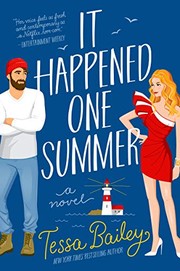
LA It girl Piper is cut off and sent to Westport where gruff captain Brendan challenges her glitter.
2,089-word summary · 9 min read

Every Breath
Two strangers share one week at Sunset Beach in 1990, part for duty, and reunite decades later at the mailbox that started it all.
2,357-word summary · 10 min read

Lovelight Farms
Stella fakes dating Luka to save her Christmas tree farm.
2,584-word summary · 11 min read

Never Too Far
Blaire flees Rosemary Beach after Rush's lies, then must decide if his pursuit and Nan's exposed schemes earn trust again.
2,626-word summary · 12 min read
The Switch
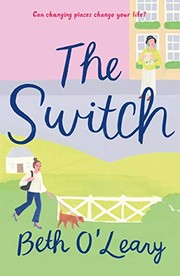
A burned-out consultant and her 79-year-old grandmother swap London and Yorkshire homes for two months, facing grief, dating apps, and village politics.
2,782-word summary · 12 min read

The Longest Ride
A stranded widower relives his marriage while a Wake Forest student and a bull rider test new love in North Carolina.
2,488-word summary · 11 min read

Boyfriend Material
A tabloid-haunted charity worker fakes a romance with a straitlaced barrister in this funny 2020 London rom-com.
2,325-word summary · 10 min read

A Bend in the Road
Widowed sheriff Miles loves teacher Sarah while her family's secret touches his wife's death.
2,182-word summary · 10 min read
Hopeless
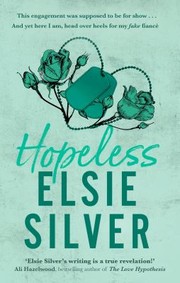
Fake engaged to town hero Beau Eaton, outcast bartender Bailey Jansen finds pretend and real blurring in Chestnut Springs.
2,491-word summary · 11 min read

Message in a Bottle
A divorced mother finds a grieving widower's letter and seeks him in North Carolina.
2,113-word summary · 9 min read

From Lukov with Love
Stalled skater Jasmine pairs with rude champion Lukov for one last season built on 5 a.m. ice.
2,013-word summary · 9 min read

Things We Left Behind
Lucian Rollins returns to Knockemout to bury his father's past and collides with librarian Sloane Walton.
2,777-word summary · 12 min read

The Cheat Sheet
Best friends Bree and NFL star Nathan fake date for three weeks after her drunken confession goes viral.
2,401-word summary · 11 min read

The Bodyguard
Hannah Brooks, an executive protection agent grieving her mother, poses as movie star Jack Stapleton's girlfriend on his Texas family ranch.
3,962-word summary · 18 min read

Yours Truly
Divorced ER doctor Briana Ortiz fake dates anxious newcomer Jacob Maddox, trading honest letters while her brother waits for a kidney donor.
2,475-word summary · 11 min read

Twisted Lies
Shy influencer Stella Alonso fake dates billionaire Christian Harper to save her career, until a returning stalker forces them into his penthouse.
2,455-word summary · 11 min read

Part of Your World
ER doctor Alexis Montgomery falls for carpenter Daniel Grant in Wakan while her surgeon family presses duty.
3,078-word summary · 14 min read

Just for the Summer
Emma and Justin date to break a matching curse, then face sudden guardianship and illness on Lake Minnetonka.
3,090-word summary · 14 min read

Archer's Voice
Bree flees to Pelion, Maine and falls for Archer Hale, a mute recluse hiding a violent family past.
2,787-word summary · 12 min read
Funny Story
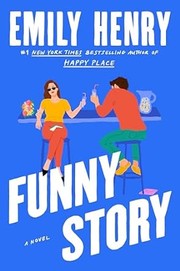
Dumped Daphne moves in with her ex's new fiancee's ex, Miles, and they fake-date for revenge.
1,937-word summary · 9 min read

Things We Never Got Over
Naomi runs from her wedding to help her twin in Knockemout and clashes with Knox Morgan.
3,358-word summary · 15 min read

Book Lovers
Sharp literary agent Nora Stephens gets dragged to small-town Sunshine Falls with her sister and keeps colliding with brooding editor Charlie Lastra.
1,952-word summary · 9 min read

The Love Hypothesis
Love Hypothesis retold: Olive fakes dating Adam, lab hijinks, consent talks, Boston fall.
2,009-word summary · 9 min read

Secretly Yours
A bubbly Napa gardener sends anonymous love letters to her grumpy professor neighbor in this steamy small-town rom-com.
2,504-word summary · 11 min read
My Killer Vacation
A teacher and a bounty hunter share a Cape Cod rental with a corpse and a growing attraction.
2,625-word summary · 12 min read

Catch Her If You Can
Yankees catcher Madden proposes a secret marriage of convenience to burlesque club owner Eve when two kids land on her doorstep.
2,187-word summary · 10 min read

What Happened to Goodbye
Mclean has reinvented herself in four towns since her parents divorced. In Lakeview she uses her real name, and for the first time staying put becomes a choice.
2,796-word summary · 12 min read

Size 12 Is Not Fat
Former teen pop star Heather Wells investigates two dorm elevator deaths while juggling her ex, her crush, and a size-12 wardrobe.
2,805-word summary · 12 min read

Alone With You in the Ether
Two people in Chicago agree to six conversations, and the experiment becomes a love affair that is also a study of bipolar disorder, obsession, and the shape…
2,713-word summary · 12 min read