
Book Lovers
1,952-word summary 9 min read 384 pages in the book
- First published
- 2022
- Publisher
- Berkley
- Pages
- 384
- ISBN
- 9780593440872
Reading options
What's inside (8 sections)
I picked up Book Lovers because People We Meet on Vacation made me laugh on a plane and I wanted more of that voice without the same couple. Emily Henry does not disappoint here, though this one hit me harder. Nora Stephens is not the easy heroine. She is a Manhattan literary agent who bills big, wears heels that hurt, and tells herself she is the woman men date right before they marry someone softer. I recognized that armor. I kept reading because Charlie Lastra, the editor who lives to red-pen her deals, sees straight through it and likes what he sees.
Henry published it in 2022 with Berkley. The hardcover runs 384 pages. The setting is Sunshine Falls, North Carolina, a small town that exists in real life as a tourist stop and in fiction as the setting of a beloved romance called Once in a Lifetime by local author Dusty Fielding. Nora's little sister Libby drags her there for a month. Libby is pregnant with her third, tired, and convinced Nora needs a small-town transformation. Nora agrees because Libby asks, not because she believes in transformations.
Nora and Libby
Nora runs on lists and coffee and callbacks. She reps authors, fights for advances, and takes calls in the shower. Her mother died when Libby was young, and Nora raised her sister while building a career. That history sits under every joke. Libby plans the trip with a spreadsheet called the Sunshine Falls Bucket List: skinny-dip, line dance, help a local, fall for a lumberjack. Nora plays along with dry texts.
Libby is married to Brendan, kind and steady, and mother to two girls. She misses the old closeness with Nora. She books them a rental with a porch and a creaky bed. She signs them up for the town fair. The first morning they meet the town cast: Goode, the cheerful shop owner; Amara, the barista; the mayor who quotes Dusty Fielding like scripture.
Then Nora sees Charlie at the coffee line. Charlie Lastra, New York editor, tall, dark, permanent frown, the man who once eviscerated her client's manuscript in an acquisitions meeting and tanked a deal. He is in Sunshine Falls editing Dusty's new book. He looks as thrilled to see Nora as she is to see him.
Their early sparring is the best part. He marks her grocery list with proof marks. She leaves him a one star review of his frown. Under it both are tired. Charlie edits with care and loses authors to bigger houses. Nora saves clients by being harder than anyone else in the room. They recognize the same loneliness.
The Dusty Fielding problem
Dusty Fielding is the town saint. Her Once in a Lifetime put Sunshine Falls on the map. Readers pilgrimage to the bench, the bakery, the waterfall from the book. Dusty has not finished a book in years. Charlie was sent to get one. Nora once tried to sign Dusty and failed. Now both are stuck.
Nora meets Dusty at a signing and likes her instantly. Dusty is older, funny, widowed, sharp about small-town myth. She tells Nora the town loves her book more than it loves her. The pressure froze her. Nora, who knows about performing for love, hears her own story.
Charlie lets Nora read pages. They are good and sad and unfinished. Nora suggests cuts. Charlie argues. Their edit fight in the back of the bookstore runs ten pages and I did not skim. They talk about third-act breakups, about heroines who apologize for wanting careers, about endings that punish sharp women. Henry is writing about romance while writing romance, and it works because Nora calls out the trick even as she falls for it.
Short chapters cut to New York flashbacks. Nora dating men who call her intimidating, then marrying the idea of Libby's life instead of her own. Charlie growing up with a mother who hoarded books and a father who left, learning to fix stories because he could not fix home. These backstories could feel pasted, but Henry ties them to present choices. Nora does not call her authors back fast enough when she is hiding in Sunshine Falls. Charlie does not tell his boss the book is late because he wants to protect Dusty.
Small-town checklist
The middle is the trip movie. Libby forces fun. They go line dancing. Nora sprains dignity. They eat pie. They skinny-dip and scream. They help an old man fix his roof. Each item cracks Nora a little. She admits she hates small talk but loves knowing the barista's name. She admits she moved to the city to outrun grief and now outruns rest.
Charlie keeps appearing. He rescues them with jumper cables. He sits with Nora on a porch during a storm and talks about his sister who died. He lends Libby books for morning sickness. He is not a lumberjack. He burns pancakes. The town does not know what to do with him either, which bonds them.
Libby's pregnancy drives tension. She hides pain. She snaps at Brendan on the phone. She tells Nora she feels invisible next to Nora's big job and big rent. Nora hears that she made her sister feel small by paying for everything. That fight in the rental kitchen is raw. No jokes for three pages. Libby says Nora mothers everyone and lets no one mother her. Nora says she is scared Libby will die like their mom did. I had to put the book down for a minute there.
Meanwhile Nora's star client, a fantasy author named Tamara, threatens to leave the agency. Nora flies back for a day, saves the deal by telling the truth about numbers, and returns exhausted. Charlie meets her at the bus stop with coffee. He does not ask for the story. He just sits. That quiet is what turns banter into trust.
What Charlie wants
Charlie's arc mirrors Nora's. He is known as the hatchet editor, the man who kills darlings. In truth he fights for odd books and loses. His boss wants a commercial ending for Dusty's novel, a wedding and a baby. Dusty wants an honest ending about an older woman starting over. Charlie backs Dusty and risks his job. Nora backs him by calling her contacts and finding a smaller press option as backup. They work like partners before they kiss like partners.
The kiss finally happens in the bookstore stockroom after they save Dusty from a brutal town hall. It is not cute. It is tired and real. Books fall. Someone knocks. They laugh. Henry writes heat well without purple prose. Hands, breath, the proof marks on his wrist. Nora thinks she is too much and Charlie says she is exactly enough pages. Corny on paper, sweet on page.
Problems stack after. Libby goes to the hospital with early labor scares. Brendan drives down. Nora feels replaced and relieved. Tamara calls again. Charlie's boss flies in and demands pages. Dusty disappears to her cabin. The town blames Nora for interfering. For twenty pages everyone is mad at the right person for the wrong reason, which felt true to family trips.
Dusty's ending and Nora's choice
Dusty finishes the book. It ends not with a wedding but with a woman keeping her shop and her grief and her friend. The town is split. Some readers feel cheated. Dusty reads a passage aloud at the fair and wins half of them by honesty. Charlie keeps his job by arguing sales will follow word of mouth. He is half right and fully brave.
Nora has to choose. Libby gives birth early to a healthy girl named after their mother. Nora holds her niece and understands she can love fiercely without managing everything. She returns to New York, quits the big agency with its churn, and starts a small shop with a former assistant to rep books she loves. She tells Charlie she is not moving for him. He tells her he took a remote deal and can live anywhere with good coffee. They pick New York with weekends out, not Sunshine Falls forever. The small town does not fix them. Work they chose does.
The last chapter is Libby and Nora on the porch back home, reading Dusty's book, trading lines. No proposal. No epilogue baby for Nora. Just a promise to keep showing up. I liked that restraint. Henry trusts banter to carry love without a tiara.
What works best is Nora's voice. She narrates in first person, dry and fast, with asides about query letters and advances that never feel like homework. Her jokes about tropes land because she lives them: the cold heroine, the makeover, the misunderstanding. Charlie matches her without becoming a prop. His grief about his sister and his care for authors give him weight.
What sags is the middle checklist. Three outings in a row follow the same beat: Libby plans joy, Nora resists, Charlie saves, they almost kiss. I skimmed the line-dance pages. Tamara's subplot also repeats. One crisis would do. Two makes Nora look careless rather than busy.
I kept thinking about the money talk, because Henry puts numbers on the page in a way romance rarely does. Nora explains advances, splits, option clauses while making sandwiches. She tells Libby what her apartment costs and why she cannot quit without a plan. Charlie talks about P and L sheets and why quiet books die. Those scenes slowed me down in a good way. They show care as labor, not just feeling. When Nora stays up to line-edit Dusty's pages for free, it costs her sleep and a client call the next day. The book counts that cost.
The mother story also needed room. Their mom died after a short illness when Nora was in college and Libby was still at home. Nora learned to braid hair from videos, to sign forms, to smile at teachers. Libby learned to be the easy one so Nora could work. As adults they still play those parts. Libby books the trip to thank Nora and also to ask to be seen as a grown woman with her own house and kids. Nora pays for dinners to say sorry and stays in charge to feel safe. Naming that loop out loud near the end helped me forgive the slower fair scenes. They were not filler. They were the only place the sisters had time to fight right.
Still, the heart holds. Henry writes sisters better than almost anyone in current romance. The scene where Nora washes Libby's hair in the sink after the hospital scare says more than any love scene. The publishing talk feels lived in, from royalty statements to cover calls. Readers who want steam get it. Readers who want tears about mothers get those too.
Who will love it
If you came from Beach Read for enemies to lovers, this is sharper and warmer. If you like books about books, the Dusty thread gives you craft talk without lectures. If small-town romance usually bores you with bakers and beards, Nora's eye roll will carry you. People who need constant plot may find the fair and the festival slow. People who want a heroine who apologizes for being strong will not get one, and I was glad.
At 384 pages it reads fast. I finished in two nights and texted my sister. Nora learns she can be loved without shrinking. Charlie learns he can be needed without fixing. Sunshine Falls keeps its bench and its bakery. The rest of us get a romance that trusts smart women to stay smart and still get held.
FAQ
What is Book Lovers about?
Nora Stephens is a cutthroat Manhattan literary agent who goes to Sunshine Falls, North Carolina for a month with her pregnant sister Libby. She keeps running into Charlie Lastra, the editor who once rejected her client and who edits the local favorite author.
Is Book Lovers a sequel to Beach Read?
No. Both are standalone contemporary romances by Emily Henry with the same funny voice. Book Lovers was published in 2022 by Berkley with its own cast and town.
Similar books
More like Book Lovers →
Part of Your World
ER doctor Alexis Montgomery falls for carpenter Daniel Grant in Wakan while her surgeon family presses duty.
3,078-word summary · 14 min read

Just for the Summer
Emma and Justin date to break a matching curse, then face sudden guardianship and illness on Lake Minnetonka.
3,090-word summary · 14 min read

Archer's Voice
Bree flees to Pelion, Maine and falls for Archer Hale, a mute recluse hiding a violent family past.
2,787-word summary · 12 min read

It Happened One Summer
LA It girl Piper is cut off and sent to Westport where gruff captain Brendan challenges her glitter.
2,089-word summary · 9 min read

Things We Never Got Over
Naomi runs from her wedding to help her twin in Knockemout and clashes with Knox Morgan.
3,358-word summary · 15 min read
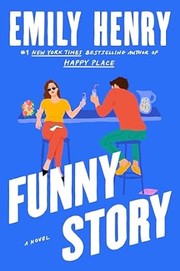
Funny Story
Dumped Daphne moves in with her ex's new fiancee's ex, Miles, and they fake-date for revenge.
1,937-word summary · 9 min read