
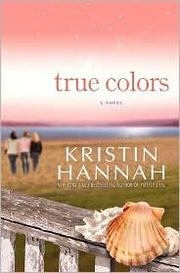
True Colors
2,596-word summary 12 min read 393 pages in the book
- First published
- 2009
- Publisher
- St. Martin's Press
- Pages
- 393
- ISBN
- 9780312364106
Reading options
What's inside (8 sections)
I picked up this novel because I had read two of Hannah later books about sisters and war, and I wanted to see how she handled a family story set entirely at home. True Colors came out in 2009 from St. Martin's Press and runs 393 pages in the hardcover, which felt about right for the amount of plot packed inside. It is set on the Washington coast, on a horse ranch called Water's Edge near a small town named Oyster Shores, and it follows three Grey sisters from their teens into middle age. I finished it in three sittings, annoyed at parts of it and moved by other parts, which seems to be the usual result with this writer.
The premise is direct. Their mother dies when the girls are still in school. Their father Henry Grey is a respected judge who cares deeply about standing in town and much less about comforting his daughters. The girls raise one another. Winona, the oldest, turns responsible early. Aurora keeps the peace. Vivi Ann, the youngest, can ride any horse and charm any room. Then two men enter their adult lives, Luke and Dallas, and the old closeness breaks under jealousy and loyalty claims that never quite heal.
Water's Edge after their mother is gone
The opening chapters stay in 1979 for a while, and those are among the best in the book. Hannah shows the ranch in practical detail. Fences to mend. Horses to feed. A yellow Formica table in the kitchen where the girls draw and argue. Their mother horse Clementine in the pasture. Their father selling that horse soon after the funeral because he cannot bear the sight of it, or because he wants cash, or because he wants control. The girls each read the sale differently, which tells you who they are.
Winona is fifteen and already bookish and heavy in a family that prizes outdoor ease. She notices everything. She keeps lists in her head of what needs doing. She loves her father and wants him to see her, and he mostly looks past her to Vivi Ann. Aurora is fourteen, thin and anxious, trying to keep meals calm and tempers low. Vivi Ann is twelve, grieving loudly, running to the barn when words fail. Hannah writes their nicknames and small habits with care. Pea and Bean and Sprout. Borrowed sweaters. Shared beds during storms.
Henry Grey dominates these pages without saying much. He is stern and quick to correct. He tells the girls to shape up. He worries about what neighbors will think. He does not sit with them while they cry. Later in the book Hannah gives him a few scenes that soften him slightly, but she never lets him off. His distance sets the pattern the sisters repeat. They compete for the little approval he offers, and Winona loses that contest early and keeps losing it for years.
A fair point to raise now is that Hannah stacks sympathy toward Winona from the start. The father prefers Vivi Ann. The town prefers Vivi Ann. Even Aurora leans toward Vivi Ann. Winona works harder and is liked less. This makes Winona easy to root for, but it also flattens Vivi Ann into a golden child for a long stretch. I wished the early chapters had let Vivi Ann be awkward or unkind in a way that made her fuller sooner. She gains depth later, though not always in ways I believed.
Luke and the first break
Luke has been Winona best friend since childhood. He is steady and local. Winona loves him quietly for years and assumes he will eventually see her as more than a friend. When he returns to Oyster Shores as a grown man, he does notice a Grey sister, but it is Vivi Ann. They marry young. Winona stands beside them at the wedding and smiles for photographs and feels split open.
Hannah handles this stretch with more restraint than I expected. She does not make Luke a villain. He is drawn to Vivi Ann warmth and ease around animals and people. Vivi Ann is drawn to being chosen so completely. Winona tells herself to be happy for them and mostly fails. Aurora tries to hold all three together with dinners and phone calls and careful seating plans. The ranch work continues. Foals are born. Bills arrive. Luke works nearby. Small resentments build over chores and money and who visits their father on Sundays.
The marriage between Luke and Vivi Ann does not hold. Vivi Ann feels restless in a life that looks settled from outside. She meets Dallas Raintree, a hired hand on the Grey property, and begins an affair that everyone in town soon knows about except Luke, or that Luke knows about and refuses to face. Winona learns the truth and tells Luke, believing she is protecting him and believing, less cleanly, that honesty will break the marriage and return Luke to her orbit. It does break the marriage. It does not return Luke to her.
I had mixed feelings about Winona choice here. On one hand Luke deserved to know. On the other hand Winona motives are tangled with old hunger. Hannah lets both truths sit side by side without resolving them, which is to her credit. The telling scene, where Winona sits across from Luke and forces out the facts, is painful because Luke hears the pity under the facts. He does not thank her. Vivi Ann does not forgive her for a long time. Aurora, who hates taking sides, starts avoiding long calls with both sisters.
Dallas Raintree and a life outside approval
Dallas arrives with a past that Oyster Shores will not let him forget. He has drifted between jobs and carries Native ancestry that marks him in a mostly white town quick to sort people into insiders and outsiders. He is good with horses and quiet around people he does not trust. Vivi Ann falls for him fast and hard, and for once the golden child stops thinking about pleasing her father.
Their life together is vivid in the middle chapters. They marry. They have a son named Noah. They take over much of the work at Water's Edge. Hannah writes farm labor well here. Mucking stalls in winter. Vet bills. A sick mare. A fence line that needs replacing before the rains. Vivi Ann, who once seemed to float through chores, proves tough and capable. Dallas proves loyal to her and to Noah, though he drinks too much when work dries up and picks fights when men in bars call him names he has heard since boyhood.
Henry Grey never accepts Dallas. He is cold at the wedding. He is colder after. He tells Vivi Ann she has thrown away her name. He tells Winona, who is building a solid career as a lawyer in town, that at least one daughter understands responsibility. These scenes made my jaw clench. Henry uses Winona hunger for praise as a tool, praising her only when she stands against her sister. Winona knows this and still leans toward the praise, which is human and sad.
Prejudice runs through these chapters without becoming a lecture. A shopkeeper watches Dallas too closely. A deputy stops his truck for small reasons. Neighbors assume Vivi Ann will leave him within a year. Hannah is clear that Dallas has made real mistakes, including a temper and a habit of shutting down instead of explaining himself. She is also clear that the town reads those mistakes as proof of character rather than as flaws a white local boy would be allowed to outgrow. That double standard later matters enormously when Dallas is accused of a serious crime.
If there is a weakness here, it is that Dallas stays slightly blurry. We learn what Vivi Ann sees in him and what the town holds against him, but his inner life comes mostly through Vivi Ann eyes. I wanted more scenes of him alone, working, thinking, afraid. Without them he sometimes functions as a test for the sisters rather than as a full person. Noah, even as a small boy, feels more concrete in these pages than Dallas does.
The charge and the refusal
The plot turns when Dallas is arrested for murder after a violent death in the community. The evidence includes testimony from an older neighbor named Myrtle, who says she saw Dallas near the scene, plus circumstantial details about his truck and his whereabouts that night. Dallas says he is innocent. Vivi Ann believes him. Aurora is frightened but loyal. Winona, now the best lawyer in town, is asked to defend him.
Winona refuses. She says she cannot take the case for professional reasons, citing conflict and history. Underneath, she is still raw about Luke and about years of feeling second to Vivi Ann. She also doubts Dallas, or tells herself she doubts the winnability of the case, which amounts to the same thing in practice. Another lawyer handles the first trial. Dallas is convicted. He goes to prison. Vivi Ann collapses inward.
These are the hardest chapters to read, and the strongest. Hannah shows what a trial does to a small town. Reporters park near the courthouse while old friends choose sides at the cafe, and the sisters stop appearing together. Vivi Ann drinks, misses school meetings for Noah, leaves horses unfed until Aurora steps in. Noah, now old enough to understand shame, acts out at school and at home. Henry Grey tells people his daughter made her bed. Aurora marriage strains because she pours her energy into Water's Edge and has little left for her own husband and children.
I believed Winona refusal as character truth even while I judged it. She has spent her life trying to be the good daughter in her father eyes, and defending Dallas would mean standing against her father openly, for her sister, with no guarantee of thanks. Hannah does not excuse her. Aurora says plainly that sisters show up. Vivi Ann stops calling. The silence between them lasts years, not weeks. When Winona later replays her reasons, the professional language sounds thin even to her.
A criticism is due about the legal material. The first trial moves quickly, with key testimony accepted a bit too smoothly and defense efforts sketched rather than shown. Hannah cares more about the family fallout than about procedure, which is fair for this kind of novel, but the conviction then rests heavily on one account without enough testing in front of us.
Noah and the slow way back
Noah becomes the heart of the second half. Fatherless while Dallas is inside and motherless in practice while Vivi Ann numbs herself, he drifts into skipping school and riding horses too fast. He loves his mother and resents her. Hannah writes his anger without making him a case study. He is rude to teachers he likes, then gentle with a foal and ashamed of being gentle.
Winona and Noah find each other by accident rather than by plan, through a school matter and files carried in from her car and talk about books. He asks blunt questions about why she would not help his father, and her careful answers satisfy neither of them. Slowly, through rides and chores and homework at her kitchen table, they build something separate from the old feud. Noah is the first person in years to see Winona without comparing her to Vivi Ann, and Winona stays steady for Noah in a way no other adult manages.
This bond pushes Winona to look again at the case file she once set aside. Transcripts, a prison visit with Dallas, and Aurora notes with dates no one else bothered to keep all pull her back in. She reinterviews Myrtle, whose certainty looks different years later, shaped by poor light and by expectation as much as by memory. Hannah handles the eyewitness issue with care. Myrtle is not painted as cruel. She is an older woman who saw something frightening and filled gaps the way people do, and whose gaps pointed toward the outsider because the town had already taught her where to point.
I will not lay out the final legal steps in full, since the book earns its surprises, but the direction is toward a second look rather than a sudden rescue. Winona takes on the work she once refused while Vivi Ann must decide whether she can stand beside Dallas after giving up on him, and Henry must face what his coldness helped set in motion.
The repair scenes work because they are slow. A shared meal that does not explode, and a fence fixed together. Noah learning to ask for help. Vivi Ann mucking a stall beside Winona without talking about the past. Hannah resists fixing everything. Some neighbors never change their minds about Dallas. Some damage between the sisters stays sore. Forgiveness here looks like practice rather than a single tearful scene, which felt true.
What holds and what wears thin
Hannah greatest strength in this book is the sister bond when it is concrete. She is excellent on the small mechanics of family. Who drives Noah to practice. Who pays the feed bill when money is short. Who calls their father and who lets it go to voice mail. The ranch itself feels lived in, with mud and vet visits and mares in foal and kitchens that smell of coffee and leather. When the sisters work side by side, the dialogue loosens and the old jokes return, and you understand what they lost.
The weaknesses are real too, and they cluster around scale. A murder charge plus a failed marriage plus a troubled teen plus a second trial effort all crowd inside one family. At times events pile faster than feeling can absorb. Vivi Ann collapse in particular covers a lot of ground quickly, moving from capable rancher to checked out parent in fewer scenes than that change needs. Aurora, for long stretches, exists mainly to ferry messages and hide her own marital pain, which gets named more than shown. Henry rarely moves beyond disapproval until late, so his late softening feels rushed.
The prose is plain and serviceable, with flashes of warmth around horses and water and light. Hannah favors short emotional sentences when a scene peaks, which can feel repetitive across 393 pages. She also leans on interior summaries where a scene might do more. I found myself wishing she had cut one courtroom detour and added two quiet chapters for Aurora and Dallas alone, to balance the attention Winona and Vivi Ann receive.
Still, the core holds. Winona wants to be seen and Vivi Ann wants to be free, while Noah needs a steady adult and Dallas needs judgment on facts rather than reputation. Hannah ties these needs together through work rather than speeches. Fix the fence. Show up for the boy. Read the file again. Tell the truth about Luke. The book argues, without preaching, that family is what you do after betrayal, not what you felt before it.
Readers who like Hannah for historical settings may find Oyster Shores smaller and less textured than her later canvases. Readers who like her for sister stories will find plenty to hold. I closed the book thinking less about the verdict than about Winona and Noah at the kitchen table, doing homework in silence. That image carries more weight than the plot mechanics around it, and I suspect it is the reason this novel has kept its audience since 2009.
FAQ
Is True Colors part of a series?
No. It is a standalone novel published in 2009 by St. Martin's Press, centered on the Grey sisters at Water's Edge near Oyster Shores.
What breaks the Grey sisters apart?
Vivi Ann marries Dallas Raintree against her father wishes. After Dallas is convicted of murder, Winona refuses the defense and the sisters stop speaking for years.
Does Winona ever take on Dallas's case?
Yes. The second half follows Winona and her nephew Noah as they reopen the case and test the eyewitness account that convicted Dallas.
Similar books
The Identicals
Twin sisters swap Nantucket and Martha Vineyard lives for a summer.
2,556-word summary · 11 min read
Between Sisters
Estranged sisters Meghann and Claire reunite in Washington when Claire announces a rushed wedding, then face their mother's desertion and a medical crisis.
2,467-word summary · 11 min read

Heart of the Matter
Two Boston mothers collide after a burn injury puts a single mom in the orbit of another woman's surgeon husband.
2,585-word summary · 11 min read
The Pact
After Emily Gold dies from a gunshot, her boyfriend Chris Harte says it was a suicide pact and faces trial for murder.
2,873-word summary · 13 min read
Magic Hour
A disgraced psychiatrist and her chief sister take in a feral girl.
1,970-word summary · 9 min read

What Happened to Goodbye
Mclean has reinvented herself in four towns since her parents divorced. In Lakeview she uses her real name, and for the first time staying put becomes a choice.
2,796-word summary · 12 min read

The Shadow Sister
Star D'Apliese steps out of her sister's shadow and follows a bookshop clue into the Edwardian life of Flora MacNichol, a woman who gave up love for duty.
2,260-word summary · 10 min read

Little Earthquakes
Four Philadelphia women meet during pregnancy and discover that new motherhood is nothing like the plan, while friendship becomes the thing that holds them…
1,997-word summary · 9 min read
Shopaholic and Sister
Becky Brandon returns from a ten-month honeymoon to meet the half-sister she always wanted, then discovers that Jess is thrifty, prickly, and nothing like the…
2,591-word summary · 12 min read

Sam's Letters to Jennifer
A grieving journalist reads her grandmother's letters and finds a decades-long love affair that changes how she sees her family.
2,310-word summary · 10 min read
Eligible
Austen's Bennet sisters move to modern Cincinnati, where marriage is a reality show and the house is losing its value.
2,293-word summary · 10 min read

Marriage for One
Rose marries a cold lawyer to save her coffee shop, then discovers the arrangement was never only business.
2,032-word summary · 9 min read

Days at the Morisaki Bookshop
Heartbroken Takako moves into her uncle's tiny secondhand bookshop in Jimbocho, and the shop and its regulars slowly give her back her life.
2,011-word summary · 9 min read
The Storm Sister
Ally D'Aplièse loses her father and her lover within weeks, then follows a brass frog and a Norwegian biography into Anna Landvik's music and the world of…
2,376-word summary · 11 min read
How to Walk Away
Margaret Jacobsen has the job, the fiance, and the future mapped out, until a small-plane crash on Valentine's Day takes almost all of it in one afternoon.
2,012-word summary · 9 min read
Garden Spells
Two sisters reunite in their family home in Bascom, North Carolina, where an apple tree shows anyone who eats from it the biggest event of their life.
2,030-word summary · 9 min read

Dial A for Aunties
A wedding photographer accidentally kills her blind date, and her mother and three aunties help her hide the body during the biggest wedding of their careers.
2,076-word summary · 9 min read
The Most Fun We Ever Had
Four Sorenson sisters orbit perfect parents hiding old cracks.
2,590-word summary · 12 min read
The Bookish Life of Nina Hill
Bookstore Nina gains a family and pub-quiz love in Los Angeles.
2,399-word summary · 11 min read
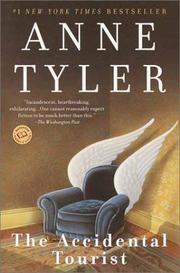
The Accidental Tourist
Grieving Macon writes travel guides for haters of travel, then Muriel intrudes.
2,252-word summary · 10 min read
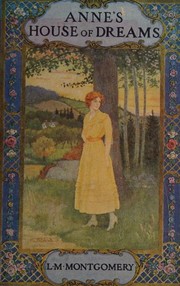
Anne's House of Dreams
Newlyweds Anne and Gilbert start in a seaside house with kind neighbors.
2,465-word summary · 11 min read
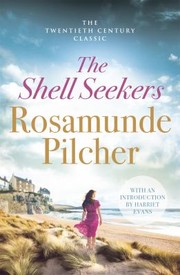
The Shell Seekers
Elderly Penelope Keeling must decide the fate of her father's treasured painting while her three children press her to sell.
2,592-word summary · 12 min read

The Statistical Probability of Love at First Sight
Hadley misses a flight, meets Oliver to London, and faces her father wedding in one day.
2,002-word summary · 9 min read
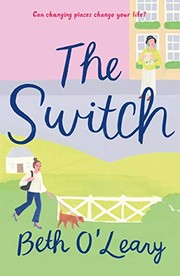
The Switch
A burned-out consultant and her 79-year-old grandmother swap London and Yorkshire homes for two months, facing grief, dating apps, and village politics.
2,782-word summary · 12 min read
The Starter Ex
A retired bad-girlfriend-for-hire takes one last job and falls for the mark.
2,092-word summary · 9 min read

The Seven Sisters
Maia follows Pa Salt clue from Geneva to Rio and Christ the Redeemer.
2,210-word summary · 10 min read

The Longest Ride
A stranded widower relives his marriage while a Wake Forest student and a bull rider test new love in North Carolina.
2,488-word summary · 11 min read
Practical Magic
Orphaned sisters Sally and Gillian Owens flee magic and love, until Gillian returns with a dead boyfriend and Sally must face the family curse.
2,974-word summary · 13 min read
Major Pettigrew's Last Stand
A 68-year-old widower and a Pakistani shopkeeper widow fall for each other in a Sussex village that watches their every step.
2,957-word summary · 13 min read

The Wedding
Wilson Lewis courts his own wife again with Noah's help as daughter Anna plans her wedding.
2,076-word summary · 9 min read