
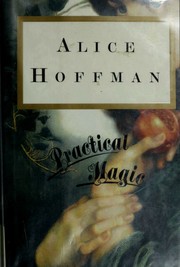
Practical Magic
2,974-word summary 13 min read 244 pages in the book
- First published
- 1995
- Publisher
- G.P. Putnam's Sons
- Pages
- 244
- ISBN
- 9780399140556
- Series
- Practical Magic (#1)
Reading options
What's inside (8 sections)
I came to this one sideways. I had seen bits of the 1998 film years ago at a friend's place, all midnight drinks and kitchen dancing, and I assumed the book would feel the same. Light, funny, a little witchy. A pal who reads a lot of Hoffman told me the novel is quieter and sadder than that, more about sisters and grief than about spells. She was right. I started it on a rainy weekend and finished it with that heavy, full feeling you get after sitting with people you worry about.
Some facts before the story, since they matter here. Practical Magic by Alice Hoffman was first published in 1995 by G.P. Putnam's Sons. The first hardcover runs 244 pages. It is book 1 in the Practical Magic series, followed much later by prequels and a sequel, but this first book stands alone. It centers on Sally and Gillian Owens, two sisters raised by their aunts in a small Massachusetts town, and on what happens when the past they tried to outrun parks a car in the driveway.
What surprised me was how little the magic feels like a trick. The aunts do sell charms and potions, and there are spells that work, but most days the strange stuff sits right beside grocery lists and school pickups and bad boyfriends. That mix is the charm of the book. It is also, at times, the problem, because Hoffman lets eerie things linger without explaining them, and some readers will want clearer rules. I mostly liked the blur. Once or twice I wanted her to pick up the pace.
The aunts and the house everyone whispers about
Sally and Gillian lose their parents young in a fire. Their mother had left the family home years before, and after the accident the girls are sent back to the place she tried to leave. That place belongs to Frances and Jet, their aunts, older Owens women who live in a big, musty house with black cats and a garden that smells strong in summer.
The town treats the aunts as both joke and resource. Kids dare each other to walk past the gate. Grown women who roll their eyes in public still knock on the back door for help with love trouble or rashes or bad sleep. Frances is sharp and blunt. Jet is softer, the one who remembers birthdays and mends things. Together they raise the girls with almost no rules. Soda for breakfast. Candy when they want it. No bedtime lectures. It sounds fun until you see the cost. The girls grow up feeling watched at school and strange at home.
Magic in this house is practical, hence the title. The aunts make herbal remedies. They mix teas for nerves. They will, for a price, mix something to pull a lover closer. Hoffman is careful to show this is not cute. Early on, the sisters watch a love spell go wrong. A man who drinks one of these mixtures does not fall sweetly in love. He becomes fixed and wild, obsessive in a way that frightens everyone around him. That scene stuck with me because it sets the limit for the whole book. Wanting can be aimed, but it cannot be controlled.
After that, both girls decide, in their different ways, that love and magic are trouble. Gillian will chase love anyway and call it freedom. Sally will try to refuse love entirely and call it safety. The aunts do not argue much. They have seen Owens women make this promise before.
There is also the old family story hanging over them. Generations back, Maria Owens was left by a man she loved, and in her hurt she put a curse on Owens love. Any man who truly loves an Owens woman is said to die. The girls hear this as children the way other kids hear ghost stories. As adults they learn it feels less like a story and more like a pattern they cannot break.
Sally tries for a normal life, Gillian tries for a fast one
After high school the sisters split. Gillian leaves at seventeen with a boy and keeps moving. California, odd jobs, bars, older men with cars. She is pretty in a way that gets attention, and she learns to use that attention to get rooms and rides and second chances. Underneath, she is lonely and quick to attach to anyone who seems sure of himself. That habit will hurt her later.
Sally goes the other way. She wants a husband, a kitchen, kids who are not stared at. She meets Michael, who is kind and steady and not scared off by the Owens name. They marry. They have two girls, Antonia and then Kylie. For about three years they are happy in the plain, tired way of young parents. Then Michael dies suddenly. One day he is there, the next he is gone, and Sally is a widow with two small children.
Hoffman writes Sally's grief without dressing it up. Sally stops sleeping well. She replays small choices. She wonders if she caused his death by loving him, by pulling the curse down on him. Reason says a curse did not kill her husband. Grief says maybe. She packs up the girls and moves to a town where no one knows the Owens history. She makes rules. No magic talk. No spells. No Ouija games. Homework done, teeth brushed, doors locked. She thinks if she keeps life small and clean, nothing bad can get in.
It works, partly. Antonia grows into a calm, careful teenager who wants to please her mother. Kylie, younger, is wilder and more open. She notices things. She dreams hard. She asks questions Sally does not want to answer. I found these chapters moving because Sally is trying so hard and failing in such a normal way. You can keep daughters away from potions. You cannot keep them away from wanting things.
Gillian, meanwhile, has found Jimmy Angelov. Jimmy is handsome and mean, the kind of man who is generous in front of friends and cruel behind closed doors. He drinks, he uses drugs, he hits. Gillian stays longer than she should, partly from fear and partly because leaving would mean admitting she was wrong about him. When she finally calls Sally, her voice sounds small. She needs help. Sally, who has spent years building walls, opens the door.
The car in the driveway
This is the turn the whole book pivots on, so I will tell it plainly without milking it. Gillian arrives at Sally's house with Jimmy dead in the passenger seat of her car. He overdosed, or his heart gave out after a long binge, and Gillian panicked and drove. She did not call police. She called her sister.
What follows is messy in a way that felt true. The sisters argue in whispers while the girls sleep. They are scared. They do something they think will solve it. They bury Jimmy in the backyard, deep enough to hide, shallow enough that the choice haunts them. They tell themselves it was panic, not evil. They promise never to speak of it. Then the ground does something odd.
A patch of strange plants pushes up where Jimmy lies. Pale, rank flowers that were not there before. The yard smells wrong after rain. Kylie, who already sees more than others, starts sensing Jimmy nearby. Not as a movie ghost with chains, but as a pressure, a cold spot, a voice at the edge of sleep. She grows oddly attached to that patch of garden, which worried me as a reader and worries Sally far more.
Hoffman lets this section run slow. Days pass. The sisters clean the house too much. They snap at the girls. They check the yard at night with flashlights. Gillian drinks. Sally scrubs. Antonia pretends not to notice. Kylie notices everything. I tore through these pages, then got tired about halfway through, because the dread repeats. Another bad dream. Another cold draft. Another fight about whether they did the wrong thing. The point is clear. Guilt does not stay buried. But Hoffman circles it a few extra times before moving on.
One choice I admired here: neither sister is painted as a killer in the thriller sense. They did not plan Jimmy's death. Their crime is fear and cover up, which is easier to judge from outside than inside. Hoffman keeps the focus on what hiding does to them. Gillian shakes. Sally cannot eat. The house feels crowded even when it is quiet.
Questions from outside
You cannot bury a man like Jimmy and have no one ask. Jimmy had family, habits, a record. Soon a man comes asking careful questions. Gary Hallett, an investigator from out of state, is tracing Jimmy's path. He is polite, patient, the sort who writes things down and remembers what you said last Tuesday.
Gary changes the air in the book. He is not from the town, so he sees Sally without the Owens filter. He likes her plain cooking and her tired jokes. He is good with Kylie and respectful with Antonia. Sally, who swore off love after Michael, feels herself lean toward him and hates it. Every kind moment scares her. If the curse is real, liking Gary puts him at risk. If the curse is not real, she has wasted years being afraid for nothing. Both options hurt.
The aunts come back into the story here, and I was glad to see them. Frances and Jet arrive with bags and cats and opinions, as if no time has passed. They take one look at the yard and understand more than the sisters say. They do not yell. They make tea. They tell the girls stories about Owens women that sound like warnings and comfort at once. Their presence steadies Sally and annoys Gillian, which felt true to how family help often lands.
The town, too, starts watching again. Mothers keep kids away from Kylie after she says odd things at school. A neighbor stops chatting over the fence. Sally feels the old shame return, the sense of being marked. Antonia, who wants a normal teenage life, resents it. Kylie, who wants truth, leans into it. The split between the daughters gives Hoffman room to show two ways of carrying a strange name. Hide it or hold it up.
My gripe in this stretch is pace. Gary is appealing, but his interviews repeat. He asks, Sally deflects, he notices, she worries. The pattern needs fewer rounds. I also wanted more of Frances and Jet in these chapters. They have the best lines and the clearest sight, yet they sit in the kitchen while the sisters loop through fear. When the aunts do act, the book lifts. When they wait, it sags.
Still, there are scenes I will keep. Jet brushing Kylie's hair and talking about fear as if it were weather. Frances telling Sally that rules cannot keep sorrow out, only love out. Gary fixing a porch step without being asked. Small kindnesses landing hard because everything else feels rotten.
Sally's daughters start to choose
One of the strengths of the middle and late book is that Antonia and Kylie are not props. They have their own pulls. Antonia is near the age where girls test beauty and power. She tries lipstick, stays out a little late, likes a boy who likes her back. She wants spells to be fake so she can be normal. Kylie wants spells to be real so her seeing means something. The sisters argue about this the way real siblings do, in half sentences and slammed doors.
Kylie's Sight grows. She sees Jimmy more clearly. She hears him. She feels pulled to the garden patch. Hoffman does not over explain how this works, which I liked. Kylie is not casting with wands. She is paying attention in a way most people do not. The cost is that she sleeps badly and cries easily and clings to Gillian, who understands recklessness better than Sally does.
Antonia's path is quieter and, to me, sadder. She does everything right and still feels the town's chill. She asks Sally why they cannot live like regular people. Sally has no good answer. She can say be careful, be kind, study hard. She cannot say your name will not follow you. There is a scene where Antonia comes home early from a party and sits on the stairs, not crying, just flat. Sally sits with her and says little. That restraint hit me more than any spell.
Gillian, for her part, starts to face what Jimmy did to her. Not all at once. She flinches when men raise voices. She brags about California nights, then goes silent. Sally, who once envied Gillian's nerve, sees the bruise underneath. The sisters move from old roles, Sally the good one and Gillian the wild one, into something more even. They both made messes. They both are trying to clean.
This is also where Hoffman writes best about motherhood. Sally loves her girls so much she smothers them. She checks windows twice. She says no too fast. When Kylie asks about magic, Sally lies, then hates herself for lying. When Antonia asks about dating, Sally gives rules instead of stories. Frances calls her on it, gently. You cannot protect them from wanting, she says in her own blunter way. You can only teach them what wanting costs.
If you are reading for romance, the Gary thread builds here. Long talks on the porch. A hand held a second too long. Sally pulling back, then not pulling back. Hoffman keeps it slow, which suits a widow with kids. Some readers may find it too slow. I thought the hesitation earned the later warmth.
What holds and what wore me down
By the last third, the book has to settle Jimmy. The ghost will not rest while the body is hidden and the guilt is fresh. The aunts push the sisters toward a harder honesty. Not a courtroom speech. A reckoning in the house and yard, with salt and smoke and plain words. I will not lay out each step, because the power is in reading it as it happens, but I can say it involves digging, both literal and emotional, and the whole household taking part. Antonia and Kylie are not shielded from it. Gary sees more than Sally wants him to see. Choices get made that cannot be unmade.
That closing movement worked for me even though it is crowded. People cry, shout, hold each other up. The flowers, the cold spots, the dreams, all narrow to one night of facing things. Hoffman writes crowds well. Everyone has a job. No one is precious. After so much circling, the directness feels like fresh air.
Now the fair criticism, since this book is loved and it is easy to soft pedal. The middle is baggy. The haunting repeats beats. Dream, chill, fight, clean, repeat. A trim of thirty or forty pages would have helped, especially around Gary's interviews and the sisters' late night talks that go over the same ground. Gillian's California years are sketched thin. We hear Jimmy was cruel, we see the aftermath, but we get few concrete scenes of those months, so his hold on her can feel asserted more than shown. Readers who want tight plotting may fidget.
The aunts, the best characters, vanish for too long. Frances and Jet carry wisdom without preaching when they are on the page. Hoffman keeps them off stage while Sally and Gillian spin, perhaps to force the sisters to grow, but I missed their dry humor and missed the chance to learn more about how they live with the curse day to day. A few more kitchen scenes would have balanced the dread.
The romance may also divide people. Gary is decent almost to a fault. Patient, handy, kind to kids, respectful of no. If you like slow, careful courtship after loss, he will win you. If you want spark and banter, you may find him bland next to the Owens women. I landed in the middle. I trusted him, which mattered more to me than charm by that point in the story.
Who is this for? Readers who like family stories with a strange edge, who do not need hard rules for magic, who can sit with grief and girls becoming women and sisters forgiving each other in fits. Readers who want crisp horror or a fast thriller should look elsewhere. The scares here are soft and sad. The pace is that of a long summer, humid and slow, then stormy at the end.
What stays with me is not a spell but a household. Aunts shelling beans while giving love advice. Sally braiding Kylie's hair too tight, then loosening it. Gillian teaching Antonia how to walk away from a boy without apologizing. Gary on the porch, waiting to be invited in. A garden that finally stops smelling wrong. Hoffman is saying something plain here, and she earns it by showing it through dishes and laundry and sleepless nights rather than speeches. Love is risky. Pretending you do not need it does not keep you safe. It only keeps you lonely.
I closed the book thinking about my own family stories, the ones we repeat until they harden. Every family has a curse it tells, even if it calls it luck or temper or bad choices in men. Hoffman takes that idea literally, then gently loosens it. You inherit the story. You do not have to live it the same way. That thought felt worth the slow patches, and it is why I will keep the book and press it on friends who like their magic close to home.
FAQ
Is Practical Magic first in a series?
Yes. First published in 1995 by G.P. Putnam's Sons, it is book 1 of the Practical Magic series. Later prequels tell earlier Owens history, but this novel stands alone.
What is the Owens curse?
After Maria Owens was abandoned, legend says any man who truly loves an Owens woman dies. Sally blames it for her husband Michael's death and fears it again when she likes Gary Hallett.
How is the book different from the 1998 film?
The 1998 film is lighter and more comedic, ages the sisters up, and gives the aunts a bigger role. The novel is a darker coming-of-age story about grief, sisterhood, and guilt.
Similar books
More from Practical Magic first, then related titles.

The Shadow Sister
Star D'Apliese steps out of her sister's shadow and follows a bookshop clue into the Edwardian life of Flora MacNichol, a woman who gave up love for duty.
2,260-word summary · 10 min read
The Once and Future Witches
Three estranged sisters bring witchcraft back to an 1893 city where magic hides in nursery rhymes and the fight for the vote is also a fight for power.
2,132-word summary · 9 min read
Between Sisters
Estranged sisters Meghann and Claire reunite in Washington when Claire announces a rushed wedding, then face their mother's desertion and a medical crisis.
2,467-word summary · 11 min read
The Storm Sister
Ally D'Aplièse loses her father and her lover within weeks, then follows a brass frog and a Norwegian biography into Anna Landvik's music and the world of…
2,376-word summary · 11 min read

The Indigo Spell
Sydney Sage hunts an aging witch, learns forbidden magic, and finally admits she loves Adrian, while the Alchemist tattoo on her cheek may be controlling her.
2,604-word summary · 12 min read

The Girl Who Drank the Moon
A witch who secretly rescues the town's sacrificed babies accidentally enmagicks one with moonlight, and the girl grows up with a power she cannot name.
2,078-word summary · 9 min read
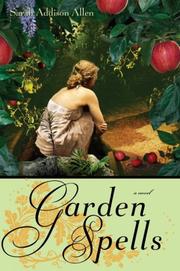
Garden Spells
Two sisters reunite in their family home in Bascom, North Carolina, where an apple tree shows anyone who eats from it the biggest event of their life.
2,030-word summary · 9 min read
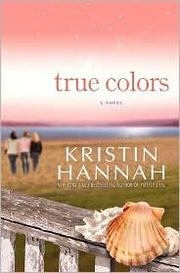
True Colors
Three Grey sisters split over love and duty after their father judges them.
2,596-word summary · 12 min read
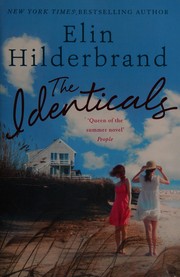
The Identicals
Twin sisters swap Nantucket and Martha Vineyard lives for a summer.
2,556-word summary · 11 min read

Blood & Honey
Married witch Lou and hunter Reid flee church and coven while dark magic tempts Lou to save them.
2,280-word summary · 10 min read

The Starter Ex
A retired bad-girlfriend-for-hire takes one last job and falls for the mark.
2,092-word summary · 9 min read

The Seven Sisters
Maia follows Pa Salt clue from Geneva to Rio and Christ the Redeemer.
2,210-word summary · 10 min read
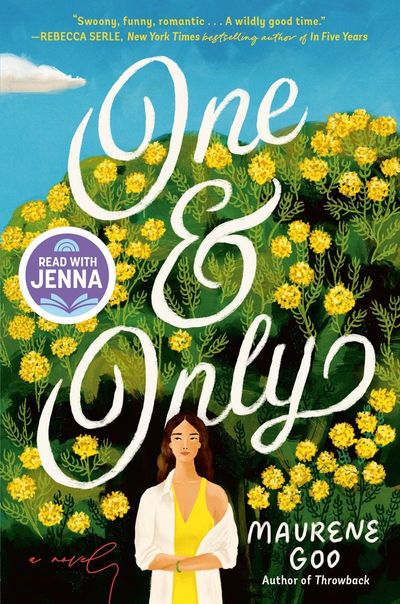
One & Only
Matchmaker Cassia Park finds fated love for everyone but herself, until a 28-year-old fling and a new boss named Daniel Nam collide.
2,033-word summary · 9 min read
Once and Again
Novak women can redo one moment; Lauren must decide whether to use hers.
2,330-word summary · 10 min read
In Her Shoes
Philadelphia lawyer Rose takes in her wayward sister Maggie until a betrayal splits them, sending both toward their long-lost grandmother in Florida.
2,781-word summary · 12 min read
Caraval
Sisters Scarlett and Tella enter the game Caraval to escape a cruel father, where truth and show blur.
2,033-word summary · 9 min read

What Happened to Goodbye
Mclean has reinvented herself in four towns since her parents divorced. In Lakeview she uses her real name, and for the first time staying put becomes a choice.
2,796-word summary · 12 min read

The Japanese Lover
A Polish refugee and the son of a Japanese gardener fall in love in San Francisco in 1939, then keep the affair secret for nearly seventy years.
2,286-word summary · 10 min read

River Marked
Mercy and Adam's honeymoon on the Columbia River turns into a fight with an ancient river devil, and Mercy finally learns the truth about her father.
2,008-word summary · 9 min read

Magic Burns
A magic flare hits Atlanta, and mercenary Kate Daniels must recover stolen maps, find a missing witch, and keep a teenage girl alive while Celtic gods try to…
2,021-word summary · 9 min read

Little Town on the Prairie
In the spring after the Long Winter, fifteen-year-old Laura sews shirts, studies for a teaching certificate, and helps send her blind sister Mary to college.
2,071-word summary · 9 min read
Mrs. Everything
Two Jewish sisters in Detroit grow up, apart and together, across seven decades of American life, from the 1950s to the 2016 election.
2,362-word summary · 10 min read

Blood Bonds
Oleander is chained in a Resistance camp, and her five Bonds have to find her before Silas Davies finishes what he started in this third Bonds that Tie book.
2,018-word summary · 9 min read

Witches Abroad
Three Lancre witches fly to Genua to stop a fairy godmother from forcing a servant girl into a storybook marriage, and find a city arranged around a happy…
2,651-word summary · 12 min read

The Siren
Saved from a shipwreck in 1930, Kahlen becomes a siren who sings men to their deaths for the Ocean, until a boy in a college library makes her want a life she…
2,369-word summary · 11 min read
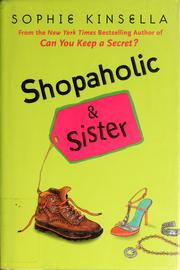
Shopaholic and Sister
Becky Brandon returns from a ten-month honeymoon to meet the half-sister she always wanted, then discovers that Jess is thrifty, prickly, and nothing like the…
2,591-word summary · 12 min read
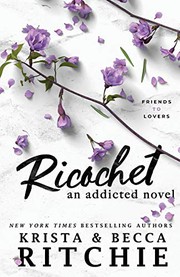
Ricochet
Lily Calloway tries to stay celibate for ninety days while Loren is in rehab, leaning on Rose, Connor, and Ryke as therapy forces her to face her childhood.
2,575-word summary · 11 min read
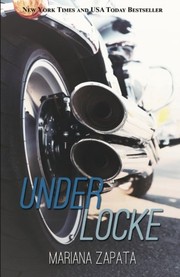
Under Locke
Iris Taylor moves to Austin broke and wary, takes a front-desk job at a tattoo shop, and spends the book learning that Dex Locke’s blunt cruelty and unexpected…
2,591-word summary · 12 min read

Sam's Letters to Jennifer
A grieving journalist reads her grandmother's letters and finds a decades-long love affair that changes how she sees her family.
2,310-word summary · 10 min read
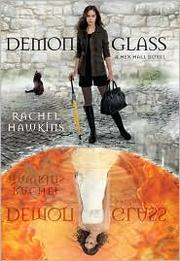
Demonglass
Sophie Mercer spends the summer at the Council's English estate, where two new demons, a suspicious host, and Archer's return complicate her plan to remove her…
2,771-word summary · 12 min read