
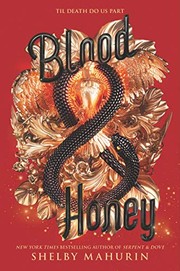
Blood & Honey
2,280-word summary 10 min read 544 pages in the book
- First published
- 2020
- Publisher
- HarperTeen
- Pages
- 544
- ISBN
- 9780062878052
- Series
- Serpent & Dove (#2)
Reading options
What's inside (8 sections)
I came to Blood & Honey straight after Serpent & Dove because that first book ended with blood on a wedding dress and I needed to know who lived. Shelby Mahurin published it September 1, 2020 with HarperTeen, a 544 page hardcover with ISBN 9780062878052. It is book two of the Serpent & Dove trilogy, between Serpent & Dove and Gods & Monsters. I expected a quick bridge book. It is not quick. It is a long, messy middle about running, arguing, and paying for magic with pieces of yourself.
When we left, Lou Le Blanc, a runaway witch of the Dame Blanche coven, had married Reid Diggory, a Chasseur witch hunter raised by the Church to kill people like her. They loved each other. Nobody else approved. At the end of book one, Morgane le Blanc, Lou mother, crashed the wedding, killed a lot of people, and took something vital. Lou and Reid escaped with Coco, Lou best friend and fellow witch, and Ansel, a young hunter who chose them over orders. Blood & Honey starts with those four on the road, hunted by everyone.
The premise is simple. They need allies. The coven wants Lou dead or used. The Church wants Reid back or dead. The crown wants quiet. Morgane wants Reid because he is her son too, half witch, a bridge for her return. The group flees Cesarine and heads for friends Lou swears she has: werewolves, rival witches, old thieves. Every refuge fails or costs more than promised. They sleep in barns. They steal coats. They fight about food. Reid prays to a god who feels silent. Lou coughs blood and hides it.
On the run with no plan
The first third is travel and temper. Mahurin writes hunger well. They count coins. They split bread. Ansel, only sixteen, tries to be brave and gets teased for it. Coco patches wounds with sharp jokes and sharper needles. Reid tries to lead with hunter rules that do not work outside the city. Lou tries to lead with thief rules that do not work when people are grieving.
I liked how loud they are with each other. They do not have noble talks about duty. They snap. Reid hates magic but needs it to survive. Lou hates the Church but wears Reid cross when she thinks he is not looking. Coco calls Lou selfish when Lou uses too much magic. Ansel asks if they are good people and nobody answers fast. The banter from book one is still there, nicknames and teasing, but tired now. It felt true to being twenty and hunted. You joke because the alternative is crying in front of others.
Reid change is the core. In book one he learned witches are people. In this book he learns he might be one. His mother is Morgane. His blood answers Lou patterns. He can feel threads. He hates it. He tries to cut magic out with prayer, with fasting, with holding his cross until it marks his palm. One strong scene has him try to burn a protection charm Lou made him. He cannot do it. He keeps it because it smells like her. His faith does not vanish. It bends. He starts to think the Church taught him half a story to make killing easier.
Lou change is darker. Her magic as Dame Blanche always had a price. Now she pays faster. To hide them, to heal Reid, to scare trackers, she reaches for blood patterns her mother used. Each use leaves her nose bleeding, her hands shaking, her temper short. She lies about it. Coco knows. Coco counts the lies. There is a good ugly fight where Coco says Lou will get them killed trying to save them alone. Lou says Coco does not understand what Morgane will do to Reid. Both are right, which is why it stings.
Allies who cost
The middle moves from camp to camp seeking help. First the werewolves, the loups garous. Mahurin gives them a forest court with teeth rules, guest rights, and a price for shelter. Ansel shines here. He is kind to a wolf pup, which earns trust no charm could. But the wolves want Lou to settle a blood debt. Reid wants to refuse on principle. Lou wants to accept to buy time. They compromise badly and leave with fewer supplies than they came with and one more enemy watching.
Then the witches. Not Dame Blanche, but other covens who hate Morgane and also hate Lou for running. The scenes in the witch camp are some of the best. Old women test Lou. They ask her to prove lineage by working a pattern without tools. She does, barely, and vomits after. They offer shelter if Reid leaves. Lou refuses. Coco argues she should consider it for Ansel sake. Reid hears and thinks they are trading him. The misunderstanding lasts too long, a full chapter of people not saying plain things, which annoyed me. But the resolution, when Reid stands in a circle of witches and says he will not ask them to trust him, only to let him earn it by guarding the perimeter all night in snow, works. He does it. He shivers. They let them stay three days.
The thief network from Lou past also returns. A contact named Beau, charming and lying, offers papers and a boat. The price is a job, steal from a Church storehouse. The heist chapter is fun and tense. Lou picks locks. Coco distracts guards with flirting that turns real enough to scare her. Ansel keeps watch and freezes when he must choose between warning and hiding. Reid kills a man who would have killed Ansel and then sits in an alley shaking. Mahurin does not let killing be clean, even for a trained hunter. Reid washes his hands until they are raw.
Through all this, Morgane whispers. She comes in dreams, in mirrors, in blood. She tells Lou she is tired of running. She tells Reid his father, the Archbishop, lied about everything. She offers peace if they come home. Lou is tempted not by power but by rest. Just stop running, sleep in a real bed, let mother handle the Church. When Lou almost answers, it is Ansel voice, not Reid, that pulls her back. He asks her to teach him a card game. Small, human, present. I liked that choice. Love saves less often than routine.
Blood costs blood
The last third turns toward confrontation. They learn Morgane needs Reid blood and Lou heart to finish a rite. They decide to strike first at a Church convoy carrying relics that could hurt Morgane. The plan is messy because they are tired and short on allies. It goes wrong in ways that feel earned, not twisted for shock. Someone talks. Someone panics. Ansel pays the highest price. I will not detail it fully here, but his death lands because Mahurin spent pages making him the moral center, the kid who still says thank you to enemies.
After Ansel, the group breaks a little. Coco drinks. Reid prays angrily. Lou stops eating. They still go to the final rite because there is nowhere else to go. The battle mixes witch patterns, hunter blades, wolf teeth, and church bells. Lou uses the darkest pattern yet, one that asks for a life for a life. Reid offers his. Lou refuses and offers her own. Coco interrupts with a third option that costs her something permanent. I found the magic system clearer here than in book one. Patterns have shapes, costs, and limits. Blood pays more but takes more. Balance matters. It is not just wave hands and win.
Morgane is a good villain because she believes her own story. She thinks witches were wronged and only strong blood can fix it. She loves Lou in a twisted way. She tells Lou she left her to make her strong. She tells Reid she watched him as a boy. Whether she lies or not is left blurry, which is scarier. She is not defeated fully. She is delayed, wounded, angry. The book ends with the group smaller, poorer, but together, heading toward a new plan involving gods and monsters, as the next title promises.
Fair criticism is needed. The middle drags. Travel, camp, argument, travel again. At 544 pages, about a hundred could go. The love scenes repeat the same language about heat and vows. Reid jealousy flares whenever another man looks at Lou, which feels stale after book one growth. Lou keeps secrets long after she should know better, which manufactures conflict. Some readers will also balk at the Church as purely corrupt. There are no good priests here except Ansel memory, which flattens a complex institution into a target.
Still, I cared. Lou and Reid marriage feels lived in. They argue about dishes while being hunted. They check each other wounds. They learn each other families. Coco gets depth beyond sidekick, her fear of being left, her past with Ansel that was sweet without being forced. The book says running does not fix you. You bring your debts, your mother voice, your god voice with you. You have to face them while moving.
Read Serpent & Dove first. This book assumes you know the wedding, the scars, the vows. Where Lou goes, Reid will go. That line repeats and means more each time. By the end, after blood and honey, after loss, it sounds less like romance and more like a promise to stay in the same storm. I will read book three because I want to see if they can find land.
Magic with teeth
I want to say more about how magic works here because it carries the theme. Dame Blanche magic uses patterns, balance, and sacrifice. Small charms need breath and focus. Big workings need blood, memory, or years. Lou was taught to take what she needs and pay later. Her mother taught her that late payment collects interest. Every time Lou pulls more than she has, something nearby dies, a plant, a bird, a patch of her own hair turning white.
Reid watches this and hates it for two reasons. He was taught magic is evil, and he sees it hurting the woman he loves. His hunter training gives him a different model. Blades, drills, prayer. Clean tools, clear orders. The book puts those models side by side in camp chores. Lou mends a coat with a pattern and bleeds from the nose. Reid mends a coat with a needle and takes an hour. Both work. One is fast and costly. One is slow and steady. The group needs both, but they argue about which to use when tired, which is always.
Coco magic is quieter. She does blood work too, but she plans. She draws circles, lays herbs, sings under breath. Ansel asks her to teach him a warding charm. She says no at first because he has no witch blood. He asks again. She teaches him the words without power, so he can feel included. That small kindness matters later when he holds a line he cannot hold. It is not power that saves them. It is practice and presence.
The Church relics mirror witch patterns. Bells that break concentration. Iron that burns skin. Holy water that is really salt and intent. Mahurin suggests both sides use the same world differently. That idea could have gone further. I wanted one priest who doubts, one nun who heals both sides. Instead the Church stays mostly cruel. It weakens the theme a little, because balance needs two real weights. Still, the magic scenes are vivid. You smell copper, hear ringing, feel cold where patterns pull heat.
What the title means
Blood and honey sounds like a love phrase. In the book it is also cooking. Lou makes honey cakes when she can. She burns them. Reid eats them anyway. Blood shows up in vows, in monthly cycles, in wounds cleaned by firelight. Honey shows up in tea shared when there is nothing else to share. The two mix in one late scene where Lou bleeds onto a honeycomb while trying to heal Coco hands. It is sticky and gross and tender. They laugh because crying would use water they need.
That mix is the argument of the book. Love is not pure. Marriage after trauma is not clean. You bring blood, family curses, church lessons, mother voices. You also bring honey, small sweet things you choose to make. The group survives not because they are strong but because they keep making small sweet things while bleeding. A card game. A mended coat. A shared watch shift where Reid tells Ansel about constellations hunters use to navigate.
If the next book sticks the landing, this middle will read better. As it stands, it sags in the center but holds at the edges. I forgave the sag because the people felt real to me, tired and snapping and still sharing bread.
Who should pick it up
If you like Sarah J. Maas banter plus darker costs, this fits. If you want tight politics, look elsewhere. This is a road book about a marriage under siege. Ages fifteen and up is right. There is open door sex, torture, burning, and grief. Younger teens who loved book one for enemies to lovers may find this heavier and slower.
I finished late at night and sat with Ansel chapters for a while. Middle books often feel like waiting rooms. This one feels like a winter camp, cold, crowded, with people trying to be kind with empty hands. Not perfect. Not empty either.
FAQ
When was Blood and Honey published and how long is it?
HarperTeen published it September 1, 2020. The hardcover runs 544 pages with ISBN 9780062878052.
Is Blood and Honey part of a series?
Yes. It is book two of the Serpent and Dove trilogy, between Serpent and Dove and Gods and Monsters.
Is Blood and Honey appropriate for younger teens?
Ages 15 and up fits best. There is open door romance, torture, blood magic, and burnings.
Similar books
More from Serpent & Dove first, then related titles.
Serpent & Dove
A runaway witch is forced to marry a witch hunter in Cesarine, hiding her magic as old enemies close in.
2,962-word summary · 13 min read

The Indigo Spell
Sydney Sage hunts an aging witch, learns forbidden magic, and finally admits she loves Adrian, while the Alchemist tattoo on her cheek may be controlling her.
2,604-word summary · 12 min read

The Siren
Saved from a shipwreck in 1930, Kahlen becomes a siren who sings men to their deaths for the Ocean, until a boy in a college library makes her want a life she…
2,369-word summary · 11 min read
Demonglass
Sophie Mercer spends the summer at the Council's English estate, where two new demons, a suspicious host, and Archer's return complicate her plan to remove her…
2,771-word summary · 12 min read

The Rose & the Dagger
Shahrzad is pulled from her Caliph husband and left in a desert camp of rebels, needing to break his curse and end a war before it ends her.
2,520-word summary · 11 min read

We Hunt the Flame
In a fractured Arabia-inspired world, a disguised huntress and a prince-assassin race to find a magic-restoring book and confront an ancient evil.
2,195-word summary · 10 min read

Blue Moon
Ever Bloom tries to save her immortal boyfriend, Damen, from a mysterious illness while a new student named Roman quietly takes control of her school and her…
1,998-word summary · 9 min read
An Enchantment of Ravens
Isobel, a mortal artist in the fairy town of Whimsy, paints a portrait of the autumn prince and falls in love with him, breaking the laws of her craft.
2,087-word summary · 9 min read
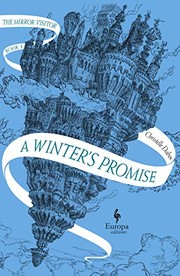
A Winter's Promise
Ophelia reads objects and is sent to marry Thorn on a cold ark.
2,502-word summary · 11 min read
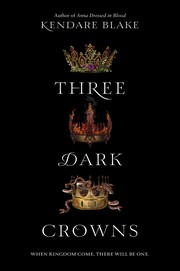
Three Dark Crowns
Three triplet queens must kill each other for the crown, but love and gifts get in the way.
2,134-word summary · 9 min read
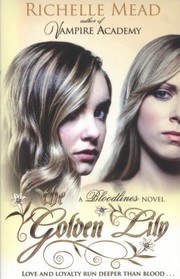
The Golden Lily
Sydney Sage guards Jill at Amberwood Prep in Palm Springs, studies forbidden magic, favors Adrian over Brayden, and faces Alchemist custody in this second…
2,988-word summary · 13 min read
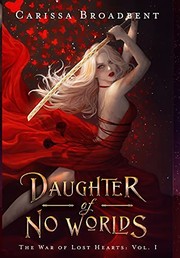
Daughter of No Worlds
A former slave with rare magic hires exiled warrior Max to train her for a daring rescue, sparking slow burn love and wider war in this big 520-page fantasy…
2,529-word summary · 11 min read
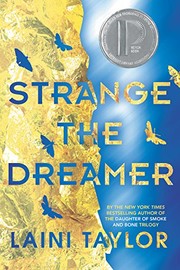
Strange the Dreamer
Orphan librarian Lazlo Strange joins a quest to the lost city of Weep, where blue-skinned godspawn haunt dreams.
2,221-word summary · 10 min read
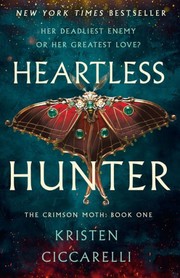
Heartless Hunter
A witch hiding as a socialite courts a witch hunter for secrets, while he courts her back on suspicion, in this romantic fantasy opener.
2,366-word summary · 11 min read
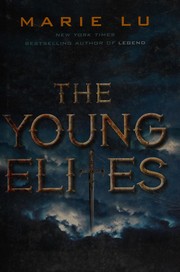
The Young Elites
Adelina survives fever and execution to join a secret group of gifted malfettos plotting against the queen of Kenettra.
3,310-word summary · 15 min read
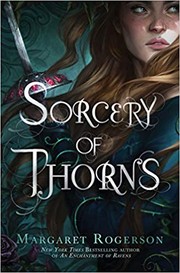
Sorcery of Thorns
An apprentice librarian framed for sabotage joins a sorcerer and his demon servant to stop attacks on the Great Libraries.
2,926-word summary · 13 min read

Hex Hall
A witch who ruins prom with a love spell is sent to Hex Hall, where a vampire roommate and old family secrets wait.
2,991-word summary · 13 min read
The Reckoning
Twin heirs survive trials and hazing at Zodiac Academy while the heirs start to split.
1,984-word summary · 9 min read
Burned
Zoey's soul hides in the Otherworld while Stark must die to fetch her and Stevie Rae burns secrets.
2,074-word summary · 9 min read
Poison Study
Sentenced to die, Yelena becomes the Commander's poison taster and learns survival in Ixia has a daily price.
2,501-word summary · 11 min read
Kingdom of the Cursed
Emilia follows Wrath into Hell to break his curse and learn what Vittoria really chose.
2,564-word summary · 11 min read
To Kill a Kingdom
A siren princess turned human must steal a siren-hunting prince's heart to win back the sea.
2,248-word summary · 10 min read
The Shadows Between Us
Alessandra plans to woo the Shadow King, marry him, and kill him for his throne, then finds someone else wants him dead first.
2,571-word summary · 11 min read

Fire
A human monster who reads minds is pulled into war in the Dells and must decide how to use her power.
2,727-word summary · 12 min read
A Curse for True Love
Evangeline wakes married with no memory of Jacks while Apollo and Jacks hunt.
2,287-word summary · 10 min read
Finale
Sisters face waking Fates with debts due, loving princes, and choices that break immortal math.
1,995-word summary · 9 min read
The Ballad of Never After
Evangeline hunts four missing Arch stones with Jacks to free a cursed Apollo and learns what his rescue will cost.
3,690-word summary · 16 min read
Legendary
Tella enters a new Caraval in Valenda to pay a debt with Legend's name, while curses and waking Fates raise the cost.
2,886-word summary · 13 min read
Kingdom of the Wicked
Twin witch Emilia summons demon prince Wrath to hunt her sister's killer in 19th century Sicily.
2,633-word summary · 12 min read
Carry On
Simon Snow returns to Watford for his last year as a failing Chosen One, with his roommate Baz missing and the Humdrum wearing his face.
2,662-word summary · 12 min read