
Reading options
What's inside (7 sections)
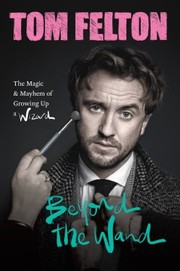
I picked up Beyond the Wand because I wanted to know what it felt like to grow up inside Harry Potter without being one of the three kids on the poster. Tom Felton played Draco Malfoy in all eight films, which means he spent ten years as the blond kid everyone loved to hate, while still trying to pass exams and get home for dinner. The book first came out in 2022 from Grand Central Publishing in the US, 304 pages in the hardcover, with a foreword by Emma Watson. It reads fast, like someone talking late at night after a show, funny in one story and suddenly serious in the next.
Felton starts with his childhood in Surrey, and this part surprised me because it has almost nothing to do with acting. He is the youngest of four boys, born in 1987, raised in a loud house where his older brothers teased him nonstop and taught him to fish. His mum drove him everywhere. His dad worked hard and loved music. The family was close but normal, the kind where shoes pile up by the door and someone is always eating. Tom sang in a church choir and loved being outside more than being on stage. Acting came almost by accident when a family friend suggested he try commercials because he had a lively face and no fear of cameras.
The early jobs came quickly. He did ads, then won the part of Peagreen Clock in The Borrowers in 1997 when he was still small, acting next to Jim Broadbent and John Goodman without fully understanding how big that was. Then he played Louis in Anna and the King in 1999 opposite Jodie Foster, filming far from home and learning how slow film sets can be. He tells these stories with a lot of warmth for the adults who looked after him, especially his mum and later his grandad, who came along as a chaperone. What I liked here is that he does not pretend he was some driven stage kid. He liked fishing. He liked singing. Acting was fun and paid for nice things, but school and his brothers kept him grounded.
Then comes the Potter audition, and his version is one of the funniest bits in the book. He had not read the books. He went in, read for Harry and Ron first like many boys did, and when they asked what he liked about the stories he basically bluffed. In his telling, he gave a very Draco-like answer without meaning to, all confidence and cheek, and the casting team saw something in it. He got the part of Draco Malfoy, the Slytherin rival with the sharp face and the sharper parents. He was around twelve. His hair started getting bleached for the role, which stung and itched, and he walked around school looking like a small villain while insisting he was still just Tom.
The middle of the book walks through the ten years of filming, film by film, and this is where it earns its subtitle about magic and mayhem. He describes Leavesden Studios as a second home, a huge place of wooden sets and cold mornings where kids did schoolwork in trailers between takes. The tutors tried to keep lessons going while owls hooted next door. He writes about Chris Columbus setting the tone early, warm and patient with children, and later directors pushing the cast harder as the stories grew darker. He loved the physical stuff, broom work on rigs, duels that took days to film for seconds on screen. He also admits how boring large stretches were, sitting in robes for hours while lights were fixed, playing games and pranks to pass time.
The cast stories are the reason most people will read this, and Felton delivers without sounding like he is dropping names for effect. He adored Alan Rickman, who played Snape and could silence a room by raising one eyebrow, and who gave Felton quiet advice about handling a long career. He writes about Michael Gambon as funny and unpredictable, Maggie Smith as dry and kind, and Ralph Fiennes as intense and generous when they shared scenes in the later films. With the younger cast, the tone is brotherly. Daniel Radcliffe comes across as steady and professional even as a kid. Rupert Grint is the one who made everyone laugh. Emma Watson started as the serious nine year old who corrected people about set rules and grew into one of his closest friends. He is honest that fans sometimes blurred him with Draco, shouting things in streets or glaring at school, and that it stung when he was young and pleased him later when he understood it meant he had done the job.
School, hair dye, and two lives at once
One of the best threads is the split between set life and normal life. Between films he went back to school in Surrey, where teachers expected homework and classmates expected him to be the same boy as before. He was not always that boy. He had dyed hair, missed weeks of lessons, and carried money and stories no teenager should have to explain. He got into trouble, messed around, tested teachers. He writes about a headteacher who saw through the act and tried to give him room to be ordinary, which moved me because Felton clearly needed someone to treat him as a pupil rather than a brand.
He is frank about money and fame at that age. He earned a lot young and spent some of it badly, cars and clothes and nights out, while his family tried to keep him sensible. Girls noticed him. Strangers asked for photos during meals. He describes walking through airports with security while still worrying about spots and exams, which sounds funny until you picture living it for a decade. I liked that he does not complain much. He says plainly that he was lucky, that thousands of boys wanted the part, and that the trade was privacy and a normal youth. That balance keeps the book from turning sour.
Music runs through these chapters too. Felton always loved singing and taught himself guitar, posting rough songs online under the name Feltbeats. He played small gigs, recorded simple tracks, and used music as a place where nobody called him Malfoy. He writes about busking nerves and late sessions with friends, and about how songs let him say things he could not say in interviews. Some readers may skim these pages if they only want Potter gossip, but I thought they showed where his head really was. He wanted to make things with friends, not just wear robes someone else designed.
Pranks, friendships, and the long goodbye
The prank stories are everywhere and mostly harmless. The young cast hid in costumes, stole food from catering, scared each other in dark corridors at Leavesden. Felton and others sneaked onto sets after hours. He once kept a Slytherin ring or a small prop longer than he should have, the kind of souvenir every kid would pocket. These bits could feel padded, but they build a picture of children growing up together under strange lights. By the time they filmed the last movies, they were adults who had spent more time together than with old school friends, and the final days on set hit hard.
He gives real space to the later Potter films, when Draco stopped being a cartoon bully and became a frightened teenager. In Half-Blood Prince and the Deathly Hallows films, Draco is ordered to do terrible things and cannot do them, crying in bathrooms and lowering his wand on the tower. Felton says he felt the weight of that shift and worked harder than ever, helped by long talks with directors and by watching older actors prepare. He wanted people to see fear under the sneer. I think he got there on screen, and the book helped me appreciate scenes I had rushed past before.
The goodbye chapters are sad in a plain way. When filming ended in 2011, he lost his daily structure, his friends scattered to new jobs, and the world still saw him as a seventeen year old villain even though he was grown. He describes wandering around London, taking meetings, hearing he was too linked to Draco for some parts and not famous enough for others. Some actors from big franchises hide that awkward period. He spells it out, including bad auditions and months with little work. That honesty makes the later success feel earned rather than arranged.
After Potter and the hard years
After Potter, Felton worked steadily even if nothing matched that size. He played a cruel handler in Rise of the Planet of the Apes, which showed he could be disliked without robes. He did Belle, a period drama he speaks of with pride, plus In Secret, Risen, Message from the King, A United Kingdom, and a run as Julian Albert on The Flash, where he got to be funny and sharp in a new setting for American TV fans. He led the sci-fi series Origin for YouTube Premium and played Laertes in Ophelia. None of these made him a new kind of star, and he knows it. He writes about accepting smaller parts, voice work, indie films, and convention appearances with gratitude rather than pride, which I found easy to respect.
The bravest part of the book is the last stretch, where he talks about drinking and low moods. He says fame made it simple to party, free drinks and late nights and people who never said no, and that he slowly lost control in his twenties. He kept working and smiling for photos while feeling empty at home. He describes reaching a point where his family and friends pushed him to get help, and his time in rehab, where he met people from very different lives and learned how common his struggles were. He does not dress this up as a neat lesson. He says he still works at staying well, that he leans on routines, honest friends, therapy tools, time outside, and his dog Willow. Emma Watson writes in the foreword about loving him and worrying about him, and that closeness hangs over these pages. It is painful to read and clearly the part he most needed to write.
He also writes about love and family with care. He was in a long relationship with Jade Gordon, who worked in stunts and even appeared in the Potter films, and he treats that history gently rather than spilling details. He writes about his mum driving him to auditions, his brothers keeping his ego in check, his grandad on set. These are not grand scenes. They are lifts, phone calls, cups of tea, someone waiting in a car park. After all the premieres, those small moments land hardest.
What works and what wears thin
What works is the voice. Felton sounds like himself, chatty, self mocking, quick with a joke at his own cost. He remembers names of drivers, tutors, costume staff, and assistant directors, not only stars, which tells you how he experienced those years. The structure helps too. Chapters move in order from childhood to Potter to after, with short detours for music and fishing, so you always know where you are. Fans will enjoy the set details, the wig glue, the cold Great Hall, the way extras kept straight faces during wand fights. People who never cared about Slytherin will still find plenty about growing up fast and paying for it later.
What wears thin is mostly about length and repeats. At 304 pages the book sometimes circles the same point, that he was lucky and lost and lucky again, in slightly different words. A few anecdotes read like tour stories polished by years of conventions, funny but familiar if you have watched his interviews. Readers hoping for secrets about Rowling or studio fights will be disappointed. He protects people and keeps gossip soft, which is decent of him but can feel careful. And while the addiction chapters are sincere, they stay at the level of personal story rather than deep reflection, which some readers may want more of.
I finished the book liking him more than when I started, and trusting him more too. He does not claim Potter made him wise. He claims it made him grateful, tired, and a bit late to grow up, and that writing this helped him catch up. If you loved those films, you will enjoy meeting the boy under the bleach. If you like memoirs about child fame, this one belongs near the top for its humor and its refusal to blame everyone else. Keep a pencil handy for the fishing passages. They are quieter than the wand fights and they stay with you longer.
A note on the edition I used
I based facts in this summary on the US hardcover from Grand Central Publishing, published in October 2022, 304 pages, ISBN 9781538741368. The UK edition came through Ebury Edge around the same week with slightly different jacket copy but the same text. The full published title is Beyond the Wand: The Magic and Mayhem of Growing Up a Wizard, and the foreword is by Emma Watson. Page counts differ a little across ebook and paperback versions, so libraries may list 288 or 304 depending on how they count front matter, but the hardcover cited here is the standard for collectors.
FAQ
When was Beyond the Wand published?
It was first published in 2022. Grand Central Publishing issued the US hardcover in October 2022 in 304 pages with ISBN 9781538741368.
Did Emma Watson contribute to Beyond the Wand?
Emma Watson wrote the foreword. She and Felton grew close filming Harry Potter and stayed dear friends after.
Is Beyond the Wand only for Harry Potter fans?
Yes, if you like honest celebrity memoirs. Potter fans get set stories, and others get a frank account of child fame and recovery.
Similar books
Dry
A memoir of drinking, rehab and relapse, and the strange business of getting sober one morning at a time.
2,643-word summary · 12 min read
Born Standing Up: A Comic's Life
Steve Martin's memoir of how a shy Disneyland magician's assistant built a strange avant-garde act, and why he walked away from stand-up at his peak.
2,034-word summary · 9 min read
Open
Tennis star Andre Agassi recalls hating tennis, falling to No. 141, and rebuilding his life on his own terms.
2,352-word summary · 10 min read
This Is Going to Hurt
Adam Kay retells his junior doctor diaries with humour and strain, from labour ward nights to leaving medicine.
2,869-word summary · 13 min read
Friends, Lovers, and the Big Terrible Thing
Matthew Perry revisits Friends fame and a long struggle with addiction, from junior tennis to Chandler Bing to a 2018 health crisis, with blunt humor.
2,258-word summary · 10 min read

Long Walk to Freedom
Mandela's account of a Thembu childhood, a law practice, a banned movement, twenty-seven years in prison, and the negotiation that ended apartheid.
2,454-word summary · 11 min read

Infidel
Ayaan Hirsi Ali's memoir of a Somali childhood, a forced marriage, a Dutch asylum claim, and the political fight that followed the murder of Theo van Gogh.
2,041-word summary · 9 min read
The Girl with Seven Names: A North Korean Defector's Story
Hyeonseo Lee crossed the frozen Yalu River at seventeen, spent years hidden in China, escaped to South Korea, and later returned to rescue her family.
2,404-word summary · 11 min read
Scar Tissue
Kiedis's memoir follows the Red Hot Chili Peppers from Hollywood house parties to fame, heroin, and the long work of staying clean.
2,217-word summary · 10 min read
The Magnolia Story
How Chip and Joanna Gaines met, closed their first shop, nearly lost everything in a housing development, and built Fixer Upper.
2,994-word summary · 13 min read
Life
The Rolling Stones guitarist tells his own story: a Dartford childhood, the band's first gigs, the drug raids, the tax years and Patti Hansen.
2,761-word summary · 12 min read

Dear Girls: Intimate Tales, Untold Secrets & Advice for Living Your Best Life
Ali Wong's debut collects fourteen letters to her daughters, covering sex, money, work, marriage, Vietnam, and being a working Asian American mother.
2,266-word summary · 10 min read

Scrappy Little Nobody
Anna Kendrick's essays trace her path from a Portland childhood and Broadway to Hollywood, with jokes, anxiety, and a refusal to pretend fame fixed her.
2,092-word summary · 9 min read
The Letters of Vincent van Gogh
Vincent van Gogh's letters to his brother Theo, in a Penguin Classics selection edited by Ronald de Leeuw, trace a decade of work, faith, and obsession.
2,611-word summary · 12 min read
The Stranger Beside Me
Ann Rule's classic memoir of her friendship with Ted Bundy, written by the true-crime author who knew him long before the world learned what he had done.
2,481-word summary · 11 min read
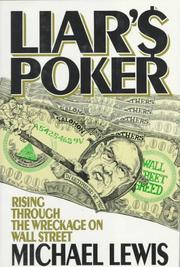
Liar's Poker
Michael Lewis recalls his years as a Salomon Brothers bond salesman in the 1980s, when bluffing paid better than analysis and the mortgage machine was just…
2,405-word summary · 11 min read
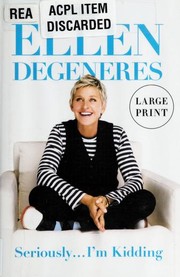
Seriously...I'm Kidding
DeGeneres strings show stories and home jokes into light life advice.
2,292-word summary · 10 min read
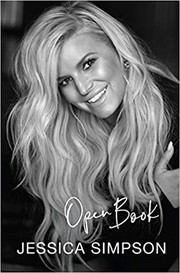
Open Book
Simpson replays pop fame, love and drink through recovery work.
2,552-word summary · 11 min read
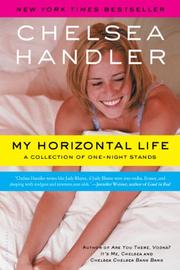
My Horizontal Life: A Collection of One-Night Stands
Handler turns dating disasters and family chaos into brash comic essays about single life in Los Angeles.
2,304-word summary · 10 min read
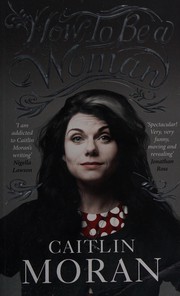
How to Be a Woman
Moran mixes girlhood and work stories into plain feminist advice.
2,600-word summary · 12 min read
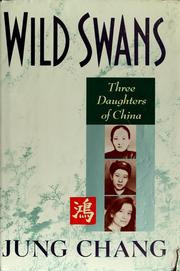
Wild Swans
Three generations of women survive warlords, revolution, and the Cultural Revolution in Jung Chang's family memoir.
2,356-word summary · 10 min read
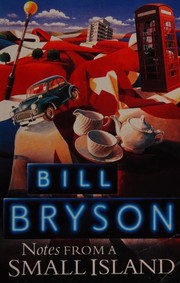
Notes from a Small Island
Bill Bryson's 1995 farewell tour of Britain, funny and fond, from Dover to London, the north, Scotland and Wales.
2,301-word summary · 10 min read
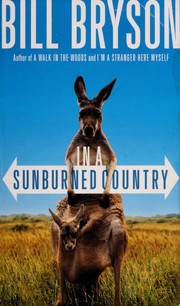
In a Sunburned Country
Bryson revisits Australia by city walks and long trains, with reef trips, critter comedy, and explorer history.
2,387-word summary · 11 min read
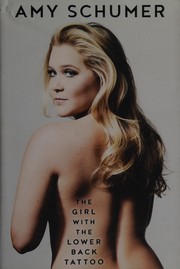
The Girl with the Lower Back Tattoo
Amy Schumer mixes raunchy jokes with frank essays on family, dating, body image, and the shooting that pushed her into gun control advocacy.
2,259-word summary · 10 min read
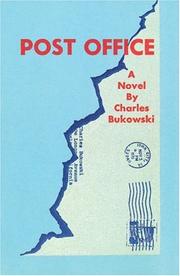
Post Office
Chinaski drifts through postal shifts, cheap rooms, horse tracks and rough love in Bukowski's 1971 debut about work, drink and survival.
2,444-word summary · 11 min read
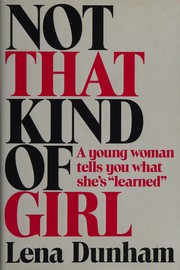
Not That Kind of Girl: A Young Woman Tells You What She's Learned
Girls creator Lena Dunham's essays on work, bodies, love, and family, frank and funny with uneven edges.
2,156-word summary · 10 min read
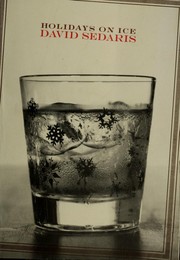
Holidays on Ice
Six Christmas pieces, from a Macy's elf stint to a feral family newsletter. Sedaris at his sharpest and most sentimental.
2,410-word summary · 11 min read
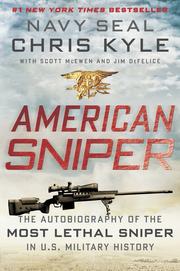
American Sniper: The Autobiography of the Most Lethal Sniper in U.S. Military History
Navy SEAL sniper Chris Kyle recounts Texas roots, SEAL training, four Iraq tours, and the strain combat placed on his marriage and health.
2,011-word summary · 9 min read
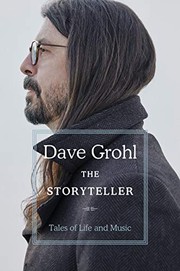
The Storyteller: Tales of Life and Music
Foo Fighters frontman recalls Nirvana, drumming, fatherhood, and life on the road.
2,307-word summary · 10 min read
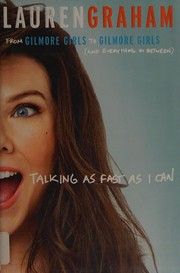
Talking as Fast as I Can: From Gilmore Girls to Gilmore Girls
Lauren Graham looks back on broke actress years, Parenthood, and playing Lorelai Gilmore twice in this funny 2016 memoir.
2,701-word summary · 12 min read