
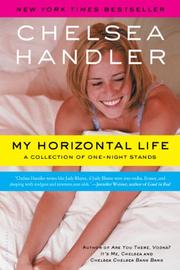
My Horizontal Life: A Collection of One-Night Stands
2,304-word summary 10 min read 213 pages in the book
- First published
- 2005
- Publisher
- Bloomsbury USA
- Pages
- 213
- ISBN
- 9781582346182
Reading options
What's inside (8 sections)
I came to My Horizontal Life after reading Handler's later book about vodka and family chaos. I wanted to see where the voice started. Chelsea Handler published this one in 2005 with Bloomsbury USA. My reading follows the 213 page edition. It is a comic memoir in short chapters about growing up in New Jersey, moving to Los Angeles, and cycling through bad dates and one night stands. The tone is loud and crude and fast. Some chapters made me laugh. Some made me put the book down for a bit. That split feels honest to report.
Handler was not yet the late night host when this came out. She was doing stand up and small TV spots. The book reads like stage material stretched into essays. Each chapter is mostly self contained. You can read two before bed without losing a plot, because there is no real plot beyond Handler trying to become an adult while avoiding most of the work.
New Jersey and a loud house
The early chapters deal with childhood in New Jersey in a big family. Handler grew up with five siblings, a Mormon mother and a Jewish father, a house where teasing was constant. Her father comes off as cheap and chatty, always working an angle. Her mother comes off as blunt and funny, the kind of parent who shuts down complaints with one line.
Handler writes about lying to get attention as a kid. She faked sick days. She invented stories about classmates. She performed for relatives at holidays. One bit about getting herself invited to things she had no business attending stuck with me because it shows the later comic in embryo. She wanted a crowd before she had jokes.
The family teasing has warmth, but it also has teeth. Brothers mock her looks. Sisters steal her stuff and then charge her to get it back. Parents compare kids openly at dinner. Handler gives as good as she gets. She learns timing at the table, how to interrupt, how to top a story, how to cry just enough that people laugh instead of scold.
These chapters are the easiest to like. The targets are mostly Handler herself as a needy kid. The humor comes from exaggeration that still feels true. Anyone from a big family will know the feeling of fighting over the bathroom and then closing ranks when a neighbor criticizes your mom.
What I noticed, reading in 2026, is how much Handler credits her parents for her shamelessness. Her dad taught her to argue about bills and bluster through embarrassment. Her mom taught her to say the rude thing out loud and keep moving. That combo became a career. You can see it forming here, less polished than in later books, more eager to shock.
Moving west with no plan
Handler moved to Los Angeles at nineteen with little money and no clear path. She waitressed. She temped. She went on auditions she was wrong for. She lived with roommates who stole food and boyfriends who stayed too long.
The LA chapters are about humiliation jobs. Customers who snap fingers. Managers who schedule her for doubles after she was up late drinking. Apartments with thin walls and broken heaters. She writes these with speed. A shift starts. Something gross happens. She says something stupid to the wrong person. She gets fired or quits. She goes out after.
One thread is her turn to stand up. She starts going to open mics, bombing in front of five people, learning to shout over blenders and TVs. She figures out that confessing dating disasters gets bigger laughs than jokes about airlines or traffic. So she starts taking notes after bad dates, saving details for stage. That habit shapes the rest of the book. Every man becomes potential material.
The waitress chapters move quick because dialogue carries them. Orders and insults and comebacks fill pages. Handler has an ear for how tired people talk. Short lines. No patience. She also shows how service work teaches you to read a table in seconds, a skill she later used on TV crowds.
There is drinking through all of it, though less bleak than in her later writing. Drinks after shifts. Drinks before dates to calm nerves. Drinks to make a boring guy interesting for an hour. At this age in the book she treats alcohol as fuel for stories, not yet as something to reckon with. Reading after knowing her later memoirs, where she talks more directly about therapy and grief, these passages feel young. Fun and a bit reckless and unaware of cost.
If you have ever moved to a big city with rent due and no contacts, the panic here will feel familiar. Handler just answers panic by going out more, not less.
Dates that go wrong fast
The middle of the book is mostly dating disasters. Handler meets men in bars and through friends and at work. She goes home with some of them. She regrets most of them by morning. She turns regret into punchlines.
The pattern repeats with variations. A guy seems charming over drinks. He gets weird in the car or in his apartment. He has a roommate on the couch. He has photos of an ex on the wall. He talks about his mother at length. He falls asleep mid hookup. Handler sneaks out or kicks him out or endures until she can leave with a story.
She is explicit about sex, sometimes funny and sometimes just crude. A chapter about a guy who kept narrating his own performance made me laugh out loud on a train. A chapter about a guy who cried after and asked her to hold him felt sadder than she lets on. She papers over the sad parts with a last line zinger. That is the deal in this book. Feelings get one sentence. Jokes get three pages.
Her friends appear as chorus and rescue squad. They screen calls. They lend clothes. They wait up for debriefs. They tell her she has terrible taste. She agrees and repeats the taste next weekend. The group texts, before texts really, are late night calls from bathrooms asking for an exit excuse. Anyone who dated in their twenties will know that call.
To be clear, Handler is not a victim in these stories. She pursues. She lies about her age and job when it suits her. She uses men for rides and meals and stage time. She judges bodies and jobs harshly. That equal opportunity harshness is part of the act. It also means some jokes punch down. Comments about weight and height and accents that might have passed as club humor in 2005 read as mean now. I winced more than once.
The title stories and morning afters
The one night stand chapters that give the book its title follow a loose script. Meet. Drink. Flirt. Go to his place or hers. Discover something off. Get out.
What varies is the something off. Bad hygiene. A pet in the bed. A phone that keeps buzzing with another woman's name. A guy who wants to cuddle and talk about his divorce for two hours. A guy who asks her to pay for the cab both ways. Handler catalogs these with specific physical details. Smells and stains and sounds. That specificity is why the book sold. You feel stuck in the room with her, looking for your shoes.
Mornings are worse than nights. She describes hangovers and awkward small talk and the walk of shame past roommates. She describes checking her purse to make sure nothing was taken, which says a lot about the circles she ran in. She describes promising herself she will take a break from men, then accepting a date by Tuesday.
There is a funny and uncomfortable honesty about why she kept doing it. Boredom. Loneliness after moving far from family. Wanting stories for stage. Wanting to feel wanted without dealing with a boyfriend. She never frames this as empowerment in a speechy way. She just keeps going out, keeps messing up, keeps writing it down.
A couple chapters break the script. One about a guy she actually liked who did not call back. She waits. She replays the night. She calls friends for analysis. He never calls. No punchline fixes it. She moves on by mocking his car. The mockery feels forced, and that forced note tells you more than the jokes. Rejection still stung, even for someone who claimed not to care.
Another about a blind date set up by family friends shows Handler on better behavior, trying to impress, failing anyway. She talks too much. She drinks too fast. She insults the restaurant. The guy pays and flees. Her report to her mother afterward, half defensive and half proud, captures their dynamic in miniature. Mom sighs. Chelsea spins. Both hang up annoyed and amused.
Morning after scenes work best when Handler lets embarrassment sit without topping it. She rarely does, but when she does the writing gets warmer.
Friends and family on the phone
Between dating chapters Handler checks back home. Calls to her mother about money and men. Calls to sisters about what to wear and how to dump someone. Visits for holidays where she arrives late and leaves early with new material.
Her father gets several set pieces. He reuses gifts. He argues with waiters. He offers dating advice that boils down to marry rich and stop calling collect. Handler mocks him mercilessly and clearly adores him. That contradiction gives these pages more life than the dating material. You can mock a boyfriend and forget him. You mock your dad and still call him Sunday.
Her mother gets sharper portraits. Practical about sex in a way that surprises Handler. Unimpressed by LA stories. Quick to ask if Handler is eating and sleeping and saving anything. Handler dodges all three questions. The calls often end with her mother telling her to grow up and Handler promising she will after one more summer. Summers keep coming.
Siblings function as editors. They tell her which stories are funny and which make her sound bad. She ignores the second category and prints them anyway. That choice defines the book. She would rather get a laugh than look good. Friends from LA play a similar role in person, dragging her out when she is broke and telling her to stop texting ex hookups.
I kept thinking these bridging chapters hold up better than the hookup catalog. They have history behind them. A boyfriend from last Tuesday has no past. A sister who has teased you since age six has twenty years of ammo. The jokes land harder because the affection is clearer. When Handler insults a sibling, you sense she will also lend them rent money. When she insults a date, you sense she will never see him again and does not care.
The phone call structure also breaks the repetition. Date stories blur together after a while. Family voices reset the ear. Different rhythms. Different jokes. Shorter fuses.
What holds up and what does not
Reading a 2005 comic memoir now means holding two reactions at once. The pace still works. The voice still pushes forward. The cringe also piles up.
What holds up is craft basics. Handler opens in scene. She gives you the bar smell and the sticky floor fast. She escalates through two or three beats. She ends with a topper, not a moral. Chapters run short. You can finish one standing in line. For stand up fans, you can see bits forming. Setup and callback and rule breaking for laugh. That machinery still runs even when the material dates.
What dates hard is attitude. Jokes about bodies and looks that filled clubs then feel cheap now. Handler mocks short men and heavy women and service workers with the same brisk cruelty. She also uses words for gay friends and strangers that many readers will find slurring now. She has said in later years that her views changed and that she regrets some early material. That later growth does not edit these pages. New readers should go in knowing. If crude talk about sex and bodies bothers you, skip this entirely. There is no clean version hiding inside.
The repetition also wears. After the tenth bad morning, the shock fades. You start predicting beats. He will snore. She will steal a towel for revenge. Friends will laugh. Handler will swear off men for a week. The book is only 213 pages, which helps. At twice the length the formula would collapse. At this length it just sags in the middle before family chapters lift it again.
Fair to say who this suits. Give it to readers who like brash essay memoirs and want early Handler before TV polish, who can tolerate 2005 club humor while noticing its flaws, who want quick dating stories without reflection. Do not give it to readers who want lyrical memoir or growth arcs or kind comedy. Pair it with low expectations for romance. No one here is looking for a husband. Everyone is looking for a story and a ride home.
I closed it thinking about Handler at nineteen in LA, broke and loud, turning a bad night into a bit the next day at an open mic. That hustle is the real subject, more than any particular guy. The one night stands blur. The drive to get on stage and get heard stays clear. Later books would give that drive more shape and more self awareness. This one shows the raw version, funny and harsh and unwilling to sit still. For fans that rawness is the appeal. For others it will be the reason to pass.
FAQ
When was My Horizontal Life published?
Bloomsbury USA published it in 2005. The hardcover runs 213 pages and the ISBN is 9781582346182.
Is it part of a series?
No. It stands alone as a comic memoir, though Handler followed it with Are You There, Vodka? It's Me, Chelsea.
What kind of humor is it?
Brash dating and family essays with explicit detail. Readers sensitive to crude jokes about sex and bodies should skip it.
Similar books

Are You There, Vodka? It's Me, Chelsea
Handler mines family, jail, dating, and travel for brash essays where oversharing is both joke and shield.
2,186-word summary · 10 min read
Scrappy Little Nobody
Anna Kendrick's essays trace her path from a Portland childhood and Broadway to Hollywood, with jokes, anxiety, and a refusal to pretend fame fixed her.
2,092-word summary · 9 min read
Dear Girls: Intimate Tales, Untold Secrets & Advice for Living Your Best Life
Ali Wong's debut collects fourteen letters to her daughters, covering sex, money, work, marriage, Vietnam, and being a working Asian American mother.
2,266-word summary · 10 min read
Seriously...I'm Kidding
DeGeneres strings show stories and home jokes into light life advice.
2,292-word summary · 10 min read
Open Book
Simpson replays pop fame, love and drink through recovery work.
2,552-word summary · 11 min read
How to Be a Woman
Moran mixes girlhood and work stories into plain feminist advice.
2,600-word summary · 12 min read
The Girl with the Lower Back Tattoo
Amy Schumer mixes raunchy jokes with frank essays on family, dating, body image, and the shooting that pushed her into gun control advocacy.
2,259-word summary · 10 min read
Not That Kind of Girl: A Young Woman Tells You What She's Learned
Girls creator Lena Dunham's essays on work, bodies, love, and family, frank and funny with uneven edges.
2,156-word summary · 10 min read

Calypso
Sedaris buys a Carolina beach house, grieves his sister Tiffany, tends his aging father, and turns illness and marriage into dry family comedy.
2,835-word summary · 13 min read
Naked
Growing up odd in Carolina, working bad jobs, and learning to watch people closely and kindly.
2,020-word summary · 9 min read
Dress Your Family in Corduroy and Denim
Sedaris on snow days, rental houses, Dutch Christmas, and the family that made him funny.
3,098-word summary · 14 min read
Dry
A memoir of drinking, rehab and relapse, and the strange business of getting sober one morning at a time.
2,643-word summary · 12 min read
Born Standing Up: A Comic's Life
Steve Martin's memoir of how a shy Disneyland magician's assistant built a strange avant-garde act, and why he walked away from stand-up at his peak.
2,034-word summary · 9 min read
Eats, Shoots & Leaves
Truss defends commas with jokes about pandas and posters.
2,423-word summary · 11 min read
Notes from a Small Island
Bill Bryson's 1995 farewell tour of Britain, funny and fond, from Dover to London, the north, Scotland and Wales.
2,301-word summary · 10 min read
In a Sunburned Country
Bryson revisits Australia by city walks and long trains, with reef trips, critter comedy, and explorer history.
2,387-word summary · 11 min read
Bad Feminist
Gay mixes memoir and pop culture criticism to argue for imperfect feminism, from Sweet Valley to Django to Fifty Shades.
2,493-word summary · 11 min read
Tiny Beautiful Things: Advice on Love and Life from Dear Sugar
Dear Sugar answers letters on love, grief, and work with tough empathy drawn from her own losses.
2,253-word summary · 10 min read
Holidays on Ice
Six Christmas pieces, from a Macy's elf stint to a feral family newsletter. Sedaris at his sharpest and most sentimental.
2,410-word summary · 11 min read
The Anthropocene Reviewed: Essays on a Human-Centered Planet
John Green reviews ordinary parts of human life on a five-star scale, turning geese, keyboards, and sunsets into a warm memoir about attention.
2,982-word summary · 13 min read
Talking as Fast as I Can: From Gilmore Girls to Gilmore Girls
Lauren Graham looks back on broke actress years, Parenthood, and playing Lorelai Gilmore twice in this funny 2016 memoir.
2,701-word summary · 12 min read
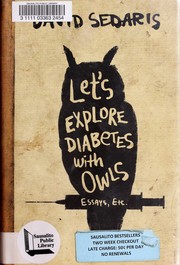
Let's Explore Diabetes with Owls
Sedaris gets French dental work, feeds a kookaburra in Australia, shops for a stuffed owl in London, and survives China, airports and a colonoscopy.
2,538-word summary · 11 min read
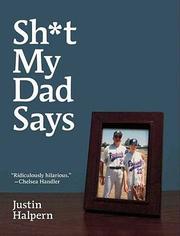
Sh*t My Dad Says
A comedy writer moves home and writes down his blunt fathers funniest lines with love.
1,961-word summary · 9 min read
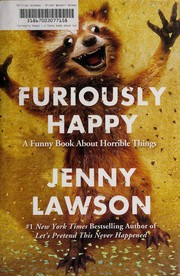
Furiously Happy: A Funny Book About Horrible Things
Jenny Lawson mixes blunt talk about depression with wild stunts and taxidermy to argue for grabbing joy on purpose.
2,963-word summary · 13 min read
Let's Pretend This Never Happened: A Mostly True Memoir
The Bloggess turns a strange Texas childhood and anxious adult life into a funny, warm memoir about family.
2,479-word summary · 11 min read
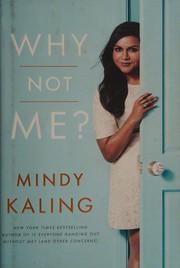
Why Not Me?
Essays on work, dating, and body image from the Office writer learning to ask for bigger rooms.
2,000-word summary · 9 min read

When You Are Engulfed in Flames
In twenty two essays Sedaris tries to quit smoking in Japan, buys a skeleton, fights spiders in Paris, and files dry reports from France on family, country…
2,974-word summary · 13 min read
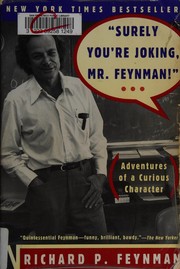
Surely You're Joking, Mr. Feynman!
Feynman drums, cracks safes, and learns by doing from Los Alamos to Caltech classrooms.
1,946-word summary · 9 min read
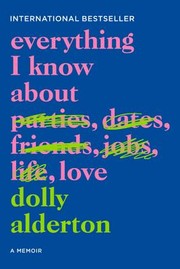
Everything I Know About Love
Dolly Alderton recalls bad dates flatshares and female friendship in her twenties memoir.
2,194-word summary · 10 min read
Is Everyone Hanging Out Without Me?
Mindy Kaling recalls Boston childhood, Dartmouth comedy, New York hustle, and The Office writers room.
2,239-word summary · 10 min read