
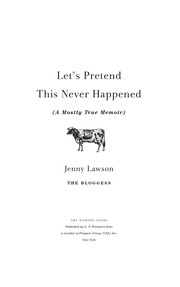
Reading options
What's inside (9 sections)
I picked up Let’s Pretend This Never Happened because a friend kept sending me Bloggess posts at midnight with notes like this is you, which was both flattering and slightly alarming. Jenny Lawson published it on April 17, 2012 with Amy Einhorn Books, and the first hardcover runs 318 pages. It won the Goodreads Choice award for humor that year and hit number one on the New York Times list, which tells you how many people needed exactly this kind of laugh. I read it in short bursts, on the train and in waiting rooms, because it is the kind of book that makes you snort in public and then pretend you were coughing.
The pitch is simple. Lawson, who blogs as The Bloggess, tells stories from her life in rural Texas and beyond, from childhood through marriage and motherhood, with footnotes, photos, and asides that keep interrupting in a good way. Her father was a taxidermist. Her mother kept the family steady. Her sister went along for the ride. Her husband Victor is patient to a degree that should be studied. Her daughter Hailey gives the later chapters their soft center. Around them swirl dead animals, bad jobs, awkward school years, strange travel, anxiety, and a lot of love expressed through teasing.
What surprised me is how tender the book is under the jokes. It never reads like a routine built for applause. It reads like someone telling you the worst story first so you will trust her with the sad one later.
Growing up with a taxidermist dad
The early chapters are the ones people quote at parties, and for good reason. Lawson grew up in small town Texas where her father did taxidermy in a way that blurred work and home life. Deer heads, raccoons, armadillos, things with teeth. He brought work home. He practiced on roadkill. He treated a freezer full of specimens as normal furniture. Her mother responded with the calm of a woman who had decided long ago that screaming would not help. Her sister Allison learned to roll with it. Jenny learned to narrate it.
One story involves a broken freezer and a smell the family could not ignore. Another involves a live raccoon situation that escalates exactly the way you fear it will. There is the famous motif of her father’s hands, always carrying something dead or about to be preserved, always offered with pride. Lawson writes these scenes with speed and detail. You can see the yard, the garage, the kitchen table where something should not be. She does not write her father as a monster. She writes him as a man with an unusual skill and little sense of how strange it looks from outside, who loves his family in his own feral way.
Her mother is the quiet hero here. She cooks, cleans, drives, soothes teachers, and accepts animals into the house that no sane person would accept. She also teaches Jenny, without lectures, that you can love odd people without becoming numb. That balance matters because the book could easily tip into making rural life the joke. It does not. The joke is usually on young Jenny, or on the situation, not on her parents’ worth.
I laughed hardest in this section and also marked it as the most rereadable. Childhood memoirs often sag when the author tries to sound cute. Lawson avoids that by sounding bewildered instead. She was a kid trying to act normal in a house where normal kept getting stuffed and mounted. That bewilderment feels honest, and it sets up everything about anxiety and fitting in that comes later.
School years and feeling out of place
If the taxidermy chapters are about home, the school chapters are about the wider world noticing you are different and charging interest.
Lawson was shy, anxious, and funny in the wrong moments, which is a hard combo in middle school and high school. She describes trying to blend, failing, then trying to stand out on purpose as a defense. Bad haircuts. Bad outfits chosen with confidence that collapsed by lunch. Crushes that went nowhere. Teachers who meant well and missed the point. Friendships that saved months at a time. She writes about being the kid who laughed too loud at her own joke and then replayed it for a week.
Work stories fit here too. Early jobs in offices and shops where she tried to act professional while her brain supplied commentary she could not turn off. Interviews where she overshared. Bosses who liked her and worried about her. The humor comes from recognition rather than cruelty. Most of us have sent an email too fast or said the wrong thing in a meeting and wanted to move states. Lawson just collects those moments and refuses to tidy them.
There is a thread about anxiety starting early, though she does not label every chapter with it. Stomach aches before school. Avoiding phone calls. Rehearsing conversations that never happen. She makes these moments funny without pretending they were fun. That honesty is why the book connected beyond her blog readers. You do not need a taxidermist father to know what it feels like to walk into a cafeteria and forget how chairs work.
One fair note. A few school anecdotes run long on setup for a short punch. Lawson loves a digression, and sometimes a footnote gets its own footnote and the main story has to wait. I mostly enjoyed the pileup, but readers who prefer tight essays may skim a page here and there. The best chapters keep the detour tied to the point. The weaker ones feel like a great blog post that needed one more edit.
Victor, marriage, and early adult life
Victor, her husband, enters as a calm presence and stays that way, which is a comic achievement. In a book full of chaos, he is the straight man who occasionally snaps in ways that make you love him more. They meet, date, marry, and learn each other’s strange habits at close range. He is orderly. She is associative. He wants plans. She wants stories. He learns to live with animals, both taxidermied and alive, in places animals should not be. She learns that love sometimes looks like letting someone sleep while you write at 2 a.m.
Lawson is frank about how hard marriage can be when anxiety is in the room. Fights about money, housework, holidays, in laws. Fights about nothing that are really about fear. Nights when she cannot sleep and makes lists of everything broken. Days when reassurance helps for an hour and then wears off. She does not present herself as easy to live with. She presents herself as someone trying, with a partner who tries back, and that effort becomes the romance.
Travel stories give this section lift. Work trips. Family visits. A disastrous flight involving an unusual carry on that longtime fans will know. Hotel rooms that seem fine until they are not. Lawson is a great traveler on the page because she notices staff, fellow passengers, and small kindnesses while everything goes wrong. Victor’s reactions, dry and tired and loyal, anchor the farce. You believe they would still choose each other after the worst trip, which is the real test the book keeps posing.
Marriage here is not a lesson or a brand. It is two people staying funny on purpose when life turns repetitive or scary.
Sex and bodies get frank, funny treatment without turning crude for its own sake. Lawson writes about pregnancy fears, doctor visits, and the weirdness of being perceived as an adult when you feel like a kid playing house. She respects Victor’s privacy enough to keep him human rather than turning him into material. That restraint is worth naming, because memoirs can eat the people around the author. This one feeds them instead.
Motherhood and anxiety with humor
Hailey, their daughter, changes the temperature of the book. Lawson wanted to be a good mother and feared she would pass on her worries like heirlooms. She writes about pregnancy, birth, and early parenting with a mix of awe and panic that many parents will recognize. The pediatrician visits. The baby books that assume calm. The nights of Googling symptoms until every cough sounds rare. The fierce love that arrives alongside intrusive thoughts.
What I appreciated is that she does not use Hailey for easy sentiment. The daughter is a person, funny and observant, not a prop for growth. Lawson shows herself learning to apologize, to explain anxiety in kid sized language, to let Victor take the lead when she is spiraling. She also shows joy without embarrassment. Dress up. Reading together. Roadside stops that become legends. The message, if there is one, is that a strange childhood can teach you how to make a safer strange adulthood, full of play but with seatbelts.
Anxiety and depression are named more directly in the later chapters. Lawson describes avoidance, rumination, and the shame spiral that follows a panic episode. She talks about therapy and medication with plain gratitude, not as punchlines and not as sermons. She talks about bad days when jokes do not fix anything and you still have to feed the cats and answer email. Readers who live with these conditions have said this section felt seen without feeling used. I understood why. She never claims humor cures anything. She claims it makes hard days more shareable, which is smaller and truer.
There is also grief and fear around family illness and money stress, handled briskly rather than mined. Lawson prefers one sharp paragraph to three soft pages. That pace keeps the book from stalling, though I sometimes wanted her to stay longer in a hard moment instead of cutting away with a joke. It is a fair trade. The book promises laughter with weight, not a deep clinical account, and it keeps that promise.
The Bloggess voice on the page
People who found Lawson through TheBloggess.com will recognize the style instantly. Long setups. Short sentences. Asides in parentheses. Footnotes that argue with the main text. Photos with captions that insist you would not believe this without proof. Direct addresses to the reader that feel like texts from a friend. New readers sometimes need twenty pages to adjust. Then it clicks, and the interruptions become part of the rhythm.
The structure is episodic rather than chronological, which helps and hurts. It helps because you can read a chapter before sleep without losing a plot thread. It hurts because emotional arcs, especially around work success and health, jump in time. One chapter she is broke and unknown. The next she is on tour. A short intro placing each era would have helped, though it might have dulled the blog energy she wanted to keep.
Her skill with titles and endings stands out. Chapters often start with a strange premise and land on a warm observation without forcing it. She is good at callbacks, a raccoon here, a metal chicken there, a phrase from her mother returning when you least expect it. The photos do real work too. In a book about unbelievable stories, a picture of the actual animal or costume or house shuts down doubt and invites laughter. If you read the ebook, check the print or online extras for images. They add a lot.
I should note the language and taste level. This is an adult memoir with swearing, sex jokes, and taxidermy descriptions that will test squeamish readers. Nothing feels thrown in to shock, but a lot is blunt. If you prefer clean humor, this will not be your book. If you like David Sedaris or Mindy Kaling with more Texas and more roadkill, you will feel at home.
What works less well and who will like it
No memoir this joke dense lands every swing, and Lawson misses enough to mention fairly.
A few essays repeat the same move. Strange event, escalating detail, footnote explosion, sudden tender last line. The first ten times it delights. Around the middle it can feel familiar, and you start to anticipate the swerve into sweetness. Two chapters about work and travel cover similar ground about social fear and could have been cut or merged. One story about a costume and a public event, funny as it is, goes on past its best exit. An editor with a red pen and a timer might have saved twenty pages.
There is also the question of truth. The subtitle says a mostly true memoir, and Lawson jokes about memory, exaggeration, and stories improved by retelling. Most readers will take that as permission to enjoy rather than audit. If you need memoirs to be strictly documented, the wink in the subtitle will bother you. I read it as honesty about how families tell stories, not as a trick. She tells you upfront that shame and time warp details, then tries to get the feeling right.
Who should read it. Anyone who felt weird in school and still feels weird in meetings. New parents who are scared they are doing it wrong. People who live with anxiety and want company without lectures. Blog readers who want the greatest hits with connective tissue. Readers who love Texas voices and family chaos. Who should skip or sample first. Readers who dislike swearing, bodily humor, or animal stuff, even when affectionate. Readers who want a linear life story from birth to now. Readers who want quiet literary reflection without footnotes waving at you.
I finished the last page on a bench outside a grocery store, laughing in a way that made a teenager move benches. That felt right. Lawson wrote a 318 page book that argues the moments we want to hide are the ones that link us. Embarrassing childhoods. Awkward marriages. Anxious parenting. She does not ask you to admire her. She asks you to recognize yourself and feel less alone for a bit. It is a generous offer, and she makes it with more care than the chaos suggests.
Where it sits among her books
If you are new to Lawson, this is the place to start, then Furiously Happy if you want more on mental health, then Broken if you want later essays with a steadier hand. Let’s Pretend This Never Happened is the origin story, the Texas years and the early blog years compressed into one loud, warm volume. It explains the inside jokes, the taxidermy, the Victor patience lore, the mother wisdom. Later books are funnier in spots and sadder in spots, but this one has the clearest arc from fitting in to giving up on fitting in and finding readers who never fit either. That is why it stayed on nightstands long after 2012. It tells misfits they were the audience all along.
FAQ
When was Let's Pretend This Never Happened published?
It was first published April 17, 2012 by Amy Einhorn Books. The first hardcover runs 318 pages.
Is it part of a series?
No. It is a standalone memoir told in linked essays. You can start here and later read Furiously Happy if you want more.
Does the book talk about mental health?
Yes, in the sense that she writes openly about anxiety and depression. The tone stays comic, but those chapters are honest about hard days.
Similar books
Furiously Happy: A Funny Book About Horrible Things
Jenny Lawson mixes blunt talk about depression with wild stunts and taxidermy to argue for grabbing joy on purpose.
2,963-word summary · 13 min read
Holidays on Ice
Six Christmas pieces, from a Macy's elf stint to a feral family newsletter. Sedaris at his sharpest and most sentimental.
2,410-word summary · 11 min read
Let's Explore Diabetes with Owls
Sedaris gets French dental work, feeds a kookaburra in Australia, shops for a stuffed owl in London, and survives China, airports and a colonoscopy.
2,538-word summary · 11 min read
Calypso
Sedaris buys a Carolina beach house, grieves his sister Tiffany, tends his aging father, and turns illness and marriage into dry family comedy.
2,835-word summary · 13 min read
Sh*t My Dad Says
A comedy writer moves home and writes down his blunt fathers funniest lines with love.
1,961-word summary · 9 min read
When You Are Engulfed in Flames
In twenty two essays Sedaris tries to quit smoking in Japan, buys a skeleton, fights spiders in Paris, and files dry reports from France on family, country…
2,974-word summary · 13 min read
Naked
Growing up odd in Carolina, working bad jobs, and learning to watch people closely and kindly.
2,020-word summary · 9 min read
Dress Your Family in Corduroy and Denim
Sedaris on snow days, rental houses, Dutch Christmas, and the family that made him funny.
3,098-word summary · 14 min read
Me Talk Pretty One Day
Sedaris on French classes, family chaos, and learning to speak badly in two languages.
2,111-word summary · 9 min read

Dear Girls: Intimate Tales, Untold Secrets & Advice for Living Your Best Life
Ali Wong's debut collects fourteen letters to her daughters, covering sex, money, work, marriage, Vietnam, and being a working Asian American mother.
2,266-word summary · 10 min read

2 States: The Story of My Marriage
A Punjabi boy from Delhi and a Tamil Brahmin girl from Chennai meet at IIM Ahmedabad, and turn a love marriage into a campaign to convince two families.
2,634-word summary · 12 min read
Scrappy Little Nobody
Anna Kendrick's essays trace her path from a Portland childhood and Broadway to Hollywood, with jokes, anxiety, and a refusal to pretend fame fixed her.
2,092-word summary · 9 min read
My Horizontal Life: A Collection of One-Night Stands
Handler turns dating disasters and family chaos into brash comic essays about single life in Los Angeles.
2,304-word summary · 10 min read
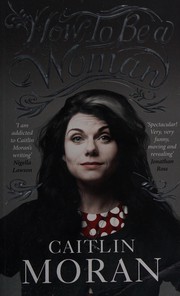
How to Be a Woman
Moran mixes girlhood and work stories into plain feminist advice.
2,600-word summary · 12 min read
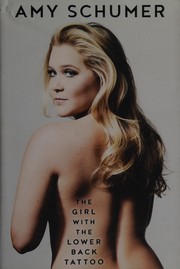
The Girl with the Lower Back Tattoo
Amy Schumer mixes raunchy jokes with frank essays on family, dating, body image, and the shooting that pushed her into gun control advocacy.
2,259-word summary · 10 min read
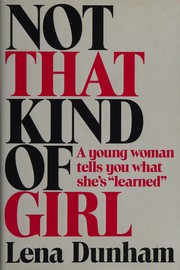
Not That Kind of Girl: A Young Woman Tells You What She's Learned
Girls creator Lena Dunham's essays on work, bodies, love, and family, frank and funny with uneven edges.
2,156-word summary · 10 min read
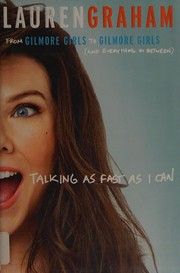
Talking as Fast as I Can: From Gilmore Girls to Gilmore Girls
Lauren Graham looks back on broke actress years, Parenthood, and playing Lorelai Gilmore twice in this funny 2016 memoir.
2,701-word summary · 12 min read
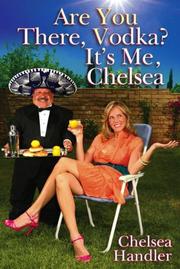
Are You There, Vodka? It's Me, Chelsea
Handler mines family, jail, dating, and travel for brash essays where oversharing is both joke and shield.
2,186-word summary · 10 min read
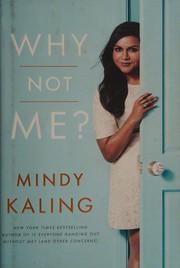
Why Not Me?
Essays on work, dating, and body image from the Office writer learning to ask for bigger rooms.
2,000-word summary · 9 min read
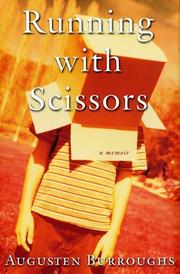
Running with Scissors
A boy sent to live with his mother's psychiatrist grows up in a chaotic house with no rules.
2,036-word summary · 9 min read
Marley & Me
A young couple learns marriage, parenthood, and goodbye through thirteen years with Marley, their wild and loving Labrador.
2,167-word summary · 10 min read
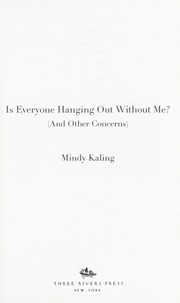
Is Everyone Hanging Out Without Me?
Mindy Kaling recalls Boston childhood, Dartmouth comedy, New York hustle, and The Office writers room.
2,239-word summary · 10 min read
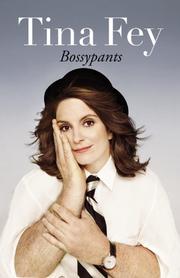
Bossypants
Tina Fey moves from Pennsylvania childhood through improv and SNL to 30 Rock in this funny 2011 memoir. Expect backstage stories, jokes about work and…
2,301-word summary · 10 min read
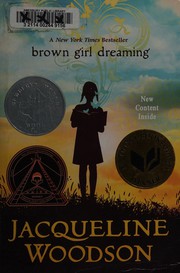
Brown Girl Dreaming
Jacqueline Woodson retells her childhood in verse, moving from Ohio to South Carolina to Brooklyn while the civil rights movement reshapes the world around her.
2,727-word summary · 12 min read

Too Much and Never Enough: How My Family Created the World's Most Dangerous Man
Mary L. Trump's 2020 memoir traces how a cold, zero-sum Queens household shaped her uncle, and uses family tax documents to challenge his self-made story.
2,059-word summary · 9 min read

Howards End
Forster's 1910 novel follows two families, a house in Hertfordshire, and a burned note, asking whether money and feeling can ever be connected.
2,187-word summary · 10 min read
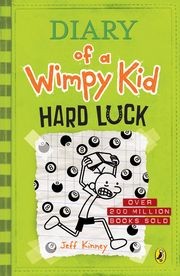
Hard Luck
Rowley has a girlfriend, so Greg turns to a Magic 8 Ball, a family Easter hunt and the school yearbook for answers.
2,586-word summary · 11 min read
Act Your Age, Eve Brown
Eve Brown crashes into a Lake District bed and breakfast, breaks the owner's arm, and talks her way into his kitchen. A grumpy-sunshine romance about work,…
2,474-word summary · 11 min read
George's Marvellous Medicine
George stirs a brew of dozens of household chemicals and gives it to his grumpy grandmother, and the medicine works far better than anyone planned.
2,014-word summary · 9 min read
Beautiful Boy: A Father's Journey Through His Son's Addiction
David Sheff recounts watching his son Nic slide into meth addiction, and his own desperate, humbling search for how to help without destroying them both.
2,076-word summary · 9 min read