
Reading options
What's inside (8 sections)
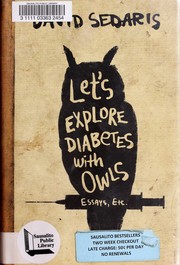
I came to this book straight after When You Are Engulfed in Flames, and the first thing that hit me was the title. It sounds like a children's science book gone wrong. Sedaris has said a fan once asked him to inscribe a book with something like explore your inner feelings, and he kept only the word explore. That is exactly the kind of accident his writing feeds on. Someone says something odd, he pockets it, and years later it is on the cover of a book that went to number one on the New York Times bestseller list.
This is his sixth big essay collection, published in 2013 by Little, Brown and Company at 288 pages. There are twenty-six pieces in it. Most are true stories drawn from his diaries. A few are short fictional monologues written for speech competitions, which he flags in an author's note. The mix is looser than his earlier books. France, England, Australia, China and North Carolina all take turns. His partner Hugh is there throughout, patient as ever. His father keeps showing up too, older now, still himself.
Teeth, manners and French suffering
The opener is Dentists Without Borders, and it is Sedaris doing what he does best: taking a routine chore and stretching it until it snaps. He lives part of the year in Paris, and over one winter he goes back week after week to a French dentist to get implant work finished. He describes the reclining chair, the little check in sounds he has to make with his mouth propped open, the politeness of it all. In America a dentist visit is a transaction. In France it becomes a relationship, with all the awkwardness that implies.
What makes the piece work is the comparison running underneath. He thinks about American health care, French health care, and the way each country pretends its own system is sane. He never turns it into an argument. He just keeps showing up, mouth open, week after week, while the bill and the absurdity both grow.
Then the book pulls back to America for Attaboy, which takes on modern ideas of discipline. He watches parents negotiate with children who behave terribly in public, on planes and in restaurants, and he measures that against the punishments of his own childhood. Nobody paddles anyone anymore. Instead there are warnings, and counting, and bargaining. He is funny about it, but there is a real question under the jokes about whether all that talking does anything at all.
Memory Laps goes further back, to the swim team at the second division country club of his youth. The pool smelled of chemicals. The coach yelled. His mother drove car pools and kept score in her own way. It is a short piece, but it sets up one of the book's habits: returning to Raleigh to show where his reflexes came from before he tests them abroad.
Turtles, rules and childhood crimes
Loggerheads is the standout of the early pages, and it is darker than it first looks. As a boy spending summers on the North Carolina coast, he and a friend find newly hatched loggerhead turtles and carry a dozen of them home in a bucket. They set up a fish tank. They feed the turtles raw hamburger. One by one the turtles die, and the boys keep going as if persistence counts as care.
He tells it plainly, without begging for forgiveness. That is what gives it force. As a child he wanted pets and treated wild animals like toys. As an adult writing it down, he sees the selfishness clearly. The essay becomes about how children handle death, which is to say badly, and how the memory of that failure sticks around for decades.
Around it sit shorter pieces. A Friend in the Ghetto looks back at school integration and the strange friendships it produced. If I Ruled the World collects the petty laws he would pass if anyone handed him power, the kind of list everyone makes in private and nobody should ever enforce. Easy, Tiger is a brief comic turn in the same spirit. None of them tries to be important. They read like palate cleansers between the longer stories, and they work best that way.
The kookaburra and the sister
Laugh, Kookaburra is the piece people remember, and it earns it. Visiting Australia with Hugh, he is taken by a friend to a fancy restaurant in a storybook town in the bush. The friend lays out a theory of success over lunch: picture a stove with four burners marked family, friends, health and work, and accept that you have to switch some of them off to get anywhere. She switched off family and health. Sedaris says he switched off friends when he met Hugh.
Then a kookaburra lands on the deck railing, and the staff offers to let him feed it. He goes outside with a bowl of raw duck strips. The bird perches on his arm, heavy, armed with a beak built for killing snakes, and slams each strip against the wood before swallowing it. While this goes on he drifts back to fifth grade, when his music teacher taught the class the old song about the laughing bird. He taught it to his little sister Amy, and the two of them sang it in her bed at night until their father stormed in, paddled him behind the knees, and banished him to the basement bedroom.
The burners come back at the end. As a boy he had switched off family in a rage and sat simmering behind a locked door, already aware that without them he was nothing. It is one of his neatest closes: a joke about a bird that turns, without any visible strain, into a point about what success costs.
Standing Still stays in that family territory. It goes back to an attack on his younger sister Gretchen and the way his father reacted to it, with a response that was meant to comfort and managed to be funny and off key at the same time. Sedaris has mined his father for years, and the interest here is how age is changing the material. The old man is no longer just a figure of fun. He is someone the family is starting to lose.
Trains, tours, elections and airports
The middle of the book is about moving through the world and performing in it. Just a Quick E-mail is one of the fictional pieces, a poison pen thank you note about a wedding gift of pizza coupons, written in the voice of someone who nursed a grudge through the whole ceremony. It is short and mean and clearly not true, which is the point. He is showing he can write a voice that is not his own.
A Guy Walks into a Bar Car returns to trains, one of his favorite settings. Smoking bans have changed the bar car. Strangers still corner each other. Jokes still get told badly. He collects the bad jokes the way other people collect coins, and he strings them together until the carriage feels crowded. It is slight, but anyone who has been trapped on a long ride with a talker will recognize the dread.
Author, Author is the road piece. He likes book tours more than most writers admit to liking them. He describes the signings, the lines, the gifts people bring, the questions they ask. He has been known to hand out odd presents to his audiences, and he treats the whole ritual with affection instead of contempt. After so many books about hating crowds, it is pleasant to watch him enjoy one.
Obama!!!!! reports on the 2008 American election from the other side of the Atlantic. French campaigns mystify him. Nobody puts bumper stickers on cars. Nobody wears pins. Asking someone who they voted for is rude. He watches the results come in from a country where politics is quieter on the surface, and the contrast makes American noise look stranger than any comedy routine could.
Standing By is the airport essay, and frequent flyers will wince in recognition. He flies enough to know the cabins, the queues, the announcements by heart. He watches people jostle for position in boarding lines and scorn each other over nothing. There is a bit about a flight attendant collecting rubbish that lands two ways at once, and he lets it sit there without explaining it. I Break for Traditional Marriage takes up the marriage debate from his own position as a gay man in a long relationship, needling both sides. It is the most openly political piece in the collection, and also one of the shortest fuses.
Owls, toilets and English litter
Understanding Understanding Owls is the title piece in all but name, and the best thing in the second half. He and Hugh have accumulated owl objects over the years, the way couples accumulate anything friends think they collect. For Valentine's Day he decides to buy Hugh a real stuffed owl, and tracks down a taxidermist in London who works with birds.
The shop visit goes sideways in the most Sedaris way possible. The taxidermist, sensing a kindred spirit, starts showing him the unusual stock: a preserved human forearm, the mummified head of a young girl centuries old, the skeleton of a person hunted for sport in the colonial era. The man stores these remains in grocery bags, and what bothers Sedaris is not the horror but the hierarchy. The arm rates an upmarket bag. The girl's head does not. He leaves with a tawny owl and the queasy sense of having been recognized, deep down, as exactly the sort of customer who would want to see such things.
Then comes #2 to Go, the China essay, which is the most criticized piece in the book and also one of the funniest. He and Hugh stop in Tokyo first, where everything is clean and precise down to the hooks for umbrellas beside public urinals. Then they land in Beijing, where the first sound is mass throat clearing and the sidewalks shine with spit. He catalogs it all: the open coughing, the nose blowing, babies in slit pants relieving themselves at curbs and in supermarket aisles, squat toilets that defeat him, a man instructing his small son to pee in a subway station sink. A fancy Peking duck dinner ends with an unflushed surprise in the men's room, as if the country were signing its work.
It is vivid travel writing, and it is also the essay where his limits show. The joke never quite rises above the observation that China is less tidy than Japan, which anyone could have told you. He knows it too, or half knows it, because he keeps looping back to how the filth colored his view of the food. Still, as a record of culture shock written by a man in his fifties confronting his own squeamishness, it is hard to stop reading.
The England pieces make a gentler landing. Now Hiring Friendly People starts in a New Hampshire hotel and curdles in a coffee queue behind customers who chat with the staff while the line grows. Anyone who has stood behind that conversation will feel his impatience rise off the page. Rubbish moves to the house in Sussex he and Hugh bought, and his new hobby of walking the lanes picking up litter tossed from cars. He traces the habit to his Greek grandmother, who threw rubbish out of car windows without a second thought. There is something touching about a wealthy man with grimy fingernails hauling fast food bags out of hedgerows, and something a little self satisfied too. He seems aware of both.
Diaries, visas, doctors and dogs
Day In, Day Out is the essay other writers cite, because it shows the machinery. He has kept a diary since September 1977, starting on a hitchhiking trip when he had no fixed address and began writing to himself on diner placemats. He moved to sketchbooks, then to typed entries, gluing in receipts and ticket stubs. The drug years produced page after page of jittery nonsense he can barely stand to reread. These days he carries a notebook, jots down shop signs and overheard remarks and arguments with Hugh, and mines the haul each morning for bits worth reading aloud. Out of six months of notes, maybe fifty fragments survive and half a dozen become stories.
He worries, reasonably, that recording life is eating the life itself. A stolen laptop once took eight weeks of diary with it, and Hugh pointed out that he had still lived those weeks. The distinction barely registered. For Sedaris the unrecorded day is a day half lost. Readers who have wondered where he gets his material, and whether the stories are too neat to be true, get their answer here. He polishes fragments into shape and admits it. That honesty is doing quiet work against the old accusations about his facts.
Mind the Gap plays with the two Englishes, the jumpers and loos and crisps that still trip him up after years abroad. A Cold Case tells the visa story: a stolen passport containing his permanent residence sticker, years of queues at the immigration office in Croydon, a manual about life in Britain to study, and then the passport coming back through the post from a stranger. It is bureaucracy as adventure story, and the relief at the end is real.
The Happy Place is about a colonoscopy in Amsterdam, and it is characteristic that he makes the appointment sound almost pleasant. Good drugs, kind nurses, a clean result. He connects it to his father's beach house on the Carolina coast, the family gathering spot, and to the larger business of aging bodies and parents who will not be around forever. Dog Days closes the book on dogs, the breeds and the owners, a short send off after all that travel.
So what drags? The collection is uneven, and the main reason is the mix. The short fictional monologues read like exercises next to pieces he spent years gathering. A couple of the political jokes landed soft even in 2013 and have only thinned since. The visa queues and the litter walks and the coffee line complaints can read as the troubles of a man with a full wallet and too much free time, and one prominent review said exactly that. The China essay aims low. He is capable of sharper cultural observation than spit counts, and the piece settles for disgust when curiosity would have been funnier.
But the hit rate is still high. The dentist, the turtles, the kookaburra, the owl shop, the diary essay: any one of them would justify picking this up. My advice is to read it the way he writes it, one piece at a time, preferably aloud to someone who will laugh in the right places. On audio, read by the author himself, the timing does half the work. Start with the bird essays and the diary piece. Save the airport and queue complaints for a day when you are stuck in one.
FAQ
When was Let's Explore Diabetes with Owls published?
Little, Brown and Company published it on April 23, 2013. The hardcover first edition runs 288 pages and the ISBN is 9780316154697.
What is in it?
Twenty-six pieces that move from French dentists and childhood swim teams to Australia, China, book tours, diary keeping and a colonoscopy in Amsterdam.
Is it part of a series?
No. It stands alone as an essay collection, between Squirrel Seeks Chipmunk and Calypso, though a few short fictional monologues sit among the true stories.
Similar books
When You Are Engulfed in Flames
In twenty two essays Sedaris tries to quit smoking in Japan, buys a skeleton, fights spiders in Paris, and files dry reports from France on family, country…
2,974-word summary · 13 min read
Holidays on Ice
Six Christmas pieces, from a Macy's elf stint to a feral family newsletter. Sedaris at his sharpest and most sentimental.
2,410-word summary · 11 min read
Calypso
Sedaris buys a Carolina beach house, grieves his sister Tiffany, tends his aging father, and turns illness and marriage into dry family comedy.
2,835-word summary · 13 min read
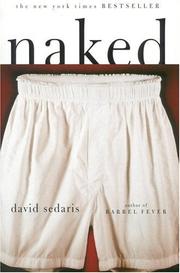
Naked
Growing up odd in Carolina, working bad jobs, and learning to watch people closely and kindly.
2,020-word summary · 9 min read
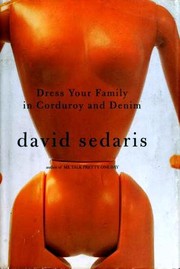
Dress Your Family in Corduroy and Denim
Sedaris on snow days, rental houses, Dutch Christmas, and the family that made him funny.
3,098-word summary · 14 min read
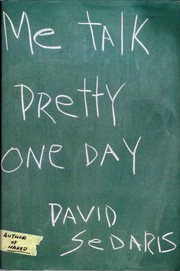
Me Talk Pretty One Day
Sedaris on French classes, family chaos, and learning to speak badly in two languages.
2,111-word summary · 9 min read
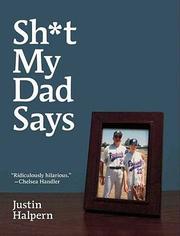
Sh*t My Dad Says
A comedy writer moves home and writes down his blunt fathers funniest lines with love.
1,961-word summary · 9 min read
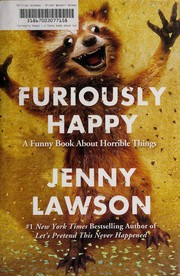
Furiously Happy: A Funny Book About Horrible Things
Jenny Lawson mixes blunt talk about depression with wild stunts and taxidermy to argue for grabbing joy on purpose.
2,963-word summary · 13 min read
Let's Pretend This Never Happened: A Mostly True Memoir
The Bloggess turns a strange Texas childhood and anxious adult life into a funny, warm memoir about family.
2,479-word summary · 11 min read

Dear Girls: Intimate Tales, Untold Secrets & Advice for Living Your Best Life
Ali Wong's debut collects fourteen letters to her daughters, covering sex, money, work, marriage, Vietnam, and being a working Asian American mother.
2,266-word summary · 10 min read

Scrappy Little Nobody
Anna Kendrick's essays trace her path from a Portland childhood and Broadway to Hollywood, with jokes, anxiety, and a refusal to pretend fame fixed her.
2,092-word summary · 9 min read
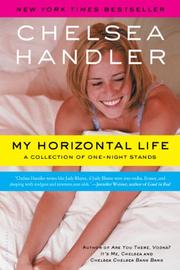
My Horizontal Life: A Collection of One-Night Stands
Handler turns dating disasters and family chaos into brash comic essays about single life in Los Angeles.
2,304-word summary · 10 min read
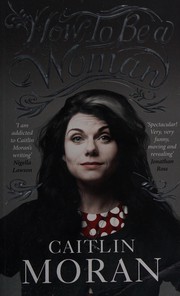
How to Be a Woman
Moran mixes girlhood and work stories into plain feminist advice.
2,600-word summary · 12 min read
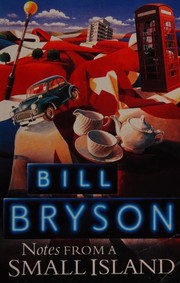
Notes from a Small Island
Bill Bryson's 1995 farewell tour of Britain, funny and fond, from Dover to London, the north, Scotland and Wales.
2,301-word summary · 10 min read
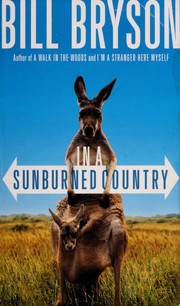
In a Sunburned Country
Bryson revisits Australia by city walks and long trains, with reef trips, critter comedy, and explorer history.
2,387-word summary · 11 min read
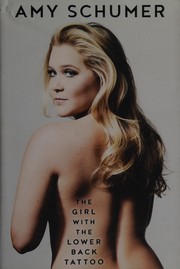
The Girl with the Lower Back Tattoo
Amy Schumer mixes raunchy jokes with frank essays on family, dating, body image, and the shooting that pushed her into gun control advocacy.
2,259-word summary · 10 min read
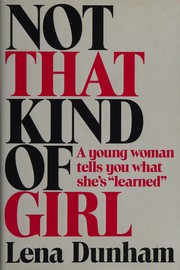
Not That Kind of Girl: A Young Woman Tells You What She's Learned
Girls creator Lena Dunham's essays on work, bodies, love, and family, frank and funny with uneven edges.
2,156-word summary · 10 min read
Talking as Fast as I Can: From Gilmore Girls to Gilmore Girls
Lauren Graham looks back on broke actress years, Parenthood, and playing Lorelai Gilmore twice in this funny 2016 memoir.
2,701-word summary · 12 min read

Are You There, Vodka? It's Me, Chelsea
Handler mines family, jail, dating, and travel for brash essays where oversharing is both joke and shield.
2,186-word summary · 10 min read
Why Not Me?
Essays on work, dating, and body image from the Office writer learning to ask for bigger rooms.
2,000-word summary · 9 min read
Running with Scissors
A boy sent to live with his mother's psychiatrist grows up in a chaotic house with no rules.
2,036-word summary · 9 min read
Marley & Me
A young couple learns marriage, parenthood, and goodbye through thirteen years with Marley, their wild and loving Labrador.
2,167-word summary · 10 min read
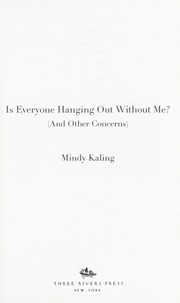
Is Everyone Hanging Out Without Me?
Mindy Kaling recalls Boston childhood, Dartmouth comedy, New York hustle, and The Office writers room.
2,239-word summary · 10 min read
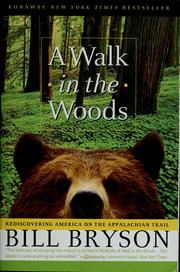
A Walk in the Woods: Rediscovering America on the Appalachian Trail
Bryson and friend Katz attempt the Appalachian Trail with blisters, bears, and laughs.
2,660-word summary · 12 min read
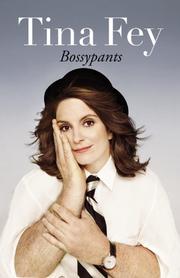
Bossypants
Tina Fey moves from Pennsylvania childhood through improv and SNL to 30 Rock in this funny 2011 memoir. Expect backstage stories, jokes about work and…
2,301-word summary · 10 min read
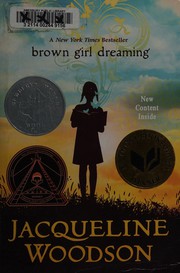
Brown Girl Dreaming
Jacqueline Woodson retells her childhood in verse, moving from Ohio to South Carolina to Brooklyn while the civil rights movement reshapes the world around her.
2,727-word summary · 12 min read
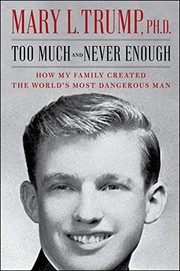
Too Much and Never Enough: How My Family Created the World's Most Dangerous Man
Mary L. Trump's 2020 memoir traces how a cold, zero-sum Queens household shaped her uncle, and uses family tax documents to challenge his self-made story.
2,059-word summary · 9 min read
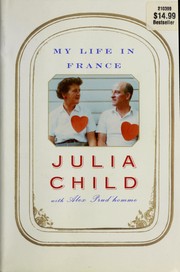
My Life in France
Julia Child's memoir of learning to cook in Paris, testing recipes for nine years, and becoming the teacher who changed how America thought about French food.
2,038-word summary · 9 min read
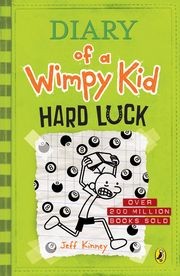
Hard Luck
Rowley has a girlfriend, so Greg turns to a Magic 8 Ball, a family Easter hunt and the school yearbook for answers.
2,586-word summary · 11 min read
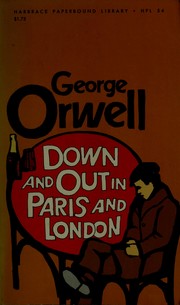
Down and Out in Paris and London
Orwell's account of washing dishes in Paris hotels and tramping through London does not ask for pity, only for a clear look at how poverty actually works.
2,282-word summary · 10 min read