
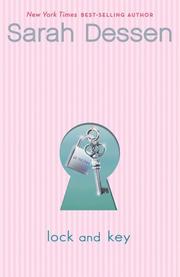
Lock and Key
2,407-word summary 11 min read 422 pages in the book
- First published
- 2008
- Publisher
- Viking
- Pages
- 422
- ISBN
- 9780670010882
Reading options
What's inside (8 sections)
I went into this one expecting a light summer romance and came out thinking about keys, locks, and all the ways kids learn not to ask for help. Lock and Key by Sarah Dessen was first published in 2008 by Viking, a 422 page hardcover with ISBN 9780670010882. It follows Ruby Cooper, seventeen, who gets abandoned by her alcoholic mother and ends up living with the older sister she barely knows. There is romance, yes, and a sweet boy next door with a bad past, but the core is family repair. Who feeds you. Who shows up. Who you call when the car dies. I read it over three nights and kept thinking about my own high school job and the coworkers who taught me more than any class.
If you loved Along for the Ride, this is its tougher sibling. Same beachy Carolina world, same interest in absent parents, but Ruby starts from a harder place than Auden. She has been parenting herself for years. Learning to let people in costs her more.
The girl with the key around her neck
Ruby Cooper narrates, and her voice hits fast. Dry, guarded, funny in a deflecting way. She lives with her mother Nora in a small house that keeps losing power and filling with men who do not stay. Nora drinks, sleeps late, promises jobs that never start, and loves Ruby in scattered bursts that never quite cover rent. Ruby learns early to manage. She counts cash. She heats soup. She does laundry at a friend house. She keeps the key to the house on a cord around her neck because home, however thin, is hers to lock.
Then Nora disappears. Not a fight, just gone one morning with a note that reads like an excuse. Ruby waits, covers, tells no one at school. She has done this before for a night or two. This time days pass. A neighbor notices. Social services come. Ruby, who has spent years avoiding notice, suddenly sits in an office while a caseworker flips through files and asks about relatives. There is one. Cora, her sister, eighteen years older, who left home at eighteen and never came back.
That setup hooked me because Dessen does not soften it. Ruby is not plucky poor. She is angry, ashamed, and practical. She washes her one good shirt in a sink. She lies about eating. She memorizes bus routes to keep her mall job. When the state places her with Cora in Charlotte, she packs light, locks the old house, and keeps the key. Wearing it after the move is both habit and statement. She has a home to return to, even if no one pays the light bill there.
The first chapters move quickly through intake, paperwork, and the car ride to a world Ruby does not trust. Big house. Quiet streets. A sister who is a stranger. Dessen writes class shock without speeches. Ruby notices water pressure, full fridges, shoes by the door that cost more than her weekly pay. She also notices what money does not fix. The house is tense in its own way. Cora smiles too hard. Her husband Jamie hovers. Nobody knows where Ruby should sleep, literally or otherwise.
Cora, Jamie, and the strange big house
Cora Hunt is the surprise of the book for me. She left at eighteen to escape Nora drinking and chaos, built a new life, married Jamie, a kind tech founder with money and manners, and sealed the past shut. Now the past arrives with a duffel bag and a key cord. Cora tries. She buys toiletries, makes up the guest room, prints school forms. She also overcorrects, talks fast, and treats Ruby like a client to onboard. Ruby reads every false note.
Jamie is easier to like at once. Tall, awkward, generous, the kind of rich guy who still carries groceries and remembers names. He made money in software, drives something sensible, and fills silence with jokes. He offers Ruby rides, shows her the garage workshop, asks about her music without prying. Where Cora pushes schedules, Jamie offers space. A scene where he fixes a bike or a lock while chatting, asking nothing important, shows his method. Be useful. Be near. Wait.
Their marriage gets real attention, which I appreciated. More central is their split over the past. Jamie never met Nora and wants to understand Ruby by understanding where she came from. Cora wants to protect their clean life by not looking back.
The house itself functions as a character. Security system. Guest towels. A pool Ruby will not use at first. Rules about shoes, food, curfews that feel alien after years of no rules. Ruby tests them quietly, coming home exactly on time, eating little, staying in her room. She treats comfort as a trap. If she needs nothing, nobody can hold needs over her.
The mall job and the girls who tell truth
Ruby keeps her old mall job for a while, then shifts to work near Charlotte, and the workplace scenes are some of Dessen best. Retail as school for life. Clock in. Fold shirts. Handle rude customers. Pocket tips. Her coworkers include Olivia, a sharp older girl who sees through Ruby act, and a rotating cast of mall kids with loud opinions about music, boys, and managers. They eat fries on breaks, trade shifts, cover theft with jokes.
Olivia matters because she is not impressed by Ruby walls. She calls out lateness, sloppy folding, and self pity with equal force. When Ruby steals or skims or lies about hours, Olivia names it without moralizing. You do not get to trash this job because your home life is trash. That bluntness helps more than sympathy. Ruby respects competence, and Olivia has it. Their slow move from wary coworkers to actual friends feels earned through shared closes and shared rides, not heart to hearts.
Dessen writes money with rare honesty here. Ruby counts everything. Bus fare. Phone minutes. Tip jars. When Cora buys her clothes, Ruby freezes, not from gratitude but math. How will she repay. What strings attach.
Nate, the boy next door who stays
Nate Cross, the boy next door, could have been a stock sweetheart. He is not, quite, because Dessen gives him a past that mirrors Ruby without copying it. He drank hard as a freshman, partied with older kids, crashed something he should not have, and now lives under his parents watch with chores, curfews, and a reputation he is trying to outwalk. He works, runs, fixes things, and tutors Ruby in math she missed during moves and absences.
Their early scenes are prickly in a good way. He teases. She snaps. He does not flinch. He shows up to drive her when buses fail. He brings food without making it charity. He notices the key around her neck and does not ask about it until she offers. That patience is his whole pitch. I have been the kid everyone watched for relapse, his manner says, so I will not watch you that way.
Tutoring becomes the romance engine, and it works because math is concrete. Ruby cannot fake algebra. She must say, I do not get this, step by step, while a boy she likes watches her fail. For someone whose survival rule is never need, that is harder than kissing. Nate teaches without condescension. He shows his own old report cards. He admits he still wants a drink at parties and chooses not to. That honesty lets Ruby admit she is scared of becoming Nora. Once that is said, they can actually date rather than spar.
The romance beats are modest and well placed. Rides home with music low. A hand held during a hard phone call. A first kiss interrupted by Jamie headlights, which made me laugh. A fight when Ruby lies about seeing her mother, and Nate calls it drinking behavior without calling her a drunk. He knows the pattern from inside. Secrets to protect use, use to excuse secrets. He tells her he will not be her cover story. That boundary, held kindly, changes her more than any gift.
Mothers, relapse, and learning to trust
The back half turns on Nora, and Dessen handles it without turning her into a monster or a martyr. Nora resurfaces with promises. New town, new job, new man who gets her. She wants Ruby back for weekends. She cries on the phone. She remembers birthdays she missed with gifts that miss the mark. Ruby, starved for proof she was not discardable, leans in. She hides calls from Cora. She takes buses to meet Nora. She tells Nate half truths.
Cora reaction is fierce and flawed. She forbids contact, cites custody, locks down. Old sibling wounds reopen. You left me, Ruby says. You left first, Cora answers, and both are right. Jamie tries to hold the middle, driving Ruby when she will not ask, talking to Nora once to gauge sobriety, telling Cora she cannot parent by veto. The house that was tense becomes loud, which is progress of a sort. At least they fight in the same room now.
The relapse sequence is handled with care. Nora misses a meet. She shows up late smelling of wine. She asks Ruby for money for gas that is clearly not for gas. Ruby, who has covered for her mother since age ten, feels the old script load. Lie for her. Pay for her. Keep her secret. This time there are witnesses who love her. Nate waits in the car and does not drive away. Olivia covers her shift without questions. Cora, called in panic, comes without I told you so. Ruby still gives Nora the cash, small bills counted with shaking hands, and hates herself after. That mix of love and self disgust rang painfully true.
What follows is the book at its best. No courtroom miracle. No rehab montage. Nora leaves again, not from cruelty alone but from inability to stay in the light of what she did. Cora tells Ruby the fuller past. How Nora drank through Cora teens. How Cora called relatives who did not answer. How she left money once that Nora spent. How shame kept her from calling Ruby for years after she stabilized. Jamie adds the missing piece. Cora sends birthday cards that Nora likely hid. Ruby checks the old house and finds some of them unopened. The key around her neck gains new weight. It locked a house where mail went missing.
Trust rebuilds in small practical ways, which suits Ruby. She gives Cora the old house key to hold, not to keep, just to copy for safekeeping. She asks Jamie to teach her to change a tire instead of pretending she knows. She tells Olivia she stole hours and pays them back in extra closes. She tells Nate the full mother story without jokes. She lets Cora brush her hair once, a scene so quiet I held my breath. Care without bargaining. That is the whole thesis.
The ending lands soft and right. Ruby stays with Cora and Jamie through senior year. She keeps the copied key but stops wearing it daily. She applies to colleges she once called fantasy. She and Nate stay together with plans that allow distance. Nora sends one sober letter that Ruby keeps but does not answer yet. No total forgiveness, no final cutoff. Just a girl choosing the family that shows up while leaving a porch light for the mother who cannot. I found that balance mature for YA and true to life.
Honest gripes and who will love it
Let me give the criticisms straight, because the book earns them alongside praise.
First, Dessen people talk wise. Ruby, Nate, Olivia, even Jamie at times speak in clean aphorisms about trust and fear that sound older than seventeen. A line like, you have to let people in even when they might drop you, is true and also something most teens would mumble, not polish. I felt this most with Nate. His speeches about his drinking past are articulate in a meeting tested way that fits recovery language but sits oddly in a teen mouth. It never ruined scenes for me, but twice I thought, no boy talks like that while fixing a fence. Readers allergic to wise teen dialogue should know this is peak Dessen in that regard.
Second, Jamie is almost too good. Patient, funny, rich without flash, always available for rides and repairs. He has one flaw, conflict avoidance with Cora, and even that reads as kindness. I wanted one selfish edge, a work trip that actually costs Ruby something, a limit stated and kept. As written he functions as proof good men exist, which Ruby needs, but he sometimes feels like a lesson more than a person. Cora complexity carries the adult half to compensate, and she is excellent, so the balance mostly holds.
Third, the plot runs long at 422 pages. The mall stretch plus school stretch plus mother stretch each could lose twenty pages. I did not skim much because voice carries, but around page 300 I wanted the Nora thread to break sooner. When it does, the last hundred fly. Think of the middle as interest paid for an ending that earns its warmth.
So who should read it. Teens living with addiction at home will feel seen without being lectured, and Dessen never suggests love cures drinking. Older Dessen fans who like family repair over love triangles will find this among her strongest. New readers should start here or with Along for the Ride if they want her Carolina world at its clearest. Pair it with a friend who drives night shifts and talks low. That is a Nate approved reading plan.
What stays with me is the key. Ruby starts wearing it as proof she has somewhere to go back to, ends carrying it as proof she can choose where to stay. Locks keep people out. Keys let the right ones in. Learning the difference took her 422 pages and took me back to every age I learned it too. I closed the book and checked my own doors, literal and otherwise, and decided to leave one open a crack. That image alone is worth the read, even if you guess the romance beats early. And most of you will guess them. You will not mind.
FAQ
When was Lock and Key published?
Viking published it in 2008. It runs 422 pages and the hardcover ISBN is 9780670010882.
Is Lock and Key part of a series?
No. It stands alone, though it shares Dessen Carolina world with books like Along for the Ride.
Who will enjoy Lock and Key most?
Teens and adults who like family repair stories with slow romance will enjoy it. Readers who dislike wise teen dialogue may find some speeches too polished.
Similar books

Someone Like You
Halley and her best friend Scarlett face a summer of grief, a surprise pregnancy, and Halley's dangerous first romance in Sarah Dessen's 1998 young adult novel.
2,218-word summary · 10 min read

We Are Okay
Marin fled San Francisco after her grandfather vanished and stopped answering anyone. When Mabel visits her college dorm, she has to say what happened.
2,253-word summary · 10 min read

The Second Summer of the Sisterhood
Four friends share the traveling pants through a summer of grandmothers, first loves, and mothers who are learning to let go.
2,209-word summary · 10 min read

Aristotle and Dante Dive into the Waters of the World
Ari and Dante return for senior year in El Paso, navigating first love, AIDS, family grief, and the cost of being openly gay in 1987 Texas.
2,188-word summary · 10 min read

You've Reached Sam
After Sam dies, Julie calls his phone to hear his voicemail and he answers, forcing her to face grief and learn how to say goodbye.
2,887-word summary · 13 min read

What Happened to Goodbye
Mclean has reinvented herself in four towns since her parents divorced. In Lakeview she uses her real name, and for the first time staying put becomes a choice.
2,796-word summary · 12 min read

This Lullaby
Remy swears off love after watching her romance writer mom marry and split, until Dexter of the Truth Squad spends one summer proving her wrong in Sarah…
2,753-word summary · 12 min read

The Truth About Forever
A grieving teen trades a dull library summer for catering work and learns to let people in again.
2,088-word summary · 9 min read

Along for the Ride
Insomniac Auden spends a beach summer with her dad and learns biking, parties, and love from Eli.
1,938-word summary · 9 min read

Just Listen
After a falling out with Sophie, model Annabel stays silent until Owen, a music obsessed boy, helps her speak truth.
2,445-word summary · 11 min read

Dumplin'
Willowdean Dickson enters her town's beauty pageant as a protest and discovers that confidence is harder to keep once she lets someone close.
1,922-word summary · 9 min read

The First to Die at the End
On the night Death-Cast launches, a boy with a bad heart meets a model with everything ahead of him, and one of them gets the call.
2,908-word summary · 13 min read
Wayward Son
Simon and Baz road trip America after the war to decide what normal means.
2,505-word summary · 11 min read

Loveless
Georgia starts university sure she wants love, then learns she is aro-ace.
2,539-word summary · 11 min read
Every Last Word
A girl with OCD finds poetry and friends who know her secrets.
2,434-word summary · 11 min read

Since You've Been Gone
Shy Emily spends summer finishing her vanished best friend Sloane list of thirteen dares, finding Frank, Dawn, and courage.
2,566-word summary · 11 min read
The Statistical Probability of Love at First Sight
Hadley misses a flight, meets Oliver to London, and faces her father wedding in one day.
2,002-word summary · 9 min read

Vision in White
Wedding photographer Mac Elliot does not believe in lasting love. Steady teacher Carter Maguire plans to change her mind. First in the Bride Quartet.
2,167-word summary · 10 min read

The Wish
A dying photographer recalls 1996 Ocracoke first love and an adoption choice.
2,176-word summary · 10 min read
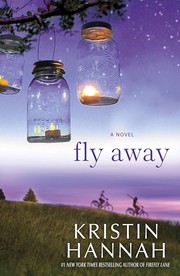
Fly Away
After Kate's death, Tully, Marah, and Dorothy face grief and addiction while trying to rebuild their lives.
2,940-word summary · 13 min read

Big Summer
After a six-year rift, plus-size influencer Daphne becomes maid of honor at her ex-friend's Cape Cod wedding, where joy turns to mystery.
2,878-word summary · 13 min read
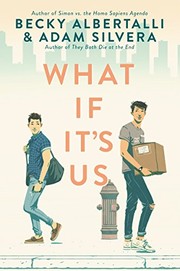
What If It's Us
Two teens meet by chance at a New York post office and try to turn missed connection into first love.
2,033-word summary · 9 min read

My Life Next Door
A senator's daughter climbs down to the loud family next door and stays.
2,038-word summary · 9 min read

Lola and the Boy Next Door
Costume maker Lola must choose between older Max and inventor Cricket while her two dads hold home steady.
2,045-word summary · 9 min read

Let It Snow
Three Christmas stories collide at a Waffle House in a blizzard.
2,094-word summary · 9 min read
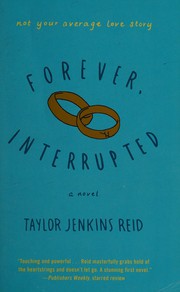
Forever, Interrupted
Elsie elopes in May, loses Ben nine days later, and learns grief beside the mother in law she never met.
2,051-word summary · 9 min read
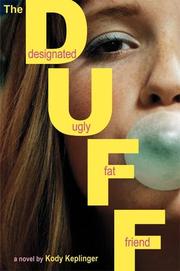
The DUFF
Bianca Piper hates Wesley Rush for calling her the DUFF, until a secret arrangement during her parents' divorce forces both teens to grow up.
2,323-word summary · 10 min read

I'd Tell You I Love You, But Then I'd Have to Kill You
Cammie Morgan trains at a secret spy school and falls for a town boy she can never tell the truth.
2,179-word summary · 10 min read

Bloodlines
Alchemist Sydney Sage hides Moroi princess Jill in Palm Springs, where tattoo shops and old vampires test every rule she was taught.
2,622-word summary · 12 min read
The Summer of Broken Rules
Meredith plays Assassin at Vineyard wedding a year after sister Claire died.
2,288-word summary · 10 min read