
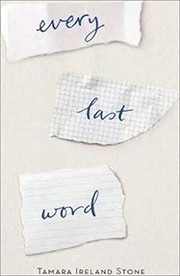
Every Last Word
2,434-word summary 11 min read 368 pages in the book
- First published
- 2015
- Publisher
- Little, Brown Books for Young Readers
- Pages
- 368
- ISBN
- 9781484706275
Reading options
What's inside (6 sections)
I read Every Last Word in one evening because Sam's voice pulls fast and poetry slows just enough. First published in 2015 by Little, Brown Books for Young Readers at 368 pages in hardcover, young adult contemporary about mental health, friendship, and words. Sam McQueen hides pure OCD with intrusive thoughts about harm, counting to calm. Popular friend Caroline introduces her to Poet's Corner, secret poetry club, and a boy named AJ who likes her poems and her openly. Friendship with Caroline hides a twist that reframes. Speaking truth heals more than hiding. I found it moving, funny, and respectful about OCD without making it quirk. At 368 pages it flies with heart.
Sam starts as junior with best friend Caroline, popular, bright, kind on surface. Sam counts, taps, avoids cracks, replays harm thoughts she would never act on. Pure OCD means obsessions without visible compulsions beyond mental rituals. She fears she is crazy, bad. She sees therapist? Actually she hides from friends and family? She manages alone with routines. Caroline, vivacious and spontaneous, invites her to Poet's Corner in an old execution chamber? Actually secret room where misfits share poems. There Sam meets AJ, kind guitarist, and others who welcome weird. She finds voice in poems about counting and fear. AJ likes her poems and her, openly, without fixing. That acceptance cracks hiding. She tells AJ parts, not all. He stays. That staying matters more than understanding fully. Love does not cure OCD, but supports living with. Good message for teens who fear disclosure will repel. Tell safe people slowly. Most stay if kind. Some do not. Those are not yours. Keep those who stay.
Poet's Corner as place deserves love. Hidden room with pillows, fairy lights, notebooks. Kids share raw poems about anxiety, grief, love. No judgment, only snaps. That safe space contrasts school hallways where Sam performs normal. She excels academically, dresses right, laughs at right jokes to hide counts. That masking exhausts. Poet's Corner lets mask drop. She reads about intrusive thoughts and hears nods, not gasps. That normalization heals shame more than reassurance. You are not alone in strange thoughts. Many have. Speak in poems and find chorus. Teachers can learn. Create corners where strange safe. No grades, just snaps. Those corners save more than counseling alone, though counseling helps and Sam eventually seeks? Actually she learns to speak truth to mother and therapist? She moves toward help by end, not just peers. Good. Peers support, professionals guide. Both needed. Do not romanticize peer rescue alone. Encourage help while honoring friends.
Twist and truth
Friendship with Caroline hides a twist I will handle carefully to avoid ruining while honoring theme. Caroline is not what Sam thinks in present. She is memory, coping mechanism, imagined friend? Actually Caroline died? Or Caroline is part of Sam? Without spoiling fully, say Caroline represents Sam's braver self or grief processed. The reveal reframes Poet's Corner invitations and AJ's confusion when Sam mentions Caroline. He never sees her? Actually he plays along? Details matter for impact, so read to learn. What matters is twist is fair and kind, not trick for shock. Clues planted. Caroline never interacts with others except through Sam. AJ asks who Caroline is. Sam deflects. On reread, you will kick yourself for missing while understanding why Sam needed Caroline. Loneliness and OCD isolate. Mind creates friend who invites to poetry to survive. That creation is not crazy. It is resourceful. Brains help as they can. Thank Caroline even as letting go. That gratitude, not shame, defines recovery. You coped brilliantly with imagined friend till real friends ready. Now choose real. That choice is growth, not cure. OCD remains. Support expands. Good.
AJ as love interest delights because he likes poems first, girl second? Actually likes both together. He hears Sam read about counts and asks to hear more, not less. He brings guitar, sets poems to music? He defends when popular kids mock Poet's Corner. His kindness is steady, not savior. He has own family stuff? Actually his own insecurities about future? He shares to balance. That mutual sharing prevents dynamic where healthy boy fixes sick girl. Both have vulnerabilities. Both listen. Their romance builds through exchanging notebooks, not just glances. Writing as intimacy. Read my draft. Hear my count. That literary courtship suits poetry book. It also models healthy teen love. Ask about OCD without prying. Accommodate without controlling. Stay when intrusive thoughts shared. Those behaviors teach more than speeches. Young readers learn how to love friends with mental health challenges by watching AJ. Stay, ask, do not fix. Good.
What shines is voice and respect. Sam narrates in first person, funny about high school while honest about intrusive thoughts. She jokes about popular hierarchy to cope, not to mock. Counts described plainly. If I do not tap three times, Mom will die in crash. She knows thought irrational and feels real anyway. That paradox is OCD core. Knowing and feeling split. Stone writes without sensationalizing harm thoughts. Sam fears she is bad for thinking. Book says thoughts are not actions. Thinking harm does not make harmful. That distinction saves lives. Teens with intrusive thoughts need to hear. You are not thoughts. You are chooser who seeks help. Speak to safe adult. That message could literally save. Take seriously. Share with counselors. At 368 pages it entertains while educating without textbook. Win.
Poetry woven through delights. Poet's Corner poems about counts, first kisses, mothers. Sam's poems improve as honesty grows. Early rhymes careful. Later free verse raw. That craft arc mirrors recovery. Perfect forms to contain fear, then free forms to release. English teachers can use. Have students write counts poems. What do you repeat to feel safe. Share if willing. Those shares build corners in classrooms. Do it.
What strains is twist ethics for some. Imagined friend as mental health representation risks implying OCD causes hallucinations, which it does not typically. Caroline is more literary device for grief and coping than symptom accurate. Readers seeking clinical accuracy may frown. Stone clarifies in author's note? Actually note about OCD and research? She researched and dedicates? The twist serves story more than diagnosis. Accept as metaphor for bravery Sam borrows till owns. Do not read as OCD symptom list. Read as loneliness solution. If you need strict accuracy, pair with nonfiction about pure O. Still, emotional truth holds. Minds create helpers when alone. Honor helpers while moving to real supports. Good.
Content is teen appropriate with weight. Intrusive thoughts about harm described without graphic detail. Anxiety, therapy mentions, no self harm lingered? Actually OCD distress shown, help sought. Language clean with high school mild swears. Romance consensual with kisses, no explicit linger. Good for ages thirteen and up, especially those with anxiety or friends who have. Pair with counselors available. It opens conversations, not replaces help. Encourage help while honoring story. At 368 pages it reads fast enough for reluctant readers, deep enough for discussion. Use in book groups with poetry sharing after. Write every last word you hide. Speak. Heal.
Who should speak
Read it if you like YA about mental health with hope, like Turtles All the Way Down but warmer, or poetry clubs like Dead Poets for teens. Read it for Sam finding voice. At 368 pages it comforts.
Skip it for now if twist betrayal angers. Some feel tricked by Caroline. Sit with why Sam needed her before judging trick. If still angry, skip. There are straightforward OCD stories without twists that may suit better. Honor preference. Skip if poetry bores. Poems central. You must enjoy verse to enjoy. Try sample first.
For me, the image that stays is Sam reading a poem about counts in a pillow fort while AJ listens without fixing, Caroline smiling from corner that may be memory, snaps echoing. Words held, not hidden. At 368 pages, Every Last Word argues last words hidden hurt most. Speak first words scared. Poems, friends, therapists will hold. Sam learns to tell mother, AJ, self truth about OCD and Caroline. That telling, trembling and clear, heals more than hiding perfectly. I closed it wanting to write my own counts poem, to speak strange thoughts safe. Write yours. Speak. Every last word deserves air, even scary ones. Especially those. Air thins fear. Community holds. Keep speaking. Keep snapping. Heal.
Poems, friends, and help
I want to say more about Poet's Corner as safe space, because schools need models. Hidden room with pillows, fairy lights, notebooks. Kids share raw poems about anxiety, grief, love. No judgment, only snaps. That safe space contrasts school hallways where Sam performs normal. She excels academically, dresses right, laughs at right jokes to hide counts. That masking exhausts. Poet's Corner lets mask drop. She reads about intrusive thoughts and hears nods, not gasps. That normalization heals shame more than reassurance. You are not alone in strange thoughts. Many have. Speak in poems and find chorus. Teachers can learn. Create corners where strange safe. No grades, just snaps. Those corners save more than counseling alone, though counseling helps and Sam moves toward help by end, not just peers. Good. Peers support, professionals guide. Both needed. Do not romanticize peer rescue alone. Encourage help while honoring friends.
AJ as listener who does not fix deserves praise for modeling healthy response. He hears Sam read about counts and asks to hear more, not less. He brings guitar, sets poems to music? He defends when popular kids mock Poet's Corner. His kindness is steady, not savior. He has own family stuff? Actually his own insecurities about future? He shares to balance. That mutual sharing prevents dynamic where healthy boy fixes sick girl. Both have vulnerabilities. Both listen. Their romance builds through exchanging notebooks, not just glances. Writing as intimacy. Read my draft. Hear my count. That literary courtship suits poetry book. It also models healthy teen love. Ask about OCD without prying. Accommodate without controlling. Stay when intrusive thoughts shared. Those behaviors teach more than speeches. Young readers learn how to love friends with mental health challenges by watching AJ. Stay, ask, do not fix. Good.
Caroline twist needs careful discussion to avoid spoiling while honoring theme. Without detailing fully, say Caroline represents Sam's braver self or grief processed. The reveal reframes Poet's Corner invitations and AJ's confusion. Clues planted. Caroline never interacts with others except through Sam. AJ asks who Caroline is. Sam deflects. On reread, you will kick yourself for missing while understanding why Sam needed Caroline. Loneliness and OCD isolate. Mind creates friend who invites to poetry to survive. That creation is not crazy. It is resourceful. Brains help as they can. Thank Caroline even as letting go. That gratitude, not shame, defines recovery. You coped brilliantly with imagined friend till real friends ready. Now choose real. That choice is growth, not cure. OCD remains. Support expands. Good.
If you teach, use poems as prompts. Have students write counts poems. What do you repeat to feel safe. Share if willing. Those shares build corners in classrooms. Do it. At 368 pages, the book reads fast enough for reluctant readers, deep enough for discussion. Use in book groups with poetry sharing after. Write every last word you hide. Speak. Heal. Keep snapping.
Mothers, therapists, and counting
I want to say more about Sam's mother, because parents of kids with OCD often feel helpless in books that focus on peers. Sam's mom notices counts, taps, avoidance. She asks gently, backs off when snapped at, tries again later. That patient persistence without forcing models good parenting for anxiety. She does not say just stop counting. She says I see counting helps when scared, can we find other helps too. She offers therapist numbers, drives to appointments, waits in car. That waiting in car while teen talks to professional is love in action. No drama, just logistics. Many mothers will recognize. You cannot fix intrusive thoughts with hugs, but you can drive, pay, wait. Do that. Sam resents help at first, fearing label crazy. She comes around when Poet's Corner normalizes strange. If poets accept counts, maybe therapist can help reduce suffering without erasing self. That reframe from cure to support helps accept help. You are not broken to fix. You are suffering to ease. Seek easing. Good.
Therapist in book appears briefly but kindly. No miracle cure in one session. Tools offered. Exposure with response prevention explained in teen language. Touch doorknob without tapping, sit with anxiety till fades. Practice small. Sam tries and fails and tries. That realistic portrayal respects therapy without making it magic. It takes weeks, homework, discomfort. Friends cannot replace. AJ supports but does not do exposures for her. He waits while she practices. That waiting is love. Professionals guide, peers cheer, family drives. Team needed. If you support someone with OCD, learn your role. Not therapist, not savior. Driver, waiter, snapper at poems. Do your part, let professionals do theirs. That teamwork heals more than any single hero. Good.
Counting itself deserves compassion, not mockery. Sam counts steps, taps, words. Counts to prevent harm she imagines. If I do not tap three times, Mom will die in crash. She knows thought irrational and feels real anyway. That split is OCD core. Knowing and feeling diverge. Logic does not stop fear. Rituals briefly ease, then reinforce. Breaking cycle requires sitting with fear without ritual, which feels terrible before better. Sam practices in small ways. Skip one tap, breathe through spike, notice mom alive. That evidence slowly retrains brain. Celebrate small skips, not just full stops. One less tap is win. Track wins in poems. I skipped twice today. Snap for that. Those micro wins accumulate to freedom. Do not demand perfect non counting at once. Demand slightly less with support. That harm reduction approach suits teens overwhelmed by all or nothing. Try one less. Breathe. Note mom alive. Repeat. Good.
If you count yourself, know you are not alone or bad. Thoughts are not actions. Thinking harm does not make harmful. Many kind people have scary thoughts. Brains generate static. You choose actions. Choose to tell safe adult about static. That telling reduces power. Secrets grow fear. Air thins. Speak every last word, even scary ones, to safe ears. Therapists, counselors, parents, friends who listen without fixing. Especially those. Air thins fear. Community holds. Keep speaking. Keep snapping. Heal is not cure. Heal is living fully with static turned low enough to hear poems over counts. Sam gets there by end, still counting sometimes but living more. That more is victory. Celebrate. Write yours. Speak.
FAQ
When was Every Last Word published?
It was first published in 2015 by Little, Brown Books for Young Readers at 368 pages. It is a standalone novel.
Who is Sam?
Sam McQueen hides pure OCD until poet Caroline introduces her to Poet's Corner and a boy named AJ.
Similar books

Dumplin'
Willowdean Dickson enters her town's beauty pageant as a protest and discovers that confidence is harder to keep once she lets someone close.
1,922-word summary · 9 min read

Big Swiss
A transcriptionist for a sex coach falls for one of his clients, the tall Swiss gynecologist she calls Big Swiss, in a funny novel about work and secrets.
2,523-word summary · 11 min read

Since You've Been Gone
Shy Emily spends summer finishing her vanished best friend Sloane list of thirteen dares, finding Frank, Dawn, and courage.
2,566-word summary · 11 min read
Solitaire
Gloomy Tori Spring hunts school prank group Solitaire with odd Michael Holden while brother Charlie heals.
2,068-word summary · 9 min read

Girl in Pieces
After treatment ends early, seventeen-year-old Charlie Davis tries to rebuild in Tucson through work, drawing, and fragile friendships.
2,730-word summary · 12 min read
Turtles All the Way Down
Aza Holmes lives with intrusive thoughts while chasing a missing billionaire with Daisy.
2,007-word summary · 9 min read
All the Bright Places
Grieving Violet and struggling Finch wander Indiana for a school project and each other.
2,208-word summary · 10 min read

What Happened to Goodbye
Mclean has reinvented herself in four towns since her parents divorced. In Lakeview she uses her real name, and for the first time staying put becomes a choice.
2,796-word summary · 12 min read
Alone With You in the Ether
Two people in Chicago agree to six conversations, and the experiment becomes a love affair that is also a study of bipolar disorder, obsession, and the shape…
2,713-word summary · 12 min read
I Kissed Shara Wheeler
Shara Wheeler kisses her rival Chloe Green at prom and disappears, leaving a scavenger hunt that forces Chloe to rethink everything she knew about her.
2,083-word summary · 9 min read

Amy & Roger's Epic Detour
Amy Curry has not driven since the crash that killed her father. With Roger at the wheel and a box of maps between them, a cross-country trip becomes a slow…
3,034-word summary · 13 min read

One to Watch
A plus-size fashion blogger takes the lead role on a reality dating show to prove she belongs on television, and finds she might want what the cameras offer.
2,478-word summary · 11 min read
The First to Die at the End
On the night Death-Cast launches, a boy with a bad heart meets a model with everything ahead of him, and one of them gets the call.
2,908-word summary · 13 min read

The Second Summer of the Sisterhood
Four friends share the traveling pants through a summer of grandmothers, first loves, and mothers who are learning to let go.
2,209-word summary · 10 min read
Dash & Lily's Book of Dares
Two lonely New York teenagers trade dares in a red notebook left at the Strand, falling for each other on the page before they meet.
2,228-word summary · 10 min read

Aristotle and Dante Dive into the Waters of the World
Ari and Dante return for senior year in El Paso, navigating first love, AIDS, family grief, and the cost of being openly gay in 1987 Texas.
2,188-word summary · 10 min read
The No-Show
Three women are stood up on Valentine's Day by the same man, but the timeline is not what it seems. O'Leary's warmest book with a knife in it.
2,127-word summary · 9 min read

Someone Like You
Halley and her best friend Scarlett face a summer of grief, a surprise pregnancy, and Halley's dangerous first romance in Sarah Dessen's 1998 young adult novel.
2,218-word summary · 10 min read
Wayward Son
Simon and Baz road trip America after the war to decide what normal means.
2,505-word summary · 11 min read
Loveless
Georgia starts university sure she wants love, then learns she is aro-ace.
2,539-word summary · 11 min read
The Upside of Falling
Two teens fake-date for a summer dare and end up facing grief, family secrets, and first love.
2,274-word summary · 10 min read
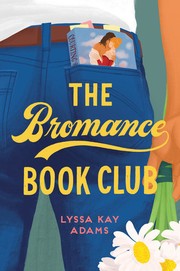
The Bromance Book Club
A Nashville pitcher joins a secret romance book club to save his marriage after his wife Thea asks for divorce. He trades pride for listening, chores, and…
2,932-word summary · 13 min read
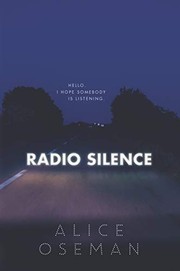
Radio Silence
Head girl Frances loves a secret podcast made by shy Aled, and both crack under A-levels in Oseman's warm 2016 story of friendship, fandom, family and choosing…
2,778-word summary · 12 min read
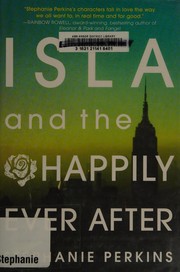
Isla and the Happily Ever After
Shy Isla Martin finally dates longtime crush Josh Wasserstein after a Manhattan summer and senior year at SOAP Paris, then learns love needs honesty to last.
2,293-word summary · 10 min read
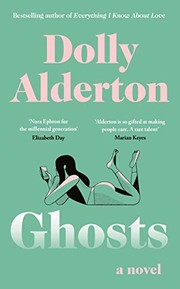
Ghosts
At 32, food writer Nina Dean faces ghosting by Max and her father's dementia in London.
2,677-word summary · 12 min read
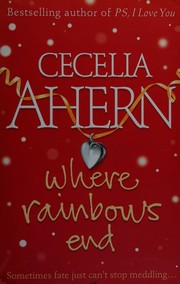
Where Rainbows End
Told in letters and emails, Rosie Dunne and Alex Stewart grow from Dublin childhood to midlife, missing chances at love while raising Katie.
1,943-word summary · 9 min read
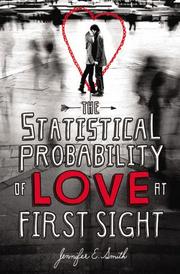
The Statistical Probability of Love at First Sight
Hadley misses a flight, meets Oliver to London, and faces her father wedding in one day.
2,002-word summary · 9 min read
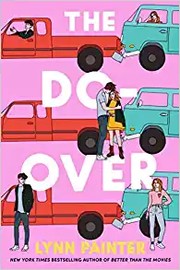
The Do-Over
Emilie relives awful Valentine Day with cheating boyfriend until Nick helps fix it.
2,071-word summary · 9 min read
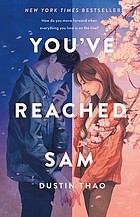
You've Reached Sam
After Sam dies, Julie calls his phone to hear his voicemail and he answers, forcing her to face grief and learn how to say goodbye.
2,887-word summary · 13 min read
Queenie
Jamaican British Queenie spirals after Tom break while friends hold her.
2,056-word summary · 9 min read