
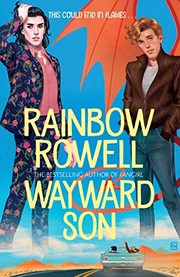
Wayward Son
2,505-word summary 11 min read 416 pages in the book
- First published
- 2019
- Publisher
- Macmillan Children's Books
- Pages
- 416
- ISBN
- 9781509896882
- Series
- Simon Snow (#2)
Reading options
What's inside (6 sections)
I read Wayward Son right after Carry On because Simon and Baz would not leave me alone. First published in 2019 by Macmillan Children's Books at 416 pages in hardcover, it is book two in the Simon Snow series. Simon, ex Chosen One with no magic after saving the world, travels America with Baz, Penelope, and Agatha to visit Agatha in California and find purpose. No villain to slay, just cryptids, couple fights, and what normal means after war. I found it funny, sad, and honest about post heroic depression. At 416 pages it road trips more than battles, which suits theme. Normal must be chosen, not found.
Simon starts lost. Saved the world by losing magic? Actually gave much to defeat Humdrum. Now ordinary in a magical world that moved on. Watford closed? Friends pity. He drinks too much, sleeps late, misses being needed. Baz, vampire mage boyfriend, loves fiercely while hiding struggles with blood and family. Penelope, brilliant friend, plans road trip to see Agatha, ex girlfriend now in California, to give Simon purpose. Agatha left England to find herself beyond prophecy. Road trip across America in a vintage car with magic and mundane mishaps. That setup promises adventure but delivers introspection with cryptids. Good. Post war is not sequel battles. It is figuring who you are when no longer chosen. Anyone after big achievement, graduation, parenthood, will recognize. What now when defining fight ends. Simon asks daily. No answer yet. Keep driving.
Baz and Simon as couple anchor with real friction. In love, living together, unsure how to be normal boyfriends without apocalypse. Baz wants to help Simon find magic or meaning, but bloodlust and family shame distract. He hides drinking blood? Actually struggles to feed ethically. Simon wants Baz to need him less desperately? Actually fears being burden without powers. They fight about money, driving, monsters, exes. Those fights feel lived, not plot devices. Who pays for gas. Who navigates. Who apologizes first. Rowell writes queer love with domestic detail rare in fantasy. Holding hands in diners where stares linger. Kissing in motels with thin walls. Fear of being seen and desire to be seen. That duality aches beautifully. No tragedy for being gay. Obstacles are post trauma and purpose, not homophobia as plot. Refreshing and true to many. Love continues after coming out. Work remains. Do it together, imperfectly. Good.
America and cryptids
America road trip delights with British eyes. Deserts, diners, Vegas, ghost towns. Penelope researches cryptids like jackalopes, skinwalkers? Actually chupacabras, barghests? They meet vampires in Vegas, dragons? Actually Normal? Each stop brings magical creatures American style, distinct from British. Rowell invents with fun. A city of vampires with rules. A desert with thirsty ghosts. Those episodes break introspection with action without big bad. No Dark Lord here. Just misunderstandings and hungry things. That low stakes suits post war. Not every trip needs world ending. Sometimes need gas money and talk. The book trusts small. Good.
Penelope as driver and planner deserves love. Brilliant, bossy, kind. She organizes route, research, snacks. She loves Simon platonically and Baz as brother, mediates fights with spreadsheets. Her own arc about motherhood? Actually about wanting normal too while finishing school? She questions if she only exists to help Chosen One. Who is Penny without Simon to save. That question mirrors Simon's. She finds joy in driving, navigating, solving cryptid puzzles for fun not fate. Learning to help because she likes, not must. That shift from duty to choice heals. Agatha as destination also grows. Ex girlfriend who left magic world for California normalcy with new life. Meeting her forces Simon to see exes move on. She is kind, distant, happyish. No villain. Just someone who chose different normal. That meeting could be awkward. Rowell handles with grace. No catfight. Just closure. Thank you, goodbye, drive on. Mature and sad. Good.
Cryptids as metaphors work without hammering. Vampires in Vegas debating ethics of feeding. Ghosts in desert thirsty for stories. Each reflects travelers' thirsts. Simon thirsts for purpose. Baz thirsts for blood and acceptance. Penny thirsts for competence appreciated. Agatha thirsts for self beyond prophecy. Desert gives mirages that show wants. Vegas gives buffets that never satisfy. Those settings externalize inner. Clever without preaching. Enjoy.
What shines is voice and care. Rowell writes first person rotating? Actually Simon, Baz, Penny chapters with distinct voices. Simon rambling, self doubting, funny. Baz arch, vulnerable, posh. Penny brisk, caring, analytical. That rotation keeps road fresh. Dialogue crackles with British banter. Banter as love language. Teasing about driving, music, monsters. Underneath, trauma addressed gently. Simon's depression, Baz's blood shame, Penny's burnout. No one fixed by trip's end. All slightly better at naming needs. That realistic progress satisfies more than cure. At 416 pages it breathes. Scenes linger on diner pies, motel pools, desert stars. You feel road. Good.
What strains is plotlessness for quest lovers. No Humdrum level villain till late, and even then personal not apocalyptic. About 100 pages of driving and fighting about driving could trim. If you need battles, you may skim desert stretches. Do not. Stretches are point. Boredom after war is real. Sit with it as characters do. Learn to like normal that includes cryptids but not destiny. That learning is slow. Trust.
Content is young adult with adult resonance. Language moderate, drinking, consensual queer sex fade to black with care, no explicit linger. Good for ages fourteen and up, beloved by queer readers for healthy couple who fight and stay. No bury your gays here. Love persists through hard talks. That persistence matters. If you need trigger warnings, depression and blood drinking discussed with care, not graphic. Take care but know handled kindly.
Who should ride
Read it after Carry On in order. Do not start here. You need war to feel peace absence. At 416 pages it continues, not concludes. Book three Any Way the Wind Blows ends. Commit to trilogy for full.
Skip it if you need Chosen One battles or dislike road trips. This drives, talks, fights about playlists. Magic helps but does not lead. Skip if love triangle expectations. No triangle here. Simon and Baz solid though tested. Agatha is friend, not rival. That solidity comforts some, bores others who want jealousy. Choose road story expectations.
For me, the image that stays is Simon and Baz in a cheap motel pool at night in Arizona, not talking about magic, just floating, holding hands underwater where no one sees. Normal as water holding. At 416 pages, Wayward Son argues normal is not place like California or England. It is people who stay when magic gone. Baz stays. Penny stays. Agatha waves kind goodbye. Simon learns to stay with himself even powerless. That learning, slow across America, held me after cryptids faded. I closed it missing Watford though never attended, trusting Simon to keep driving toward purpose that is not prophecy but choice. Drive on. Choose normal daily with those who love powerless you. That choice, repeated, is magic enough. Keep going.
Post war and purpose
I want to say more about post heroic depression, because Rowell names it gently without jargon. Simon saved the world by giving magic and self, then wakes ordinary in a world that moved on. Watford closed? Friends pity. Headlines fade. He drinks too much, sleeps late, misses being needed. That aimlessness after big achievement mirrors graduation, parenthood ends, retirement, tours ending. Who am I when defining fight ends. Simon asks daily with humor that hides ache. I used to be Chosen One. Now I am guy who cannot pay for gas. That line broke me laughing and sad. Identity tied to role leaves hole when role ends. Filling requires new roles chosen, not assigned. Boyfriend, friend, driver, tourist. Small roles that feel thin after saving world. Learn to value thin. Normal acts matter. Holding hands underwater counts as much as spells. Practice believing. Simon learns slowly with help, not alone. Baz says I love powerless you. Penny gives tasks. Agatha shows leaving magic can be happyish. Those messages accumulate. You are more than power. Believe through repetition. Good.
Baz's blood struggles mirror Simon's magic loss as addiction and shame. Vampire who wants to feed ethically, loves Simon fiercely, fears hurting. He hides drinking blood? Actually struggles to feed without harming, using bags? He hates need that defines him as monster in others' eyes, including his own. Simon accepts without fetishizing. That acceptance helps more than solutions. I love thirsty you too. That love does not cure thirst but removes shame around needing. Need is okay. Feed kindly. Ask. Those lessons apply beyond vampires. Chronic illness, depression meds, appetites. Partners who accept needs without fixing ease. Baz learns to ask Simon for blood? Actually for support during hunger? He learns to say when struggling instead of withdrawing to brood. That saying, vulnerable for proud pureblood, is growth. Old Baz would posture. New Baz admits. Simon responds with steadiness that surprises both. He can care for caretaker. Role reversal heals. Needing and giving swap. Healthy couples do both. Watch them learn. Take notes for your own thirsts. Name needs. Ask kindly. Accept help. Good.
Penelope as planner and friend deserves praise for showing care as competence. She organizes route, research, snacks, bookings. She mediates fights with spreadsheets and humor. Did you eat. Did you sleep. Classic caretaker who burns out helping Chosen Ones. Here she questions if she only exists to help Simon. Who is Penny without crisis to manage. That question mirrors Simon's. She finds joy in driving, navigating, solving cryptid puzzles for fun not fate. Learning to help because she likes, not must. That shift from duty to choice heals. She sets boundaries. I will drive today but need quiet tonight. Friends respect. That modeling matters for helpers who overgive. Help with limits. Enjoy help rather than resent. Penny learns on road with space to practice. America gives room to try new roles. Tourist, researcher, friend, not just fixer. She tries all. Keep trying after trip. That trying continues in book three. Good.
Agatha as ex who left magic world for California normalcy offers closure done kindly. No villain, no rivalry with Baz. Just someone who chose different normal and is happyish. Meeting her forces Simon to see exes move on healthily. She is kind, distant, busy with new life. She thanks Simon for past, wishes well, returns to present. That meeting could be awkward. Rowell handles with grace. No catfight. Just closure. Thank you, goodbye, drive on. Mature and sad. Good. It teaches exes can be friends after time if both grow. No need to hate to move on. Respect past selves who loved, honor present selves who chose others. That maturity suits post war theme. War ends, loves shift, friendships remain if tended. Tend with honest talks, not grand gestures. Ask how you are. Listen. Leave on time. Those small courtesies close chapters cleanly. Practice.
If you road trip with this book, play playlists characters argue about. British pop versus American rock. Stop at diners for pie. Swim in motel pools at night. Those acts make reading embodied. At 416 pages, the book invites living alongside, not just following plot. Do small normal things while reading about characters learning normal. Cook, drive, float. Notice who stays with powerless you. Thank them. Choose normal daily with those who love. That choice, repeated, is magic enough to fill post war holes. Keep driving. Keep choosing. Keep going.
Magic without purpose
I want to say more about magic loss as disability metaphor, because Simon's powerlessness reads like acquired disability after heroism. He could fly, cast, save. Now hands empty. Phantom limb for spells. He reaches for magic in danger and finds air. That reach and miss aches like trying to walk after injury. Friends adjust without pitying, mostly. Baz does not carry him magically. Penny gives tasks he can do driving, navigating, talking. Those tasks restore usefulness without pretending power returns. That accommodation models good disability support. Adapt roles, not pity. Simon resents help at first, wanting old self. He snaps when Baz does magic easily. That envy is honest and ugly. Loving someone more able while disabled strains. Talk through envy rather than hiding. They do, haltingly. I cannot do what you do. I fear you will leave for capable. Baz answers by staying for tea and talks, not feats. Presence over prowess. That answer heals more than cure would. No magic fix arrives, which is brave for fantasy. Stay powerless and loved. Learn new crafts. Simon learns to drive well, to listen, to apologize. Those human magics matter more than spells in America where cryptids respect listening over blasting. Practice human magics while mourning lost ones. Both.
America as place to be powerless helps because no one knows Chosen One there. In England, Simon is legend and failure. In America diners, he is tourist with accent. Anonymity frees. He can try stupid roadside attractions without prophecy weight. That freedom lets identity reform without audience. Travel as rehab. Many who burn out move cities to restart. Simon does across ocean. It works partly. Old patterns follow in suitcases. Fighting in car same as fighting in dorms. Geography does not cure. People do through new habits. Simon practices asking for directions, a metaphor for asking help generally. Old Simon charged ahead magically. New Simon asks gas attendants, waitresses, Agatha. Each ask builds humility muscle. Stronger than biceps. Keep asking after trip. That asking will serve in book three when magic returns differently. Foundation laid here in normalcy will hold when power tempts again. Good.
Cryptids as American magic deserve love for inventiveness. Vampires running Vegas clubs with ethics codes. Ghosts thirsty in deserts. Each reflects landscape and loneliness. Vegas vampires feed on tourists who consent for thrill, blurring ethics. Are they predators or service workers. Both. That blur questions feeding generally. Who consents to be used for others' needs. Fans, partners, friends. Check. Desert ghosts thirst for stories, not water. Listen to finish crossing. That thirst mirrors travelers' thirst for meaning. Tell stories to pass through. Good. Rowell invents without info dumping. A line about Vegas rules, a paragraph about desert thirst. Enough to act, not encyclopedia. Trust readers to fill. That trust respects YA intelligence. Do not over explain magic. Show consequences. Thirsty ghost steals voice if you do not listen. Vegas vampire bans if you feed cruelly. Rules emerge through encounters, not lectures. Learn by traveling with characters. Take notes for your own cryptids. What thirsts in your deserts. Listen before it takes voice. Offer stories. Move on fed.
If you finish and miss Watford, reread Carry On scenes where Simon first flew. Contrast with floating in motel pools. Flight versus float. Both hold. One chosen, one given. Learning to love float after flight is book's gift. Do not chase old highs. Float new lows with hands held underwater where no one sees. That private normal sustains more than public chosen. Keep floating. Keep holding. Drive on.
FAQ
When was Wayward Son published?
It was first published in 2019 by Macmillan Children's Books at 416 pages. It is book two in the Simon Snow series.
What is the setup?
Simon Snow, powerless after Chosen One war, travels with Baz, Penelope and Agatha to visit Agatha and find purpose.
Similar books
More from Simon Snow first, then related titles.
Carry On
Simon Snow returns to Watford for his last year as a failing Chosen One, with his roommate Baz missing and the Humdrum wearing his face.
2,662-word summary · 12 min read
The First to Die at the End
On the night Death-Cast launches, a boy with a bad heart meets a model with everything ahead of him, and one of them gets the call.
2,908-word summary · 13 min read
Cemetery Boys
A trans brujo in East Los Angeles summons the ghost of a boy who refuses to move on, and together they uncover a murder hidden beneath Día de los Muertos.
1,997-word summary · 9 min read

Aristotle and Dante Dive into the Waters of the World
Ari and Dante return for senior year in El Paso, navigating first love, AIDS, family grief, and the cost of being openly gay in 1987 Texas.
2,188-word summary · 10 min read
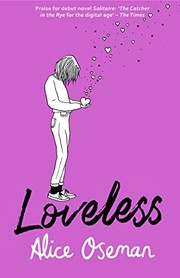
Loveless
Georgia starts university sure she wants love, then learns she is aro-ace.
2,539-word summary · 11 min read
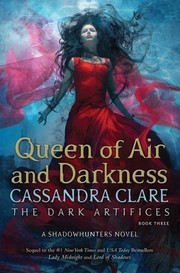
Queen of Air and Darkness
Emma and Julian face the Cohort, Thule, and the parabatai curse in Cassandra Clare's 880-page Dark Artifices finale of love, Faerie bargains, battle, weddings,…
2,653-word summary · 12 min read
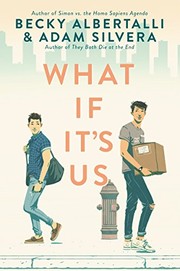
What If It's Us
Two teens meet by chance at a New York post office and try to turn missed connection into first love.
2,033-word summary · 9 min read

Bloodlines
Alchemist Sydney Sage hides Moroi princess Jill in Palm Springs, where tattoo shops and old vampires test every rule she was taught.
2,622-word summary · 12 min read
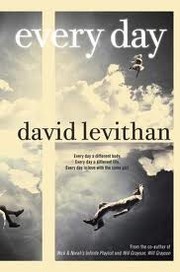
Every Day
A wakes in a new teen body daily until falling for Rhiannon breaks rules.
2,215-word summary · 10 min read
Will Grayson, Will Grayson
Two Chicago teens with one name collide, with Tiny Cooper's musical stealing every scene.
2,742-word summary · 12 min read
They Both Die at the End
Two teens called as dying meet through an app and share one full day.
1,968-word summary · 9 min read

Vow of Thieves
Kazi and Jase return to Tor's Watch to find it occupied, and their marriage is tested by captivity, betrayal, and a war for the town of Hell's Mouth.
2,059-word summary · 9 min read

The Lost Sisters
Taryn Duarte writes a letter to her twin, Jude, explaining how she fell for Locke and why she stayed silent while he used them both.
1,914-word summary · 9 min read

Dumplin'
Willowdean Dickson enters her town's beauty pageant as a protest and discovers that confidence is harder to keep once she lets someone close.
1,922-word summary · 9 min read

Archenemies
Nova steals for the Anarchists while Adrian hides his Sentinel identity, and a serum that erases prodigy powers puts them both at risk.
2,485-word summary · 11 min read
Wilder Girls
At a quarantined boarding school off Maine, three girls with strange mutations search for a missing friend and learn what the adults have hidden.
2,594-word summary · 12 min read

The Siren
Saved from a shipwreck in 1930, Kahlen becomes a siren who sings men to their deaths for the Ocean, until a boy in a college library makes her want a life she…
2,369-word summary · 11 min read

Cruel Beauty
A girl raised to kill the demon prince who rules her cursed land instead falls in love with him, in a retelling that mixes Beauty and the Beast with Bluebeard…
2,669-word summary · 12 min read
I Kissed Shara Wheeler
Shara Wheeler kisses her rival Chloe Green at prom and disappears, leaving a scavenger hunt that forces Chloe to rethink everything she knew about her.
2,083-word summary · 9 min read
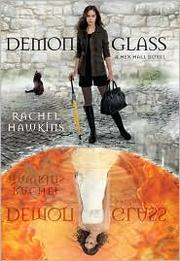
Demonglass
Sophie Mercer spends the summer at the Council's English estate, where two new demons, a suspicious host, and Archer's return complicate her plan to remove her…
2,771-word summary · 12 min read

Born at Midnight
Kylie Galen is sent to a camp for troubled teens and discovers it is a haven for vampires, werewolves, and witches, and that she may be something stranger…
2,310-word summary · 10 min read

We Are Okay
Marin fled San Francisco after her grandfather vanished and stopped answering anyone. When Mabel visits her college dorm, she has to say what happened.
2,253-word summary · 10 min read

The Rose & the Dagger
Shahrzad is pulled from her Caliph husband and left in a desert camp of rebels, needing to break his curse and end a war before it ends her.
2,520-word summary · 11 min read

Last Night at the Telegraph Club
The 2021 National Book Award winner follows Lily Hu, a Chinese American teenager in 1954 San Francisco, as she falls for Kath and learns what it costs to be…
2,336-word summary · 10 min read

Big Swiss
A transcriptionist for a sex coach falls for one of his clients, the tall Swiss gynecologist she calls Big Swiss, in a funny novel about work and secrets.
2,523-word summary · 11 min read

We Hunt the Flame
In a fractured Arabia-inspired world, a disguised huntress and a prince-assassin race to find a magic-restoring book and confront an ancient evil.
2,195-word summary · 10 min read

The Second Summer of the Sisterhood
Four friends share the traveling pants through a summer of grandmothers, first loves, and mothers who are learning to let go.
2,209-word summary · 10 min read

Stars Above: A Lunar Chronicles Collection
Nine Lunar Chronicles stories fill in the histories of Cinder, Wolf, Thorne, Cress, Winter, and Jacin, and end with a wedding after the war.
2,230-word summary · 10 min read

Lore
Lore Perseous, the last of a hunted bloodline, is pulled back into the Agon when a wounded Athena offers her revenge against the god who killed her family.
2,188-word summary · 10 min read
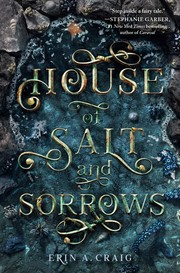
House of Salt and Sorrows
Annaleigh Thaumas investigates her sister's death in a cursed island manor where the balls are illusions and the sea god is always listening.
2,025-word summary · 9 min read