

Reading options
What's inside (5 sections)
I started When the Moon Hatched because romantasy friends would not stop talking about dragons and assassins, and 576 pages felt like a weekend to disappear into. First published in 2024 by HarperCollins at 576 pages in Deluxe edition, it is book one in the Moonfall series. Raeve is an assassin for rebels called Fíur du Ath who hears the elemental song of air and kills unseen. Kaan, famed bounty hunter, catches her and keeps her alive for reasons that unfold slowly. Prison, dragons, forced proximity, bargains. I found it lush, long, sexy in a slow burn way, with worldbuilding that rewards patience. If you like Fourth Wing with more assassins and moons, try it.
Raeve opens competent and tired. Engaged to rebel group, tasked to kill key targets by listening to air's song to move unseen. She executes without being caught, or thinks so, till Kaan tracks her. He is big, scarred,实力? Actually magnetic and infuriating, with his own hearing? He captures, imprisons, sentences her to death by quartering or dragons. She expects end. Instead strange interest keeps her alive. Why her. What will he ask in return. She knows better than to trust extended hands. Attachments end in tragedy, experience taught. That wariness narrates in first person, wry and wounded. She jokes while shackled to hide fear. Humor as armor works. You like her fast because she refuses pity even in cells. She plans escapes while bantering. Competence porn with heart.
Kaan as love interest divides and conquers. Bounty hunter renowned, working for powers Raeve opposes, yet protects her in prison, brings food, asks questions, touches sparingly. He is gruff, possessive, tender in flashes. Power gap huge. He holds keys. She holds secrets. Their dynamic is captor captive turning ally, which requires careful consent to enjoy. Parker handles by giving Raeve agency even chained. She withholds information, negotiates, fights, chooses when to trust. Kaan asks before touching after early force, learns no, respects. That learning curve matters for romantasy readers wary of dubcon. Still, initial capture and death sentence create coercion that never fully vanishes. If that bothers even with growth, skip. Genre contract here is enemies to lovers with dragons as chaperones. Either you buy or you do not. I bought mostly, with notes.
Dragons and moons
Dragons are not pets here. They are huge, hungry, political. Thrown to dragons as execution shows state cruelty. Dragons choose riders? Actually bonds form through song? Raeve hears air, others hear fire, water, earth? Elemental songs structure magic. Moons hatched? Title refers to moons that hatch dragons? Lore unfolds slowly across 576 pages. Too slowly for some. I took notes. Moonfall as event, Fíur du Ath as rebels, Ath as power? Factions blur early. Stick with Raeve and Kaan and let world accrue through dialogue and songs. Parker loves sensory detail. Air tastes metallic before kill. Dragon scales smell of storms. Prison stone sweats. You feel places even when politics confuse. That immersion carries long middle where plot pauses for training, bathing, bantering. If you need fast rebellion, you may skim. If you like living in fantasy inns and cells, you will luxuriate.
Rebellion context adds weight beyond romance. Fíur du Ath fights oppressive rule that uses dragons and hunters to control. Raeve believes in cause after personal losses. Kaan serves other side for reasons that humanize. Neither side pure. Civilians suffer raids from both. That grey suits assassin romance. Killing for cause costs soul even when targets are key. Raeve counts kills to sleep. She misses, she vomits once, she keeps going because stopping means friends die. That moral injury feels real inside fantasy. Kaan similarly tired of hunting for coin while questioning orders. Their shared exhaustion bonds more than attraction. Tired killers recognizing tired. Rest together becomes fantasy more than sex. Though sex comes, slow and explicit enough for romantasy, with consent checked. Heat serves character, not just pages. Good.
Prison sequences shine. Raeve in cell, condemned, visited by Kaan with offers. Bargains struck. Information for food. Touch for promises. Dragons circling outside, roaring. Other prisoners whisper. Guards cruel and kind mixed. Escape attempts fail and teach layout. Those chapters move fast despite confinement because stakes are immediate. Die or deal. Raeve deals while planning double cross. Kaan deals while hiding softness from superiors. Both lie to survive. Lies tangle into truths. Who protects whom and why. I turned pages fast here, less so in later travel sections where they journey with dragons and argue about trust. Travel slows for worldbuilding. Push through. Payoff comes with moon hatching scenes that are genuinely wondrous. Moons cracking, dragons emerging, songs loud. Worth wait.
What shines is voice and scale. Raeve narrates with assassin humor. I kill unseen, I hear air, I hate cages. Short sentences in action, longer in grief. Kaan's point of view? Actually mostly Raeve? Some Kaan chapters? I recall dual? The book uses Raeve primary with Kaan interludes? Either way, his steadiness balances her spark. Dragons written with awe, not as horses. They choose, judge, demand. Bonding requires listening to song, not dominating. That consent theme with dragons mirrors human romance. Listen before riding. Good.
Length at 576 pages tests. French edition 700 pages with glossary shows density. Glossary helps. Use it. Names, factions, songs. Do not memorize all. Focus on Raeve, Kaan, dragons, rebellion core. Rest accrues on reread or book two. Some readers find first 200 pages slow with info. I did till capture. After prison, pace lifts and never sags long. Editor could cut 50 pages of bathing and banter, but fans love bathing and banter. Know yourself. If you skim spice, you will still follow. Spice is consensual, detailed, frequent after midpoint. If you dislike explicit, skip or skim. Story holds without, though chemistry helps motivate choices. Content warnings matter. Violence, murder for cause, imprisonment, death sentence, torture threat, dragons eating, power gap romance. All within romantasy norms, but intense. Take care if captivity triggers. Raeve's resilience helps, but cells are cells.
Who should hatch
Read it if you like Fourth Wing, ACOTAR, From Blood and Ash with assassins and moons. Read it for dragons that matter, slow burn with banter, rebels with songs. At 576 pages it starts a series, not standalone. Expect cliffhanger threads. Thorn of Emberlain waits? Actually Moonfall book two. Go in for long haul.
Skip it if you need standalone or dislike captor romance even with growth. This is built on capture. Skip if lore dumps tire. First chapters throw songs, moons, rebels fast. Glossary helps but still much. If you bounce off, try sample first.
For me, the image that stays is Raeve in a cell listening to air's song through stone, hearing Kaan's steps before he appears, deciding whether to kill or talk. Breath held, song loud, dragons distant. Choice to talk first, though trained to kill, defines her more than missions. At 576 pages, When the Moon Hatched argues listening saves more than striking. Hear air, hear hunter, hear dragon. Then act. Raeve learns to let Kaan approach, to let dragons choose, to let rebellion need her alive not just lethal. That learning, slow across moons, held me after lore faded. I closed it wanting book two, humming air's song imagined, trusting dragons to judge better than hunters. Keep listening. Moons will hatch when ready. Be ready to ride, not just run.
Songs, bonds, and rebellion
I want to say more about elemental songs, because magic system sings rather than explains. Raeve hears air, others hear fire, water, earth, dragons hear moons? Songs guide kills, bonds, flights. To hear is to belong. Those deaf to song are ordinary and vulnerable. Training involves listening exercises, humming, breath. That musical magic suits assassin who must be quiet to hear. Silence as skill, not absence. Parker writes sound well. Air tastes metallic, fire crackles in teeth, water hums low. You hear while reading if you slow. That synesthesia immerses better than diagrams. No hard rules about range or cost beyond tiredness and need to eat after big listenings. Soft system frustrates rule lovers, delights romantics. Magic as music, not machine. Feel tempo, follow. Do not overthink. Trust ears. That trust mirrors romance. Listen to Kaan's steps, dragon's wingbeats, own heartbeat. Act in rhythm, not haste. Good advice for life as well as fantasy. Pause, listen, then move.
Dragons as judges deserve emphasis. Not mounts to claim but elders to convince. They smell lies, hear songs, choose riders who listen. Thrown to dragons as execution fails when dragons refuse unjust meals? Actually they eat sometimes, spare others. That discernment makes them moral centers in amoral war. Humans scheme. Dragons weigh. Raeve earns regard by hearing and by refusing easy kills when song wavers. Kaan earns by protecting rather than using. Their bond with dragons parallels bond with each other. Listen, respect, do not force. Forced bonds break. Willing bonds fly. That consent theme, repeated across species, strengthens romance message. No means no, even from dragons. Wait till yes. That patience rewards with flight beyond prison walls. Literal uplift after cells. Feel wind after stone. That release is why 576 pages feel worth. Confinement long, flight brief but glorious. Savor when comes. Do not rush to get there. The wait builds wings.
Rebellion politics need untangling because factions blur. Fíur du Ath rebels against regime that uses hunters and dragons to control. Raeve serves rebels by killing key targets. Kaan hunts for regime or for coin that serves regime. Both tired of masters. Civilians suffer raids, taxes, dragon fire from both sides claiming liberation. That grey avoids simple good rebels trope. Rebels kill innocents as collateral. Regime feeds some while oppressing. Choose based on who listens more, not who claims righteousness. Raeve chooses rebels because they heard her song when others called witch. Personal loyalty over ideology. Honest and human. Most join causes because someone saw them, not manifestos. Remember when judging fictional rebels and real. Belonging drives more than belief. Offer belonging thieves? Actually offer listening. Parker gets that. Fíur du Ath offers Raeve family after loss. She stays even when missions sicken because family feeds. Leaving would orphan again. That fear keeps killers killing past conscience. Breaking requires new family, which Kaan and dragons slowly become. Found family as exit from cause that harms. Powerful and hopeful. You can leave groups that hurt even if they once saved. Find new songs. Keep moving.
Kaan's bounty hunter ethics also repay attention. He tracks for money, delivers alive when possible, kills when ordered? Actually he captures Raeve alive against orders to kill? He keeps her alive for interest and information, risking employer wrath. That choice defines him more than reputation. Renowned hunter who disobeys for curiosity and compassion. He hides her, feeds, asks. Superiors threaten. He stalls. That stalling costs coin and safety. Why. Because song? Because loneliness recognizes loneliness. He sees tired killer like self and cannot deliver to death. That empathy breaks professional code. Codes in such books bind till heart breaks. His breaking feels earned because built over chapters of watching her sleep, fight, joke. Intimacy through guarding. Problematic and tender. Guard falling for prisoner is trope with power issues. Parker mitigates by giving Raeve power even chained. She withholds info, negotiates, saves him once with hearing. Mutual rescue balances. He saves body. She saves soul from numb hunting. Equal debts. That equality, forged in cells, allows later consensual romance. Without it, creepy. With it, fraught but workable. Readers must decide if enough. I decided yes, with notes. Your line may differ. Honor it. Skip if captivity romance triggers regardless of growth. There are other dragon books without cells. Choose kindly for yourself.
If you continue series, expect moon lore to expand. Hatching moons, dragon origins, songs' source. Book one teases more than explains. Moons crack, something emerges, songs louden. What hatches. Why now. How tied to Raeve's hearing. Those mysteries propel book two more than rebellion resolved here. Rebellion pauses, romance deepens, moons stir. That pause frustrates plot hungry. I wanted war won. Instead lovers choose each other while war waits. That choice prioritizes character over plot, which romantasy often does. Accept or skim battle setups. Focus on listening lessons. They pay off when moons hatch and only listeners survive roar. Practice now. Quiet rooms, hear air, hear heart. Be ready. Moons will hatch when ready, in books and life changes. Be ready to ride, not just run, when they do.
FAQ
When was When the Moon Hatched published?
It was first published in 2024 by HarperCollins at 576 pages in the Deluxe edition. It is book one in the Moonfall series.
Who is Raeve?
Raeve, rebel assassin for Fíur du Ath, is caught by bounty hunter Kaan and held with dragons circling.
Similar books
More from Moonfall first, then related titles.
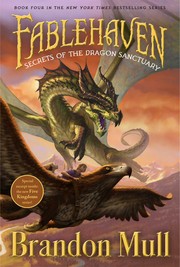
Secrets of the Dragon Sanctuary
Kendra is replaced by a plant copy and held by the Society, while Seth steals a unicorn horn so the family can enter a dragon sanctuary.
2,590-word summary · 12 min read
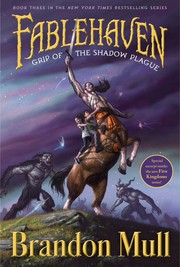
Grip of the Shadow Plague
A plague turns Fablehaven's creatures of light into shadows while Kendra hunts an artifact in Arizona and Seth races to find the cause.
2,131-word summary · 9 min read

The Rose & the Dagger
Shahrzad is pulled from her Caliph husband and left in a desert camp of rebels, needing to break his curse and end a war before it ends her.
2,520-word summary · 11 min read

We Hunt the Flame
In a fractured Arabia-inspired world, a disguised huntress and a prince-assassin race to find a magic-restoring book and confront an ancient evil.
2,195-word summary · 10 min read
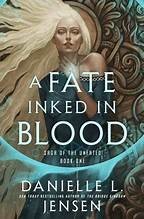
A Fate Inked in Blood
In Norse-inspired Skaland, a fish gutter hiding a goddess's blood is claimed by a jarl, bound by oath, and guarded by the son she cannot want.
1,971-word summary · 9 min read
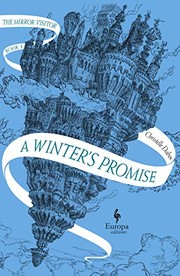
A Winter's Promise
Ophelia reads objects and is sent to marry Thorn on a cold ark.
2,502-word summary · 11 min read
The Farthest Shore
Archmage Ged and Prince Arren sail to the far west to stop Cob, whose bid for endless life drains magic across Earthsea in Le Guin's sad 1972 third volume.
2,800-word summary · 12 min read
Dragons of Autumn Twilight
Old friends reunite at the Inn of the Last Home, guard a glowing Blue Crystal Staff, face black dragon Khisanth, and free slaves at Pax Tharkas in this 1984…
2,803-word summary · 12 min read
Daughter of No Worlds
A former slave with rare magic hires exiled warrior Max to train her for a daring rescue, sparking slow burn love and wider war in this big 520-page fantasy…
2,529-word summary · 11 min read
The Eyes of the Dragon
In the kingdom of Delain, a jailed prince and his younger brother face a magician whose long plot for the throne turns on a napkin clue.
2,018-word summary · 9 min read
Strange the Dreamer
Orphan librarian Lazlo Strange joins a quest to the lost city of Weep, where blue-skinned godspawn haunt dreams.
2,221-word summary · 10 min read

Poison Study
Sentenced to die, Yelena becomes the Commander's poison taster and learns survival in Ixia has a daily price.
2,501-word summary · 11 min read
To Kill a Kingdom
A siren princess turned human must steal a siren-hunting prince's heart to win back the sea.
2,248-word summary · 10 min read

Fire
A human monster who reads minds is pulled into war in the Dells and must decide how to use her power.
2,727-word summary · 12 min read
The Starless Sea
A graduate student finds a book that retells his childhood and follows its clues to an underground Harbor of stories.
2,582-word summary · 11 min read

Wizard's First Rule
Woods guide Richard joins Kahlan and wizard Zedd to find the Boxes of Orden before Darken Rahl, learning why people believe lies.
2,220-word summary · 10 min read
Finale
Sisters face waking Fates with debts due, loving princes, and choices that break immortal math.
1,995-word summary · 9 min read
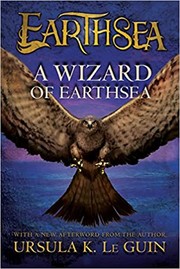
A Wizard of Earthsea
A proud goatherd becomes the wizard Ged, looses a shadow at Roke, and must hunt it across Earthsea to name it. Le Guin's lean 1968 series opener.
2,972-word summary · 13 min read

Stardust
Tristran Thorn climbs over the wall of Wall to fetch a fallen star and finds Yvaine, witches, and princes hunting her.
2,490-word summary · 11 min read
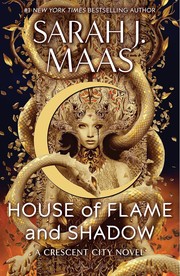
House of Flame and Shadow
Bryce lands outside Midgard while Hunt sits in Asteri dungeons and the war for two worlds builds.
2,983-word summary · 13 min read
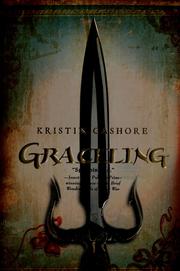
Graceling
Katsa, Graced with killing, breaks from her uncle's use of her and follows a kidnapped prince toward a hidden king.
2,517-word summary · 11 min read
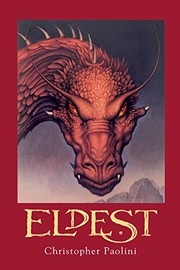
Eldest
Eragon trains with Oromis in Ellesmera while Roran defends Carvahall and Nasuada leads the Varden toward war.
2,652-word summary · 12 min read
A Kingdom of Flesh and Fire
Poppy travels to Atlantia with Hawke as Casteel while war, prophecies, and her own gifts close in.
3,048-word summary · 14 min read
Eragon
Paolini's Eragon retold: a farm boy, a blue stone, Saphira the dragon, and the road to the Varden.
1,996-word summary · 9 min read
The Blinding Knife
Kip trains to join the Blackguard while the Prism hides his true identity, loses his colors, and fights a war against a rogue drafter who wants to birth a god.
2,049-word summary · 9 min read

Inkdeath
The final Inkworld novel sends Mo into the land of the dead, leaves Meggie choosing between two boys, and ends the Adderhead's immortality with three written…
2,062-word summary · 9 min read
Dawnshard
Rysn sails toward forbidden Akinah to save her dying larkin and finds a Dawnshard guarded by the Sleepless.
3,229-word summary · 14 min read

Vow of Thieves
Kazi and Jase return to Tor's Watch to find it occupied, and their marriage is tested by captivity, betrayal, and a war for the town of Hell's Mouth.
2,059-word summary · 9 min read

The Field Guide
Three siblings move into a creepy Maine estate, anger a brownie, and find a forbidden guide to the fairy world in the first Spiderwick book.
2,033-word summary · 9 min read

Magic Burns
A magic flare hits Atlanta, and mercenary Kate Daniels must recover stolen maps, find a missing witch, and keep a teenage girl alive while Celtic gods try to…
2,021-word summary · 9 min read