
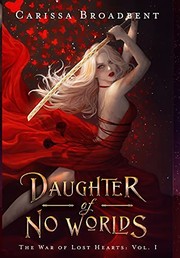
Daughter of No Worlds
2,529-word summary 11 min read 520 pages in the book
- First published
- 2020
- Publisher
- Carissa Broadbent
- Pages
- 520
- ISBN
- 9780998461946
- Series
- The War of Lost Hearts (#1)
Reading options
What's inside (7 sections)
I started Daughter of No Worlds on a rainy Saturday because a friend kept telling me it was the rare self published fantasy that reads like a trade book. She was right about the size of it. This is book one of The War of Lost Hearts, self published by Carissa Broadbent on January 8, 2020, with the hardcover running 520 pages. That is a big debut to carry, and you feel the ambition from the first chapter. It wants to be a slave revolt story, a magic school story, and a slow burn romance at once.
What pulled me in was Tisaanah. She comes to us as a young woman who was bought and sold as a child and who has lived most of her life under the Orders, the powerful groups that rule her home country and treat people like her as property. She has a rare kind of magic, the sort that draws attention she does not want, and she has used it to survive rather than to win. When we meet her, she has just bought her own freedom or talked her way into it at great cost, depending how you read that first negotiation. The point is clear. She is out, but the people she left behind are not.
I liked that Broadbent does not make her a chosen one who glows from page one. Tisaanah is clever, stubborn, frightened, and tired. She misreads rooms. She pushes too hard. She apologizes at the wrong times. That felt true for someone raised to expect punishment for speaking.
A bargain with Maxantarius
Tisaanah travels to a new land to find Maxantarius, called Max, a man with a past as a fighter and a present as something close to exile. He is known for fire and war, for serving in conflicts he no longer defends, and for shutting people out. She needs him because she cannot control her power well enough to free others on her own. He does not want an apprentice. He especially does not want one whose plan will draw the attention of rulers and soldiers.
Their first meetings are all business and mistrust. Tisaanah offers service, coin she barely has, information, anything that might buy his time. Max refuses, then tests her, then refuses again. What changes his mind is not pity in the soft sense. It is recognition. He sees someone who has lived with violence and who keeps moving anyway. He also sees that her magic, wild and strong, will kill her or expose her if no one trains her.
So they strike a bargain. He will teach her to hold and shape her power. She will follow his rules, keep hidden when told, and help him with work he needs done in return. The deal is written less as a contract and more as a truce between two wary people. I enjoyed those early chapters because the dialogue does real work. Tisaanah asks blunt questions. Max answers with short warnings. Neither pretends this is friendship.
We also learn the shape of the world around them. There are divided peoples, old wars, treaties that favor the strong, and cities where order is kept by fear. The Orders that held Tisaanah are not just distant villains. Their reach follows her through letters, debts, and spies. Max has his own stains from past campaigns. Neither of them trusts power, which makes their training uneasy from the start.
Money stays tight through these early chapters, and Broadbent keeps that pressure visible. Tisaanah counts coins for bread and rent, takes washing or errand work when she can, and hates asking Max for help. He lives simply too, in rooms with worn furniture and a shelf of old campaign maps he never opens. They share meals that are more root vegetables than meat. That plain daily life grounds the magic. When Tisaanah lights a candle without flint by accident and stares at her own fingers in fear, the small rented room makes the moment larger, not smaller.
Training days and slow trust
The middle of the book settles into training, and this is where readers will either settle in or start to fidget. Max drills Tisaanah in control. Breathe. Feel the pull before you reach for it. Stop before you burn out. She fails often. Her power flares when she is angry or scared, which is often, and Max has to pull her back or shield those nearby. There are bruises, burned sleeves, nights where she shakes and cannot sleep.
Broadbent writes these scenes with care for process. Tisaanah learns to sense heat and pressure, to wall off part of herself, to release in small amounts. Max teaches her to fight with blades as well, because magic draws eyes and steel does not. They spar in yards, run stairs, clean wounds. He corrects her stance with a tap to the wrist. She learns to fall without crying out.
Trust builds in small moments rather than speeches. He leaves food outside her door after a bad day. She mends a torn coat he was ready to throw away. She asks about a scar and accepts it when he does not answer. He asks about her friends still in bondage and listens all the way through. There is humor too, dry and brief. Tisaanah teases him about his poor cooking. Max pretends not to hear and then cooks the same stew better the next night.
Her magic also exacts a price that training cannot remove at once. After a hard session her nose bleeds, her hands shake too much to hold a pen, and bright light hurts her eyes. Max teaches her to eat at once, to sleep with the shutters closed, to sit with her back to a wall until the trembling passes. One evening she pushes past his stop signal and blacks out on the practice floor. She wakes with his coat over her and his voice low and angry with worry. That night she finally understands that control is not about force. It is about knowing when to set the power down.
The romance starts here as friction, not glow. They annoy each other. They notice each other and look away. Max sets a rule about distance and then breaks it by checking on her late at night. Tisaanah tells herself she cannot afford feelings because her purpose is rescue, and then finds herself watching for him in a crowd. Broadbent keeps it slow. If you want kissing by chapter five, this is not that book.
I will say plainly that this training stretch runs long. The lessons repeat. The pattern of try, fail, rest, try again fills many pages. Some of that length builds their bond. Some of it feels like a debut writer unwilling to cut a scene she loved. I skimmed a little around the third sparring sequence and the second control exercise that ends the same way. The book would still be rich at a shorter length.
The Orders and those left behind
What keeps the training from floating free is Tisaanah reason for learning. She did not cross seas to become strong in general. She came to free people, in particular a close friend or small group still held by the Orders. Letters or messages remind her that time is short. Punishments continue at home. Every week she spends learning forms is a week others pay.
Broadbent handles the Orders as a system rather than one sneering villain. There are officials who sign papers, buyers who look away, soldiers who follow commands, and ordinary people who benefit without asking questions. Tisaanah remembers details that make this concrete. The smell of a holding room. The way names are replaced by numbers or marks. The sound of a gate closing at night. These memories come in flashes during training and spoil her focus, which Max at first reads as weakness and later reads correctly as grief.
The plan they shape is rough and risky. Tisaanah cannot march in and demand release. She has no army and little coin. She and Max talk through options. Smuggle papers. Buy one person at a time. Create a distraction during a transfer. Use her magic only if cornered, because a display will bring worse attention. Max argues for patience and numbers. Tisaanah argues for speed because she knows what delay costs.
There is a strong scene where Tisaanah meets someone from her past in a market or lodging house, and the reunion is joyful for about a minute before fear takes over. The other person begs her not to act, not because they love bondage but because failed rescue brings punishment for all. Tisaanah promises anyway. Walking home, she understands that good intentions can harm the very people she loves. That doubt follows her into every later choice.
This is also where the wider war talk grows louder. Rulers argue about borders and old debts. Soldiers move through towns. Max hears from former contacts that fighting may restart. Tisaanah sees that her private mission sits inside a larger break. If war comes, the Orders may tighten grip or may crack. Either way, the window for freeing anyone is narrow.
Missions, mistakes and blood
The back third moves from practice to action. Tisaanah and Max take on jobs that test her control under pressure. Escort a carrier through unsafe streets. Gather information at a gathering where one wrong word means arrest. Enter a house to copy or steal papers. Each outing shows growth and limits. She holds her magic longer. She still shakes after.
One mission goes wrong in a way that felt honest to me. Tisaanah, seeing someone beaten by guards, steps in before Max signals. Her power rises fast, hotter than she meant. She stops the beating but reveals more than she should. They escape through back lanes, but Max is furious, not because she cared but because caring without a plan risks both of them and the larger rescue. They fight about it in low voices in a rented room. She cries. He does not soften at once. The next morning he shows her a different way to enter the same street unseen. That is his apology.
The rescue plan itself centers on timing and disguise rather than battle. Tisaanah will pose as servant or clerk, Max as guard or driver, with forged passes and a cart that can hide people under goods. They rehearse lies. They learn names of officials to drop. They bribe where they can. Broadbent is good at this tradecraft. The forged seal with a smudged edge, the borrowed uniform that smells of another man, the need to smile at a gatekeeper while your heart beats in your ears.
They pick up thin help along the way, and none of it comes clean. A driver who will look away for coin but will not lie to soldiers. A clerk who copies a roster for Tisaanah because she once shared bread with his sister, then begs her to burn it after reading. A neighbor who lends a cellar for one night and then asks them to leave before dawn for the sake of her children. Tisaanah wants to promise safety to each of them. Max stops her. He tells her to promise only what she can carry out, and to write down every debt so she does not forget who paid. She hates how cold that sounds. Later, when the clerk disappears for two days and returns pale and silent, she sees why Max insisted.
Violence, when it comes, is short and costly. No one walks through fire unmarked. Tisaanah burns her hands. Max takes a cut that slows him for chapters. Someone they hoped to save is moved before they arrive. Someone else refuses to go. The book does not give easy wins. Freedom, when it happens, is partial and messy, with people coughing in the back of a cart and asking if soldiers follow.
I appreciated that Broadbent lets Tisaanah make calls that are debatable. She trades one risk for another. She tells a half truth to an ally to keep them moving. Max calls her on it. She does not always agree. Their partnership survives because they keep talking after failure, not because they are always right.
Love, war and a door left open
The romance and the war plots rise together near the end. Tisaanah and Max stop pretending distance is possible. A night watch turns into a long talk about the dead they carry. A wound cleaned gently turns into a hand held too long. When they finally admit care, it feels earned because we have seen chores and drills and quarrels, not just longing looks. Broadbent writes physical scenes with restraint and warmth, focused on choice and permission rather than spectacle.
At the same time, the threat of wider war sharpens. Old alliances strain. The Orders press harder on the vulnerable to show strength. Max is asked or forced to face his past service, to pick a side he left. Tisaanah learns that freeing a few people will not end the system that took them. She will need allies, shelter, and perhaps an army she does not want to lead. That shift from rescue to resistance is the bridge to the next book.
The ending does not tie off. The immediate rescue finds a kind of close, with losses and relief mixed, but larger powers move into place for the sequel, Children of Fallen Gods and the rest of The War of Lost Hearts. A promise is made. A betrayal or reveal reframes what Tisaanah thought she knew about a helper. Max faces a cost for standing with her. The last pages leave them together but not safe, pointed toward a fight neither chose.
Now for fair criticism, because this is a debut with real flaws. The book runs 520 pages in hardcover and feels it. Training repeats, travel takes detours, and some talks restate what scenes already showed. The beats will feel familiar if you read much fantasy romance. Reluctant mentor with a dark past, hidden rare power, brutal slavers, slow burn that breaks into care near the end. Broadbent executes those beats with heart, but she does not reinvent them.
The middle sag is the main test. If you love long training arcs and quiet bonding, you will enjoy it. If you want plot turns every chapter, you may stall around the halfway mark. A tighter edit could have kept the same warmth in fewer scenes.
Still, I closed the book caring about both leads and wanting the next volume. Tisaanah reads as a person rather than a symbol, angry and kind in the same hour. Max reads as more than a wall of muscle, a tired soldier learning to teach instead of burn. Their bargain becomes a bond without losing its edge. As the start of The War of Lost Hearts, published in 2020 by Carissa Broadbent herself, it promises bigger wars and harder choices ahead. For readers who accept some bloat for the sake of company, that promise is enough to turn the page.
FAQ
Is Daughter of No Worlds the first book in its series?
Yes. It is book one of The War of Lost Hearts by Carissa Broadbent, self published in January 2020, and it ends with threads leading into the next volume.
Who are Tisaanah and Max?
Tisaanah is a former slave with rare magic who wants to free those left behind. Maxantarius, called Max, is an exiled fighter who agrees to train her in control and weapons.
Which edition matches the 520 pages cited here?
The 520 pages refer to the hardcover self published by Carissa Broadbent. The story itself was first published in 2020 as the series opener.
Similar books
More from The War of Lost Hearts first, then related titles.

The Rose & the Dagger
Shahrzad is pulled from her Caliph husband and left in a desert camp of rebels, needing to break his curse and end a war before it ends her.
2,520-word summary · 11 min read

We Hunt the Flame
In a fractured Arabia-inspired world, a disguised huntress and a prince-assassin race to find a magic-restoring book and confront an ancient evil.
2,195-word summary · 10 min read
A Winter's Promise
Ophelia reads objects and is sent to marry Thorn on a cold ark.
2,502-word summary · 11 min read
Strange the Dreamer
Orphan librarian Lazlo Strange joins a quest to the lost city of Weep, where blue-skinned godspawn haunt dreams.
2,221-word summary · 10 min read
Poison Study
Sentenced to die, Yelena becomes the Commander's poison taster and learns survival in Ixia has a daily price.
2,501-word summary · 11 min read
To Kill a Kingdom
A siren princess turned human must steal a siren-hunting prince's heart to win back the sea.
2,248-word summary · 10 min read

Fire
A human monster who reads minds is pulled into war in the Dells and must decide how to use her power.
2,727-word summary · 12 min read
Finale
Sisters face waking Fates with debts due, loving princes, and choices that break immortal math.
1,995-word summary · 9 min read
Graceling
Katsa, Graced with killing, breaks from her uncle's use of her and follows a kidnapped prince toward a hidden king.
2,517-word summary · 11 min read

Inkdeath
The final Inkworld novel sends Mo into the land of the dead, leaves Meggie choosing between two boys, and ends the Adderhead's immortality with three written…
2,062-word summary · 9 min read

Vow of Thieves
Kazi and Jase return to Tor's Watch to find it occupied, and their marriage is tested by captivity, betrayal, and a war for the town of Hell's Mouth.
2,059-word summary · 9 min read

Lioness Rampant
Alanna searches for the Dominion Jewel with the Shang Dragon, then returns to Tortall to face Duke Roger at Jonathan's coronation.
2,478-word summary · 11 min read

Archenemies
Nova steals for the Anarchists while Adrian hides his Sentinel identity, and a serum that erases prodigy powers puts them both at risk.
2,485-word summary · 11 min read

The Siren
Saved from a shipwreck in 1930, Kahlen becomes a siren who sings men to their deaths for the Ocean, until a boy in a college library makes her want a life she…
2,369-word summary · 11 min read

The Golem's Eye
Two years after The Amulet of Samarkand, Nathaniel is a rising bureaucrat, Bartimaeus is his unwilling servant again, and something made of clay is tearing…
2,299-word summary · 10 min read

The Queen of the Tearling
Nineteen-year-old Kelsea leaves the woods to take her throne, ends a shipment of human captives, and draws the Red Queen's revenge.
2,357-word summary · 10 min read
The Magician
Sophie and Josh flee to Paris with Nicholas Flamel, where John Dee, Machiavelli, and an awakened god close in on the missing pages of the Codex.
2,162-word summary · 10 min read

Lore
Lore Perseous, the last of a hunted bloodline, is pulled back into the Agon when a wounded Athena offers her revenge against the god who killed her family.
2,188-word summary · 10 min read

In the Hand of the Goddess
Alanna, still disguised as a boy, survives war, court plots, and a death duel as the Goddess's chosen warrior in the second Song of the Lioness book.
2,018-word summary · 9 min read

Blue Moon
Ever Bloom tries to save her immortal boyfriend, Damen, from a mysterious illness while a new student named Roman quietly takes control of her school and her…
1,998-word summary · 9 min read
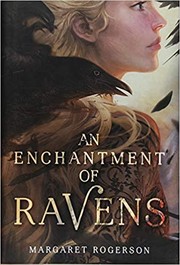
An Enchantment of Ravens
Isobel, a mortal artist in the fairy town of Whimsy, paints a portrait of the autumn prince and falls in love with him, breaking the laws of her craft.
2,087-word summary · 9 min read
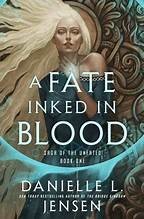
A Fate Inked in Blood
In Norse-inspired Skaland, a fish gutter hiding a goddess's blood is claimed by a jarl, bound by oath, and guarded by the son she cannot want.
1,971-word summary · 9 min read
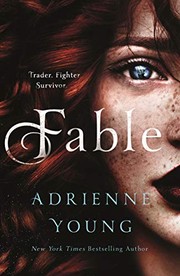
Fable
Abandoned on a lawless island at fourteen, Fable spends four years diving for gems to buy passage off it, straight into the cutthroat trade of the Narrows.
2,320-word summary · 10 min read

The Indigo Spell
Sydney Sage hunts an aging witch, learns forbidden magic, and finally admits she loves Adrian, while the Alchemist tattoo on her cheek may be controlling her.
2,604-word summary · 12 min read

When the Moon Hatched
An assassin who hears air takes a job that throws her to dragons and a hunter.
2,083-word summary · 9 min read

The Winner's Curse
An aristocratic girl buys a slave who is secretly a prince plotting rebellion.
2,124-word summary · 9 min read

The Iron Queen
Meghan faces the Iron King past while Ash pays a winter price.
2,548-word summary · 11 min read
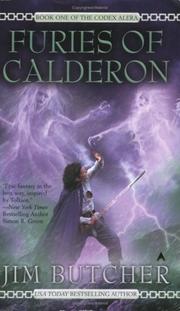
Furies of Calderon
Furyless Tavi defends Calderon Valley when the Marat return and lords scheme.
2,587-word summary · 11 min read

The Golden Lily
Sydney Sage guards Jill at Amberwood Prep in Palm Springs, studies forbidden magic, favors Adrian over Brayden, and faces Alchemist custody in this second…
2,988-word summary · 13 min read
Lirael
A Sightless Clayr girl and a prince afraid of Death join the Dog and Mogget to stop necromancers from waking the Destroyer Orannis at the Red Lake while old…
2,692-word summary · 12 min read