
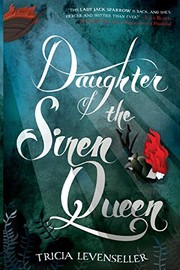
Daughter of the Siren Queen
2,643-word summary 12 min read 336 pages in the book
- First published
- 2018
- Publisher
- Feiwel & Friends
- Pages
- 336
- ISBN
- 9781250096029
- Series
- Daughter of the Pirate King (#2)
Reading options
What's inside (8 sections)
I came to Daughter of the Siren Queen hungry for a fun ending and a little wary of second books that sprint. I had liked the first volume for its banter and its cruel little pirate logic. Daughter of the Siren Queen by Tricia Levenseller was first published in February 2018 by Feiwel and Friends, the second and final book in the Daughter of the Pirate King duology, a 336 page book with ISBN 9781250096029. It follows Alosa, daughter of the pirate king Kalligan, who is part siren, and Riden, the former first mate she both fights and trusts. I read it in two nights with tea going cold, enjoying the speed even when I wanted more pause.
The setup picks up where captivity and deals left off. Alosa is trying to hold together two truths. She is Kalligan daughter, raised to be ruthless, sent to hunt pieces of an old map that leads to the legendary Isla de Canta. She is also part siren through her mother, with a voice that can force men to obey and a heritage that calls her toward the sea women who live apart. Around her stands her crew, loyal and rough and funny, and Riden, who knows enough of her secrets to be dangerous and who has his own wounds from serving under her brutal brother Draxen. The book moves fast from prison talk to open water to island sand, chasing the last map pieces while enemies close in.
What I liked right away is how Alosa narrates. She is blunt about killing and stealing and also tender about her crew in ways she tries to hide. That mix drives the plot. She must bargain with her father, outrun Draxen, keep Riden alive without looking soft, and decide what kind of siren she will be. The sea keeps testing each choice.
Captive deals and a hard escape
The early chapters deal with aftermath. Alosa is not free in any simple sense. Kalligan holds power over her movements and over people she loves. Draxen, her full human brother and rival, wants the map for himself and wants Alosa broken. Riden is caught between, a skilled sailor who once served Draxen and now stands with Alosa, which paints a target on his back. Talk matters here as much as swords. Promises are traded. Threats are counted. Alosa lies with ease and keeps count of her own lies, which makes her fun to follow even when she is cruel.
I liked one stretch where Alosa must smile through a meeting with her father while planning theft under his nose. Kalligan is written as charming and cold in the same sentence. He praises her skill, then reminds her she is a tool. He offers protection, then names a price. Alosa plays the dutiful daughter while noting exits, weapons, and which guards drink too much. The scene shows what the series does well. Court politics with salt on it. Power talked out over rum and maps instead of thrones.
The escape that follows is loud and physical. Chains, keys slipped at the right second, a fight in close quarters where Alosa uses both blade and siren song when she must. Levenseller writes action clearly. You can see elbows, decks, ropes. Alosa gets hurt and keeps moving. Riden covers her back and takes hits he does not boast about later. The crew, scattered and beaten, finds each other in pieces. One reunion on the docks nearly got me. No speeches. Just a nod and a tossed coat and back to work. That restraint suits pirates better than hugs.
A short gripe already. The pace barely lets bruises show. People are stabbed, starved, and threatened, then quipping by the next page. I enjoy banter, but the speed can thin the cost. One beating in particular needed a longer shadow and instead becomes fuel for a joke two scenes later. The book wants to be breezy even when bodies should ache.
Back with the crew and Riden
Once Alosa reaches her ship, the book breathes for a bit, and these were my favorite pages. Her crew is mixed men and women she handpicked, fighters who respect her because she bleeds with them. There is mending of sails, counting of coins, teasing about who snores, checking of wounds. Alosa pretends command is only tactics, but she checks who eats first and who stands watch too long. Leadership here looks like care hidden under orders.
Riden gets more room in this middle. He is not a prince in disguise. He is a clever sailor with a past of serving bad men to survive. With Alosa, he is steady, funny, and unwilling to be used. Their scenes swing between flirting and fighting about trust. She keeps secrets to protect him. He hates being protected without choice. She fears her siren side will force him rather than win him. He fears he will always be the boy who follows stronger captains. One night talk on deck, with stars out and work done, slows enough to let both fears show. He asks plain questions. She answers half, then more. No song. Just talk. It works because Levenseller lets them be awkward.
The romance follows the pirate code of the series. Consent matters even amid magic that could erase it. Alosa could sing Riden into obedience. She refuses to do that, and the refusal defines her better than any speech about love. Riden could demand full truth as price for loyalty. He stays instead and watches her choices. I believed them more here than in grand declarations later, because small acts carried weight. Sharing a blanket. Taking a wound for a crewmate without comment. Teaching a younger sailor to tie a knot right.
The map hunt threads through these quieter moments. Alosa holds pieces and needs the rest. Each piece points toward Isla de Canta, the siren island of legend where treasure and answers both wait. Kalligan wants the whole map to command the seas. Draxen wants it to prove himself to their father and to hurt Alosa. Alosa wants it to free herself and to find her mother people before her father can use them. Every course plotted on deck is also a choice about family.
Hunting the last map pieces
The middle voyage turns to theft and deals. Alosa raids, bargains, and tricks her way toward the missing pieces. One stop involves a port lord who collects rare things and likes to watch pirates beg. Alosa refuses to beg and instead offers a trade that looks fair until the last line. Another involves boarding a ship where Draxen men hold a piece and a prisoner Alosa values. The fight is tight in the dark below deck, with lanterns swinging and song used in short bursts so Alosa does not lose herself.
Levenseller keeps the rules of siren song clear enough to raise stakes. Song can compel, but it costs. It draws attention. It tempts Alosa to solve everything by voice, which would make her like those she hates. It also marks her. Men who hear it remember. Enemies who know about it bring wax, distance, noise. Alosa must choose when to sing and when to fight human. I liked that limit. Power with a price beats power without end.
Draxen shadows these chapters. He is not subtle, and the book does not try to make him so. He burns, hangs, and mocks. He enjoys hurting Riden because it hurts Alosa. He enjoys hurting Alosa because their father watches. One scene where he leaves marked sailors as a message feels genuinely ugly and reminds you what Alosa grew up around. The weakness is that Draxen rarely surprises. His motive stays at want map, please father, hurt sister. After two books, I wanted one crack, one memory that explained why cruelty became his language. The book gives flashes of fear under bluster but moves on too fast to sit with them.
Kalligan is more interesting because he is patient. He does not chase every skirmish. He waits, sends men, cuts supplies, turns allies with coin. A letter from him lands mid voyage, polite and terrible, praising Alosa progress while listing hostages. Alosa reads it twice, burns it, and plots. The crew watches her face and knows not to ask. That silence says more about living under a pirate king than any torture scene.
The siren island and her mother people
The turn toward Isla de Canta changes the air of the book. Rumors say the island hides treasure beyond counting and sirens who guard it. For Alosa, it is more personal. Her mother came from those women. Alosa grew up on stories and warnings, told she was special and also told to hide what she is. Now she sails to meet the source, hoping for kinship and fearing rejection. Will they see her as daughter or as half breed thief raised by Kalligan. Will they demand she stay. Will they demand she choose sea over ship.
Arrival scenes are vivid without slowing too much. White sand, sharp rock, water so clear it looks shallow until it drops. Siren women watch from cliffs and surf, beautiful and wary, armed and singing low. They do not welcome pirates. Alosa must prove blood and intent. She sings, and the island answers, which is both thrilling and frightening for her. For once, her voice is not a weapon aimed at men. It is a greeting to women who share it. I wished this section were twice as long. The book has raced through ports and decks to get here, and now the place that should test Alosa deepest gets a quick tour before plot pulls back to treasure.
There are strong moments inside the rush. An elder questions Alosa about her father and her kills. Alosa does not lie, which costs her. A younger siren tests her in water and finds her wanting in control, then teaches her a breathing trick that steadies song. Alosa learns that full sirens live by rules meant to protect them from men who hunt them, rules about staying apart, about never singing for pirates, about killing to keep secrets. Her existence breaks those rules. Some women want to claim her. Others want to cast her out. That split feels true to any closed community facing a child of two worlds.
Riden on the island is handled well. The sirens see him as threat and bait both. He must stay quiet, stay back, let Alosa speak. For a man used to action, stillness is hard. He does it out of respect, not fear, and earns thin trust. One small scene where a siren girl asks him why he follows a monster and he answers that Alosa chose to spare him when she could have bound him says more than a love speech. Choice, not song, holds them.
The treasure itself is less interesting than what it means. Gold can buy ships and freedom from Kalligan for a season. Knowledge of siren ways can give Alosa control over her own power. The book knows this and keeps gold talk short. The real find is belonging that does not require obedience. Alosa sees women who live free of pirate kings, who answer to each other, who guard their own shore. She wants that freedom without abandoning her crew. The tension between island and ship sets up the finale.
Final battle for the map and the sea
The last quarter stacks enemies. Kalligan arrives with force. Draxen arrives with spite. Island women prepare to defend. Alosa crew is outnumbered and tired. The map pieces, carried, stolen, traded across chapters, finally come together enough to point to the vault or cove where Isla de Canta keeps its hoard. Everyone wants the moment of opening. Alosa wants to deny her father that moment most of all.
The battle moves across beach, water, and caves. Levenseller stages it with clarity. Small boats cut across. Archers on rock. Singing duels where Alosa and siren women turn men aside without slaughtering all, then blades where song fails. Riden fights toward Alosa through chaos, gets cut, keeps going. Draxen seeks single combat because pride demands it. Kalligan watches like a man counting profit even as blood wets sand. I could follow positions without a map, which is rarer than it should be in sea fantasy.
Two beats stood out. First, Alosa refuses a clean shot at power that would require binding her own allies with song. She could win in minutes by forcing friends to die for her. She fights slower and risks losing instead. That choice answers the book long question about what kind of siren queen she will be. Second, the island women choose to fight beside pirates they distrust because Kalligan threatens all free seas. Old rules bend without breaking. They will not serve a king. They will stand with a daughter who chose restraint.
The villain problem peaks here. Draxen gets a loud end without new light. Kalligan gets outplayed in ways that feel quick given his patience all series. After books of him being steps ahead, his fall turns on a trick and a turn that needed more setup. I enjoyed the win. I did not quite believe the ease. A longer feint, or a costlier price, would have made victory taste less tidy. The rush that makes this series fun also makes its climax feel arranged rather than earned in full.
Ending and what remains thin
The closing chapters give Alosa what she fought for, on her terms. She does not kneel to Kalligan. She does not stay caged on the island. She keeps her ship and her crew and her bond with Riden, and she keeps ties to the siren women without surrendering to their rules. The treasure is divided in ways that free sailors rather than crown a new king. The sea stays wide. That ending fits the character. Alosa chooses chosen family and open water over throne or shore, command without cruelty, song without chains.
Riden and Alosa land in a good place because choice stays central. He does not become a pet or a prize. He keeps his skill and say. She does not mute her power to comfort him. She vows not to use it on him, and he trusts her vow because he has seen her refuse easy wins. Their last scenes are warm without turning soft. Jokes return. Plans are made for repairs, routes, and quiet weeks. It feels like a crew that will sail on, not a couple frozen in a kiss.
Now the fair criticism the book needs. The finale is rushed. Isla de Canta deserved more pages. Siren culture, Glimpsed in songs and warnings, stays sketch. The mother line, so central to Alosa identity, resolves in broad strokes rather than specific memory. Villains stay thin, as noted. Draxen is menace without depth. Kalligan is scheme without surprise at the end. The quippy voice, delightful for banter, sometimes covers feeling that needed air. Grief, fear, and shame get a line each where a paragraph would root them. Readers who want battles and kisses will be happy. Readers who want ache with adventure will feel the skim.
Even with those notes, I closed the book fond of it. This February 2018 Feiwel and Friends finale does what a duology ender should. It pays off the map hunt, frees its heroine without taming her, and leaves the world larger than the couple. At 336 pages with ISBN 9781250096029, it moves like a fast ship and rarely bores. Alosa daughter of Kalligan, part siren, full captain, keeps her crew, keeps Riden, and keeps the sea. For a pirate story, that is treasure enough, even if I wished the last island hours had lasted longer before sails rose again.
FAQ
When was Daughter of the Siren Queen published?
It was published in February 2018 by Feiwel and Friends. It runs 336 pages and the ISBN is 9781250096029.
Is it part of a series?
Yes. It is book two in the Daughter of the Pirate King duology and closes Alosa and Riden story.
Do I need to read the first book?
Read Daughter of the Pirate King first. This finale assumes you know Alosa, Riden, Kalligan, and the map hunt.
Similar books
More from Daughter of the Pirate King first, then related titles.
Daughter of the Pirate King
A pirate captain daughter lets herself be captured to find a map, then spars with a strict young pirate prince.
2,156-word summary · 10 min read

Fable
Abandoned on a lawless island at fourteen, Fable spends four years diving for gems to buy passage off it, straight into the cutthroat trade of the Narrows.
2,320-word summary · 10 min read

Vow of Thieves
Kazi and Jase return to Tor's Watch to find it occupied, and their marriage is tested by captivity, betrayal, and a war for the town of Hell's Mouth.
2,059-word summary · 9 min read

Archenemies
Nova steals for the Anarchists while Adrian hides his Sentinel identity, and a serum that erases prodigy powers puts them both at risk.
2,485-word summary · 11 min read

The Rose & the Dagger
Shahrzad is pulled from her Caliph husband and left in a desert camp of rebels, needing to break his curse and end a war before it ends her.
2,520-word summary · 11 min read

We Hunt the Flame
In a fractured Arabia-inspired world, a disguised huntress and a prince-assassin race to find a magic-restoring book and confront an ancient evil.
2,195-word summary · 10 min read

Lore
Lore Perseous, the last of a hunted bloodline, is pulled back into the Agon when a wounded Athena offers her revenge against the god who killed her family.
2,188-word summary · 10 min read

The Winner's Curse
An aristocratic girl buys a slave who is secretly a prince plotting rebellion.
2,124-word summary · 9 min read

The Iron Queen
Meghan faces the Iron King past while Ash pays a winter price.
2,548-word summary · 11 min read

A Winter's Promise
Ophelia reads objects and is sent to marry Thorn on a cold ark.
2,502-word summary · 11 min read

Daughter of No Worlds
A former slave with rare magic hires exiled warrior Max to train her for a daring rescue, sparking slow burn love and wider war in this big 520-page fantasy…
2,529-word summary · 11 min read

The Iron Daughter
Exiled with Ash after the scepter theft, Meghan hunts the Iron stronghold as iron magic wakes inside her.
2,995-word summary · 13 min read

Strange the Dreamer
Orphan librarian Lazlo Strange joins a quest to the lost city of Weep, where blue-skinned godspawn haunt dreams.
2,221-word summary · 10 min read

The Kiss of Deception
Princess Lia flees an arranged marriage and hides in a village, unaware one stranger is a prince and the other an assassin.
2,196-word summary · 10 min read
Dance of Thieves
Queen's thief Kazi infiltrates Ballenger lands while young leader Jase plays her right back.
2,005-word summary · 9 min read

Poison Study
Sentenced to die, Yelena becomes the Commander's poison taster and learns survival in Ixia has a daily price.
2,501-word summary · 11 min read
To Kill a Kingdom
A siren princess turned human must steal a siren-hunting prince's heart to win back the sea.
2,248-word summary · 10 min read

Fire
A human monster who reads minds is pulled into war in the Dells and must decide how to use her power.
2,727-word summary · 12 min read

The Iron King
Meghan Chase follows her stolen brother into the Nevernever and bargains with a Winter prince to face the Iron King.
2,720-word summary · 12 min read

Finale
Sisters face waking Fates with debts due, loving princes, and choices that break immortal math.
1,995-word summary · 9 min read

City of Heavenly Fire
Clary and Jace face Sebastian's dark army while Emma and Julian's story begins in Los Angeles.
2,039-word summary · 9 min read
Graceling
Katsa, Graced with killing, breaks from her uncle's use of her and follows a kidnapped prince toward a hidden king.
2,517-word summary · 11 min read

Clockwork Princess
Tessa chooses between Jem and Will as Mortmain's clockwork army closes on the London Institute.
3,289-word summary · 15 min read

City of Glass
Clary follows Jace to Alicante in Idris where Valentine plans to use the Soul-Sword on Shadowhunters and the Clave splits under pressure.
3,645-word summary · 16 min read

City of Ashes
Clary risks the Clave trial while Valentine raises demons and Jace pulls away in New York.
4,684-word summary · 21 min read

City of Bones
City of Bones retold: Clary sees Shadowhunters, Jace and the Cup, Valentine, and the Institute attack.
2,535-word summary · 11 min read

A Court of Thorns and Roses
Sarah J. Maas's A Court of Thorns and Roses retold: Feyre, Tamlin's Spring Court, the curse, and the trials Under the Mountain.
2,442-word summary · 11 min read
A Court of Mist and Fury
ACOTAR book 2 retold: Feyre in the Spring Court, the bargain with Rhysand, Velaris, and war with Hybern.
2,218-word summary · 10 min read
The Shadows Between Us
Alessandra plans to woo the Shadow King, marry him, and kill him for his throne, then finds someone else wants him dead first.
2,571-word summary · 11 min read

The Thief
A boastful young thief is pulled from a prison to steal a legendary stone for the king's magus, and the story he tells about himself is not the whole story.
2,514-word summary · 11 min read