
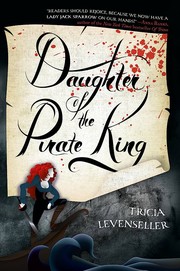
Daughter of the Pirate King
2,156-word summary 10 min read 320 pages in the book
- First published
- 2017
- Publisher
- Feiwel and Friends
- Pages
- 320
- ISBN
- 9781250095961
- Series
- Daughter of the Pirate King (#1)
Reading options
What's inside (7 sections)
I grabbed this one after a run of heavy literary books because I wanted swords, sea air, and banter. Daughter of the Pirate King by Tricia Levenseller was first published on February 28, 2017 by Feiwel and Friends, a 320 page hardcover with ISBN 9781250095961. It is book one of a duology about Alosa, followed by Daughter of the Siren Queen. I finished it in two sittings, mostly grinning, with a few pauses where the plot asked me to take its pirates more seriously than I expected.
Alosa is nineteen, captain daughter of the notorious Pirate King, raised to fight, steal, and lead. Her mission in this book is simple to state and fun to watch. Let herself be captured by rival pirates on the Night Farer, search their ship for a piece of an old map to a siren treasure island, and survive until her own crew picks her up. She is good at all three, which is the pleasure. She picks locks, picks fights, and picks at the calm first mate who runs the enemy ship.
That first mate is Riden. Young, strict, handsome in a tired way, loyal to his older brother Draxen, who captains the Night Farer through fear. Riden keeps logs, keeps order, and keeps catching Alosa where she should not be. Their sparring, verbal and physical, drives the middle. Insults at dinner. Sword practice that turns half serious. A slow respect that neither wants to name.
Taken on purpose
The opening is a clean hook. Alosa ship finds the Night Farer, Alosa fights just badly enough to lose, and wakes in a brig with her hands tied and her mind already mapping the ship. Levenseller writes captivity as a puzzle. Where do they keep charts. Who holds keys. Which sailor drinks and talks. Alosa notes everything while playing the bored noble prisoner.
Her crew is waiting at a rendezvous, led by her first mate Enwen and a loyal band who trust her plan. That trust matters because Alosa plan looks reckless from outside. She counts on Draxen arrogance. He loves showing off a prize captive, parading her on deck, threatening her to impress his men. Each parade gives Alosa a look at another cabin, another lock, another routine.
Draxen is brutal in a plain way. He hits to make a point, starves to soften, and laughs when his men laugh. Levenseller does not soften him into a misunderstood rogue. He kills prisoners, abuses his brother, and wants the siren island for gold and power. That clarity helps. You never wonder who to root against.
Riden is more layered. He dislikes Draxen cruelty but obeys because family and code leave little room. He runs a tight ship, hates waste, and is genuinely good at navigation and discipline. His logs show a mind that wants order on a lawless sea. Alosa needles that order. She leaves a rope coiled wrong. She asks why a smart man follows a stupid order. He answers with duty. She hears the doubt under it.
I liked how competent Alosa is without the book pretending competence solves everything. She escapes her cell fast, finds hiding spots, steals food. But a ship at sea is a closed box. She cannot vanish. Every win has a cost. A guard notices a missing pin. Draxen moves the map. Riden increases watches. The tension comes from small slips, not grand battles.
One fair note. The capture plan relies on enemies acting exactly stupid enough. If Draxen had searched her more thoroughly or locked her with iron instead of rope, the book would be short. I went with it because pirate adventure runs on that kind of luck, but readers who want airtight tradecraft may snort.
Searching the Night Farer
The middle is a search story disguised as a romance. Alosa hunts the map piece while pretending to be broken in. She charms the cook for extra bread and gossip. She befriends a young sailor who misses home. She fights on deck when ordered to prove she is harmless, then wins just enough to earn contempt and attention. All the while she listens for where Draxen hides paper. Captains keep secrets near sleep, she reasons. Behind panels, under bunks, inside hollowed books.
Riden watches her the whole time. He catches her in the chart room once and lets her talk her way out with a lie about seasickness and fresh air. He catches her near the captain cabin and assigns her to peel potatoes where he can see her. Their talks during those chores are the best pages. He asks about her father. She lies brightly. She asks about his mother. He goes quiet. Both are performing and both know it.
Levenseller paces these scenes with short chapters and cliffhanger beats. A key turns. A boot sounds. A door that should be locked is open. It reads fast. I finished a third of the book in one train ride because each chapter ends with a small pull. Not cheap twists, just the next step in a search. Where is the key now. Who took the log.
The map lore builds slowly. Three pieces, siren made, pointing to an island called Canta that does not stay on charts. Sailors whisper that sirens guard it and that men who hear them walk smiling into water. Alosa knows more than she says here, which the book hints through her headaches around singing and her care with fresh water. Readers of the title and cover will guess her secret early. The fun is watching Riden miss it because he respects her as a fighter and cannot imagine the rest.
A criticism that fits here. The crew of the Night Farer blur together except for Riden, Draxen, and one or two kind sailors. Names come and go during fights and watches. I kept a mental list of only five. That is enough for the plot, but the ship feels smaller than a real crew. Alosa own crew, when they appear, have sharper voices in fewer pages, which suggests Levenseller can do ensemble when she wants.
Still, the search pays off. Alosa finds the piece sewn into a coat lining, copies it in haste, and hides the copy where even a strip search would miss. The sequence where she works by lantern light while Riden does rounds above is genuinely tense. Footsteps, breathing, a dropped needle. I held my breath.
Siren blood
The book turn is Alosa heritage. She is part siren through her mother, which gives her a voice that can compel men and a body that heals fast in seawater. Her father the Pirate King has used that gift as a tool, sending her on missions and keeping her leashed with stories about duty and family. Alosa loves him and fears becoming his instrument.
Levenseller reveals this in layers. First small signs. Alosa humming to calm herself in the brig and a guard going glassy eyed. Alosa cut in a fight and the wound closing after a swim. Then a full memory of her mother on a beach, singing to the tide, warning her to choose who hears her. By the time Alosa uses her voice on purpose to stop an assault, the power feels earned and scary rather than convenient.
This is where the book gets better than its pirate romp promise. Alosa control is the theme. Draxen wants to control her body through chains. Her father wants to control her gift through loyalty. Riden, to his credit, starts to see her as a person to negotiate with rather than a prize to guard, though he does not know the full truth yet. Alosa test for everyone is simple. Do you listen when I say no singing, no deal.
The siren action scenes work because they have limits. Her voice tires her. It fails on strong willed people if she is hurt. It draws attention she cannot afford. In one strong sequence, she must sing to save herself from drowning sailors without letting Riden realize what she is. She pitches it as screaming, coughs blood after, and passes it off as panic. The cost keeps the magic from breaking the plot.
Some readers may wish the siren world was deeper already. Canta stays legend in this volume, glimpsed in map lines and sailor songs. That is by design for a duology. Book one is heist and setup. Book two pays off the island. If you need full mythology now, you will feel shorted. I did not, because the character work carried me.
A note on consent, since siren mind control raises it. Levenseller keeps Alosa careful. She uses the voice to escape and to stop violence, not to manufacture affection. Riden feelings grow through talks and fights, not song. That choice keeps the romance readable. You can trust his regard is his own.
Riden and Alosa
The romance is slow burn with sharp edges. They start as captor and captive, which the book never pretends is cute. Alosa hates the brig. Riden hates what Draxen orders him to do to her. Their early talks are negotiations. Food for information. Deck time for good behavior. Both lie.
What shifts them is competence. Riden sees Alosa disarm a bully without showing off. Alosa sees Riden navigate through a storm without shouting. Professionals recognize each other. Then humor slips in. She names his logbook his true love. He calls her the worst prisoner in history because she complains about the food with such detail. The banter is light but grounded in respect.
There is a sword training scene that does a lot of work. Riden agrees to drill her to keep her busy. They circle, trade forms, and talk about brothers and fathers. He admits Draxen was once kinder. She admits her father is not the hero songs claim. Neither confesses all. Both leave sweaty and thoughtful. It is the pirate equivalent of a long walk, and it works.
Physical attraction is present but chaste. A hand on a wrist to correct grip. A look held too long over cards. A rescue where he steadies her and steps back fast. Young teen readers can enjoy the tension without awkwardness, and older readers will find it sweet rather than thin. The stakes stay on freedom, not only feelings.
My one wish is more time with Alosa female friendships. Her crew includes capable women, but they are offstage most of this book by design. The Night Farer is male heavy and hostile. That isolation suits the plot but leaves Alosa without a confidante for long stretches. Her internal voice carries it, wry and practical, but a letter smuggled to her crew or a memory scene with her mother would have added warmth. Book two fixes this, I hear.
Mutiny, map, and terms
The last act moves fast. Alosa crew arrives, Draxen springs his trap, and the Night Farer becomes a battlefield of cut ropes, smoke, and close quarters fighting. Levenseller writes action clearly. Short sentences. Clear space. You always know who is on which stair. Alosa fights Draxen men with knives and wit, Riden has to choose between brother blood and ship justice, and the map piece changes hands twice in five pages.
Riden choice is the emotional climax more than any duel. He sees Draxen order a killing that breaks pirate code and his own sense of order. He steps aside, then steps in, and pays for it. Alosa sees the cost and offers him a way out that is not charity. Work the ship with us until debts are settled. He accepts because he has nowhere else and because he wants to learn what kind of captain Alosa will be when free.
Alosa final move with her father lands the theme. She returns with the map piece but refuses to hand over full control. She names her terms. Her crew, her ship, her say on Canta. The Pirate King laughs, threatens, and yields a little, which tells you everything about their bond. Love mixed with use. She leaves stronger but not free, which is honest for book one.
The ending sets up the siren island without cheating. We have one piece, hints of two more, a fractured enemy crew, and a heroine who knows her voice is both weapon and chain. Riden sails with Alosa under watch, half prisoner half ally, which promises good friction next time. I closed the book satisfied and reached for the sequel summary in my head. That is exactly what a first duology book should do.
If you want a fast, clean adventure with a capable heroine, start here. Do not expect grim realism or deep naval history. Expect clever escapes, sharp talk, and a heroine learning to set terms. Read on a weekend, enjoy the sea wind, and pay attention when Alosa goes quiet. That is when she is most dangerous, and most herself.
FAQ
When was Daughter of the Pirate King published?
Feiwel and Friends published it on February 28, 2017. It runs 320 pages and the hardcover ISBN is 9781250095961.
Is it part of a series?
Yes. It is book one of a duology, followed by Daughter of the Siren Queen. This volume has its own mission and ending.
What age is it for?
Ages thirteen and up is common. It has sword fights, threats, and slow burn romance without explicit scenes.
Similar books
More from Daughter of the Pirate King first, then related titles.
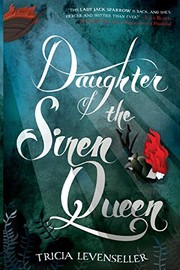
Daughter of the Siren Queen
Alosa hunts the last map pieces toward Isla de Canta while defying her father Kalligan, facing her brother Draxen, and choosing her loyal crew and Riden at…
2,643-word summary · 12 min read

Fable
Abandoned on a lawless island at fourteen, Fable spends four years diving for gems to buy passage off it, straight into the cutthroat trade of the Narrows.
2,320-word summary · 10 min read

Vow of Thieves
Kazi and Jase return to Tor's Watch to find it occupied, and their marriage is tested by captivity, betrayal, and a war for the town of Hell's Mouth.
2,059-word summary · 9 min read

Archenemies
Nova steals for the Anarchists while Adrian hides his Sentinel identity, and a serum that erases prodigy powers puts them both at risk.
2,485-word summary · 11 min read

The Rose & the Dagger
Shahrzad is pulled from her Caliph husband and left in a desert camp of rebels, needing to break his curse and end a war before it ends her.
2,520-word summary · 11 min read

We Hunt the Flame
In a fractured Arabia-inspired world, a disguised huntress and a prince-assassin race to find a magic-restoring book and confront an ancient evil.
2,195-word summary · 10 min read

Lore
Lore Perseous, the last of a hunted bloodline, is pulled back into the Agon when a wounded Athena offers her revenge against the god who killed her family.
2,188-word summary · 10 min read

The Winner's Curse
An aristocratic girl buys a slave who is secretly a prince plotting rebellion.
2,124-word summary · 9 min read

The Iron Queen
Meghan faces the Iron King past while Ash pays a winter price.
2,548-word summary · 11 min read

A Winter's Promise
Ophelia reads objects and is sent to marry Thorn on a cold ark.
2,502-word summary · 11 min read

Daughter of No Worlds
A former slave with rare magic hires exiled warrior Max to train her for a daring rescue, sparking slow burn love and wider war in this big 520-page fantasy…
2,529-word summary · 11 min read

The Iron Daughter
Exiled with Ash after the scepter theft, Meghan hunts the Iron stronghold as iron magic wakes inside her.
2,995-word summary · 13 min read

Strange the Dreamer
Orphan librarian Lazlo Strange joins a quest to the lost city of Weep, where blue-skinned godspawn haunt dreams.
2,221-word summary · 10 min read

The Kiss of Deception
Princess Lia flees an arranged marriage and hides in a village, unaware one stranger is a prince and the other an assassin.
2,196-word summary · 10 min read
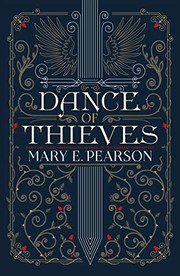
Dance of Thieves
Queen's thief Kazi infiltrates Ballenger lands while young leader Jase plays her right back.
2,005-word summary · 9 min read

Poison Study
Sentenced to die, Yelena becomes the Commander's poison taster and learns survival in Ixia has a daily price.
2,501-word summary · 11 min read
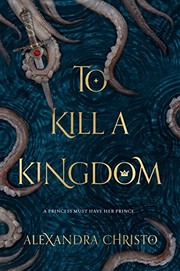
To Kill a Kingdom
A siren princess turned human must steal a siren-hunting prince's heart to win back the sea.
2,248-word summary · 10 min read

Fire
A human monster who reads minds is pulled into war in the Dells and must decide how to use her power.
2,727-word summary · 12 min read

The Iron King
Meghan Chase follows her stolen brother into the Nevernever and bargains with a Winter prince to face the Iron King.
2,720-word summary · 12 min read

Finale
Sisters face waking Fates with debts due, loving princes, and choices that break immortal math.
1,995-word summary · 9 min read

City of Heavenly Fire
Clary and Jace face Sebastian's dark army while Emma and Julian's story begins in Los Angeles.
2,039-word summary · 9 min read
Graceling
Katsa, Graced with killing, breaks from her uncle's use of her and follows a kidnapped prince toward a hidden king.
2,517-word summary · 11 min read

Clockwork Princess
Tessa chooses between Jem and Will as Mortmain's clockwork army closes on the London Institute.
3,289-word summary · 15 min read

City of Glass
Clary follows Jace to Alicante in Idris where Valentine plans to use the Soul-Sword on Shadowhunters and the Clave splits under pressure.
3,645-word summary · 16 min read

City of Ashes
Clary risks the Clave trial while Valentine raises demons and Jace pulls away in New York.
4,684-word summary · 21 min read

City of Bones
City of Bones retold: Clary sees Shadowhunters, Jace and the Cup, Valentine, and the Institute attack.
2,535-word summary · 11 min read

A Court of Thorns and Roses
Sarah J. Maas's A Court of Thorns and Roses retold: Feyre, Tamlin's Spring Court, the curse, and the trials Under the Mountain.
2,442-word summary · 11 min read
A Court of Mist and Fury
ACOTAR book 2 retold: Feyre in the Spring Court, the bargain with Rhysand, Velaris, and war with Hybern.
2,218-word summary · 10 min read
The Shadows Between Us
Alessandra plans to woo the Shadow King, marry him, and kill him for his throne, then finds someone else wants him dead first.
2,571-word summary · 11 min read

The Thief
A boastful young thief is pulled from a prison to steal a legendary stone for the king's magus, and the story he tells about himself is not the whole story.
2,514-word summary · 11 min read