
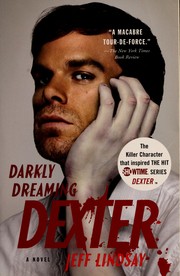
Darkly Dreaming Dexter
1,927-word summary 9 min read 288 pages in the book
- First published
- 2004
- Publisher
- Doubleday
- Pages
- 288
- ISBN
- 9780385511230
- Series
- Dexter (#1)
Reading options
What's inside (6 sections)
I watched the show first, which made the book stranger and better in different ways. Darkly Dreaming Dexter by Jeff Lindsay was first published in July 2004 by Doubleday, a 288 page hardcover with ISBN 9780385511230. It is book one of the Dexter series. Dexter Morgan works as a blood spatter analyst for Miami police and kills killers at night by a code his adoptive father taught him. I read it in three nights, queasy and fascinated, because Dexter voice is polite, funny, and utterly empty in a way TV softened.
Dexter narrates. He calls himself a monster with a hobby. As a child he killed animals. Harry Morgan, cop father, recognized the urge and trained it. Kill only killers who escape justice. Be sure. Be clean. Leave no trace. Take blood slides as trophies. Blend in with jokes and donuts. Dexter follows the code while feeling nothing most people feel. No love. No grief. Only curiosity and a Dark Passenger that whispers when moon is right.
At the start, Miami has a new predator who drains bodies and leaves them posed without blood. Dexter is called to spatter scenes where there is almost no spatter, which offends his craft. His sister Deborah, a patrol cop desperate for homicide, drags him for insight. She wants respect. He wants a look at someone who kills like he does but wrong. The killer starts leaving messages for Dexter specifically. Photos. Doll parts. Invitations.
Code and coworkers
Miami Metro feels real through Dexter outsider eyes. LaGuerta, ambitious and political. Doakes, ex special forces who smells Dexter is off. Masuka, crude and kind about lab work. Angel, decent and tired. Deborah, fierce and overlooked because she is a woman who will not flatter. Dexter mimics normal by bringing donuts, laughing at jokes half a beat late, and dating Rita to look human.
Rita is key to book Dexter difference from show. A single mother of two, abused by an ex, shy about sex, perfect cover because she does not demand passion Dexter cannot fake. He likes her kids, Cody and Astor, who sense his otherness and approve. He helps with school runs and leaky faucets. It is performance that becomes almost fondness, though Dexter insists he feels nothing. That almost is the crack the series will widen.
Harry code gets full explanation here. Not just rules, but training. How to find killers police miss. How to check proof beyond doubt. How to take them without witnesses. How to dismember on a boat. How to smile at court the next day. Flashbacks show Harry teaching teen Dexter to hunt alligators first, to control urge, to choose victims who free the world of worse. Harry died believing he made a useful monster. Dexter doubts it nightly but obeys because structure beats chaos.
Deborah arc drives plot and theme. She wants into homicide and will risk everything for a case. She uses Dexter lab access, flirts with suspects, and confronts captains. Dexter admires her hunger while fearing it will expose him. Their sibling talks, in cars and morgues, are the warmest pages. She tells him about their mother death. He pretends to feel and almost does. When she gets taken by the killer because she pushed alone, Dexter must decide whether code allows rescue that risks exposure. He goes, which tells you something his narration denies. He cares.
A fair warning. Violence is blunt and frequent. Dismemberment described as procedure. Victims posed. Kids in danger. If you need content notes, this is not cozy crime. Lindsay writes gore with technician calm, which is the point and the problem. Some readers will find Dexter charm wears thin under blood. I did in one workshop scene and skimmed a paragraph. The psychology kept me, not the spray.
The other killer
The antagonist, who fans will recognize but new readers should meet fresh, kills differently from Dexter. No code. Drains blood to drink or to save. Leaves bodies like art. Taunts police with clean scenes. Most importantly, he recognizes Dexter. Not as cop, but as kin. Notes that say I see you. Calls that breathe. A meeting in a container yard where he offers partnership. Come with me. We are same.
Lindsay stages these contacts with dread rather than action. A photo of Dexter sleeping. A blood slide missing from his box. A laugh on the phone that sounds like his own inner voice externalized. Dexter, who prides himself on control, panics for the first time in years. The Passenger, usually a whisper he steers, screams to answer. That loss of control scares him more than prison. Who is he without code.
The reveal of who the killer is to Dexter personally lands hard because Harry code was built to protect family. Without spoiling for new readers, the killer shares blood and history that Harry hid. Their mother death, which Dexter remembers as a container of blood, gets recontextualized. Harry chose one boy to save with code and left another to rot without it. That choice explains both monsters and indicts the maker. Dexter must face that his code is not justice. It is parenting by a tired cop who did his best and failed one son.
Their final encounter in a cold storage room is intimate and awful. No police backup. No clever tech. Just two brothers with knives and old grief. Dexter wins by using the code Harry taught, plus something Harry did not teach. Need for Deborah. He chooses sister over brother in blood, which breaks his claim of feeling nothing. He tells himself it was practical. Readers will know better. That gap between narration and action is the series engine.
If there is a flaw, it is pacing of middle lab chapters where Dexter analyzes spatter at length to show craft. Interesting once, repetitive twice. I skimmed one blood drying timeline and missed nothing. The payoff, when lack of spatter becomes the clue, justifies some detail. Still, tighter forensics would have helped momentum between taunts.
What the book says about masks
The ending diverges from the show in ways book fans cherish. No neat arrest that saves Dexter reputation. Instead, exposure narrowly avoided, bodies explained away, and a private cost that cannot be filed. Deborah learns enough to look at Dexter differently without fully knowing. Rita learns less but senses more. Doakes gets closer, setting up book two heat. Dexter keeps his job and his slides, but loses the certainty that code makes him good.
What stays with me is Lindsay argument about performance. Everyone in Miami wears a mask. LaGuerta wears ambition. Doakes wears anger. Deborah wears toughness. Dexter mask is just more conscious. By showing his effort to mimic laughs and lunches, Lindsay reveals how much social life is mimicry for all. The difference is most people feel something under mask. Dexter feels quiet. That quiet, described without self pity, is chilling and oddly sympathetic. Who has not felt empty at a party and faked a smile.
Rita, kids, and the almost human
Rita Bennett deserves a section because she is the book moral test Dexter keeps failing and passing in small ways. A single mother of Cody and Astor, survivor of a violent ex, shy about intimacy to a degree that suits Dexter cover perfectly. Early dates are awkward in sweet ways. Movies she sleeps through from exhaustion. Dinners interrupted by kid nosebleeds. Dexter helps with practical calm. Fixes a toilet. Drives to practice. He notes that helping feels almost good, which confuses him more than blood does.
Cody and Astor see Dexter clearly in the way kids see outsiders. Astor tests him with rudeness to see if he leaves like other men. He stays and teaches her to tie a knot. Cody watches Dexter hands and asks if he hunts. Dexter lies badly and Cody smiles like he knows. Their acceptance matters because they are not fooled by donuts. They sense the Passenger and are not scared, which both comforts and warns. If kids recognize you, how long before Doakes does.
Deborah and Rita contrast shows Dexter split. Deborah demands he be braver, to break rules for justice. Rita asks him to be gentler, to stay for cake. He tries both and fails both by lying. A scene where he misses a school play because a kill ran long, then brings ice cream as apology, sums it. Kind gesture built on murder schedule. Rita thanks him. Readers feel sick and fond at once. That doubled feeling is the book power. You root for a monster to make the play next time.
Doakes pressure adds heat that the show stretched longer. Here he is immediate. A former special forces man who watches Dexter hands during autopsies. He follows him to bars and docks. He tells LaGuerta outright that the lab geek is wrong. Dexter must perform normal harder around him, which is exhausting and funny. Buying extra donuts. Laughing too loud. Doakes sees through each donut. Their stalemate sets up future books without resolving here, which is fine. Not every hunter needs catching in volume one.
Miami itself functions as a humid pressure cooker that Lindsay uses well. Heat that makes blood dry fast and tempers dry faster. Hurricanes that close labs and open opportunities for killers who watch weather reports. Nightclubs where bass covers screams. Trailer parks where no one calls police about smells. Dexter drives these streets with a cooler of tools, noting which neighborhoods notice strange cars. That local knowledge, learned from Harry patrol stories, keeps him ahead of transplants who underestimate the city.
Lab work details add procedural credibility that balances the outlandish POV. How luminol reacts to bleach. Why spatter on tile differs from drywall. How chain of custody fails when cops get lazy. Masuka, crude but skilled, teaches Dexter shortcuts while missing the larger pattern about his colleague. Those shop talks show Dexter as competent at his day job, not only at night work. He likes the puzzle of spray even when it has nothing to do with his hunger. Work as refuge is relatable even when worker is not. A late chapter where he stays late to recheck a slide that could free an innocent man shows the code working as intended for once. He saves someone by being careful at work, not by killing after. That small save complicates his claim of emptiness more than any speech. I also liked a brief morgue scene where Dexter covers a Jane Doe with a sheet gently after techs joke. No one thanks him. He does not log it. For a page, the mask slips toward care without code telling him to. Those flickers keep the series from being only clever gore. They suggest a person forming under the procedure. Even Dexter donut runs read differently after. Sugar as social tax paid gladly to stay near people who might one day catch him and still bring him coffee in the interview room.
Read it if you like serial killer POV with dark humor and can handle gore with care. It pairs badly with meals and well with true crime podcasts about procedure. Do not expect Showtime Dexter. Book Dexter is colder, funnier, and less romantic. Cody and Astor are stranger. Rita is more fragile. LaGuerta is sharper. By the last page you will understand why the series ran long. The question is not will Dexter get caught. It is will he ever feel caught enough to stop. The Passenger whispers no. Part of you will hope it is wrong.
FAQ
When was Darkly Dreaming Dexter published?
Doubleday published it in July 2004. It runs 288 pages and the hardcover ISBN is 9780385511230.
Is it part of a series?
Yes. It is book one of the Dexter series, followed by Dearly Devoted Dexter. The show adapts it loosely.
Similar books
More from Dexter first, then related titles.
Kiss the Girls
Cross hunts Casanova kidnapping women including niece Naomi.
2,397-word summary · 11 min read

What She Knew
Rachel lets her eight-year-old son run ahead in a Bristol park, and the nine-day search turns her into a suspect in the public eye.
2,952-word summary · 13 min read

The Beach House
A young valet is beaten to death at a Hamptons party, and his law-student brother spends a year building a case against the family that covered it up.
2,049-word summary · 9 min read

Six Years
A professor who promised to forget the woman he loved sees her husband's obituary and discovers that the wedding, the marriage, and the woman herself may never…
2,076-word summary · 9 min read

The Trespasser
A Dublin Murder Squad detective investigates a staged dinner-party killing and finds a cover-up that reaches into her own department.
2,051-word summary · 9 min read

Rules of Prey
Minneapolis detective Lucas Davenport hunts a killer who leaves a new rule at every scene and treats murder as a game of wits.
1,914-word summary · 9 min read

The Late Show
Exiled to the LAPD night shift after accusing her supervisor, Renée Ballard keeps two cases that were meant to be handed off at dawn: a brutal assault and a…
2,563-word summary · 11 min read

4th of July
Lindsay Boxer shoots two armed teenagers in self-defense, faces a wrongful-death trial, and spends her leave chasing a string of throat-slashing murders in…
2,192-word summary · 10 min read
The Camel Club
Four Washington misfits witness a murder on Roosevelt Island and stumble into a conspiracy that reaches the Oval Office, with a hostage president and a nuclear…
2,354-word summary · 10 min read

61 Hours
A bus crash strands Jack Reacher in a snowbound South Dakota town where a drug gang, a corrupt police force, and a single witness are on a collision course.
2,227-word summary · 10 min read
The Last Mile
Melvin Mars is hours from execution for his parents' murder when another man confesses, and FBI cold case detective Amos Decker goes looking for the trap.
2,746-word summary · 12 min read

Still Missing
A realtor is abducted at a Vancouver Island open house and held for more than a year. Told through therapy sessions, the novel follows her escape and the hunt…
2,466-word summary · 11 min read

Bad Luck and Trouble
A deposit of $1,030 summons Jack Reacher back to his old army unit, which is being picked off one name at a time.
2,366-word summary · 11 min read

3rd Degree
The third Women's Murder Club novel follows a San Francisco terror cell and a three-day killing schedule, and it costs the club a member.
2,685-word summary · 12 min read

Worth Dying For
Reacher stops for one night in rural Nebraska and finds a family that runs the county, a missing girl and a shipment worth killing for.
2,021-word summary · 9 min read

Say You're Sorry
A widowed prosecutor defends the teenager accused of killing her babysitter, uncovering a small town's secrets and a killer hiding in plain sight.
2,116-word summary · 9 min read
Finlay Donovan Knocks 'Em Dead
Someone has put a contract on Finlay Donovan's ex-husband, and the novelist and her nanny have to find the hitman before the school pickup.
1,990-word summary · 9 min read

Echo Burning
Reacher hitches a ride with a Texas woman who wants her abusive husband killed, then has to prove she did not murder him when he comes home.
2,209-word summary · 10 min read
The Survivors
Kieran Elliott returns to Evelyn Bay twelve years after a storm killed his brother, and a young woman's murder forces the town to face what it has concealed.
2,571-word summary · 11 min read

Girl, Forgotten
A rookie US marshal guards a judge with a stalker and ends up reopening the 1982 prom-night murder of the judge's pregnant daughter.
2,111-word summary · 9 min read

The Woods
Twenty years after two teenagers were murdered and two vanished at summer camp, prosecutor Paul Copeland identifies a fresh corpse as one of the missing.
2,490-word summary · 11 min read
The Redbreast
Harry Hole chases an ageing sniper through modern Oslo while two Norwegian volunteers on the Eastern Front carry a fifty-year-old betrayal toward a royal…
2,453-word summary · 11 min read
The Poet
A crime reporter investigates his twin brother's apparent suicide and uncovers a killer who leaves Edgar Allan Poe quotes behind, in the novel that took…
2,020-word summary · 9 min read
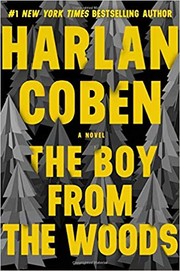
The Boy from the Woods
Wilde, found feral in a New Jersey forest in 1986, hunts for a missing teenager while a senator's secrets tear a wealthy town apart.
2,270-word summary · 10 min read

Razorblade Tears
Two ex-con fathers, one Black and one white, hunt their murdered sons' killers in a Richmond that never gave the boys a fair shake.
2,880-word summary · 13 min read

Broken Harbor
A family is found slaughtered in a half-built Dublin estate where no one broke in, and star detective Scorcher Kennedy must explain the holes in the walls.
2,308-word summary · 10 min read
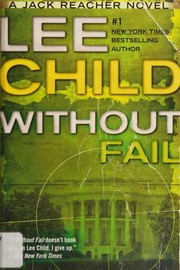
Without Fail
Reacher is asked to test vice presidential security by planning to kill.
2,084-word summary · 9 min read
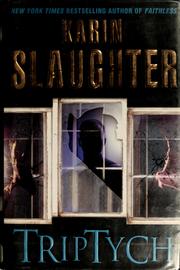
Triptych
A GBI agent with dyslexia hunts a rapist while two Atlanta cops hide pasts.
2,576-word summary · 11 min read
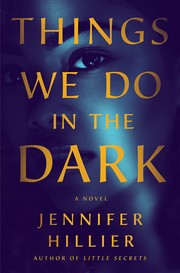
Things We Do in the Dark
A comedian kills her husband, then a podcaster digs up her teen murder past.
2,427-word summary · 11 min read

The Widow
A widow of a suspected criminal faces reporters and police while hiding what her marriage really cost.
2,599-word summary · 12 min read