
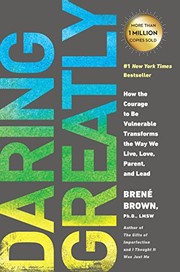
Daring Greatly: How the Courage to Be Vulnerable Transforms the Way We Live, Love, Parent, and Lead
2,062-word summary 9 min read 320 pages in the book
- First published
- 2012
- Publisher
- Gotham Books
- Pages
- 320
- ISBN
- 9781592408412
Reading options
What's inside (12 sections)
I read Daring Greatly on a plane next to a man who laughed at the title, then asked to borrow it halfway through. Brené Brown published it with Gotham Books in 2012, a 320 page nonfiction book with ISBN 9781592408412. A shame researcher who spent a decade interviewing thousands of people argues that vulnerability, uncertainty plus emotional risk, is not weakness but the birthplace of love, belonging, and creativity. The book moves through homes, schools, and workplaces showing how shame grows in secrecy and how empathy, boundaries, and ordinary courage shrink it. It is earnest, repetitive in the way useful books are, and more practical than its cover promises.
Brown opens with the arena. A Theodore Roosevelt quote about the man in the arena whose face is marred by dust and sweat, contrasted with critics in cheap seats. She tells her own arena story first. A TED talk on vulnerability that went viral, followed by comments calling her fat, fake, and unqualified. She wanted to quit. Her therapist told her to stay. That frame matters because Brown never writes from above. She is a researcher who hates uncertainty, a parent who micromanages playdates, a manager who once led through shame without knowing it. Her failures are data. She shares them before asking you to share yours.
Shame versus guilt
The core distinction is clean and worth the price alone. Guilt says I did something bad. Shame says I am bad. Guilt can change behavior. Shame corrodes the self that would change. Brown maps how shame needs three things to grow. Secrecy. Silence. Judgment. Empathy is the antidote, but only the right kind. Not fixing. Not comparing. Just staying with someone in the feeling and saying me too. She gives language for what most families do instead. Gold plating. Minimizing. Blaming. Those moves feel helpful and land as judgment. The book practices better sentences. I hear you. That sounds hard. Tell me more. Simple lines, hard to say when someone we love is hurting and we want it fixed by dinner.
Brown grounds shame in twelve categories from her interviews. Appearance. Money. Work. Parenting. Sex. Aging. Religion. Surviving trauma. Being stereotyped. Each gets stories rather than stats. A man who will not cry at his father funeral because real men handle it. A woman who hides debt while posting vacations. A teacher shamed for caring too much. The point is not trauma ranking but recognition. Everyone has a shame trigger that says you are not enough. Naming yours out loud to one safe person loosens it. That is the whole method. Name it. Share it. Let empathy in.
Wholehearted living
The middle chapters describe people Brown calls wholehearted, not perfect but resilient. They share habits. Courage to be imperfect. Compassion for self first. Connection as result rather than goal. They practice boundaries, saying no without guilt scripts. They rest without earning it. They accept that joy comes with foreboding, the fear that good things will be taken, and they practice gratitude to stay present anyway. Brown is careful to say this is practice, not arrival. She still rehearses failure conversations in the shower. Her husband still calls her out for managing the kids through fear. The honesty keeps the book from becoming poster talk. Wholehearted is a direction walked badly on most days.
Vulnerability myths get a chapter each. Vulnerability is weakness. Expose it. Brown counters with stories from soldiers, engineers, and teachers who show that asking for help, admitting mistakes, and trying new things are the only paths to innovation. Numbing is the villain. We cannot numb shame without numbing joy, she argues, so the wine, food, scrolling, and sarcasm we use to take the edge off also take the color out. The alternative is not raw exposure to everyone. It is choosing who earns the story. Share with people who earned the right to hear it by living their own arena. Boundaries are part of daring, not its opposite.
Work and school
The workplace chapters hit hardest for managers. Brown shows how shame based leadership looks. Blame emails. Feedback that humiliates. Credit taken upstairs. Fear disguised as standards. She contrasts it with daring cultures where leaders model fallibility. Admit a bad call in a meeting. Ask what the team learned from a failed launch. Give feedback that names behavior without attacking worth. She includes checklists without making them rigid. Normalize discomfort. Expect it in change. Do not use shame as engagement. The stories from soldiers and school principals carry weight because they involve lives rather than quarters. A commander who debriefs mistakes without punishment gets more truth next mission. A principal who visits classrooms to learn rather than catch gets better teaching.
Parenting gets the same treatment with more tenderness. Brown admits she shears off her children fear by overmanaging friendships, snacks, and risks. She learns to let them struggle while holding worth steady. You are imperfect and enough. Say it to kids and to yourself. Let them see you apologize after yelling. That apology teaches more than perfection would. Schools get a parallel message. Punishing vulnerability with grades for participation while mocking wrong answers trains silence. Rewarding questions, drafts, and revision trains daring. None of this is new to good teachers. Brown gives them research language to defend it to boards.
What works and what strains
What works is research translated without dumbing. Brown quotes interviews at length, shows coding methods briefly, and admits where data ends and story begins. The arena metaphor, though repeated, holds across homes and offices because it names the same fear. Being seen trying and failing. Her humor helps. Texas stories about church signs, football, and family group texts keep 320 pages moving. Exercises at chapter ends are actually usable. Write your shame triggers. List who earns your story. Practice one boundary this week. Readers who do them get more than readers who skim.
The strain is repetition and scope. Brown circles the same definitions across chapters, which aids learning but tries patience on a straight read. Take it in sittings rather than one flight. The book also leans corporate in late chapters, with language about daring leadership that fits large teams better than small shops or gig work. Gig workers cannot easily demand empathy from apps. Brown nods at systems but focuses on individuals. Critics who want structural analysis will find the lens narrow. Shame is also policy, not only psychology. The book knows this and stays personal anyway.
Who it is for
Read it if shame shuts you down at work or home, or if you lead people and want practical tools beyond slogans. It pairs well with The Gifts of Imperfection for self work and Rising Strong for failure recovery. Content notes are mild. Discussion of trauma, addiction, eating disorders, and military combat in interview excerpts, handled without graphic detail. Suitable for teens and up, most useful for adults managing others.
I finished with two practices stuck. First, the foreboding joy check. When good news makes me rehearse loss, I name it and list three gratitudes instead. Second, the story rumble. When I fail, I write what happened, the story I tell myself, and what I need to learn, then share it with one earned listener before fixing. Both sound small. Both changed weeks. Brown promises no transformation, only more moments in the arena with dust on your face. That is honest enough to trust. Dare once this week where you can be seen. See what happens when you stay.
A note on research
Brown research spans over a decade and thousands of interviews, coded with grounded theory methods she explains in appendices. Later work refined shame shields and added rumble tools. Critics debate generalizability across cultures. Brown samples skew American and female early on, broader later. Take the framework as map rather than territory. Test it in your arena. Keep what holds. Leave the rest in cheap seats.
The TED hangover
Brown TED story deserves a fuller telling because it explains her credibility. Her 2010 talk on vulnerability earned millions of views and thousands of comments praising and shredding her. Strangers dissected her weight, voice, and worth. She wanted to hide, to publish data without a face. A therapist told her to stay visible and to separate her worth from feedback. That advice became the book spine. You cannot study vulnerability while armoring yourself against it. Brown kept speaking, kept researching, and turned comments into field notes about shame. Critics in cheap seats shout loudest when you step into light. The arena quote stopped being decoration and became instruction. Show up. Be seen. Answer only to those also bleeding.
Shame shields
Later chapters map how we armor when shame hits. Three shields. Moving away by withdrawing and silencing ourselves. Moving toward by people pleasing and proving. Moving against by fighting and shaming back. Brown admits she uses all three. She withdraws from hard talks with her husband. She overprepares lectures to prove worth. She snaps at staff when scared. Naming the shield in the moment loosens it. I am moving away right now, she tells her team. I need ten minutes and I will return. That sentence, practiced in advance, saves meetings. Readers can copy it directly. Name the move. State the need. Return as promised. Trust builds from kept returns rather than perfect presence. The shields never vanish. They become visible, which is enough to choose differently most days.
The wholehearted parent
Brown parenting chapters hit parents harder than any lecture because she includes her own failures. Yelling at her daughter over a school project. Micromanaging playdates to prevent exclusion. Using achievement as proof of worth in front of children who hear the message. She models repair rather than perfection. Apologizing to her kids without excuses. Naming the shield she used. Asking what they needed instead. That repair teaches more than any rule. Children learn that adults err and return. Worth stays steady through mistakes. The book also warns against gold plating childhood. Telling kids they are always special sets them up for shame when the world disagrees. Better to say you are worthy of love and belonging exactly as you are, struggles included. Say it when they fail a test. Say it when they act out. Mean it when it costs sleep. Parents who practice this report less perfectionism in teens, which is the outcome Brown research predicts. Connection first. Achievement second. Both survive the order.
Daring classrooms
Brown school stories deserve a closer look because teachers face shame daily. A third grader who stops raising hands after laughter. A teen who copies homework rather than asks for help. Brown argues classrooms run on the same physics as offices. Punish mistakes with humiliation and questions die. Greet mistakes with curiosity and thinking grows. She profiles teachers who keep shame out with simple moves. Answer every hand. Thank wrong answers for showing thinking. Let students revise without penalty. Those practices cost time and return engagement. Administrators who want test scores fast often punish the slow work that builds them. Brown gives those teachers data to defend daring. Engagement rises where shame falls. Keep the chart on your wall. Point to it when the board asks why kindness takes minutes.
Brown also tackles perfectionism directly, naming it as armor rather than virtue. Perfectionists fear judgment so they polish, delay, and hide drafts until praise is certain. That strategy backfires because praise for a mask never reaches the person. Brown suggests done beats perfect, shared early for feedback, revised in light. Her own books include stories she wanted to cut for looking weak. Keeping them made readers trust her. Try shipping one imperfect memo this week. Note who responds to honesty with help. Those are your arena people. Feed those bonds. Starve the critics who only comment on polish.
Brown closing image stays with me. A parent sitting with a child after failure, saying you are worthy of love right now, not after the grade improves. A manager telling a team the launch flopped and asking what they learned before blame lands. Those small stays build cultures where people risk more. Daring greatly never means winning greatly. It means showing up while outcome stays uncertain. The arena dust gets in your eyes. Wipe it. Stay for the next round. Someone watching will step in because you did.
FAQ
When was Daring Greatly published?
Gotham Books published it in 2012. The hardcover runs 320 pages and the ISBN is 9781592408412.
Who is in Daring Greatly?
No cast. Brown, her interview subjects, soldiers, parents, and managers.
Is it part of a series?
No. It stands alone between The Gifts of Imperfection and Rising Strong.
Similar books
Dare to Lead
Research on courage shows how leaders build trust through vulnerability and clear values.
2,442-word summary · 11 min read
Braving the Wilderness: The quest for true belonging and the courage to stand alone
Belonging to yourself first lets you stand alone and still stay close to others.
2,004-word summary · 9 min read

Think Again
Adam Grant argues for holding views loosely and testing them like a scientist, moving past preacher, prosecutor, and politician habits at work and in debate.
3,204-word summary · 14 min read
The Gifts of Imperfection
Shame research turned into ten guideposts for dropping perfectionism and living with courage and connection.
2,799-word summary · 12 min read

Sybil
A 1973 case study of a woman treated for multiple personalities, and the book that made dissociative identity disorder a household phrase.
2,054-word summary · 9 min read
Nudge: Improving Decisions About Health, Wealth, and Happiness
Thaler and Sunstein show how defaults, framing, and social cues steer choices, and argue for choice architecture with an opt-out.
3,146-word summary · 14 min read
What Happened to You?
Oprah Winfrey and psychiatrist Bruce Perry explain how early experience shapes the brain, and why asking what happened to someone works better than asking what…
2,238-word summary · 10 min read
The Courage to Be Disliked: The Japanese Phenomenon That Shows You How to Change Your Life and Achieve Real Happiness
A philosopher and an angry young man argue over five nights about Adlerian psychology, trauma, approval, and the freedom to be disliked.
2,054-word summary · 9 min read

Too Much and Never Enough: How My Family Created the World's Most Dangerous Man
Mary L. Trump's 2020 memoir traces how a cold, zero-sum Queens household shaped her uncle, and uses family tax documents to challenge his self-made story.
2,059-word summary · 9 min read

Moonwalking with Einstein: The Art and Science of Remembering Everything
A journalist spends a year training for the U.S. Memory Championship and discovers that extraordinary memory is mostly technique, attention, and a lot of…
2,027-word summary · 9 min read
The Total Money Makeover: A Proven Plan for Financial Fitness
Dave Ramsey lays out seven Baby Steps, from a $1,000 starter fund to a paid-off house, with the debt snowball at the center.
2,663-word summary · 12 min read
Don't Sweat the Small Stuff ... and It's All Small Stuff: Simple Ways to Keep the Little Things from Taking Over Your Life
Richard Carlson’s 1997 bestseller offers one hundred short chapters on lowering the volume on daily irritations, and it is more pragmatic than its title…
2,502-word summary · 11 min read
Made to Stick: Why Some Ideas Survive and Others Die
The Heath brothers break down why some ideas vanish on contact while others lodge in memory, tracing six traits that make a message stick.
2,527-word summary · 11 min read
Four Thousand Weeks: Time Management for Mortals
Oliver Burkeman turns the whole productivity project on its head, arguing that a human lifespan of roughly four thousand weeks is not a problem to optimize…
2,447-word summary · 11 min read
Cultish: The Language of Fanaticism
Amanda Montell argues that the real machinery of a cult is its vocabulary, and she traces how loaded language from 1960s communes to modern wellness brands and…
2,087-word summary · 9 min read
Beautiful Boy: A Father's Journey Through His Son's Addiction
David Sheff recounts watching his son Nic slide into meth addiction, and his own desperate, humbling search for how to help without destroying them both.
2,076-word summary · 9 min read
The Magic of Thinking Big
Schwartz's 1959 self-help classic argues that success follows from the size of your thinking, supported by sales anecdotes, vocabulary drills and goal setting.
2,579-word summary · 11 min read
Columbine
Ten years of reporting on the 1999 school massacre, including a journalist's correction of the myths he helped create in the first hours.
2,232-word summary · 10 min read
Creativity, Inc.: Overcoming the Unseen Forces That Stand in the Way of True Inspiration
Pixar's president on why the studio that made Toy Story nearly broke itself, and the daily habits that kept the creativity coming.
2,179-word summary · 10 min read
The Road Less Traveled: A New Psychology of Love, Traditional Values and Spiritual Growth
M. Scott Peck argues that maturity begins with accepting difficulty, then builds discipline, love, and spiritual growth through honest, often painful work.
2,200-word summary · 10 min read
The Hard Thing About Hard Things
A founder and CEO writes about the parts of running a company that no framework can fix, from layoffs and demotions to the loneliness of the job.
2,161-word summary · 10 min read

Smoke Gets in Your Eyes: And Other Lessons from the Crematory
A young medieval history graduate takes a job at an Oakland crematory and becomes a mortician, confronting the physical reality of death and the funeral…
2,003-word summary · 9 min read

Attached
A psychiatrist and a psychologist explain adult attachment styles and show how anxious, avoidant, and secure patterns shape dating, conflict, and the search…
2,157-word summary · 10 min read
All About Love: New Visions
bell hooks borrows a definition of love as an action rather than a feeling, then spends thirteen chapters showing how hard it is to practice.
2,385-word summary · 11 min read
What the Dog Saw and Other Adventures
Nineteen New Yorker essays on pitchmen, ketchup, Enron, profiling, late bloomers and the limits of prediction, arranged in three parts.
2,049-word summary · 9 min read
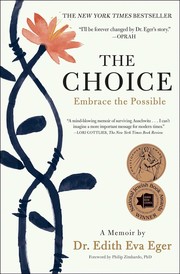
The Choice
Auschwitz survivor and therapist turns prison into a guide for healing.
2,472-word summary · 11 min read
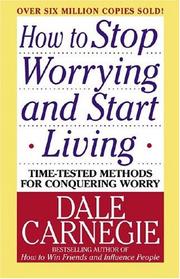
How to Stop Worrying and Start Living
Carnegie offers day-tight routines for worry built from interviews and worker stories.
2,505-word summary · 11 min read
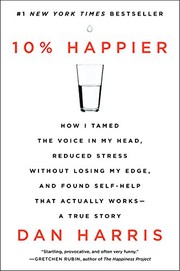
10% Happier
An ABC newsman panics on air, then finds meditation without losing his edge.
2,590-word summary · 12 min read
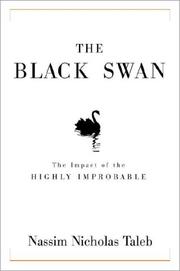
The Black Swan
Taleb argues rare shocks shape history more than models admit, and urges safer exposure over prediction.
2,588-word summary · 12 min read
Essentialism
McKeown argues for less but better: discern the vital few, refuse the trivial many, and use buffers, small wins, and steady routines so key work gets done well…
2,421-word summary · 11 min read