
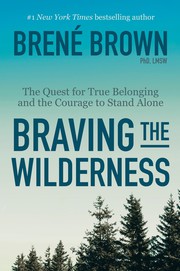
Braving the Wilderness: The quest for true belonging and the courage to stand alone
2,004-word summary 9 min read 208 pages in the book
- First published
- 2017
- Publisher
- Random House
- Pages
- 208
- ISBN
- 9780812995848
Reading options
What's inside (8 sections)
I picked up this book during a loud year when every group demanded loyalty, and I wanted language for standing alone without becoming cold. Brown offers that in short chapters built from research stories and personal missteps. First published in 2017 by Random House, at 208 pages in hardcover, it is standalone nonfiction about belonging. The core line is simple to state and hard to live. True belonging requires you to belong to yourself first, even when that means standing alone in a room that wants you to bend.
Brown is a researcher and storyteller known for work on shame and courage. Here she moves from fitting in to belonging. Fitting in means changing yourself to be accepted. Belonging means being accepted as you are, starting with self acceptance. That shift sounds soft until she shows costs. Speaking up at work, at home, and online can mean losing friends, followers, or peace for a night. She argues the cost is worth paying to avoid losing yourself over years.
The book grew from interviews with veterans, activists, and neighbors about loneliness and division. It names four practices for wilder places. People who live them report less shame and more steadiness, though Brown admits practice is messy. I read it with a pencil and argued in margins, which felt like the right use.
Belonging versus fitting in
The opening distinction carries the whole book. Fitting in asks you to scan rooms and adjust. Laugh at jokes that sting. Nod at opinions you doubt. Hide parts of faith, family, or past to keep calm. It works for an evening and hollows over time. Belonging asks the opposite. Bring your values, name limits, and let others decide. Some will leave. Those who stay offer real rest.
Brown tells on herself early. She describes parties where she performed ease while feeling apart, and meetings where she stayed quiet to keep approval. Those stories help because she is not above the trap. She has degrees and stages and still bends to be liked. Admitting that makes her guidance feel shared rather than handed down.
Research threads support the story without drowning it. People who report strong belonging share habits. They allow awkward pauses. They ask for help before breaking. They apologize without groveling. They hold boundaries that disappoint others. None of this guarantees love. It raises odds that love, when it comes, fits the real self rather than a costume.
Loneliness gets a clear definition here as feeling unseen even in crowds. You can be married, teamed, and followed while lonely if no one knows your actual thoughts. That frame helped me more than tips about joining clubs. The fix is not more people. It is more honesty with a few, starting with honesty alone at a desk.
Critics may call this individualism dressed as courage. Brown answers by tying self belonging to service. Standing alone is not leaving. It is staying in rooms without betraying yourself so you can help. That link matters in divided times. The goal is not to win arguments. It is to remain whole enough to listen and act.
The four practices in plain terms
Brown names four practices that brave belonging. People in the wilderness do these, imperfectly and often. First, hold your own story and the other person's story with care. Second, live into values even when praise goes elsewhere. Third, trust that most people do the best they can, with limits. Fourth, stay curious when fear wants a quick enemy. Each gets a chapter with examples.
The first practice hit me hardest. In fights I either drop my view to keep peace or grip it so hard I stop hearing. Brown suggests keeping both stories in hands at once. My fear is real. Your fatigue is real. We can name both without ranking pain. That image slowed me in a family argument the week I read it, which is more than most books manage.
Values get practical treatment. Brown lists hers, faith and courage among them, and shows how they cost. Turning down work that pays but bends truth. Apologizing to a child after snapping. Leaving a table where jokes punch down. She does not claim purity. She shows receipts for days she failed and what repair looked like. That honesty beats lists of virtues.
Trust and curiosity sound nice until applied to opponents. Brown asks readers to assume others act from history we cannot see, while still holding lines about harm. It is not excuse. It is context that keeps contempt from hardening. I found this useful online, where speed rewards snark. Pausing to ask what hurt drives a post does not mean agreeing. It means refusing to dehumanize to feel safe.
The practices repeat across chapters, which some will find circular. I found repetition helpful for memory. Belonging is a daily skill, not a insight once. Hearing the same four in veteran halls, classrooms, and kitchens shows range. If you want steps with metrics, look elsewhere. If you want phrases to carry into hard rooms, these hold.
Stories from the wild
Examples carry the middle. Veterans talk about coming home to towns that thank service while avoiding pain. They feel alone among flags. Activists talk about marching with allies who demand perfect language. They feel alone among friends. Neighbors talk about streets split by signs where waves stopped. Each story shows wilderness inside groups, not just outside them.
Brown includes her own family stories with care. A daughter facing peer pressure. A husband calling out avoidance. A parent aging and needing help that rearranges schedules. These domestic scenes balance public ones. Courage at podiums means little if you bully at breakfast. The book keeps returning to kitchens as test sites, which I appreciated.
Work stories hit for managers. Teams that punish dissent get quiet compliance and weak ideas. Leaders who model saying I do not know get truer reports. Brown gives scripts for meetings. Name the tension. Invite the quiet voice. Thank the no. Those moves sound small and change air fast. I tried one in a tense call and felt the room exhale.
Faith appears without preaching. Brown writes as a believer who doubts and stays. She describes prayer as listening rather than winning. Readers of other faiths or none can translate the practice to reflection. The point is a source beyond applause that steadies when crowds turn. Find yours, she says, and use it before you need it.
Some stories repeat points made earlier, which is the book's main drag. A few veteran and classroom tales cover similar ground about shame and silence. Trimming two would tighten the arc without losing heart. Still, the range shows belonging is not a youth or office issue. It follows people from barracks to boardrooms to pews.
Shame, silence, and repair
Shame theory from Brown's earlier books returns in shorter form. Shame grows in secrecy, silence, and judgment. It eases when met with empathy from safe people. Belonging fails where shame rules because people hide true selves to avoid scorn. Naming shame out loud to one trusted person loosens its grip enough to act.
The book offers repair language that avoids groveling. Say what you did, how it landed, and what you will change. Ask what repair looks like rather than assuming flowers fix it. That script helped me after a sharp email I sent tired. Owning without drama kept a work bond intact better than long apology threads I have written before.
Apologies get a useful test. If sorry centers your guilt more than their hurt, revise. If it asks them to comfort you, pause. Real repair sits with discomfort without demanding quick forgiveness. Brown models this with her family, where sorry includes changed bedtime routines and phone habits, not just words.
Boundaries also get attention as belonging tools. Saying no to extra tasks, to gossip, to late night debates that turn cruel protects capacity to stay kind. Brown frames boundaries as love for self and others rather than walls. That reframe helped me decline a committee with less guilt. No can be kind when yes would breed resentment.
The chapter on media diets feels dated in examples but right in principle. Outrage clips reward heat over truth. Brown suggests curating feeds for voices that challenge without dehumanizing, and taking walks without pods to hear your own thoughts. Simple advice, hard to follow when anger feels like action. I kept the walk and lost little news that mattered.
What helps and what repeats
The strength is language you can use the same day. Belonging to yourself. Clear is kind. Stay awkward a little longer. Those phrases stick in throats before hard talks and help. At 208 pages, the book respects busy readers. Chapters end with short summaries that aid recall without dumbing down.
Voice matters too. Brown writes like a funny neighbor who reads data. She jokes about Texas football, therapy, and church potlucks while citing interviews. That mix keeps heavy topics light enough to carry. You feel accompanied rather than lectured, which suits a book about loneliness.
Fair criticism: ideas overlap with Daring Greatly and The Gifts of Imperfection, both on this site under Brené Brown. Readers of those will meet familiar stories and lines. If you own them, borrow this from a library first. If you are new, start here or with Daring Greatly based on whether you need belonging or vulnerability more right now.
The research base also leans on selected stories rather than full data tables, which qualitative work does by design but frustrates numbers people. Brown explains method briefly and points to papers, yet skeptics may want more proof for four practices. Take the book as tested wisdom with stories, not as lab law. Use what helps and test in your rooms.
At 208 pages, Braving the Wilderness earns its place for election seasons, moves, new jobs, and faith shifts when groups press hard. Pair it on this site with self help and psychology shelves, or with leadership titles for teams. If you want steps and scores, choose another guide. If you want company and phrases for standing alone without standing apart, keep this near your bag and mark the pages that sting.
Using the book in rooms that split
The practices help most when named before heat rises. In a family chat that turns political, try the both stories line early. Say what you fear and what you hear them fear. That pause rarely ends fights, but it lowers volume enough to stay. Leaving the chat with self intact beats winning it with shame after.
At work, the values check aids hiring and reviews. Write three non negotiables before interviews. Ask candidates about a time they stood alone for a value. Listen for repair language rather than polish. Teams built on fitting in hire clones who nod. Teams built on belonging hire adults who disagree kindly and catch errors early.
Online, the curiosity rule needs timers. Read a post that angers you, walk ten minutes, then ask what history might drive it. Reply once with a question or not at all. Brown does not ask you to befriend cruelty. She asks you not to flatten people into villains to feel brave. That line held me back from two replies I would have regretted.
Keep a one page note of phrases that steadied you. Belonging to yourself. Clear is kind. Stay awkward longer. Read it before reunions, reviews, and votes. The book works best as a pocket companion rather than a single read. Return to marked pages when rooms press hard and choose one small brave move. Small moves compound into steadier selves.
Keep one story from the book handy for hard weeks. A veteran standing alone kindly, or a neighbor waving across signs. Recall it before meetings that press you to bend. That image steadies more than arguments and returns you to self belonging when noise peaks. Practice one small brave move daily and note how self trust grows.
FAQ
When was Braving the Wilderness published?
Random House published Braving the Wilderness in 2017. The hardcover runs 208 pages and is standalone nonfiction.
What does belonging mean here?
True belonging needs you to keep your values in rooms that pressure you to bend. Brown offers four practices for wilder places.
Similar books
Dare to Lead
Research on courage shows how leaders build trust through vulnerability and clear values.
2,442-word summary · 11 min read
The Gifts of Imperfection
Shame research turned into ten guideposts for dropping perfectionism and living with courage and connection.
2,799-word summary · 12 min read

The Courage to Be Disliked: The Japanese Phenomenon That Shows You How to Change Your Life and Achieve Real Happiness
A philosopher and an angry young man argue over five nights about Adlerian psychology, trauma, approval, and the freedom to be disliked.
2,054-word summary · 9 min read
Don't Sweat the Small Stuff ... and It's All Small Stuff: Simple Ways to Keep the Little Things from Taking Over Your Life
Richard Carlson’s 1997 bestseller offers one hundred short chapters on lowering the volume on daily irritations, and it is more pragmatic than its title…
2,502-word summary · 11 min read

Four Thousand Weeks: Time Management for Mortals
Oliver Burkeman turns the whole productivity project on its head, arguing that a human lifespan of roughly four thousand weeks is not a problem to optimize…
2,447-word summary · 11 min read

Daring Greatly: How the Courage to Be Vulnerable Transforms the Way We Live, Love, Parent, and Lead
Shame research turned into a case for showing up vulnerable at work, at home, and in love.
2,062-word summary · 9 min read

What Happened to You?
Oprah Winfrey and psychiatrist Bruce Perry explain how early experience shapes the brain, and why asking what happened to someone works better than asking what…
2,238-word summary · 10 min read

Moonwalking with Einstein: The Art and Science of Remembering Everything
A journalist spends a year training for the U.S. Memory Championship and discovers that extraordinary memory is mostly technique, attention, and a lot of…
2,027-word summary · 9 min read

The Total Money Makeover: A Proven Plan for Financial Fitness
Dave Ramsey lays out seven Baby Steps, from a $1,000 starter fund to a paid-off house, with the debt snowball at the center.
2,663-word summary · 12 min read

Made to Stick: Why Some Ideas Survive and Others Die
The Heath brothers break down why some ideas vanish on contact while others lodge in memory, tracing six traits that make a message stick.
2,527-word summary · 11 min read

The Magic of Thinking Big
Schwartz's 1959 self-help classic argues that success follows from the size of your thinking, supported by sales anecdotes, vocabulary drills and goal setting.
2,579-word summary · 11 min read
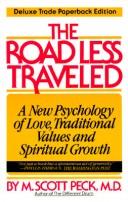
The Road Less Traveled: A New Psychology of Love, Traditional Values and Spiritual Growth
M. Scott Peck argues that maturity begins with accepting difficulty, then builds discipline, love, and spiritual growth through honest, often painful work.
2,200-word summary · 10 min read

Attached
A psychiatrist and a psychologist explain adult attachment styles and show how anxious, avoidant, and secure patterns shape dating, conflict, and the search…
2,157-word summary · 10 min read

All About Love: New Visions
bell hooks borrows a definition of love as an action rather than a feeling, then spends thirteen chapters showing how hard it is to practice.
2,385-word summary · 11 min read
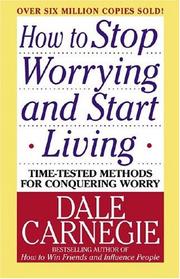
How to Stop Worrying and Start Living
Carnegie offers day-tight routines for worry built from interviews and worker stories.
2,505-word summary · 11 min read

10% Happier
An ABC newsman panics on air, then finds meditation without losing his edge.
2,590-word summary · 12 min read

Think Again
Adam Grant argues for holding views loosely and testing them like a scientist, moving past preacher, prosecutor, and politician habits at work and in debate.
3,204-word summary · 14 min read
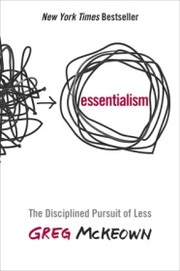
Essentialism
McKeown argues for less but better: discern the vital few, refuse the trivial many, and use buffers, small wins, and steady routines so key work gets done well…
2,421-word summary · 11 min read

The Untethered Soul
Singer names the noisy inner voice and shows how watching thoughts, loosening old hurt, and keeping the heart open through surrender can ease daily suffering…
2,752-word summary · 12 min read

The Art of Happiness
The Dalai Lama and psychiatrist Howard Cutler link lasting happiness to training the mind, human warmth, compassion, and basic spiritual values for daily life.
3,394-word summary · 15 min read
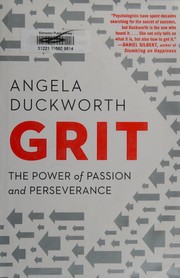
Grit
A psychologist argues sustained passion plus perseverance beats raw talent, and shows how grit can be grown.
2,432-word summary · 11 min read
Emotional Intelligence
Goleman argues self awareness and empathy shape success more than IQ alone.
2,026-word summary · 9 min read

Make Your Bed: Little Things That Can Change Your Life...And Maybe the World
SEAL lessons from bed making to never ringing the bell, from McRaven's 2014 Texas speech and 144 page book.
2,974-word summary · 13 min read

Influence: The Psychology of Persuasion
Six levers plus unity explain why people say yes, learned undercover in salesrooms and labs.
2,030-word summary · 9 min read
The Happiness Project
Gretchen Rubin spends a year testing monthly resolutions on energy, marriage, work, parenting, and play, tracking small habits to build a happier ordinary…
3,516-word summary · 16 min read

A New Earth
Tolle maps ego pain and shows how presence can loosen roles, thoughts, and suffering.
1,909-word summary · 8 min read

12 Rules for Life
Twelve essays on responsibility from posture to truth to petting cats.
2,045-word summary · 9 min read

Think and Grow Rich
Hill teaches desire, faith and autosuggestion, distilling lessons from Carnegie interviews into thirteen principles for success.
2,458-word summary · 11 min read

Maybe You Should Talk to Someone
Therapist Lori Gottlieb counsels John, Julie and Rita while seeing her own therapist Wendell after a breakup.
2,234-word summary · 10 min read
Quiet
Cain traces the Extrovert Ideal from Harvard Business School to open offices and defends the power of quiet.
2,898-word summary · 13 min read