
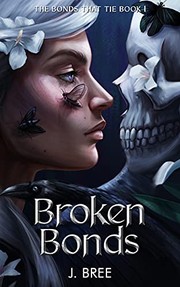
Broken Bonds
2,582-word summary 11 min read 424 pages in the book
- First published
- 2021
- Publisher
- Jenna Crannage
- Pages
- 424
- ISBN
- 9781923072008
- Series
- The Bonds that Tie (#1)
Reading options
What's inside (9 sections)
I picked up Broken Bonds because a friend kept telling me it was the reverse harem series that actually made her finish all six books in a week. I went in expecting light paranormal romance. What I found in this 2021 first book of The Bonds that Tie, published by Jenna Crannage at 424 pages, was angrier and sadder than I expected. It centers Oleander, called Oli, a young woman tied by a paranormal Bond to five men who hate her for leaving them. She ran for five years. Now she is back, broke and tired, and the story makes you sit inside that return with her.
The premise needs some explaining because the world runs on rules that shape every fight. In this setting some people are born with gifts. The gifts vary. Some are physical, like strength or speed. Some are mental, like persuasion or reading emotion. Some show as elemental power or shifting ability. Society sorts people by what they can do. The strongest families hold land, money, and seats at schools that train gifted youth to control their power and to serve in structured teams.
Then there is the Bond. A Bond is a rare fated link between one woman and a group of men. It is marked on the body. It pulls at instinct and temper. It can share strength and feeling across the group. It also carries social weight. A bonded group is expected to live together, to present as a unit, to fight together. If the bond is resisted, it hurts. If it is accepted, it changes power levels and standing. Most people never get bonded. Oli did, when she was still a teen, to five boys who would grow into hard men.
That history is the wound the book opens with. Oli bonded young to North, Nox, Gryphon, Atlas, and Gabe. She was close to them once. Then something broke. She left town and stayed gone for five years, working cheap jobs, moving often, sleeping with one eye open. She tells herself she left to protect them and to protect herself. They read it as abandonment. When the book starts, her money has run out and her options have narrowed. Returning is not brave. It feels like the last choice left.
Five years gone
The opening chapters stay tight on Oli's return. She comes back to the city where the Draven family and the other bonded families hold power. She is thin from bad food and bad sleep. Her clothes are worn. She has kept her hair dyed and her head down for years to avoid notice. That habit does not drop the day she returns. She checks exits in diners. She counts cash twice. She flinches when a car slows near her on the street.
Her reception is cold. North is now the clear head of the group, controlled and cutting with his words. He does not yell when he first sees her. That restraint lands harder. Nox is volatile, quick to provoke, quick to test whether she will fight back or run again. Gryphon watches more than he talks, and his quiet feels like judgment. Atlas uses charm as a weapon, friendly on the surface and sharp beneath it. Gabe is the one whose hurt shows most openly, which makes his anger swing between silence and snaps of temper.
Oli does not beg. That surprised me and kept me reading. She answers back. She sleeps on couches and in spare rooms when allowed. She takes stock of debts and threats. She knows the bond pulls at her when the men are near. Her skin prickles. Her sleep turns restless. She fights the pull because giving in feels like losing the self she built while running. The book lets that stubbornness be both strength and flaw. It keeps her alive. It also keeps her from asking for help early when she needs it.
Early scenes set the stakes beyond romance. There are people who want to use a runaway bond in local politics. There are family elders who see Oli as a problem to manage. There are school officials who see her as paperwork that never got filed. Oli learns fast that returning did not end the running. It just moved the chase to a smaller area with more eyes on her.
The house with five strangers
Much of the book happens in shared houses and apartments where Oli is forced into close quarters with the five. The living setup is awkward on purpose. One bathroom. Thin walls. Someone always in the kitchen. Bonded groups in this world are supposed to share space, but this group missed the years when they would have learned how to do it gently. So every small thing becomes a test. Who cooks. Who locks doors. Who gets the car keys. Who speaks for the group when a neighbor knocks.
Bree writes these domestic frictions well. North sets rules and expects them followed. Nox breaks small rules to see if Oli will react. Gryphon claims corners of the house and guards them. Atlas fills silence with jokes that do not quite land. Gabe stays out late and comes back smelling of rain and fuel. Oli tries to earn her keep by cleaning and shopping and fixing what is broken. She is good with her hands from years of short term rentals and bad landlords. That detail felt true. She checks window latches. She props a chair under a weak lock. She learns which floorboard creaks.
The bond marks get attention here. Each member carries a mark that ties them to Oli. The marks itch and burn when emotion runs high. Touch can calm them or set them off. The book does not treat this as sweet fate. It treats it as a pressure system. When North grabs Oli's wrist in an argument, both of them feel the jolt. When she leans against Gryphon while half asleep on a couch, his breathing changes before his mind catches up. These moments build heat without rushing to full romance. For a long stretch the physical pull only makes the emotional distance ache more.
Academy rules and old grudges
Oli is pushed toward the academy that trains gifted young adults. The school is part classroom, part training yard, part social court. Students spar in rings. They study history and control. They form alliances that mirror their families. For Oli, enrollment is not about grades. It is about status and safety. A bonded woman without registration is exposed. A registered student has at least paper protection.
School brings old grudges into the open. Classmates remember Oli leaving. Some pity her. More enjoy the gossip. Teachers watch her for signs of instability. Administrators watch her for signs of power she should have reported. The five men already have reputations there. North is respected and feared. Nox is known for temper. Gryphon is known for precision. Atlas coasts on ease and connections. Gabe works hard to be taken seriously. Oli walks into that structure as the girl who broke the set.
Training scenes carry a lot of the middle. Oli is behind on formal technique. She makes up for it with street timing and pain tolerance. Instructors correct her stance. Classmates test her to see if the rumors about her gift status are true.
A fair criticism belongs here. This stretch repeats its beat. Oli gets tested, holds firm, gets punished socially, retreats to the house, fights with one of the men, makes partial peace, returns to school. After the third loop I wanted a sharper turn. The 424 page length starts to show here. Some sparring scenes and hallway confrontations could have been cut without losing plot. Still, the repetition does mirror how school bullying and group hazing actually feel, grinding rather than dramatic, so I forgave more than I cut.
Gifts, sparring and close quarters
As weeks pass, the book digs into how gifts work in fights and in daily life. Strength gifts change how doors open and how spars end. Persuasion gifts change conversations. One sharp line from the wrong person can tilt a room. Oli learns to read who holds what and when to keep her mouth shut. She watches Atlas talk a guard into looking the other way. She watches Gryphon end a spar with two clean moves. She watches North hold back more power than he shows, which scares her more than Nox losing control.
Oli's own status stays tense. She shows flashes of resistance that others cannot explain. Gifts aimed at her slide off or dull. The book suggests her resistance ties to trauma and to the bond itself, but it does not hand over a neat manual.
Closeness grows in uneven pieces. Gryphon is first to show softness in small acts, leaving food and standing between Oli and a shove without making a speech about it. Gabe cracks next, anger giving way to questions about where she slept during those years. Atlas flirts and then drops the act to admit he missed her. Nox stays hostile longest. North holds the line as leader while refusing to admit how much Oli's leaving shaped him.
Physical intimacy builds slowly and then spikes. There are kisses that start as fights. Bree keeps consent verbal even when instinct runs high, which matters in a setup with fated attraction. Oli says no and is heard. She says yes and is met.
Plots that tighten around the bond
The back half shifts from school pressure to outside danger. Oli's return stirs people who profit from weak bonds and divided houses. There are meetings she is not invited to where her name is used. There are offers framed as help that smell like traps. Family money moves. Old friends of her parents surface with versions of the past that do not match hers. She starts to see that leaving at eighteen was not only about teen hurt. Adults failed her too.
The Resistance thread matters here. In this city a loose movement opposes the gifted hierarchy and the control bonded families hold. Some members want reform. Some want revenge. Pamphlets appear. Rumors spread about raids and lists. Oli, who lived poor and unseen for years, hears those arguments differently than the men who grew up inside protection. She does not join. She does not dismiss either. That in between stance puts her at risk from both sides. To the families she looks soft on dissent. To dissenters she looks like a sellout returning to comfort.
Betrayals land in this section. Someone close leaks where Oli sleeps. Someone else trades a photo or a schedule for favor. A sparring match gets fixed to hurt rather than to rank. A night out ends with Oli cornered where help cannot reach fast. The book stages these scares plainly. No long speeches from villains. A door that should be locked stands open. A phone dies at the wrong hour. A friend does not show. Oli's street habits save her more than once. She runs when running is smart. She screams when screaming helps. She uses elbows and teeth when cornered.
The five respond as a unit for the first time under real threat. North takes command without asking. Gryphon covers Oli's back. Atlas gets her out of crowds. These scenes do more for the romance than any kiss. Shared danger forces care into the open.
What works and what drags
Broken Bonds works best as a return story rather than a school story. Oli's poverty, vigilance, and pride read as lived rather than pasted on. The house friction feels specific. The slow thaw with each man has its own pace, which suits a group romance. North thaws through duty. Nox through conflict. Gryphon through service. Atlas through talk. Gabe through open want. Keeping those tracks distinct over 424 pages takes control, and Bree mostly holds it.
The spice fits new adult expectations. It is frequent and frank. Readers who want closed door romance should skip this series. I found the heat scenes slowed plot momentum at times, but they also showed Oli asking for what she wants after years of asking for nothing.
Criticism is fair on prose and editing. As a 2021 indie release under the author's own imprint, the book shows rough edges. There are repeated phrases in arguments. Pacing sags around the middle when another hallway stare down follows another kitchen fight. The world rules stay vague on purpose, which will annoy readers who like hard systems with costs and limits spelled out.
Still, the core held me. Oli reads as a survivor without turning into a slogan. She steals food when hungry. She lies to stay safe. The men read as young and damaged rather than simply dominant. Their cruelty early on is real and not excused by fate. When North finally listens instead of ordering, those beats land because so much stubbornness came before.
Staying to fight
The closing movement does not give a clean win. Oli decides to stay. That choice is the climax more than any fight. Staying means registration, school discipline, shared housing rules, and public claim as the bonded center of a fractious group. It means letting doctors check her. It means letting teachers rank her. It means standing next to North at gatherings while people stare. For someone who survived by staying small, standing still in light takes more nerve than running.
The group claim scene carries charge because it is public. To claim the bond is to accept scrutiny and protection at once. Oli speaks plainly about returning by choice rather than by capture. The men stand with her, not over her. Even Nox holds position. That image matters after chapters of closed doors and muttered insults. The city now knows the bond is active. That knowledge will draw both guard and attack in later books.
Threat does not lift. If anything, claiming paints a target. The final chapters show watches set, locks changed, school alliances shifting, family elders recalculating. Oli trains harder. She eats better. She sleeps in a real bed with a door that locks from inside, a small mercy she notices. She lets Gryphon show her a hold. She lets Atlas walk her to class. She lets Gabe sit with her through a bad night. She argues with North and stays in the room after. These are small peaces, not pardons.
The last pages point forward without closing the case. Messages go unanswered. A car follows too long then turns off. A name from the past resurfaces with new weight. Oli knows more running may come, but she also knows she is not the same girl who left. The bond marks have settled from constant burn to low throb. That physical change mirrors the emotional one. Still linked. Still sore. Less likely to tear.
I closed the book thinking about cost. Five years on the run kept Oli free but thin, lonely, and stalled. Return costs pride and safety but offers training, shelter, and the chance to face what broke. Neither option was clean. That lack of clean answer is why the series hooks readers. It asks whether fated connection can become chosen connection through daily acts of care, apology, and shared risk. Book one does not answer. It sets the table, seats six scarred people around it, and dares them to stay for the next course. I wanted book two open before I had set this one down.
FAQ
Is Broken Bonds part of a series?
Yes. It is book 1 in The Bonds that Tie by J. Bree, published by Jenna Crannage in 2021 with 424 pages. Her story continues across later books.
Who are the central characters in Broken Bonds?
Oleander, called Oli, and her five Bonds: North, Nox, Gryphon, Atlas, and Gabe. The book follows their forced reunion, shared housing, and academy training.
Is Broken Bonds suitable for younger readers?
No. It is new adult paranormal romance with explicit scenes and frequent conflict over the Bond. Readers who want closed door romance should skip this series.
Similar books
More from The Bonds that Tie first, then related titles.
Savage Bonds
Oli's deadly gift is out in the open, her Bond runs the show, and the Resistance is closer than ever in the second Bonds that Tie novel.
2,431-word summary · 11 min read

Blood Bonds
Oleander is chained in a Resistance camp, and her five Bonds have to find her before Silas Davies finishes what he started in this third Bonds that Tie book.
2,018-word summary · 9 min read

Magic Burns
A magic flare hits Atlanta, and mercenary Kate Daniels must recover stolen maps, find a missing witch, and keep a teenage girl alive while Celtic gods try to…
2,021-word summary · 9 min read

The Indigo Spell
Sydney Sage hunts an aging witch, learns forbidden magic, and finally admits she loves Adrian, while the Alchemist tattoo on her cheek may be controlling her.
2,604-word summary · 12 min read
A Light in the Flame
Held by Nyktos in the Shadowlands, Sera faces trials, Kolis and the Rot while broken trust is tested.
2,577-word summary · 11 min read

The Golden Lily
Sydney Sage guards Jill at Amberwood Prep in Palm Springs, studies forbidden magic, favors Adrian over Brayden, and faces Alchemist custody in this second…
2,988-word summary · 13 min read

Her Soul to Take
A paranormal vlogger in a cult-run town summons a bound demon, and the only way to survive the god beneath the mine is to give him her soul.
2,089-word summary · 9 min read

River Marked
Mercy and Adam's honeymoon on the Columbia River turns into a fight with an ancient river devil, and Mercy finally learns the truth about her father.
2,008-word summary · 9 min read

The Siren
Saved from a shipwreck in 1930, Kahlen becomes a siren who sings men to their deaths for the Ocean, until a boy in a college library makes her want a life she…
2,369-word summary · 11 min read

Demonglass
Sophie Mercer spends the summer at the Council's English estate, where two new demons, a suspicious host, and Archer's return complicate her plan to remove her…
2,771-word summary · 12 min read

Born at Midnight
Kylie Galen is sent to a camp for troubled teens and discovers it is a haven for vampires, werewolves, and witches, and that she may be something stranger…
2,310-word summary · 10 min read

The Casanova
Kate Landon's boss is also the pen pal she falls for online, hiding behind fake names, until family secrets and a trip to Paris get in the way.
2,274-word summary · 10 min read

The Rose & the Dagger
Shahrzad is pulled from her Caliph husband and left in a desert camp of rebels, needing to break his curse and end a war before it ends her.
2,520-word summary · 11 min read

We Hunt the Flame
In a fractured Arabia-inspired world, a disguised huntress and a prince-assassin race to find a magic-restoring book and confront an ancient evil.
2,195-word summary · 10 min read

Cemetery Boys
A trans brujo in East Los Angeles summons the ghost of a boy who refuses to move on, and together they uncover a murder hidden beneath Día de los Muertos.
1,997-word summary · 9 min read

Blue Moon
Ever Bloom tries to save her immortal boyfriend, Damen, from a mysterious illness while a new student named Roman quietly takes control of her school and her…
1,998-word summary · 9 min read
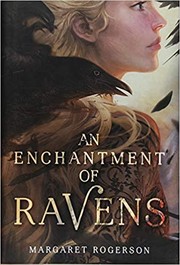
An Enchantment of Ravens
Isobel, a mortal artist in the fairy town of Whimsy, paints a portrait of the autumn prince and falls in love with him, breaking the laws of her craft.
2,087-word summary · 9 min read
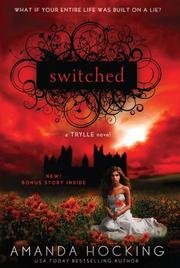
Switched
A Minnesota teenager who can make people obey her discovers she is a changeling troll princess, and the hidden kingdom she came from wants her back.
2,131-word summary · 9 min read
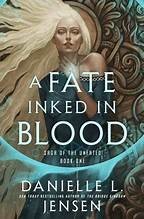
A Fate Inked in Blood
In Norse-inspired Skaland, a fish gutter hiding a goddess's blood is claimed by a jarl, bound by oath, and guarded by the son she cannot want.
1,971-word summary · 9 min read
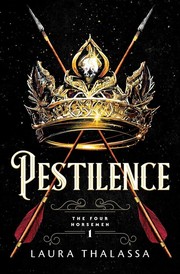
Pestilence
Firefighter Sara Burns shoots the Horseman Pestilence and discovers he cannot die. Taken captive, she rides with him as his plague sweeps the world.
2,508-word summary · 11 min read
Dreamfever
With the walls between worlds down and Mac broken by the Fae, Dreamfever is the darkest volume of the Fever series, and the one that changes everything.
2,007-word summary · 9 min read

Bitten
Elena Michaels is the world's only female werewolf, and keeping that world away from her human life in Toronto works fine until the Pack calls in a favor.
2,039-word summary · 9 min read
A Deal with the Elf King
A village herbalist is exposed as the hidden Human Queen, married to a cold elf king, and given three months to save his dying kingdom or be bound to it…
2,094-word summary · 9 min read

When the Moon Hatched
An assassin who hears air takes a job that throws her to dragons and a hunter.
2,083-word summary · 9 min read
This Savage Song
Monster hunter Kate meets August, a monster who plays violin.
2,574-word summary · 11 min read
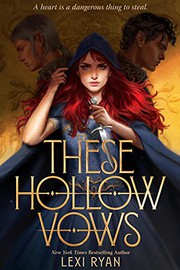
These Hollow Vows
Brie trades with the Unseelie to save her sister and steals for a prince.
2,384-word summary · 11 min read

The Winner's Curse
An aristocratic girl buys a slave who is secretly a prince plotting rebellion.
2,124-word summary · 9 min read
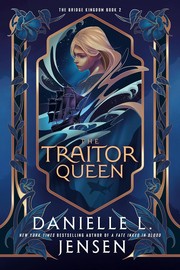
The Traitor Queen
Exiled Lara returns to free Aren and break her father hold.
2,328-word summary · 10 min read