
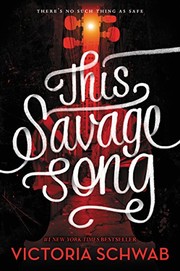
This Savage Song
2,574-word summary 11 min read 464 pages in the book
- First published
- 2016
- Publisher
- Greenwillow Books
- Pages
- 464
- ISBN
- 9780062380876
- Series
- Monsters of Verity (#1)
Reading options
What's inside (7 sections)
I came to This Savage Song after reading Vicious and Gallant and wondering what Schwab does with monsters when she writes for teens. The answer is darker than I expected. The book came out in 2016 from Greenwillow Books, an imprint of HarperCollins, and the hardcover runs 464 pages with ISBN 9780062380876. It opens the Monsters of Verity duology. The setup is simple to pitch and hard to shake. In a city split by violence, real monsters are born from violent acts. A ruthless crime boss daughter and a monster boy who wants to be human end up running together.
Kate Harker wants to prove she is as hard as her father. August Flynn wants to prove he is not a monster despite what he is. Their collision drives a chase across a divided city, with politics, music, and hunger underneath.
Verity City split in two
Verity City used to be one place. After a territory war and years of unrest, a truce called the Seam divides it. North City belongs to Callum Harker, who charges people for protection from monsters and lets his men, including actual monsters, enforce payment. South City belongs to Henry Flynn, who runs a task force with his wife Emily and tries to protect people without selling safety. Between them lies the Seam, a thin contested strip where the truce holds until it does not.
Schwab builds the monster rules from violence itself. When a violent death happens, it can spawn a monster. Corsai are shadowy, many toothed feeders that hunt in packs in the dark and fear light and iron. Malchai are tall, clawed, blood drinking enforcers who serve stronger masters and can pass for human in coats and hats. Sunai are rare, born from the worst massacres, human looking, able to take souls with music. Their eyes turn black, their skin shows dark lines like cracks, and each soul they take leaves a tally mark burned on their skin.
I found this system clear and unsettling. Corsai feel like fear of the dark given teeth. Malchai feel like gangs given fangs. Sunai feel like guilt given a violin. August Flynn is Sunai, adopted son of Henry and Emily, brother to Ilsa, another Sunai, and to Leo, older and sterner. He plays violin at home, goes to school under guard, and keeps a tally of souls he has taken and wishes he had not.
Kate Harker is sixteen and angry. She was sent away to boarding schools after her mother died, and she has been expelled from five or six for fighting, smoking, and defiance. Her father keeps her at distance. She burns her mother letters without reading them, or so she tells herself, because missing her hurts more than anger. She returns to North City determined to earn a place beside Callum by being ruthless. She carries a gun, wears short skirts and heavy boots, and practices a hard stare.
The early chapters alternate between them. August attends Colton Academy, a private school in North City, on a mission to watch Kate for the Flynns. Kate arrives at Colton after her last expulsion and tries to dominate from day one. She notices August because he does not flinch, plays violin when stressed, and watches too closely. August notices Kate because she seeks trouble the way others avoid it.
Colton Academy watch
Colton is all stone halls, uniforms, and rich kids who pay Harker for safety. Kate rooms with a nervous girl, picks fights with a boy named Ryan, and tests teachers. She wants her father to notice. He does not answer calls. She visits his compound and sees Malchai guards, tribute lines, and Sloan, a Malchai second in command who smiles with too many teeth. Callum tells her to go back to school and stay out of trouble. She hears rejection and tries harder to be bad.
August mission is to befriend her and report. His handler is Henry, his backup includes Leo, and his cover is transfer student with a violin scholarship. He is gentle in a way that reads as strange at Colton. He does not drink, does not fight, and asks questions about why Kate wants to be feared. He practices in stairwells, playing fast pieces to calm hunger. Music is both his weapon and his relief. When he plays with intent as Sunai, he can pull a soul from a guilty killer. When he plays for himself, he feels almost human.
Their scenes together have an easy push and pull. Kate teases him about manners. August answers with quiet honesty that throws her. She shows him a scar from a school fight. He shows her his violin, worn at the edges. She steals cigarettes. He pretends not to see. Underneath, both are lonely. Kate has no friends, only witnesses. August has family who love him but fear what he could do if he lost control.
Schwab handles the school part better than most urban fantasy. Classes, chapel, dorm checks, and cafeteria politics feel real. A scene where Kate sets off sprinklers to skip assembly, and August helps her dry off without lecturing, tells more than a speech about trust. A scene where Kate sings badly on purpose to annoy a prefect, and August laughs despite himself, makes their later reliance believable.
A fair criticism is that the mission logic wobbles. Sending a soul eating monster teen to spy on a crime boss daughter at a school full of civilians is risky even by Flynn standards. Leo says as much. Henry justifies it as low risk because August is controlled and Kate is unguarded. Readers have to accept that the Flynns are desperate for information on Harker movements. I accepted it for pace, but the plan looks thin once violence starts.
The assassination and the run
The plot turns when Callum plans a hit to break the truce and blame the Flynns. He sends Sloan and Malchai to kill Kate at school and make it look like Flynn work, hoping outrage will let him seize South City. The attack comes during a school event. Lights fail. Corsai stir in the basement tunnels. A boy Kate knows is killed. August drops cover, eyes black, and takes souls to save her, revealing what he is.
Kate reacts with terror and fascination. She has been taught monsters are tools or prey. August just saved her by being exactly what she fears. She runs, then returns when Malchai close in. They escape Colton together through service tunnels, stealing a car, heading for the Seam. Both families think the other side took them. Both sides mobilize.
This middle run is the strongest part. Schwab writes chases with clear geography. A gas station with buzzing fluorescents where Corsai cannot enter. An abandoned subway stop where Malchai wait. A safe house with iron lined windows. Kate learns August needs light to hold Corsai off and needs music to fight Malchai. August learns Kate can shoot, hotwire, and lie to adults with calm.
They argue about guilt. August believes a Sunai takes only the souls of killers who deserve it, and the tally marks prove each theft. He shows Kate the marks on his arms, neck, and back, counting each one with date and reason. He tells her about a night when he took a school shooter and saved lives but still felt sick for weeks. Kate believes ruthlessness is survival and tells him her father lets monsters feed on people who cannot pay. She wants to be like him so she will never be helpless. August says her father is not strong, only cruel, and cruelty is cheap.
I liked that neither convinces the other quickly. Kate still flinches when August eyes go dark. August still hesitates to tell her how hunger feels, like a song stuck in teeth. They trade practical help instead of promises. She finds batteries. He keeps watch. She cleans his violin. He teaches her which streets flood after rain. Trust builds through tasks, which felt true for teens who do not have words for fear.
The Seam chapters slow in a good way. They stay with a priest, then with a mechanic who owes Flynn, then in an empty flat with a piano. Kate reads old newspapers about the truce. August plays without taking, letting notes fade. A stray cat adopts them for a night. These pauses let the city breathe. Verity feels lived in, with bus routes, school uniforms, burnt out blocks, and murals of the truce signing.
What drags is repetition. How many times can they be found, flee, and hide before pattern shows. After the third safe house burns, I started skimming descriptions of running footsteps and sirens to get to conversations. Schwab knows it, so she shortens later chases to pages rather than chapters. Still, the middle could lose twenty pages without losing tension.
Fathers, brothers, and monsters within
The book is as much about parents as monsters. Callum Harker loves Kate in the way a man loves a weapon. He praises her when she is hard, ignores her when she is sad, and uses her as bait without telling her. Sloan understands this and encourages Kate to earn blood. A scene where Callum finally hugs her and she smells gun oil and cologne captures everything. She leans in, then realizes he is checking her for injuries that would embarrass him, not comforting her.
Henry Flynn is the opposite and not perfect. He loves August, Ilsa, and Leo fiercely, cooks for them, enforces rules about music and feeding, and grieves each tally August adds. But he also sends his Sunai son into danger for intelligence, keeps secrets from South City council, and leans on Leo to be soldier rather than brother. Emily balances him, teaching August piano, sitting with Ilsa when she stares too long at nothing, reminding Henry that protection cannot mean control.
Leo and Ilsa add weight. Leo is Sunai, older, with many tallies, convinced monsters cannot be human and humans cannot be trusted. He loves August but believes August softness will kill him. Ilsa is Sunai, younger in mind, vague and gentle, who wandered after a massacre that made her. She draws monsters in chalk, hums when Corsai pass, and sees truths others miss. A scene where Ilsa tells Kate that August plays to keep souls quiet, not to lure them, reframes his music. He is not hunting. He is mourning in advance.
Sloan is a fine villain. He is Malchai, loyal to Callum because Callum feeds him, polite in a way that makes skin crawl. He files nails during meetings, remembers who paid and who missed, and enjoys hurting Flynn people slowly. He does not want peace. Peace means diet. His rivalry with Leo gives the book a second fight beyond Kate and August. When they meet in the Seam with iron and bows, the dialogue is short and cruel. Neither expects mercy.
Alice, a young Flynn soldier who befriends Kate briefly, deserves mention. She is competent, kind, and tired. She shows Kate a South City clinic where volunteers treat Corsai bites with light therapy and iron salves. She explains that Flynn cannot afford Harker firepower, so they rely on shifts, signals, and neighbors. Her death hits because she represents the normal people both sides claim to protect. After, Kate stops talking about ruthlessness as a game.
A smaller thread with Kate mother could have been stronger. Kate carries a locket, avoids her mother grave, and tells August her mother was weak for loving a man like Callum. Later she learns her mother tried to leave with her and failed. The reveal is brief, told through a letter Kate finally reads. It explains Kate hunger for father approval, but it arrives late and resolves fast. More scenes of Kate remembering her mother before the letter would make the payoff land harder.
The arena, the violin, and the truce breaking
The climax returns to North City. Callum stages a rally to announce Flynn treachery and uses Kate as proof. He plans to have Sloan kill August publicly to show Harker strength. Kate, who has seen Flynn clinic and August restraint, refuses the script. She tells the crowd what she saw at Colton, that Harker monsters attacked students. Some believe. Some do not. Chaos breaks. Corsai pour from tunnels cut open for the occasion. Malchai turn on guards.
August plays. This is the set piece Schwab built toward. On a cracked stage with feedback screaming, he lifts his violin and takes souls from killers in the crowd, Malchai and human alike. His eyes go fully black, lines spread up his throat, new tallies burn. Kate holds light, shooting Corsai, dragging civilians behind iron barriers. Leo arrives, takes his share, pays his price. Ilsa sings a wordless tone that steadies August enough to stop before he takes innocents.
The cost is immediate. August collapses, weaker, with more marks. Kate is shot in the side, bleeding but standing. Henry and Callum face each other across wreckage and choose pause over war, for now. The truce is broken in fact but not declared dead, because neither side can afford open street war with Corsai swarming. Kate leaves North City with Flynn help. August stays with family. They part without promises, only a shared look and a violin string she keeps.
I admired that Schwab does not let music solve politics. August power stops a massacre but does not fix Verity. Harker still charges for safety. Flynn still lacks guns. Civilians still pay. The book ends with Kate on a bus out of the city, reading her mother letter fully for the first time, and August at home practicing scales while Ilsa draws the Seam as a wound stitched loosely. Sequel hooks are clear without a cliffhanger cheat. Kate must decide who she is away from her father. August must decide how to carry new tallies.
Pacing in the last eighty pages is fast, sometimes too fast. Sloan fate feels rushed after long buildup. A council vote in South City is summarized rather than shown. Kate wound is serious one page and manageable the next. None of this ruined the ending for me, but a slower coda with Alice family or Colton survivors would give loss more room.
Content notes. Expect gun violence, stabbings, throat and blood detail from Malchai feeds, Corsai swarm attacks in dark tunnels, and soul taking described as cold pull and ringing silence. A school attack kills teens. A clinic scene treats bite wounds. Child soldiers appear on both sides. Language is moderate, with swearing from Kate and soldiers. No explicit sex. A kiss between Kate and August is brief and interrupted. Themes include parental neglect, grief after a mother death, and guilt after killing. The book keeps gore functional rather than lingering, but night tunnel scenes are intense.
If you like morally gray teens, divided cities, and monsters as metaphor without losing scare, start here. Read for Kate learning that hardness without care is just fear in uniform, and for August learning that hunger does not erase choice. The violin scenes alone are worth it, especially when he plays to remember rather than to feed. The second book, Our Dark Duet, continues their story across a Verity closer to collapse. I picked it up right away to see if the Seam holds and whether Kate keeps that string or lets it go.
FAQ
What are the Corsai, Malchai, and Sunai in This Savage Song?
Corsai hunt in dark packs, Malchai drink blood and serve bosses, and Sunai are rare human looking monsters who take guilty souls with music and mark each theft on skin.
Is This Savage Song first in a series?
Yes. First published in 2016 by Greenwillow Books, 464 pages, ISBN 9780062380876, it opens Monsters of Verity as book 1 before Our Dark Duet.
What age is This Savage Song for?
Ages 14 and up fits best. Expect school attack deaths, swarm and blood detail, soul taking scenes, gun violence, and grief after a mother death.
Similar books
More from Monsters of Verity first, then related titles.
Demonglass
Sophie Mercer spends the summer at the Council's English estate, where two new demons, a suspicious host, and Archer's return complicate her plan to remove her…
2,771-word summary · 12 min read
Born at Midnight
Kylie Galen is sent to a camp for troubled teens and discovers it is a haven for vampires, werewolves, and witches, and that she may be something stranger…
2,310-word summary · 10 min read
Cemetery Boys
A trans brujo in East Los Angeles summons the ghost of a boy who refuses to move on, and together they uncover a murder hidden beneath Día de los Muertos.
1,997-word summary · 9 min read
Switched
A Minnesota teenager who can make people obey her discovers she is a changeling troll princess, and the hidden kingdom she came from wants her back.
2,131-word summary · 9 min read

The Indigo Spell
Sydney Sage hunts an aging witch, learns forbidden magic, and finally admits she loves Adrian, while the Alchemist tattoo on her cheek may be controlling her.
2,604-word summary · 12 min read
Half-Blood
Half-blood Alex trains at the Covenant while gods stir and rules close in.
2,601-word summary · 12 min read
Dreams of Gods & Monsters
Karou and Akiva unite chimera and seraphim against empires invading Earth.
2,179-word summary · 10 min read

The Golden Lily
Sydney Sage guards Jill at Amberwood Prep in Palm Springs, studies forbidden magic, favors Adrian over Brayden, and faces Alchemist custody in this second…
2,988-word summary · 13 min read
Unearthly
Part-angel Clara moves to Wyoming to fulfill a vision of a boy and a forest fire.
2,241-word summary · 10 min read
Forever
Grace turns wolf, Sam scrambles for a cure, and Mercy Falls votes to hunt the pack in trilogy end.
2,217-word summary · 10 min read

Hex Hall
A witch who ruins prom with a love spell is sent to Hex Hall, where a vampire roommate and old family secrets wait.
2,991-word summary · 13 min read
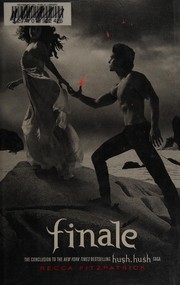
Finale
Nora Grey must lead the Nephilim while her bond with Patch is tested by old vows and looming war over Coldwater. Hank's shadow still drives hate from beyond…
2,898-word summary · 13 min read
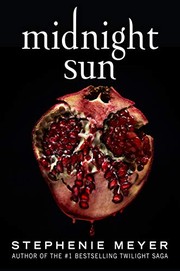
Midnight Sun
Twilight retold by Edward Cullen: a silent mind, singer blood in Forks, and restraint tested to the edge.
3,824-word summary · 17 min read
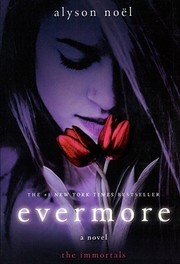
Evermore
Ever Bloom survives the crash that kills her family and meets Damen, whose touch quiets the psychic noise in her head.
3,604-word summary · 16 min read
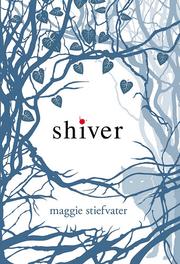
Shiver
Grace Brisbane loves yellow eyed wolf Sam, human in summer, as winter cold threatens to take him back for good in small town Mercy Falls.
2,408-word summary · 11 min read
Clockwork Princess
Tessa chooses between Jem and Will as Mortmain's clockwork army closes on the London Institute.
3,289-word summary · 15 min read
Twilight
Stephenie Meyer's Twilight in full: Bella and Edward's romance in Forks, the Cullens' rules and the nomad vampires, and what the novel's restraint does to its…
2,494-word summary · 11 min read

Vow of Thieves
Kazi and Jase return to Tor's Watch to find it occupied, and their marriage is tested by captivity, betrayal, and a war for the town of Hell's Mouth.
2,059-word summary · 9 min read

The Lost Sisters
Taryn Duarte writes a letter to her twin, Jude, explaining how she fell for Locke and why she stayed silent while he used them both.
1,914-word summary · 9 min read

Magic Burns
A magic flare hits Atlanta, and mercenary Kate Daniels must recover stolen maps, find a missing witch, and keep a teenage girl alive while Celtic gods try to…
2,021-word summary · 9 min read
Masquerade
After Cordelia's death, Schuyler flies to Venice to find her exiled grandfather, then returns to the Blue Bloods as they prepare for a masked ball and a hidden…
2,543-word summary · 11 min read

Blood Bonds
Oleander is chained in a Resistance camp, and her five Bonds have to find her before Silas Davies finishes what he started in this third Bonds that Tie book.
2,018-word summary · 9 min read

Archenemies
Nova steals for the Anarchists while Adrian hides his Sentinel identity, and a serum that erases prodigy powers puts them both at risk.
2,485-word summary · 11 min read

The Siren
Saved from a shipwreck in 1930, Kahlen becomes a siren who sings men to their deaths for the Ocean, until a boy in a college library makes her want a life she…
2,369-word summary · 11 min read

Cruel Beauty
A girl raised to kill the demon prince who rules her cursed land instead falls in love with him, in a retelling that mixes Beauty and the Beast with Bluebeard…
2,669-word summary · 12 min read

The Rose & the Dagger
Shahrzad is pulled from her Caliph husband and left in a desert camp of rebels, needing to break his curse and end a war before it ends her.
2,520-word summary · 11 min read

We Hunt the Flame
In a fractured Arabia-inspired world, a disguised huntress and a prince-assassin race to find a magic-restoring book and confront an ancient evil.
2,195-word summary · 10 min read