
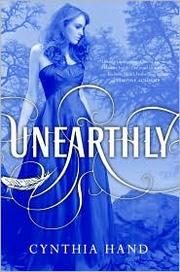
Unearthly
2,241-word summary 10 min read 435 pages in the book
- First published
- 2011
- Publisher
- HarperTeen
- Pages
- 435
- ISBN
- 9780061996160
- Series
- Unearthly (#1)
Reading options
What's inside (7 sections)
I found Unearthly on a shelf of angel books back when angel books were everywhere, and I almost skipped it. The cover looked like all the others. I am glad I did not skip it. Cynthia Hand's 2011 debut, the first book in the Unearthly trilogy, is the rare paranormal romance that takes its heroine's inner life as seriously as her love life. It follows Clara Gardner, a sixteen-year-old who is part angel, as her family moves to Wyoming so she can fulfill the mysterious purpose she keeps seeing in visions. It is romantic and swoony in places, but it is also a thoughtful book about mothers and daughters, about wanting a normal life, and about what it means to choose someone freely.
Fair warning: this is a love triangle book, and an earnest one. If triangles make you want to throw things, brace yourself. But the triangle here is better built than most, and the setting, Jackson Hole, Wyoming, gives the whole story fresh air the genre badly needed.
It helps to remember when this came out. The early 2010s were peak paranormal romance, shelves packed with interchangeable brooding immortals. Most of those books blurred together for me. This one stuck. The reason is Clara herself. She is not waiting around to be explained. She asks questions, pushes back at her mother, makes mistakes with boys, and keeps her sense of humor through all of it.
A girl who glows and the visions she cannot explain
Clara Gardner has always known she is different. She is stronger and faster than other kids. She heals quickly. And sometimes she shines, literally, with a bright glow her mother calls glory. Clara, her little brother Jeffrey, and their mother Maggie are angel-bloods, part human and part angel. Their abilities come with rules and secrecy. You do not glow where people can see. You do not explain the flying. You blend in.
Then the visions start. Clara dreams of the same scene over and over: a boy with dark curly hair, a forest fire roaring through the trees, and the overwhelming feeling that she is supposed to save him. In Hand's world, angel-bloods get a purpose, a specific task they are meant to carry out, and the visions are how it announces itself. Clara does not know the boy's name or where the fire will happen. She only knows the feeling pulling at her chest, urgent and unfinished.
Her mother understands more than she says. Maggie has been secretive Clara's whole life, cheerful on the surface and locked tight underneath. When the visions intensify, Maggie makes a huge decision. The family will leave California and move to Jackson Hole, Wyoming. Clara is furious. She has friends, a life, a school where she is invisible in the way she likes. Moving to a tiny mountain town for a dream feels insane. But Maggie insists, and Clara slowly realizes her mother knows exactly what she is doing. Someone in Jackson Hole is connected to her purpose. The move is not random. It is a rescue mission in disguise.
I liked this setup a lot. The family conflict feels real. Clara loves her mother and resents her in the same breath, the way actual teenagers do. Her little brother Jeffrey is obnoxious and sweet by turns. Even the absent pieces, like how little Clara knows about her own kind, feel true to a family where the parent has decided that silence equals safety.
Her father gets less page time, being the ordinary human in a house full of secrets, but his presence matters. He is the proof that the family can be normal about some things. Dinners, homework, his job, the everyday scaffolding that keeps Clara grounded while everything else tilts sideways. When the move rips that scaffolding down, you feel it. Clara is not just losing her school. She is losing the one version of her life that made sense.
New town, new school, two boys
Jackson Hole is gorgeous in this book. Hand writes the mountains, the cold air, the pine smell, and the big Wyoming sky with obvious love. Clara's new school is small enough that a new girl gets noticed, which Clara hates. She wants to find the boy from her visions and get it over with, not become cafeteria gossip.
She finds him fast. Christian Prescott is everything the visions promised. Handsome, golden, kind, popular, with those dark curls. He seems too good to be true, and Clara falls hard and fast. When Christian pays attention to her, it feels like destiny clicking into place. Of course he is the one. Of course her purpose is him. The story seems simple.
Then there is Tucker Avery. Tucker is a local boy, funny and flirty and a little rough around the edges, the kind of guy who drives a truck, works outdoors, and teases Clara until she laughs despite herself. He has a twin sister, Wendy, who befriends Clara quickly and becomes the loyal, funny best friend every transplant kid needs. Tucker is not in the visions. He is not part of the plan. He is just a boy who likes Clara, and Clara, to her horror, likes him back.
This is where the book gets good. Hand makes both boys genuinely decent, which makes Clara's choice genuinely hard. Christian is not secretly awful. He is sweet and a little lost, and his connection to Clara feels fated in a way that is hard to argue with. Tucker is not a bad boy project. He is stubborn and proud and sometimes clueless, but he is honest, and he sees Clara more clearly than Christian does. I have read a hundred triangles where one guy is obviously wrong. This is not that. Clara's torn feelings make sense on every page, and her guilt about them feels earned.
Wendy deserves her own praise. The best friend in books like this is often furniture, someone to gasp at plot twists. Wendy is a person. She is funny without being a joke machine, loyal without being a pushover, and she calls Clara out when Clara acts strange. The scenes of the two girls just hanging out, driving around, talking about boys and moms, give the book breathing room. You believe Clara would fight to protect this friendship, which raises the stakes whenever the angel drama threatens her normal life.
Angela and the crash course in being angel-blood
Clara is not the only angel-blood in Jackson Hole. Angela Zerbino is there too, a sharp, prickly girl with secrets of her own. Angela knows far more about their kind than Clara does, and she doles out information the way a cat allows petting, on her terms. Their friendship is one of my favorite parts of the book. They start as rivals, or at least as wary strangers circling each other, and grow into something like sisters. Angela is funny in a dark way, furious at the secrecy their mothers imposed, and further along in figuring out her own purpose.
Through Angela, and through slow painful conversations with Maggie, Clara starts learning the rules. Angel-bloods have heightened abilities. They get their wings eventually. They answer, in some loose way, to full angels, who are beautiful and terrifying and not particularly interested in human comfort. And there are enemies. The Black Wings, fallen angels, hate angel-bloods and hunt them. A particular Black Wing takes an interest in Clara, and the scenes where he appears are the scariest in the book. Hand writes menace well. These are not cartoon demons. They are patient, polite, and utterly cold.
The mythology is a patchwork. Hand has said she pulled from many angel traditions and invented the rest, and you can feel that. Some readers will wish the system were tighter. I did not mind. The looseness lets the book keep its focus on Clara's emotional life instead of drowning in lore. The important rules are clear: hide what you are, find your purpose, beware the Black Wings, and do not trust your mother to tell you the whole truth until she is ready.
Maggie's storyline deserves special mention. As the book goes on, you learn why she kept secrets, what her own purpose cost her, and what she gave up to protect her kids. The reveal reframes the whole first half. Scenes that read as a mother being controlling read differently once you know what she was afraid of. I thought this was beautifully done. The parent in a YA book is so often scenery. Maggie is a person.
There is also real joy in the power scenes, which Hand rations wisely. The first time Clara lets herself fly properly, out over the Wyoming landscape with nobody watching, the book practically lifts off the page. After so much secrecy and fear, watching her use what she is feels like a deep breath. Angela teasing her through practice runs, both girls laughing midair, shows what their lives could be if nobody were hunting them. Those glimpses of freedom make the danger land harder.
The fire and the choice
Everything builds toward the fire from Clara's visions. I will not spoil the mechanics, but Hand stages the climax well. A school trip, or something like normal life, turns into the nightmare Clara has been dreaming for months. Smoke, heat, panic, kids running. And there is Christian, exactly where the visions said he would be, in exactly the danger she foresaw.
Clara does what she was made to do. She saves him. The sequence is exciting and genuinely moving, because Clara has spent the whole book dreading this moment and wanting it over with, and when it comes, it is both a triumph and a loss. Fulfilling her purpose means the strange pull that organized her whole life goes quiet. Who is she when she is not the girl with a mission?
That question leads to the book's final turn, and its most debated one. With her purpose complete, Clara is free to choose. And she chooses Tucker. Readers who were team Christian felt robbed. I understood the choice completely. Christian was her assignment, and she loves him in a way, but Tucker is the person she picked with clear eyes and no visions pushing her. The book's argument is that love has to be chosen to count. Destiny got her to Wyoming. Her own heart decides what happens next.
The ending is happy but not sealed shut. The Black Wings are still out there. Maggie's past still has teeth. Angela's story is unfinished. Hand closes Clara's arc for this book while leaving the door wide open for Hallowed, the sequel. It is a satisfying landing.
What holds up and what wobbles
Let me start with the wobbles, because they are real. The middle sags in places. There is a long stretch of school days, pep rallies, and will-they-won't-they that will test readers who came for angel action. The Black Wings, scary as they are, stay mostly in the background, and readers wanting big supernatural set pieces may feel shortchanged. The mythology stays vague by design, and if you need hard magic systems, this will annoy you.
The triangle, though better than most, still has triangle problems. Clara keeps secrets from both boys for most of the book, and there are scenes where you want to grab her shoulders and tell her to just talk. Christian gets less interior life than Tucker, which stacks the deck a little. Hand clearly favors Tucker, and by the last third the contest feels decided even while Clara insists she is torn.
Here is what holds up, and it matters more. Clara's voice is excellent, funny and self-aware without trying too hard. The Wyoming setting is vivid and specific, all horses and snow and wide sky, and it lifts the book out of generic paranormal suburbia. The female relationships are the secret engine. Clara and Wendy's friendship is warm and funny. Clara and Angela's bond is prickly and real. Clara and Maggie's reckoning is the emotional core, and it lands.
Hand also writes first love with rare honesty. The swoony scenes swoon, but Clara never stops being a person with homework and chores and a little brother who steals her stuff. The romance never eats the rest of her life. And the book respects its readers enough to say something true: being chosen by fate is not the same as choosing, and the second thing is worth more than the first.
I recommend Unearthly to anyone who likes YA paranormal romance but wishes the heroine had a brain and the parents had a pulse. It is gentle by current standards, more kissing than danger, more feelings than fights. Read it for Clara's voice, for Tucker Avery's grin, for the mountains, and for a mother-daughter story with real teeth. Then keep Hallowed nearby. You will want it.
One last thing for readers coming to it now, years later. Some of the fashion and slang date it a little, and the pace is slower than what the genre trains you to expect today. Give it fifty pages. Once the family reaches Wyoming and the visions tighten their grip, the book finds its rhythm and does not let go. Of all the angel books from that era, this is the one I still press into people's hands.
FAQ
When was Unearthly published and is it part of a series?
Unearthly was published on January 4, 2011 by HarperTeen. It is book one of the Unearthly trilogy, followed by Hallowed and Boundless.
What is an angel-blood in Unearthly?
Angel-bloods are part human and part angel, with heightened strength, healing, a shining glow called glory, and eventually wings. Each one also receives a purpose, a task shown through visions.
Who does Clara end up with at the end of Unearthly?
She saves Christian from the forest fire from her visions, fulfilling her purpose, then freely chooses Tucker over the boy fate assigned her.
Similar books
More from Unearthly first, then related titles.
Dreams of Gods & Monsters
Karou and Akiva unite chimera and seraphim against empires invading Earth.
2,179-word summary · 10 min read
Finale
Nora Grey must lead the Nephilim while her bond with Patch is tested by old vows and looming war over Coldwater. Hank's shadow still drives hate from beyond…
2,898-word summary · 13 min read
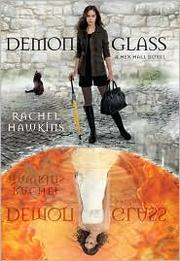
Demonglass
Sophie Mercer spends the summer at the Council's English estate, where two new demons, a suspicious host, and Archer's return complicate her plan to remove her…
2,771-word summary · 12 min read
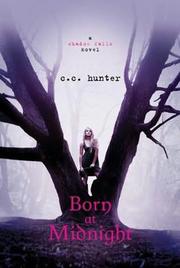
Born at Midnight
Kylie Galen is sent to a camp for troubled teens and discovers it is a haven for vampires, werewolves, and witches, and that she may be something stranger…
2,310-word summary · 10 min read
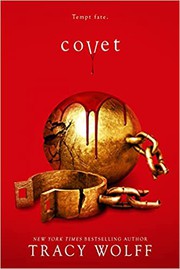
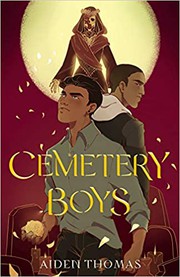
Cemetery Boys
A trans brujo in East Los Angeles summons the ghost of a boy who refuses to move on, and together they uncover a murder hidden beneath Día de los Muertos.
1,997-word summary · 9 min read
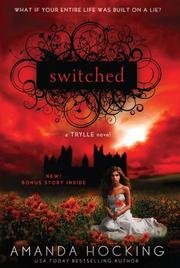
Switched
A Minnesota teenager who can make people obey her discovers she is a changeling troll princess, and the hidden kingdom she came from wants her back.
2,131-word summary · 9 min read
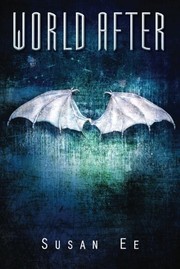
World After
Penryn wakes from near-death to find her altered sister Paige hunted as a monster, and follows her into the angels' scorpion factory and Uriel's coup.
2,213-word summary · 10 min read

The Indigo Spell
Sydney Sage hunts an aging witch, learns forbidden magic, and finally admits she loves Adrian, while the Alchemist tattoo on her cheek may be controlling her.
2,604-word summary · 12 min read
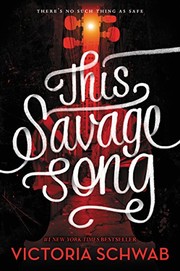
This Savage Song
Monster hunter Kate meets August, a monster who plays violin.
2,574-word summary · 11 min read
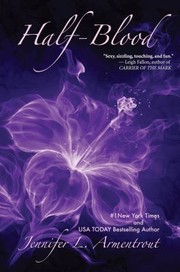
Half-Blood
Half-blood Alex trains at the Covenant while gods stir and rules close in.
2,601-word summary · 12 min read
Chain of Gold
Cordelia and James hunt demons in Edwardian London while hearts tangle.
2,364-word summary · 11 min read
The Golden Lily
Sydney Sage guards Jill at Amberwood Prep in Palm Springs, studies forbidden magic, favors Adrian over Brayden, and faces Alchemist custody in this second…
2,988-word summary · 13 min read
Forever
Grace turns wolf, Sam scrambles for a cure, and Mercy Falls votes to hunt the pack in trilogy end.
2,217-word summary · 10 min read

Hex Hall
A witch who ruins prom with a love spell is sent to Hex Hall, where a vampire roommate and old family secrets wait.
2,991-word summary · 13 min read
Days of Blood and Starlight
Karou takes up Brimstone's resurrection work while Akiva breaks with his empire as war burns Eretz.
2,866-word summary · 13 min read
Angelfall
After angels destroy the world, Penryn trades help with a wingless angel to rescue her sister from their stronghold.
2,420-word summary · 11 min read
Silence
Nora wakes in a cemetery with five months missing and a stranger called Jev who feels familiar.
3,615-word summary · 16 min read
Midnight Sun
Twilight retold by Edward Cullen: a silent mind, singer blood in Forks, and restraint tested to the edge.
3,824-word summary · 17 min read
Evermore
Ever Bloom survives the crash that kills her family and meets Damen, whose touch quiets the psychic noise in her head.
3,604-word summary · 16 min read
Crescendo
Nora and Patch survived book one, but distance, Marcie Millar, and a letter about her father's killer pull them apart.
2,980-word summary · 13 min read
Daughter of Smoke and Bone
Art student Karou with blue hair runs errands for chimera Brimstone until war finds her.
2,563-word summary · 11 min read
Shiver
Grace Brisbane loves yellow eyed wolf Sam, human in summer, as winter cold threatens to take him back for good in small town Mercy Falls.
2,408-word summary · 11 min read
Clockwork Princess
Tessa chooses between Jem and Will as Mortmain's clockwork army closes on the London Institute.
3,289-word summary · 15 min read
Hush, Hush
Nora Grey's new biology partner Patch is gorgeous, infuriating, and hiding wings he was never meant to keep.
2,137-word summary · 9 min read