
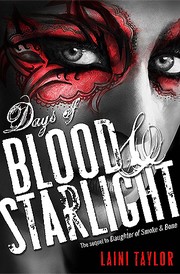
Days of Blood and Starlight
2,866-word summary 13 min read 528 pages in the book
- First published
- 2012
- Publisher
- Little, Brown Books for Young Readers
- Pages
- 528
- ISBN
- 9780316133975
- Series
- Daughter of Smoke and Bone (#2)
Reading options
What's inside (8 sections)
I did not expect to feel so tired after the first book. Daughter of Smoke and Bone ended with Brimstone dead and Karou learning she had been Madrigal, and I closed it wanting comfort. First published in 2012 by Little, Brown Books for Young Readers, this second volume runs 528 pages in the first hardcover and it offers almost no comfort at all. It is colder. It is sadder. People I liked spend most of it apart, hurting, making choices that made me put the book down and walk around the kitchen.
That is probably why I kept reading. Taylor does not rush back to kisses on rooftops. She lets the war do what wars do. It separates people. It makes decent work feel dirty. Karou spends much of this book in Eretz with her sleeves rolled up and her hands bloody, trying to bring soldiers back from death while Akiva spends it trying to stop serving an empire he now sees clearly. Their paths cross late and briefly, and that delay annoyed me at first. On a second thought, it fit. You cannot fix what Akiva did and what Karou lost with one talk in Morocco.
If you have not read book one, stop here and go read it. This summary gives away the whole middle of the story, because that is the job here. Karou knows she was Madrigal, a chimera soldier who loved Akiva. Brimstone hid her soul in a human girl and raised her in Prague. Now Brimstone is gone. The shop is burned. The portals are mostly closed. What is left is Eretz, teeth, souls in thuribles, and two armies that keep finding new reasons to kill.
Karou With Teeth and Souls
Karou starts this book in Eretz, not Prague. The chimera took her to a hidden refuge in the mountains after the shop fell. She is alive, which surprises some of them, and she is valuable, which shapes how they treat her. She is the only one left who knows Brimstone's art. Resurrection.
The way Taylor explains it stayed with me. A soul at death can be caught in a thurible, a small metal vessel. Teeth serve as the seed for a new body. Pain serves as the price, something called tithing. Brimstone used to take pain from traders. Karou now takes it from soldiers, from herself, from volunteers. Then she builds. She shapes teeth in a bath with magic and will, sets the soul inside, and wakes a person in a new frame.
It sounds clean when I write it like that. In the book it is not clean. Karou works in a cold room that smells of blood and wet stone. Her back aches. Her hands crack. She remembers Brimstone doing this behind a curtain while she played in the front shop, and now she understands why he looked so worn. She cries more than once and keeps going because if she stops, the chimera line breaks entirely.
Thiago sets the terms. He is the son of the Warlord, pale and smooth and always watching, now calling himself commander after his father's death. He tells Karou to make everyone bigger, stronger, winged. He wants an army that can meet seraphim in the sky. Karou hates the order. Wings do not suit every soul. Some bodies come out wrong, heavy, aching. But she has little room to argue. She is fed, guarded, needed, and also trapped.
She has a minder. Ten, a wolf chimera, female, sharp mouthed, stays close when Karou leaves the refuge to hunt teeth. Officially Ten is help. In practice she reports back. Karou learns to be polite around her while planning how to move without her.
Tooth missions still happen. Karou slips to our world through remaining portals, to graves and battlefields and dealers, gathering human and animal teeth in sacks. She hates the grave trade more than ever. She knows now each sack means a soldier later, and each soldier means more killing. Still she fills the sacks. What else can she do. Let her people stay dead.
One memory keeps rising while she works. Brimstone sealing souls in a cathedral after the fall of Loramendi. A thousand women and children, dead in a massacre, their souls caught and hidden. Karou carries that knowledge like a stone in her pocket. Those souls could be woken. Those dead could live again. Thiago refuses to hear it when she raises the idea. He wants soldiers now, not grief work, not children to feed in a cave during war. His refusal tells you a lot about him before the later scenes make it plain.
Life in the refuge has one kindness that kept me going. Issa comes back. You remember Issa, the Naja woman with a serpent lower body who raised Karou. Akiva brings her soul in a thurible, a quiet gift with large risk, and Karou grows her a new body. Having Issa near steadies Karou.
Karou stops eating well, stops sleeping. She blames Akiva for Brimstone's death and for the door burnings that led to it, and blame curdles into something flat and tired. She does not want to hear his name. When other chimera spit about angels, she lets it pass. She tells herself love was a past life thing, Madrigal's business, not hers. It is not true, but she needs it to be true to get through a day of building bodies for a commander she does not trust.
Akiva Trying to Desert
Akiva believes Karou is dead.
That belief shapes his half of the book. He saw the shop burn. He heard nothing after. He carries grief the way soldiers carry packs, always, with effort. He trains, he flies patrols, he follows orders he hates, and he tries to feel nothing. It does not work.
He is stationed with his brother Hazael and sister Liraz. Hazael is warm, quick to laugh, the only one who can coax Akiva into talking. Liraz is harder, proud, raised to despise chimera, but honest in a way the high command is not. The three of them grew up as bastards of Emperor Joram, useful blades kept close and never loved. Their mother Festival, a concubine, tried to shield them. That history matters for what comes later.
Akiva's days are patrols and burnings and reports. The seraphim are winning after Brimstone's death. Without new chimera bodies, the other side cannot replace losses. Akiva sees burned villages, hungry prisoners, officers who treat killing as sport, and he feels sick. He has done terrible things himself. He killed children on campaign during the long war, and Taylor does not soften that. He remembers faces. He does not ask the reader to forgive him fast.
Small moments show him pulling away. He lets escaped slaves go and lies to his patrol to cover them. It is a tiny lie. It risks his rank. He does it anyway.
He also spares Kirin in the Hintermost, calling birds to cover their escape. Ziri, a young Kirin who once followed Madrigal, sees it and remembers.
The larger plan grows slowly. Akiva, Hazael, and Liraz start talking in low voices about Joram and his brother Jael. Joram sits the throne, vain and cruel. Jael is worse, ambitious, eager to push the war into our world and dress it as holy work.
He also thinks about Karou. He keeps a ribbon, a memory of Madrigal, a habit of looking at doors. When Razgut, a fallen angel dragging his broken bulk across Eretz, tells the seraphim that Karou lives and works as resurrectionist for the chimera, Akiva's grief cracks open into something wilder. Hope, fear, shame. He wants to see her. He fears she will spit at him. He goes anyway, carrying Issa's soul as proof he still tries to mend.
Their meeting is short. No long reunion talk. He gives her the thurible. She takes it with cold hands. Words fail. He leaves. I remember feeling cheated at first, wanting more. Later I saw the restraint worked. They are not ready. Too much blood sits between them for easy lines.
Zuzana and Mik Find the Door
Every dark middle book needs people who refuse to be dark, and here that job falls to Zuzana and Mik.
Back on Earth, Zuzana, Karou's tiny fierce friend from Prague, gets a strange email. It reads like nonsense until she treats it as a puzzle. Zuzana loves puzzles. With Mik, her sweet boyfriend who plays violin and follows her into trouble with surprising calm, she decodes clues that point to Morocco and then to Eretz.
Their arrival in the chimera refuge is one of the few bright stretches. Two art students from Prague walking into a mountain cave full of soldiers and tooth baths. Mik stares. Zuzana grins and starts asking questions.
Karou tries to send them away. She fails.
What they do instead is human scale and useful. They sort teeth. They keep Karou company. Mik plays music. Their presence reminds Karou of Prague, of a life where she was a girl with blue hair and homework, not a maker of soldiers.
Taylor also uses them to show how war looks to outsiders. They are brave but they are not fighters, and the book respects that. When danger sharpens, Karou teaches them a small magic to turn unseen and tells them to run to a hotel in Morocco and stay there.
Thiago, Ten, and Bodies That Hurt
Thiago, called the White Wolf, is the center of dread here.
In book one his sister Madrigal died because he betrayed her love to the emperor. In this book he wears a kind face for Karou. He offers his own pain for tithing, again and again, wincing prettily. He praises her work. He courts her with concern. He says the army needs her, Eretz needs her.
Karou wants to believe him. She needs someone in charge to be decent. She lets him sit near while she works. She accepts his blood for the price. She ignores the way Ten watches, the way other soldiers go still when he enters.
Clues pile up. He insists on wings for everyone, even when wings cause pain. He sends a squad including young Ziri to the Hintermost on what he calls a relief run, and only Ziri returns, burned and barely alive. Ziri tells Karou the run was an attack, and that Akiva helped Kirin escape.
He keeps Karou from the Loramendi souls. Those thousand hidden souls, women and children killed when the city fell, could be woken and given new life. Karou sees it as duty. Thiago sees it as waste. No soldiers there, he says. No use now. When a few chimera stand with Karou, Amzallag and the Shadows That Live among them, they are taken to the pit for punishment. Bast comes to Karou's door at night to warn her. Karou goes to the pit and finds Thiago waiting.
What happens there is brutal and Taylor does not look away. Thiago tries to force himself on her. He speaks as if she owes him, as if her body is part of the war effort. Karou keeps a knife in her boot, a habit from Prague runner days, and she uses it. She cuts his throat and catches the souls of the three killed in the pit before they fade.
It is a hard scene to read, and it should be. Taylor wrote Thiago as charming in public and cruel in private, and many readers will recognize that pattern. The book does not treat it as a twist for shock. It treats it as the truth of who he was all along, the same man who sold his sister for power.
After, Karou learns more. Ten dies in the fight that follows. Ziri, dying from burns, gives his own throat for a larger plan. His soul and the soul of a friend, Haxay, are placed into the bodies of Thiago and Ten, so spies can walk out wearing enemy faces. Ziri takes Thiago's shape.
Killing an Emperor
While Karou fights Thiago in the mountains, Akiva walks into the seraph capital to kill his father.
The council scene builds with slow dread. Akiva enters with Hazael and Liraz, glamour hiding his blade, courtiers in bright clothes, soldiers along walls. Emperor Joram sits high, drunk on worship, with Jael beside him preening. News arrives. Akiva learns, in that room, that Joram killed Festival, his mother, coldly, years ago. Grief and rage meet training. He strikes. Joram dies.
For half a breath, peace seems possible. Then Jael moves. He kills Japheth, the crown prince, his own kin, and claims the throne for himself. He orders white robes and harps for everyone, a show of holiness, and announces a plan to push through portals into our world. He wants humans to see angels descending and chimera as demons to be burned. It is propaganda as invasion, and his officers cheer.
Jael's soldiers turn on Akiva and his siblings. They fight in the hall, outnumbered. Hazael dies there, trying to shield the others. Akiva has to leave his brother's body without a thurible to catch the soul, which means no return.
Akiva and Liraz escape, wounded, and make for Karou.
Akiva decides to burn the portals. If Jael cannot reach our world, his holy invasion fails. It is a blunt plan, destroy the doors to starve the war, much like the door burnings in book one but now aimed at his own side. He starts, but he is late. Jael has already begun. Light spills where it should not. People in our world look up.
The book ends not with victory but with sides redrawn. Karou holds a refuge full of soldiers who now know Thiago was false and Ziri wears his face. She holds souls from the pit and knowledge of Loramendi dead waiting. Akiva holds grief for Hazael and a sister in arms in Liraz, who begins to see chimera differently after fighting beside them. Zuzana and Mik hide in Morocco, unseen, carrying news. Jael holds a throne and a plan to lie to two worlds at once.
I closed it feeling wrung out rather than lifted. That felt honest. Middle books often cheat with a big kiss or a sudden win. Taylor gives instead a burned capital, a dead brother, a girl who killed her harasser and must live with it, and two lovers still apart. The only light is small. Issa lives again. Ziri chooses sacrifice freely. Liraz spares where she once would have struck. Small lights, but real.
What Works and What Drags
This is a stronger book than the first in craft and a harder book to love, and I mean both.
What works. The resurrection work feels physical and moral at once. Teeth sorting, pain paying, bodies waking wrong. I believed Karou's exhaustion. Neither side reads as good. Taylor lets everyone stay stained.
Zuzana and Mik work as more than comic relief. Liraz grows the most among seraphim, from contempt to doubt to a hand offered late. Issa's return gave me the one cry of the book, quiet, in a stone room.
Prague barely appears, and I missed it. Eretz dominates, caves and capitals and Hintermost snow. Her sentences run long and rich here, sometimes too rich. I skimmed some descriptions of wings and feasts on first pass.
The separation drags in the center. Karou and Akiva apart for hundreds of pages means the engine of book one idles. Around page three hundred I set the book down for two days.
Content notes matter for who to hand this to. This volume holds torture, slavery, massacre memory, and an attempted rape that Karou stops by killing. It holds battlefield deaths, including a beloved brother, and body horror around shaping flesh. The tone is bitter and violent, as reviewers noted at the time, more than book one. Older teens who handled Hunger Games will manage, but younger teens may want to wait. There is love and kissing, but the emphasis sits on grief and choice rather than heat.
Would I still press it on a friend. Yes, with that warning. If you liked Karou's voice, blue hair and jokes over fear, you get her sharper here, tired and angry and still kind when it counts. If you liked Akiva's shame and care, you get him trying to act, not only ache. If you hated instant love in book one, this book helps, because love here is mostly absence and work. People prove care by bringing souls, by lying to patrols, by hiding friends in hotels, by paying pain so others do not have to.
I finished wanting book three at once, less to see kisses than to see what Karou does with Loramendi souls and what Liraz does with a changed mind and whether Jael's lie about holy angels can hold when humans carry phones. Taylor set a large board and knocked half the pieces over. Pick it up when you have time to sit with grief a while. Keep tea near. Text a friend after the pit chapter. You will want to talk.
FAQ
Is Days of Blood and Starlight second in a series?
Yes. First published in 2012 by Little, Brown Books for Young Readers, it is book 2 in Daughter of Smoke and Bone, after Daughter of Smoke and Bone and before Dreams of Gods and Monsters.
Do you need to read Daughter of Smoke and Bone first?
You should. The plot picks up right after Karou learns she was Madrigal, and the war, resurrection rules, and Akiva split make little sense without book 1.
Is Days of Blood and Starlight very violent for young adult?
It is sold as young adult fantasy, but this volume is darker and more violent than book 1, with torture, attempted assault, and large battle deaths, so it suits older teens more than younger ones.
Similar books
More from Daughter of Smoke and Bone first, then related titles.
Daughter of Smoke and Bone
Art student Karou with blue hair runs errands for chimera Brimstone until war finds her.
2,563-word summary · 11 min read
Dreams of Gods & Monsters
Karou and Akiva unite chimera and seraphim against empires invading Earth.
2,179-word summary · 10 min read
A Reaper at the Gates
The Martial capital falls to an army of ghosts, Elias becomes the Soul Catcher, and Laia and Helene pay brutal prices as the Nightbringer moves to free the…
1,991-word summary · 9 min read
World After
Penryn wakes from near-death to find her altered sister Paige hunted as a monster, and follows her into the angels' scorpion factory and Uriel's coup.
2,213-word summary · 10 min read

Chain of Gold
Cordelia and James hunt demons in Edwardian London while hearts tangle.
2,364-word summary · 11 min read
Unearthly
Part-angel Clara moves to Wyoming to fulfill a vision of a boy and a forest fire.
2,241-word summary · 10 min read


Finale
Nora Grey must lead the Nephilim while her bond with Patch is tested by old vows and looming war over Coldwater. Hank's shadow still drives hate from beyond…
2,898-word summary · 13 min read

Angelfall
After angels destroy the world, Penryn trades help with a wingless angel to rescue her sister from their stronghold.
2,420-word summary · 11 min read
Ruthless Vows
Iris hunts for missing Roman while Dacre holds his memory, and linked letters pull them toward war's end.
3,501-word summary · 16 min read
An Ember in the Ashes
Laia spies inside Blackcliff to save her brother while Elias, its finest soldier, plots desertion, until the Trials force them together.
2,828-word summary · 13 min read

House of Sky and Breath
Bryce and Hunt want normal love but rebels and Asteri pull them to war and portals.
2,204-word summary · 10 min read
Divine Rivals
Iris Winnow trades secret letters with rival Roman Kitt as gods Enva and Dacre wake to war.
2,594-word summary · 12 min read
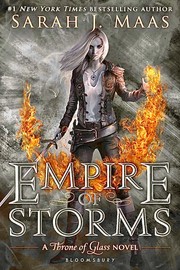
Empire of Storms
Aelin gathers armies and faces Maeve while Elide and Manon flee Morath.
4,466-word summary · 20 min read
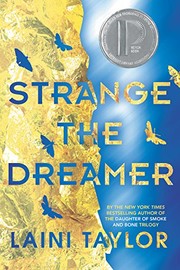
Strange the Dreamer
Orphan librarian Lazlo Strange joins a quest to the lost city of Weep, where blue-skinned godspawn haunt dreams.
2,221-word summary · 10 min read

Vow of Thieves
Kazi and Jase return to Tor's Watch to find it occupied, and their marriage is tested by captivity, betrayal, and a war for the town of Hell's Mouth.
2,059-word summary · 9 min read
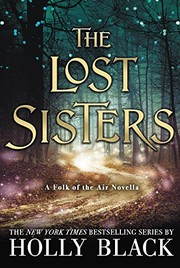
The Lost Sisters
Taryn Duarte writes a letter to her twin, Jude, explaining how she fell for Locke and why she stayed silent while he used them both.
1,914-word summary · 9 min read

Archenemies
Nova steals for the Anarchists while Adrian hides his Sentinel identity, and a serum that erases prodigy powers puts them both at risk.
2,485-word summary · 11 min read

The Siren
Saved from a shipwreck in 1930, Kahlen becomes a siren who sings men to their deaths for the Ocean, until a boy in a college library makes her want a life she…
2,369-word summary · 11 min read

Cruel Beauty
A girl raised to kill the demon prince who rules her cursed land instead falls in love with him, in a retelling that mixes Beauty and the Beast with Bluebeard…
2,669-word summary · 12 min read
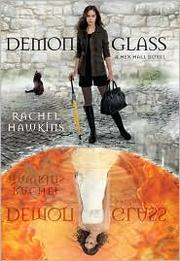
Demonglass
Sophie Mercer spends the summer at the Council's English estate, where two new demons, a suspicious host, and Archer's return complicate her plan to remove her…
2,771-word summary · 12 min read

Born at Midnight
Kylie Galen is sent to a camp for troubled teens and discovers it is a haven for vampires, werewolves, and witches, and that she may be something stranger…
2,310-word summary · 10 min read

The Rose & the Dagger
Shahrzad is pulled from her Caliph husband and left in a desert camp of rebels, needing to break his curse and end a war before it ends her.
2,520-word summary · 11 min read

We Hunt the Flame
In a fractured Arabia-inspired world, a disguised huntress and a prince-assassin race to find a magic-restoring book and confront an ancient evil.
2,195-word summary · 10 min read
Stars Above: A Lunar Chronicles Collection
Nine Lunar Chronicles stories fill in the histories of Cinder, Wolf, Thorne, Cress, Winter, and Jacin, and end with a wedding after the war.
2,230-word summary · 10 min read

Lore
Lore Perseous, the last of a hunted bloodline, is pulled back into the Agon when a wounded Athena offers her revenge against the god who killed her family.
2,188-word summary · 10 min read
House of Salt and Sorrows
Annaleigh Thaumas investigates her sister's death in a cursed island manor where the balls are illusions and the sea god is always listening.
2,025-word summary · 9 min read