Finale
2,898-word summary 13 min read
- First published
- 2012
- Publisher
- Simon & Schuster
- Series
- Hush, Hush (#4)
Reading options
What's inside (9 sections)
I came back to Finale because Nora and Patch had lived in my head since high school and I wanted to see them get an ending. I read the first three Hush, Hush books years ago, in that phase where every cover had wings and every boy had secrets. I found this last one on a slow Sunday and I told myself I would skim to remember the plot. I ended up reading straight through with cold coffee beside me. First published in 2012 by Simon & Schuster, this is book four in the Hush, Hush series and it closes Nora Grey's story. It is messy and rushed in places, and I still felt glad I finished it.
I remember liking Nora because she was not fearless. She studied. She worried about her mom. She made bad calls for boy reasons and then tried to fix them. Patch was the reason most of us kept reading, all grin and trouble with a past he would not explain. This finale puts them both in a corner where love means vows and war at once. I went in hoping for answers about Hank and the Black Hand and Nora's father. I got answers, though some came fast and tangled. If you are here for closure, you will get it. If you want tidy lore, you may sigh a lot like I did.
Picking up after the last book left Nora exposed
When this book opens, Nora is no longer just a girl with a strange boyfriend. She leads the Nephilim army by blood, whether she wants the job or not. Hank Millar, who raised Marcie and who ran much of Coldwater from the shadows, is dead but his plans keep moving. His group, the Black Hand, set Nephilim against fallen angels for years, and Nora now sits at the center of that hate. Patch, a fallen angel who loves her, stands on the other side of old law. Fallen angels possess Nephilim bodies each year during Cheshvan, and Nephilim hate that month with good reason.
That setup is a lot to hold, and the book knows it. Early chapters recap fast through talks with Vee, Nora's best friend, and with Nora's mom, who is grieving and trying to keep their house steady. Marcie Millar, once the school mean girl, is now tied to Nora by Hank in ways neither expected. Scott Parnell, a Nephilim friend with his own scars, drifts near. Dante, who claims to serve Nora as her second, watches everything. I kept notes because loyalties flip and names from book three pop back without much warm up.
What I felt most in these pages was tired love. Nora and Patch want to be together but every law says no. If Patch kills for her, he can be sent to hell. If Nora leads her people into war, she risks becoming Hank in softer shoes. They sneak talks on porches and in cars. They argue about promises. Patch teases to break tension and Nora snaps because she is scared. Those small scenes worked for me more than the war councils, because they felt like two teens with too much weight rather than chess pieces.
One strength here is place. Coldwater still feels damp and close, with school halls and farm roads and kitchens that smell of dinner. When Nephilim gather in barns and basements, you hear boots and folding chairs. When Patch appears on a balcony or a road at night, the air changes. Love in this book lives in borrowed minutes, and Fitzpatrick writes those minutes well.
Nora as leader when she barely feels grown
Nora did not ask to lead. Hank named her his heir to control her, and now Nephilim captains expect her to order a war against fallen angels. She spends much of the book trying to dodge that fate without looking weak. She meets with Nephilim men who test her. She listens to Dante, who trains her and pushes for battle. She leans on Scott, who knows street level hate from both sides. She tries to keep Vee out of danger while Vee insists on helping.
I liked Nora best when she said no. There is a stretch where she refuses a plan that would waste young Nephilim lives to prove strength. She asks for time. She asks for proof. She writes lists and checks supplies like a student planning a fundraiser, which made me smile because that is so Nora. She was always the girl who did homework to feel safe. Now homework means maps and oaths.
Dante is the problem that keeps growing. He acts loyal. He teaches her to fight. He stays close in a way that feels brotherly at first and then off. Patch warns her not to trust him, which makes her bristle because she hates being told whom to trust. Scott warns her too, in blunter terms. I saw where this was going before Nora did, and that frustrated me in a good way. You want to shake her and you also get why she holds on. When everyone older lies, a steady trainer feels like solid ground.
Marcie complicates the lead role in interesting ways. Hank left both girls with claims and secrets, and Marcie has grief of her own. School hate feels small now next to funerals, and the book lets them be awkward allies rather than best friends. I appreciated that. Not every rival needs a full redemption hug. Sometimes shared loss is enough to stop the old games. Their scenes in kitchens and cars, trading clipped lines, felt true to Coldwater.
The drag in this section is lore load. Vows and possession rules and devilcraft get explained in clumps. I reread two pages about what fallen angels can and cannot do during Cheshvan because the terms stacked up. The idea underneath is clear enough, that old hate feeds on itself, but the telling gets thick. I wished for fewer terms and more showing through one clear scene.
Patch and the vow that binds him
Patch Cipriano has always been the hook of this series, part guard and part risk. In Finale he tries to be better for Nora while his past keeps billing him. He made vows as a fallen angel. He owes time and service in ways that could drag him down. He also refuses to possess a Nephilim body by force, which sets him apart from others of his kind but leaves him exposed. Angels who want war see his softness as treason. Nephilim who hate all fallen angels see his wings and see Hank's stories.
His love for Nora here is less swagger and more care. He fixes her car. He waits outside school. He takes hits he could dodge to keep her name clean. There is a vow plot that runs through the middle, where Patch offers himself in binding words to shield Nora. I will keep the wording vague to avoid spoiling the exact scene, but the weight is real. In this world, spoken vows hold. Archangels listen. Breaking them costs. Fitzpatrick uses that well. When Patch speaks low and means it, you feel the air tighten.
That said, the book leans on Patch vanishing and returning. He leaves to protect her. She feels abandoned. He returns bloody. She forgives fast. They fight. They kiss. Repeat. I love them together but I tired of the loop by the middle. Vee even jokes about it in her blunt way, and I was grateful someone said it out loud. The love would feel stronger with fewer exits and one longer honest talk about what forever means when one of you does not age like the other.
Scott gives Patch a useful mirror. Scott is Nephilim and knows hate from inside. He does not trust fallen angels, including Patch, yet he respects Nora enough to hear her out. Their talks in trucks and on porches are blunt and male in a way that breaks up the romance haze. Blakely, the devilcraft chemist from earlier books, haunts the edges here as a warning about what tinkering with angel power costs. The book does well when it keeps these men as people with debts rather than symbols.
Patch shines most when he chooses restraint over rescue, and those quiet choices stayed with me.
Hank's shadow and what it costs Marcie
Even dead, Hank Millar drives much of the plot. Through letters and orders and old allies, his plan to pit Nephilim against fallen angels keeps unfolding. Nora learns more about what he did as the Black Hand, how he used fear to recruit, how he staged attacks to harden hearts. It is ugly stuff and it fits what we saw of him before, all charm at barbecues and steel underneath. The book does not excuse him. It shows how a parent's love curdles when mixed with power hunger. Hank claimed he acted for Nephilim freedom. He acted for Hank.
Nora's own father gets clearer here too. Harrison Grey was killed years before, and Nora grew up with gaps where answers should be. Finale fills some of those gaps through her mom and through what Patch finally tells. I will keep this general to avoid spoiling late reveals, but the shape is sad and plain. He loved Nora. He got caught between sides. His death was not random. Learning this steadies Nora rather than breaking her, which I liked. She stops chasing a ghost and starts acting as a daughter who can choose differently.
Marcie sits inside this grief too. She thought Hank was her protector. Finding out what he ordered, including hits that touched people she knew, shakes her mean girl armor. She does not turn sweet overnight. She stays prickly and proud. But she stops performing for a dead father and starts asking what she wants. Her scenes with Nora are short and careful. They compare notes. They visit graves. They do not hug much. That restraint felt right for two girls raised to compete.
Vee remains the heart. She cracks jokes when rooms go grim. She drives Nora places. She demands truth when Nora hides bruises or plans. Their friendship has always been the most stable love in the series, and Finale honors it. When Vee stands up for Nora in front of armed Nephilim men, I cheered out loud in my kitchen. It is brave in a human scale way, no wings needed.
If there is a flaw here, it is crowding. Hank's old network brings many minor names back fast. A few meetings blur together. I sometimes lost track of who ordered what and when. The emotional through line stays clear, that daughters pay for fathers' wars, but the logistics wobble.
Toward Nephilim war and Cheshvan fear
The back half marches toward open clash. Nephilim units drill. Fallen angels gather. Cheshvan, the month when fallen angels can possess Nephilim bodies, looms over every plan. For Nephilim, it is not theory. It is memory of uncles and brothers lost to that taking. For fallen angels, it is relief they crave and shame some of them carry. Dante pushes Nora to strike first. Patch pushes her to find another path that does not feed the cycle. Scott sits torn, loyal to his kind but sick of being used.
Fitzpatrick stages this build with barns and fields rather than grand castles, which suits Coldwater. Trucks idle. Phones buzz. Boys with new muscle test each other. Girls keep watch with keys laced through fingers. I felt the small town war fear more than any epic speech. When Nora addresses a room, her voice shakes at first and then steadies. She is not a born orator. She is a student who learned to speak plain when lies cost lives. Those scenes lift because they stay close to breath and hands.
There are ambushes and betrayals I will not detail. One turn with Dante landed hard for me even though I half expected it, because the book lets Nora feel stupid for missing signs. One rescue by Patch thrilled me even though the setup strained belief, because the image of wings in headlights still works after four books. One loss near the end made me put the book down and stare out the window. It was not the biggest death. It was the most wasteful, and that waste is the point. War eats the wrong people first.
The lore tangles worst here. Devilcraft and oath loopholes pile in fast chapters. I had to accept some beats on faith rather than logic. Why one vow binds and another bends gets explained quickly and then the story rushes on. I wished the book had picked two rules and stuck to them, letting fights turn on courage rather than clauses. When it does that, when Nora wins a moment by refusing to hate on command, the pages sing.
The war plot works best as pressure on love and friendship, less so as a legal puzzle.
The ending and who gets to be free
The final act moves quick. Alliances snap. Old lies about the night Nora was attacked as a child and about who ordered what come due. Nora has to choose in public whom she will be, Hank's heir or her father's daughter, a war chief or a peace maker. Patch has to choose what his vow means when keeping it might cost Nora her people. Marcie has to choose whether to cling to Hank's name or step out from it. Vee has to choose how far friendship goes when guns appear.
I will not map the last fight beat by beat. In broad strokes, Nora finds a third path that refuses Hank's war without pretending fallen angels are harmless. It hinges on a promise Patch made and on what Nora is willing to stake in return. It asks archangel attention in a way that feels both prayed and dared. Some readers will find it moving. Some will find it easy after so much blood. I landed between, touched by the image of Nora speaking for both sides while scared, and aware the fix came fast.
The last chapters give couple payoff fans wanted. Nora and Patch get tenderness without coy games. There is touching and joking and plain talk about forever. After books of push and pull, that softness felt earned even if the road there wobbled. Marcie gets a quieter close, less about boys and more about self respect. Vee gets loyalty repaid. Scott gets a chance to start over. Nora's mom gets grief acknowledged rather than shelved. Those small closes pleased me more than the grand terms of peace.
Does the peace hold? The book suggests a pause rather than a cure. Hate that old does not vanish because one girl spoke true. It goes quiet and waits. That honesty saved the ending for me. Fitzpatrick lets Coldwater breathe without pretending high school will be simple now. Wings still pass at night. Boys still posture. Girls still watch. But Nora walks taller, and Patch walks beside her without hiding.
My main gripe with the close is speed. After hundreds of pages of build, the final terms land in a rush. One key reveal about Hank's chain of command gets a paragraph where it deserved a chapter. One forgiveness comes too quick for the hurt involved. I turned the last page satisfied but slightly winded, like I had run to catch a bus and made it but lost a shoe.
What I will keep and what I wish were stronger
What I will keep: Nora's growth from careful student to someone who can say no to war in a room full of men. Patch at his kindest, when he listens rather than charms. Vee as the friend we all want, funny and fierce. The Coldwater texture, all damp fields and bright kitchens. The idea that vows matter and words cost, which gives sweet scenes real bite.
What I wish were stronger: the lore. Four books in, fallen angel politics still feel tangled, with too many special cases. The love triangle residue from earlier books clutters the middle, as Dante courts trust Nora should question sooner. Some side names blur. Battles turn on rule twists I had to reread. And the final peace, while sweet, arrives fast.
Would I tell a friend to read it? Yes, if they already love Nora and Patch. This is not a place to start. Read Hush, Hush first, then Crescendo and Silence, or the emotional payoffs will feel thin. Go in for the couple and for Vee, forgive the thick patches of law talk, and let the last fifty pages carry you. I finished late and I sat a bit with the window open, thinking about how rare it is for a winged boy saga to end on choosing kindness over score settling.
For me, Finale works as a farewell rather than a triumph. It hugs its people close and rushes past its problems. I closed it fond of Nora in a way I was not at book one. I stayed grateful to Vee for jokes when things turned grim. That fondness covers many flaws, though not all. If you grew up with these books, you will likely feel the same pull. If you are new, start at the start and earn this goodbye.
FAQ
Is Finale part of a series?
Yes. Published in 2012 by Simon & Schuster, it is book four in the Hush, Hush series and ends Nora and Patch's story.
Who are the main characters in Finale?
Nora Grey, a Nephilim heir, and Patch Cipriano, a fallen angel, with Vee and Marcie and Scott close by.
What is Cheshvan in Finale?
The month when fallen angels can possess Nephilim bodies, which fuels hate on both sides of the coming war.
Similar books
More from Hush, Hush first, then related titles.
Hush, Hush
Nora Grey's new biology partner Patch is gorgeous, infuriating, and hiding wings he was never meant to keep.
2,137-word summary · 9 min read
Crescendo
Nora and Patch survived book one, but distance, Marcie Millar, and a letter about her father's killer pull them apart.
2,980-word summary · 13 min read
Silence
Nora wakes in a cemetery with five months missing and a stranger called Jev who feels familiar.
3,615-word summary · 16 min read
Dreams of Gods & Monsters
Karou and Akiva unite chimera and seraphim against empires invading Earth.
2,179-word summary · 10 min read
Unearthly
Part-angel Clara moves to Wyoming to fulfill a vision of a boy and a forest fire.
2,241-word summary · 10 min read

Demonglass
Sophie Mercer spends the summer at the Council's English estate, where two new demons, a suspicious host, and Archer's return complicate her plan to remove her…
2,771-word summary · 12 min read

Born at Midnight
Kylie Galen is sent to a camp for troubled teens and discovers it is a haven for vampires, werewolves, and witches, and that she may be something stranger…
2,310-word summary · 10 min read
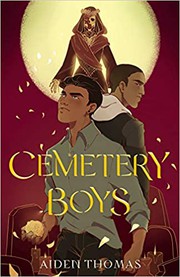
Cemetery Boys
A trans brujo in East Los Angeles summons the ghost of a boy who refuses to move on, and together they uncover a murder hidden beneath Día de los Muertos.
1,997-word summary · 9 min read
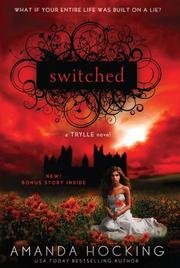
Switched
A Minnesota teenager who can make people obey her discovers she is a changeling troll princess, and the hidden kingdom she came from wants her back.
2,131-word summary · 9 min read
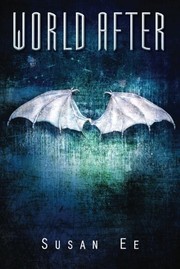
World After
Penryn wakes from near-death to find her altered sister Paige hunted as a monster, and follows her into the angels' scorpion factory and Uriel's coup.
2,213-word summary · 10 min read

The Indigo Spell
Sydney Sage hunts an aging witch, learns forbidden magic, and finally admits she loves Adrian, while the Alchemist tattoo on her cheek may be controlling her.
2,604-word summary · 12 min read
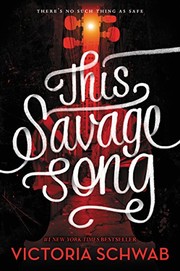
This Savage Song
Monster hunter Kate meets August, a monster who plays violin.
2,574-word summary · 11 min read
Half-Blood
Half-blood Alex trains at the Covenant while gods stir and rules close in.
2,601-word summary · 12 min read
Chain of Gold
Cordelia and James hunt demons in Edwardian London while hearts tangle.
2,364-word summary · 11 min read

The Golden Lily
Sydney Sage guards Jill at Amberwood Prep in Palm Springs, studies forbidden magic, favors Adrian over Brayden, and faces Alchemist custody in this second…
2,988-word summary · 13 min read

Forever
Grace turns wolf, Sam scrambles for a cure, and Mercy Falls votes to hunt the pack in trilogy end.
2,217-word summary · 10 min read


Hex Hall
A witch who ruins prom with a love spell is sent to Hex Hall, where a vampire roommate and old family secrets wait.
2,991-word summary · 13 min read

Days of Blood and Starlight
Karou takes up Brimstone's resurrection work while Akiva breaks with his empire as war burns Eretz.
2,866-word summary · 13 min read

Angelfall
After angels destroy the world, Penryn trades help with a wingless angel to rescue her sister from their stronghold.
2,420-word summary · 11 min read

Midnight Sun
Twilight retold by Edward Cullen: a silent mind, singer blood in Forks, and restraint tested to the edge.
3,824-word summary · 17 min read

Evermore
Ever Bloom survives the crash that kills her family and meets Damen, whose touch quiets the psychic noise in her head.
3,604-word summary · 16 min read
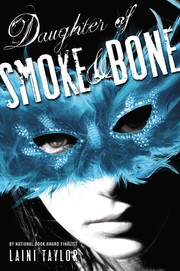
Daughter of Smoke and Bone
Art student Karou with blue hair runs errands for chimera Brimstone until war finds her.
2,563-word summary · 11 min read
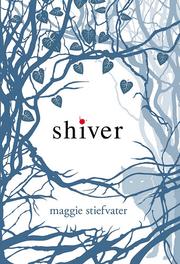
Shiver
Grace Brisbane loves yellow eyed wolf Sam, human in summer, as winter cold threatens to take him back for good in small town Mercy Falls.
2,408-word summary · 11 min read
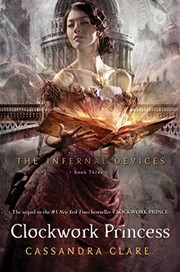
Clockwork Princess
Tessa chooses between Jem and Will as Mortmain's clockwork army closes on the London Institute.
3,289-word summary · 15 min read