
Divine Rivals
2,594-word summary 12 min read 368 pages in the book
- First published
- 2023
- Publisher
- Wednesday Books
- Pages
- 368
- ISBN
- 9781250857439
- Series
- Letters of Enchantment (#1)
Reading options
What's inside (8 sections)
I picked up Divine Rivals because I wanted a fantasy romance that still takes war seriously, and friends kept telling me the letters would get me first and the front line would keep me there. They were right about the order. Rebecca Ross published the book in 2023 with Wednesday Books as the first volume in the Letters of Enchantment series, a 368 page young adult novel that mixes rival journalists, enchanted typewriters, and sleeping gods waking to fight again. I expected the romance to carry everything. What stayed with me was how Ross pairs office rivalry with trench reporting, so the love story and the war story keep testing each other.
Iris Winnow is eighteen and tired in the way people get when they have carried a household too long. She lives in the city of Oath with her mother Nan, who has sunk into drink and pills after grief hollowed her out. Her older brother Forest, who once held them together, enlisted to fight for the goddess Enva and then stopped writing. Iris works as a junior clerk at the Oath Gazette, running copy and hoping for more. She types fast, she spots small errors, and she wants a byline badly enough to stay late without being asked. Money is thin. Rent presses. Iris keeps going because stopping would mean admitting how close they are to falling apart.
Roman Kitt sits across from her and seems to have everything she lacks. He is polished, well dressed, calm at his desk, the son of a wealthy family with old connections. He is also very good at the job. Where Iris writes with feeling and speed, Roman writes with clean structure and cool control. They dislike each other at once, or tell themselves they do. Their editor dangles one promotion to columnist, and the two turn the contest into daily sparring over word counts and headlines. I liked this opening because Ross understands newsrooms. The clatter of keys, the smell of ink, the rush before deadline, all of it feels lived in.
Rivals At The Oath Gazette
The Oath Gazette drives the first third. Iris and Roman are junior writers fighting for one columnist chair. Their boss Helena Hammond pushes them to file cleaner copy on shorter deadlines. Zeb Autry runs the presses. Attie, Iris's bright friend, works nearby and teases her about her gloom. The office rules are plain. Be accurate. Be quick. Do not miss deadline. Do not invent quotes.
Iris and Roman circle each other from the start. They read drafts over shoulders. They race to the same council meeting. They correct grammar in the margins. Roman leaves a note about a dangling modifier. Iris answers with a sharper headline. Their rivalry is funny at first, then pointed, then softer in a way neither names. Iris thinks Roman is spoiled. Roman thinks Iris is reckless. Both are partly right, which keeps their fights interesting.
What makes the contest matter is need. Roman could fall back on family money, though he would hate to admit it. Iris needs the columnist pay to keep her flat and to feed her mother. She stays late to rewrite a fire report. She volunteers for dull meetings because they might yield a quote. She counts coins for the tram. Roman notices more than he lets on. He brings an extra sandwich and pretends it was a mistake. He fixes her ribbon without a lecture. Those small kindnesses sit inside the rivalry and slowly change it.
The Gazette chapters also set up Oath. Streetcars rattle past stone offices. Cafes fill with readers arguing over headlines. Posters call young people to serve Enva, the sky goddess who sings mortals to sleep and guards the dead with music. Older people whisper about Dacre, god of the underworld, bound long ago and now stirring again. Most citizens treat the gods as distant history until the casualty lists grow. Ross keeps the early war at the edge, in missing brothers and ration talk, so when it moves to the center it feels like a storm reaching shore.
Letters Through The Wardrobe
The heart of the book is not the newsroom. It is the wardrobe in Iris's room and two typewriters linked by old magic.
After Forest leaves, Iris types letters to him on her grandmother's typewriter. She tells him about Nan sleeping all day, about the Gazette, about her anger that he left and her fear that silence means death. She slides the pages into her wardrobe door, half ritual and half hope, and the pages vanish. She assumes they go to Forest. They do not. They appear in another typewriter across the city, one owned by Roman Kitt.
Roman answers first from curiosity, then from care. He signs only as a friend, later as Carver. Iris signs as Winnow, then writes more freely once she believes the stranger cannot judge her at work. The exchange turns nightly. She tells him about fear of being forgotten. He tells her about pressure from his father and the cold weight of a house that values name over feeling. She writes in bursts, honest and raw. He writes back with steadier prose that loosens as trust grows. Neither knows who the other is.
I loved these chapters for their patience. They show Iris grieving without turning grief into a speech. They show Roman dropping his polished manner when no one watches. They argue about books and music and whether hope is foolish during war. They trade small details that return later with force. A flower pressed in paper. A shared folk tale about Enva singing the stars into place. The anonymity matters because both say true things they would hide face to face. Iris admits she feels invisible at the Gazette. Roman admits he feels trapped and guilty about his comfort.
The magic stays simple, which helps. Long ago three linked typewriters were made, so words typed on one appear on another. One belonged to Iris's grandmother. One belongs to Roman. The third waits for the sequel. There is no long lesson about rules. The wardrobe acts as mailbox and shrine at once. Iris opens its doors to send words into the dark. Roman keeps his machine like a secret he is both ashamed of and unwilling to give up. When clues pile up and they learn the truth, there is no clean scene for apology. They have been kind as strangers and sharp as rivals, and merging those histories takes time.
Gods Awake And A City Divided
Behind the romance sits an old quarrel between gods, sketched in plain strokes that widen as the book goes on.
Old songs say Enva loved mortals enough to sing them rest and guard their spirits after death. Dacre wanted rule over life and death both, and lured mortals with promises of power and return. They fought. Dacre was bound below. Enva slept to heal. Their music and silence shaped Oath, a city of music halls and presses, where songs for the dead still matter.
Now Dacre wakes. He calls soldiers with dreams of lost loved ones returned. He offers healing for wounds that should kill. He moves through blood and promises. Enva wakes in answer, weaker at first, singing through wires and half remembered hymns. The Gazette prints enlistment notices beside concert reviews for a while, then the notices take over the front page.
Ross keeps divinity at the level of rumor, song, and sudden horror. A soldier swears Dacre spoke his dead wife's name in the dark. A nurse says Enva's song steadied her hands during shelling. Iris files such stories with a reporter's caution. She wants proof. Proof arrives in burned villages and in soldiers who return changed, cold eyed and too obedient. I liked that restraint. The gods feel larger because we see them through human cost rather than speeches.
Oath splits under pressure. Rich families like the Kitts fund hospitals yet push for caution. Working families send sons and daughters because pay and duty leave little room to refuse. Marisol, who later runs a boarding house near the front, says she loves Enva but hates the hunger war brings. Attie wants truth even when it frightens readers. Helena must weigh safety against honesty, cutting lines that could aid Dacre's forces while trying not to lie. These frictions give the fantasy a social texture many romances skip.
To The Front Line
Halfway through, Iris makes the choice that lifts the book from charming to grave. Afraid for Forest and hungry for the columnist post, she volunteers as a war correspondent and takes the train toward the front. She tells only Attie the full truth. She packs her typewriter, thick socks, and bandages.
The front is mud, cold coffee, bad sleep, and ink freezing on keys. Ross writes it without glamour. Trenches cut brown lines through broken fields. Tents sag under rain. The wounded arrive in waves, and nurses triage by who might live through the night. Iris files short dispatches at first. She learns to ask names twice, to spell them right, to sit with soldiers who shake too hard to hold a cup. Her early pieces are good because she listens. Her later pieces are better because she stops trying to make war sound noble.
Forest is there and not there. Iris finds a bunk with his initials, a friend who recalls his laugh, a medic who treated his unit. The search shapes her days but never turns into a simple rescue plot. War has scattered his company, and news moves slower than fear. She keeps writing between shifts, and now her letters smell of smoke.
Roman follows through family influence he hates to use, driven by guilt over his hidden letters and a wish to prove himself. He arrives with better coats and worse sleep. His first dispatch is too polished. His second is better because he lets a sergeant's blunt quote stand. When they meet at the field hospital town, office rivalry looks small. They share sources. They argue about what to print when truth could panic Oath. Their love grows in labor, not speeches. A shared blanket. A mended coat. A hand held during a night raid.
The middle war chapters earn mixed feelings. Ross shows Iris learning to change dressings and carry messages under fire, and Roman sitting with dying boys who ask him to write last letters home. That care gives weight. But the pace slows. Patrol, shell, triage, file copy, repeat. Readers who came for banter may fidget. I admired the detail yet skimmed one long hospital stretch that taught the same lesson twice.
What The Letters Cost
The second half turns letter magic from comfort into risk, and this is where the romance pays off.
Dacre wants conduits. His power moves through blood, bargains, and written names. Objects that carry words across distance interest him because they cross lines he cannot always cross. Iris's typewriter, once private solace, becomes a thread he can tug. Dreams press harder. Ink smears as if touched by another hand. Roman senses the danger first and writes less to shield her, which hurts her because silence recalls Forest's silence.
Their hidden identities now complicate each meeting. Iris must square tender Carver with cool Roman who mocked her copy. Roman must square fierce Winnow with prickly Iris who beat him to a story. They fight in a barn while shells thump far off, and both have fair points. You lied, she says. You hid too, he answers. They do not forgive in one scene. Trust rebuilds in small acts. He carries her machine through rain so it will not rust. She takes blame for his dispatch to save a nurse from punishment.
Dacre's forces then strike the hospital town. Dacre tempts with return. He offers Iris her brother alive in exchange for service. He offers Roman freedom from family shame and safety for Iris at the price of betrayal. Both hesitate in human ways that held my breath. Enva answers not with thunder but with song recalled at the right moment, a hymn Iris half knows from childhood. Ross stages the climax as choice rather than duel. Who will you feed with your words, the god who promises to end loss or the goddess who asks you to bear it and tend others anyway.
The close moves fast after that slow middle. A rescue runs through burning streets. A letter must reach the right hands before dawn. A typewriter is smashed to cut a link Dacre abuses. The book ends on parting rather than wedding, with Iris and Roman parted by wounds and work, still tied by what they wrote. It is a first volume ending, open but not empty. The third typewriter waits. I closed sad and eager, the right mix for series romance.
Slow War, Strong Payoff, And Who Should Read It
Fair criticism belongs here, because the book does not hide its flaws.
The middle sags. Once Iris reaches the front, Ross repeats patrol and triage more often than needed. Two hospital shifts teach the same lesson about courage where one would do. Roman's guilt about his family gets restated in letters, thoughts, and dialogue, and the third pass adds little. Readers who love brisk fantasy may find the center heavy. I skimmed a supply scene that listed goods at length after mood was already set.
The war plot also leans on coincidence. A source appears in the canteen just as Iris needs a quote. A phone line works just long enough for a key call. Dacre's reach grows or shrinks to fit the scene, strong in dreams yet too weak to seize paper he wants. I wanted firmer limits sooner. Rules for blood bargains arrive late, rushed before they matter. An earlier briefing from a chaplain would have raised tension.
The Gazette setup also fades faster than I hoped once the train leaves Oath. Helena and Attie deserve more pages. Roman's father reads as cold wealth without much shade. Still, strengths outweigh the drag for the right reader. The letter device stays fresh because Ross varies its use. Sometimes letters confess. Sometimes they arrive too late and must be answered in person. Prose stays clear and musical. Short sentences carry shock. Longer ones carry grief. Iris and Roman choose each other in work before words, which makes their kisses feel like relief.
Who should pick it up. Readers who like young adult fantasy with a strong romantic thread, rival to lover tension set at work rather than school, and gods handled through hymns and wounds rather than lore dumps, will find much to love. Readers who want hard tactics, adult heat, or a standalone ending should look elsewhere. The book is romantic but chaste, violent but not graphic beyond hospital detail, and firmly book one in Letters of Enchantment. Go in knowing the war story slows in the middle and speeds at the close, and let the letters carry you through the mud.
I kept thinking of wardrobes after I finished. We store clothes and boxes we mean to sort. Iris stored hope in hers, page after page, until hope answered in a stranger's hand. That image holds the book for me better than any battle map. Two young writers, afraid and proud, typing through the night while gods argue overhead, learning that words can feed cruelty or care. Divine Rivals trusts that choice matters, on the page and at the front, and that trust gives its slow war a tender payoff.
FAQ
How do Iris and Roman exchange letters?
They write on linked typewriters that pass letters between them, first thinking the notes reach others. The link runs through old magic tied to Iris's wardrobe.
Is Divine Rivals a standalone?
No. It is the first book in the Letters of Enchantment series and ends with the war still going, setting up Ruthless Vows.
Is there much war violence?
Yes, in trenches, field hospitals, and bombing raids. It keeps detail frank but stays within young adult bounds.
Similar books
More like Divine Rivals →More from Letters of Enchantment first, then related titles.

Empire of Storms
Aelin gathers armies and faces Maeve while Elide and Manon flee Morath.
4,466-word summary · 20 min read

The Crown of Gilded Bones
Poppy, crowned queen, faces war with the Ascended after Casteel is taken captive.
2,562-word summary · 11 min read

Shadow Kiss
Rose trains for field trials as Strigoi threaten and Mason dies haunting her.
2,386-word summary · 11 min read
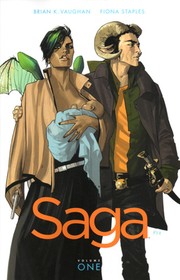
Saga, Volume 1
Alana and Marko flee a galaxy-wide war with baby Hazel, hunted by both sides.
2,200-word summary · 10 min read
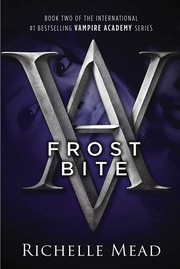
Frostbite
Rose guards royals at ski lodge as Strigoi hunt Moroi during break.
2,584-word summary · 11 min read

Daughter of Smoke and Bone
Art student Karou with blue hair runs errands for chimera Brimstone until war finds her.
2,563-word summary · 11 min read