
Reading options
What's inside (8 sections)
- Where everything starts, badly
- Zeus and Hera, or the family that never stops fighting
- The sea, the underworld, and the sisters who get left out
- Athena, Artemis, and the goddesses with the sharpest stories
- The rest of the Olympians, and the noise they make
- What the illustrations and the attitude are for
- Key takeaways
- FAQ
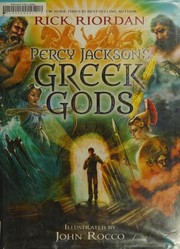
I picked this up because I wanted to see what happens when Percy Jackson gets handed a pen and told to write the myths himself instead of fighting a monster with one. Rick Riordan published it in 2014 with Disney Hyperion, and the gimmick works better than it has any right to. John Rocco's full-colour paintings sit between the stories, and they give the book a weight that a paperback of retold myths would not have had. The result is part history lesson, part stand-up routine, and part family album for the most dysfunctional set of deities in literature.
The premise is simple. A New York publisher asks Percy to write down what he knows about the Greek gods. He agrees, mostly so readers can survive an encounter with them. His opening line sets the tone:
A publisher in New York asked me to write down what I know about the Greek gods, and I was like, Can we do this anonymously? Because I don't need the Olympians mad at me again.
That voice carries the whole book. Percy is twelve in the novels, and here he sounds like the same kid: impatient with nonsense, loyal to his father, and far more interested in what the gods actually did than in what the old poets said about them. He tells the reader early that if they enjoy horror shows, blood baths, lying, stealing, backstabbing, and cannibalism, they are in the right place. He is not selling a sanitised set of Olympians.
Where everything starts, badly
Percy begins at the beginning, with Chaos and the first beings who come out of it. Gaea, the earth, and Uranus, the sky, produce the Titans, and the family immediately goes wrong. Uranus is a terrible husband and father, and Cronus, his son, decides to solve the problem with a sickle. Percy tells this with the matter-of-fact disgust of someone who has heard worse at camp. The castration of Uranus is not softened. Neither is the fact that Cronus then swallows his own children whole, one after another, because a prophecy says one of them will overthrow him.
Zeus survives because his mother Rhea hides him on Crete and hands Cronus a stone wrapped in blankets instead. Percy clearly enjoys this part. He has grown up around monsters who eat people, and Cronus belongs in that category as far as he is concerned. When Zeus grows up, he frees his siblings, and the war against the Titans follows. The Olympian side wins with help from the Cyclopes and the hundred-handed giants, and the winners divide the world by lot. Zeus takes the sky, Poseidon the sea, and Hades the underworld. Percy notes, with some feeling, that his father drew the damp one.
The early chapters also cover Prometheus and Pandora, and Percy treats them as the origin story for human bad luck. Prometheus steals fire and pays for it in a way that involves an eagle and a liver. Pandora opens the jar she was told to leave alone, and every misery gets out. Percy's point is blunt: the gods set the rules, then act surprised when people break them. It is a recurring note, and it ties this book back to the novels, where Luke Castellan makes the same complaint with a scorpion in his hand.
Percy also spends time on the Titans who survive the war. Atlas is condemned to hold up the sky, a punishment that reads to him like a supervisor making an employee work overtime for eternity. The Cyclopes and the hundred-handed giants get the same treatment, with Percy admitting that the old myths are full of relatives who help one another only after a fight. It is funny, but it is also a fair description of how the Olympians operate throughout the book. They cooperate when a threat is big enough and go back to feuding the moment it passes.
Zeus and Hera, or the family that never stops fighting
The chapter titled "Zeus Kills Everyone" is the loudest section in the book. Percy runs through the sky god's career as a lover and a liar, and the number of women he pursued gives the title its joke. Zeus becomes a bull for Europa, a swan for Leda, a shower of gold for Danaea, and a mortal for Semele. Each story ends with someone turned into something, hidden, or destroyed. Percy does not excuse any of it. He also points out that Zeus punished the women far more often than he punished himself, which is the kind of aside that makes these old stories feel new.
He does not skip the ugly endings, either. Semele asks to see Zeus in his true form and is burned, leaving their unborn son to be carried in his father's thigh until he is ready. Percy tells that one with a shudder and a joke in the same breath. Europa is carried off, Danaea is locked away by her father, and the pattern repeats until the reader starts to notice that being loved by Zeus is a dangerous thing. That pattern is the chapter's real argument, even if Percy never states it as one.
"Hera Gets a Little Cuckoo" follows the queen of the gods, and it is largely a record of jealousy. Hera catches Zeus cheating and takes it out on the other woman. Io, a priestess of Hera, ends up turned into a white cow, guarded by the hundred-eyed Argus and tormented by a fly after Hermes frees her. Percy tells it as a chain of punishments that never quite fits the crime. Hera gets her title from the sheer persistence of her rage, and Percy's sympathy sits mostly with whoever has least power at the time.
Percy lingers over Argus, the giant with a hundred eyes who never seems to sleep all at once, and over Hermes's clever way of putting him to rest. The fly that follows Io afterward is Hera's final touch, and Percy treats it as the last insult in a long list. What interests him is not whether Hera was right to be angry. He is more interested in the fact that the person who pays for the affair is rarely the person who started it.
What I like is that he lets the gods be ridiculous without turning them into villains in a courtroom drama. Zeus is funny when he is ridiculous and frightening when he is angry, sometimes in the same paragraph. Hera is cruel and also clearly stuck in a marriage she cannot leave. The book keeps both tones going, and that is closer to the old myths than a clean moral would be. It also means the stories stay interesting even when you know exactly how they end.
The sea, the underworld, and the sisters who get left out
Poseidon gets his turn, and Percy writes about the sea with more care than he writes about any other god. He describes his father's temper, his horses, his trident, and his habit of appearing when water is nearby. There is a warmth here that the Zeus chapters do not have. Percy is careful to say that a god being your parent does not make him good at parenting, and the admission feels honest given how little Poseidon does for him in the novels.
He tells of Poseidon's court beneath the waves, the horses that pull his chariot, and the way an earthquake is treated as evidence of his mood. Percy also notes how often his father is absent when it counts, and how easy it is for a god to be generous with gifts and stingy with time. The chapter is affectionate without being soft, which is the closest the book comes to a portrait of a parent who loves his child badly.
Hades is the opposite. Percy treats the lord of the dead as a grim businessman who got the worst territory and never stopped resenting it. The story of Persephone, taken below and then partly returned, gets a full retelling. Demeter's grief explains the seasons, and Percy touches the moment when her daughter eats the pomegranate seeds that bind her to the underworld for part of each year. The detail that sticks with me is how practical Percy is about Hades. He does not call him evil. He calls him a god with a job nobody wanted and a chip on his shoulder the size of Olympus.
Percy describes the underworld as a place with rules even Hades has to follow, and he spends time on the ferryman, the gates, and the dead who linger at the edge rather than passing on. Cerberus gets a mention, of course, and Percy is clear that the three-headed dog is less interesting than the job of guarding a door nobody wants to go through. The pomegranate story is where he slows down. Persephone is not simply stolen and returned; she eats something that binds her, and her mother's grief becomes the reason the world has winter. Percy respects that logic even while he mocks the characters.
Hestia and Demeter get their own space too, which surprised me. Hestia gave up her seat on Olympus to make room for Dionysus and kept the hearth instead, a quiet job that Percy respects more than he expected to. These chapters slow the book down in a good way. They remind you that not every myth needs a monster fight, and that the gods had duties as well as appetites.
Athena, Artemis, and the goddesses with the sharpest stories
Percy clearly enjoys Athena. He tells the story of her birth, born fully grown from Zeus's head after Hephaestus splits it open, with a wince and a joke. Then there is Arachne, the weaver who challenges Athena and loses, ending up as a spider. The contest for Athens, between Athena's olive tree and Poseidon's gift of salt water or a spring, gives Percy a chance to explain why the city has the name it does. He notes that the gifted item matters less than who gets to claim the victory, which is a very Percy reading of politics. One chapter is called "Athena Adopts a Handkerchief," and the title alone tells you how little reverence he brings to the material.
The Arachne story is told with real discomfort. Arachne is skilled and proud, and Athena's response to the challenge is to destroy her woven work before turning her into a spider for the crime of competing with a goddess. Percy points out how lopsided that is without giving a lecture. The Athens contest gets the same treatment. The olive tree wins because the gods say it does, and the people of the city get a name and a patron out of the deal.
Artemis gets "Artemis Unleashes the Death Pig," a heading that made me laugh before I had read a word of it. Percy covers the huntress who avoids men, the story of Callisto turned into a bear and then set in the sky, and Actaeon, who sees Artemis bathing and is turned into a stag that his own dogs tear apart. He is honest about how ugly these tales are. Artemis is loyal to her followers and merciless to anyone who offends her, and Percy never pretends otherwise. The book's best moments come when a familiar story lands differently because of who is telling it. A girl turned into a bear by a vengeful goddess reads differently when the narrator is a demigod who has watched gods punish people for less.
The rest of the Olympians, and the noise they make
Ares, Aphrodite, Hephaestus, Hermes, and Dionysus round out the tour. Ares comes off as the god Percy most wants to argue with, all swagger and appetite for a fight, and the story of his affair with Aphrodite and the net Hephaestus catches them in gets the full comic treatment. Aphrodite's birth from the sea foam is handled with the same mix of wonder and embarrassment that a twelve year old would bring. Hephaestus, thrown from Olympus and lamed, is the one god Percy seems sorry for, mostly because he does useful work and still gets mocked.
Hermes is the trickster, the newborn who steals Apollo's cattle and invents the lyre to smooth things over. Percy admires the nerve. He also notes that Hermes turns up in the underworld as a guide for the dead, which gives him a job on both sides of the divide. It is a small observation, but it makes the Olympians feel like a working family rather than a set of statues. Dionysus arrives last, born from Zeus's thigh after Semele is killed, and he brings madness and theatre and wine. Percy has known him as Mr. D at Camp Half-Blood, so his section carries an inside joke the rest of the book does not need. Apollo gets his stories of Daphne and the laurel, and of the beautiful Hyacinth, and Percy keeps returning to the idea that the gods fall in love the way other people start a fight.
By the end, the who's who is complete. There are nineteen chapters in all, moving from creation to the Twelve Olympians, and the structure is easy to follow even when the family tree is not. Percy includes notes and asides that explain what a Titan is, why the Olympians won, and which gods turn up in his own life. Readers who know the novels will catch references that pass other readers by. Readers who do not know them can still follow every story on its own terms.
What the illustrations and the attitude are for
John Rocco's paintings are a real part of the experience rather than decoration. There are dozens of full-colour images, and they give the gods the scale the text describes. A scene like Hades taking Persephone below gets a painting that makes the myth feel immediate. Rocco's Hades is exactly the sort of figure a kid would imagine after hearing too many stories at bedtime, and the book trusts the pictures to carry some of the atmosphere. The book is built as a handsome object, and I can see why a library or a classroom would want it on the shelf next to a plain paperback of myths. If you are buying for a reluctant reader, the pictures do half the work of getting them to open the cover.
The criticism I would make is that the joke voice can flatten the stories. Percy's sarcasm is funny for a chapter or two, but by the later gods I wanted a stretch of straight telling. Some myths get a paragraph where they deserve a page, and the book moves from one outrageous death to the next without much pause. Readers looking for a careful reference book on Greek religion will not find one here. The chapter titles, the asides, and the constant complaints about divine behaviour are the point, not obstacles to it. If you want a neutral guide, go elsewhere. If you want the myths as a kid who has met these gods and lived to complain about them would tell them, this is the book.
It is also worth saying who this is for. The publisher categorised it as young adult, and the tone fits that label, but the content is not gentle. Cannibalism, castration, murder, and betrayal appear in the first few chapters. A parent or teacher handing this to a reader who only knows Percy from the novels will have to decide how much to explain. The book assumes you can follow a story in which a god turns into a swan and nobody thinks that is strange. That is partly the joke, and a reader with no background may need someone nearby who knows why Europa matters. Used well, that gap is an invitation to ask questions rather than a flaw. Older readers will get the joke and the sources at the same time. I closed it with a clearer sense of the Olympians than I had before, which is not something I expected from a book that spends so much time making fun of them.
FAQ
Do you need to have read the Percy Jackson novels first?
No. The book is structured as a guide to the gods, and each myth is retold with enough background to follow on its own, though fans will catch extra references to Camp Half-Blood and Mr. D.
Is Percy Jackson's Greek Gods a novel?
No. It is an illustrated collection of Greek myths retold in Percy's voice, published by Disney Hyperion in 2014 with paintings by John Rocco and nineteen chapters that run from creation to the Olympians.
Is it suitable for younger children?
It is categorised as young adult, and the humour suits that range, but the myths include cannibalism, castration, and murder in the opening chapters, so younger readers may need guidance.
Similar books
The Tyrant's Tomb
Apollo, still trapped in a mortal teenager's body, carries Jason Grace's coffin to Camp Jupiter and must learn what a hero is before the emperors destroy it.
2,292-word summary · 10 min read
The Chalice of the Gods
Percy needs three recommendation letters from three gods to apply to college, so his first quest is recovering a stolen chalice from the god of old age.
2,106-word summary · 9 min read
The Burning Maze
Apollo, still trapped in a mortal teenager's body, follows a dangerous prophecy through the Labyrinth with Meg and Grover as the Triumvirate's grip tightens.
2,248-word summary · 10 min read
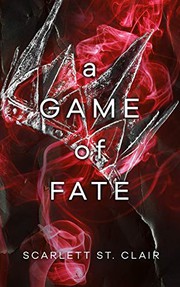
A Game of Fate
The Fates choose a queen for Hades, but the god of the dead resists, and the journalism student sent to expose him defies him at every turn.
2,373-word summary · 11 min read
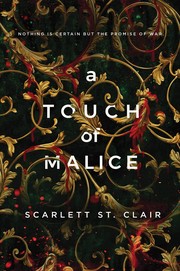
A Touch of Malice
Engaged Hades and Persephone face gods who vote on their marriage.
2,562-word summary · 11 min read
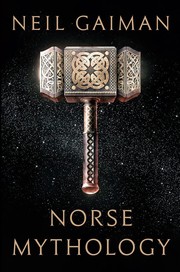
Norse Mythology
Gaiman retells the Norse myths in order, from the creation of the world to Ragnarok, with Odin, Thor and Loki at the center.
4,647-word summary · 21 min read
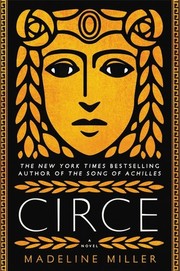
Circe
Exiled witch Circe masters plant magic on Aiaia, faces gods and monsters, loves Odysseus, and chooses a mortal life.
2,957-word summary · 13 min read
The Ship of the Dead
Magnus and his crew sail to the edges of the Norse worlds to stop Loki from launching Naglfar, the ship of the dead.
2,426-word summary · 11 min read
The Hammer of Thor
Magnus and Sam chase Thor's stolen hammer to a giant wedding heist, with Alex Fierro joining Floor Nineteen as Loki bargains and Ragnarok stirs.
3,068-word summary · 14 min read
The Dark Prophecy
Mortal Apollo and Leo cross America to free the Oracle as Commodus hunts them.
2,368-word summary · 11 min read
The Serpent's Shadow
Carter and Sadie Kane have three days to bind Apophis by his shadow before the serpent rises and unmakes the world.
2,941-word summary · 13 min read

The Throne of Fire
Carter and Sadie Kane have five days to wake the sun god Ra before the serpent Apophis breaks free and eats the world.
2,867-word summary · 13 min read
The Sword of Summer
A homeless Boston teen learns he is a Norse god son and dies on day one stopping a fire giant.
2,116-word summary · 9 min read
The Hidden Oracle
Apollo lands as a teen in New York with no powers and must earn his way back with Meg and demigods.
1,933-word summary · 9 min read

The Blood of Olympus
Seven demigods stop Gaia waking while Reyna brings Athena statue.
2,196-word summary · 10 min read
The Red Pyramid
Siblings Carter and Sadie Kane wake the Egyptian gods and must stop Set from destroying the world.
2,682-word summary · 12 min read
The House of Hades
Percy and Annabeth cross Tartarus while the five close the Doors of Death before Gaea wakes.
2,910-word summary · 13 min read
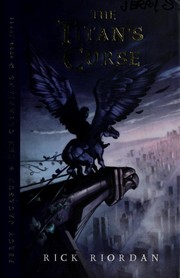
The Titan's Curse
Percy joins a winter quest to save Annabeth and Artemis with Thalia, Grover, Bianca and Zoe, facing Atlas and Luke under a hard Oracle prophecy on Mount…
2,229-word summary · 10 min read
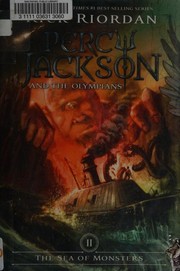
The Sea of Monsters
Percy returns for a second summer as Camp Half-Blood loses its borders, Tyson is claimed as his brother, and the Golden Fleece waits past the Sea of Monsters.
2,056-word summary · 9 min read
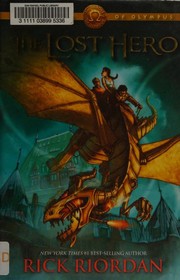
The Lost Hero
Jason wakes with no memory while Piper and Leo learn they are demigods sent to free Hera.
2,734-word summary · 12 min read
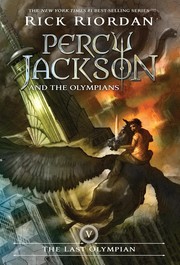
The Last Olympian
Percy Jackson turns sixteen as Kronos marches on Manhattan, forcing Camp Half-Blood into a final stand for Olympus beside Annabeth as the old prophecy demands…
2,564-word summary · 11 min read
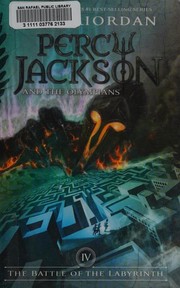
The Battle of the Labyrinth
Percy and Annabeth enter the shifting Labyrinth with Rachel Dare to stop Luke and Kronos from invading Camp Half-Blood.
2,924-word summary · 13 min read

The Lightning Thief
Rick Riordan's The Lightning Thief retold: Percy Jackson, Camp Half-Blood, the stolen bolt, and the road trip to the Underworld.
2,581-word summary · 11 min read

The Sandman, Vol. 4: Season of Mists
Dream travels to Hell and is handed the key to its gates, then every god and demon arrives to argue who should rule.
2,351-word summary · 10 min read
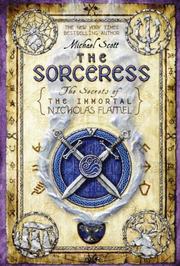
The Sorceress
Flamel takes the twins to London to find Gilgamesh, while Perenelle fights for her life on Alcatraz and an older threat wakes.
2,684-word summary · 12 min read
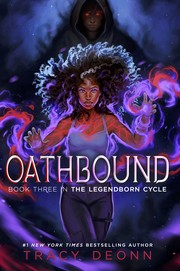
Oathbound
Bree Matthews has exiled herself from the Legendborn Order to protect the people she loves, but an unbreakable bargain with a shapeshifting demon has bound her…
2,751-word summary · 12 min read
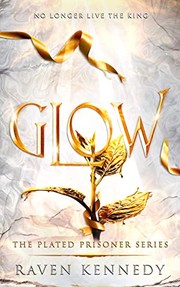
Glow
In the fourth Plated Prisoner book, Auren escapes Midas's death only to stand trial for it, while Slade fights to keep her and their world from tearing apart.
2,667-word summary · 12 min read
Cinderella Is Dead
Two centuries after Cinderella, a Black teenager in love with another girl flees her kingdom's forced marriage ball.
2,250-word summary · 10 min read
Beauty: A Retelling of the Story of Beauty and the Beast
Robin McKinley's debut retells Beauty and the Beast through a plain, book-loving girl whose nightly refusals of the Beast's proposals slowly become something…
2,100-word summary · 9 min read
Six Crimson Cranes
A princess who loses her voice when a curse turns her six brothers into cranes must work in secret, trust a dragon, and speak a name she does not know.
2,214-word summary · 10 min read