

A Touch of Malice
2,562-word summary 11 min read 455 pages in the book
- First published
- 2021
- Publisher
- Bloom Books
- Pages
- 455
- ISBN
- 9781728258478
- Series
- Hades and Persephone (#3)
Reading options
What's inside (8 sections)
I came to A Touch of Malice because the second book left me annoyed in a way that made me want to keep going. A Touch of Ruin ended with Persephone grieving and signing deals she should not have signed, and Hades holding secrets he should not have held. I wanted to see whether Scarlett St. Clair would make them pay for those choices or wipe the slate with a wedding. The premise of this third volume, first published in 2021 by Bloom Books in a 455 page edition, is right in the title. Malice is in the air. Persephone and Hades are engaged. The Olympians get a say about that marriage. Old debts come due. A mortal enemy who hates gods starts moving pieces on the board.
That setup felt bigger than the first two books. The first was a contract in a nightclub. The second was a couple fighting in public. This one tries to be a political novel, a revenge story, and a wedding novel at once. I read it in three sittings, impatient through the middle, caught again by the last hundred pages.
Persephone begins the book in an exposed position. Her relationship with Hades is known across New Athens. Reporters track her. Gods comment. Her mother Demeter is furious. Her friends Lexa and Sybil have been through harm that still shapes every choice she makes. Hades, God of the Dead and owner of clubs and casinos where mortals trade years and favors, offers protection that looks like love and control at the same time. Persephone wants to be chosen as a partner, not kept as a treasure. The engagement promises partnership. The plot keeps testing whether either of them knows how to do that.
Engaged in a city that watches
New Athens never lets these two alone, and St. Clair uses that well in the early chapters. Persephone tries to live a normal working life while planning a wedding to the most feared god in Greece. She goes to work. She answers messages. She trains her magic. All of it happens under cameras and gossip. Gods appear on talk shows. Tabloids run photos. Mortals protest. Friends ask prying questions with good intentions and bad timing.
Hades responds by tightening security and withholding information. He has lived for thousands of years with enemies, and his instinct is to handle threats quietly before Persephone hears about them. Persephone reads quiet as lying, especially after the previous book. Their early fights here follow a pattern readers will recognize. She asks for full honesty. He gives partial answers to spare her. She finds the missing piece from someone else. The fight gets worse because of the delay.
I found these opening quarrels tired at first and then telling. Tired because we have seen this loop twice now. Telling because engagement raises the stakes of the loop. Dating can survive repeated rupture and repair. Marriage, in this world of binding oaths and favors, cannot. Every promise has weight. When Hades says he will keep her safe, magic listens. When Persephone says she trusts him, gods around them take note. St. Clair is good on that pressure. Love stops being private feeling and becomes public contract.
The Underworld scenes balance the noise above. Persephone spends time in Hades palace, walks cold halls, works with plants in soil that should not support life. Hecate pushes her training forward with blunt corrections. Hermes brings news and jokes that keep the palace from feeling like a tomb. Cerberus and the staff give domestic texture. These passages were my favorite in the first third because they show competence growing. Persephone coaxes green shoots from black earth. She fails, adjusts watering and patience and breath, tries again. Small wins there feel earned in a way arguments in penthouses do not.
Grief that will not settle
The previous book ended with a death that broke Persephone. This book lives inside the aftermath without rushing past it. She replays what she could have done. She resents Hades for refusing the one intervention she begged for, even though she understands his reasons in calmer moments. She throws herself into work, training, and wedding plans to avoid sitting with loss. Grief leaks out sideways, in sharp remarks and reckless magic.
St. Clair lets Persephone be unlikable here in ways I respected. She snaps at friends who are also grieving. She makes bargains from anger. She confuses punishment with justice. One thread involves favors she owes from desperate deals struck while mourning. Those debts do not vanish because she feels sorry. Dangerous gods collect. The cost lands on people around her, not only on her. That consequence structure gives the middle of the book moral shape. Actions have prices. Love does not cancel them.
Hades carries his own grief and guilt, though the book shows it more through behavior than confession. He increases guards. He checks on Persephone through others. He avoids certain rooms and topics. At times his care reads as steady devotion. At other times it reads as management. A scene where he arranges protection without telling her captures both. He is right about the danger. He is wrong about the method. Persephone has told him plainly that secrecy wounds her more than fear does. He hears the words and still chooses silence when he judges the risk high enough.
Lexa absence hangs over the friend group. Sybil, sensitive to prophecy and already carrying trauma connected to Apollo, tries to hold steady. Their friendship scenes are short but specific. Shared meals. Unanswered texts. Clothes left where they were left. Persephone looking at a chair and expecting someone. Those details work better than speeches about loss. I wished there were more of them. The book sometimes prefers plot machinery to quiet pages, and grief needs quiet to feel real.
Gods who vote on love
The central political device is simple and effective. Zeus calls the Olympians to judge whether Hades and Persephone may marry. Marriage among gods is not a private vow here. It shifts alliances, power, fertility, access to the Underworld, and the balance between harvest and death. Demeter opposes with open fury. Hera maneuvers. Poseidon watches for advantage. Apollo has his own jeopardy after what he did to Persephone in the first book. Artemis, Hermes, and others weigh loyalty against fear.
These council chapters give the book its sweep. Gods in suits argue procedure while everyone knows the vote is about appetite and grudge as much as law. Persephone must stand before beings far older and defend her choice in language they respect. She has to speak in terms of duty, exchange, and future service. The intern who once wrote an angry column about Hades now negotiates with Zeus without flinching, even when her hands shake.
The Apollo thread runs through the vote and gives it moral force. In the first book Apollo assaulted Persephone after isolating her. She reported it. Mortal channels hesitated. Gods shrugged. Hades punished him through favor and force. Here the question of formal accountability returns. Will Olympus name what Apollo did and price it, or fold it into politics. St. Clair does not soften what happened. Blame stays on Apollo. Persephone names the act as done to her, not caused by her. Scenes where she faces him again are tense because he still carries social charm and divine status. Power protects him. Her demand strips some of that cover away.
Hera role is slippery in a fun way. She offers help that comes with hooks. She understands marriage as strategy better than anyone, and she tests Persephone with questions about what kind of queen she intends to be. One who decorates the Underworld. One who rules beside Hades with her own orders and allies. Persephone answers with growing clarity as the book goes on. Spring in the house of death cannot be ornamental. It has to be a governing force, bringing growth, mercy, and limits to a place built for endings. I liked those exchanges more than the louder Zeus confrontations because they treat queenship as work rather than prize.
Theseus and the mortal war
The action plot belongs largely to Theseus, the mortal who leads hatred of gods into organized violence. In myth he tried to carry off Helen and Persephone with Pirithous. Here he is recast as a charismatic leader of a group that calls itself liberation while practicing terror. He believes gods feed on mortals and should be brought down. He recruits angry young men, uses media, plants weapons and rumors, and targets people close to gods to prove gods cannot protect their own.
This is the least subtle part of the book, and my response split. On one hand Theseus gives Persephone someone to fight who is not a lover or parent. She can use magic outward instead of turning it on herself. Training with Hecate pays off in confrontations where she must shield friends, move fast, and accept that spring power can also choke and bind when aimed in anger. Those scenes have momentum. Mortals with guns and bombs against a goddess who makes vines break stone creates real tactical interest.
On the other hand Theseus himself reads flat for long stretches. Speeches about god tyranny repeat. Motives stay fixed. Allies get little interior life. Pirithous functions more as shadow than person. Adonis, tied to Persephone past and to Aphrodite complications, gets sharper moments because his vanity and hurt feel human. Helen presence, when it surfaces in talk and memory, reminds us what abduction stories cost women. But the Triad rank and file blur. I kept thinking of how much scarier a single true believer with a name and family would have been than crowds with slogans.
The violence has consequences, which saves the thread from feeling like filler. People are injured. Security fails. A public event turns frightening. Persephone learns that power shown openly draws fire as well as awe. Hades learns that he cannot guard every door. Their arguments about how to respond carry real disagreement. Hide and harden, or appear and risk. Persephone chooses visibility more often now, refusing to be locked in safety while friends bleed. That choice is brave and costly, and the book lets both truths stand.
Heat, bargains, and the old imbalance
Readers come to this series partly for explicit romance, and this volume delivers it in the established pattern. Scenes are frequent, detailed, and built around control, asking, yielding, and aftercare. Hades is experienced and commanding. Persephone is younger and newer to sex and power, but vocal about want. Checking in happens on the page. Limits are named. The book frames their heat as chosen and mutual.
I want to name the discomfort plainly because it persisted for me. Hades is thousands of years old, wealthy, feared, and magically bound to Persephone through favors and now engagement. Persephone is in her twenties, financially strained compared to him, still learning magic, and famous largely because of him. Consent spoken inside that gap is still consent, and St. Clair writes it as clear. Yet the gap shapes what feels available to refuse. When he withholds touch to teach patience, or gives orders she follows with pleasure, the scene works in romance logic and wobbles if you pause with outside eyes. I paused often.
The bargain system sharpens the question. Favors among gods bind like law. Persephone owes, Hades collects, others trade. Engagement does not dissolve those ledgers. In places the book acknowledges the tangle. Persephone asks whether obedience learned under contract can become free partnership. Hades asks whether protection can stop being control. Those are the right questions. Answers come unevenly. Some chapters show him stepping back, sharing information early, accepting her no without sulk. Other chapters slide back into secrecy for her own good. The inconsistency feels human, which helps fiction, but it also means the power critique never fully resolves. Perhaps that is honest for book three of an ongoing story. Marriage will test it further.
Pacing around the heat also affects plot balance. At 455 pages there is room for both, yet several love scenes arrive just as political tension peaks, cooling momentum. Readers who read for spice will welcome that rhythm as relief. Readers who read for council votes and Theseus pursuit may skim. I did both across different nights, which tells you the book serves two appetites without fully merging them.
What holds and what frays
What holds is the central pair after three books. Their talk has history. How Hades asks before touching after Apollo. How Persephone corrects her stance before a spell without being told. How Hermes deflects with humor when tension spikes. The Underworld garden remains the best engine. Life made in the place of death, tended daily, fragile and stubborn.
Myth retelling choices mostly serve character. Persephone as sheltered daughter of Demeter choosing the God of the Dead reads less as abduction and more as exit from one control into negotiated risk with another. Demeter love mixed with surveillance will ring true for many readers. Zeus as politician king, Hera as strategist, Apollo as golden predator, Artemis as wary ally, Hermes as courier with conscience. These updates keep ancient patterns legible in a city of clubs and newsrooms. Classicists wanting distance and dread may find it too cozy and therapeutic. Readers who like gods in therapy language about boundaries and communication will feel at home.
What frays is bloat and repetition. Middle chapters circle the same fight. She demands full disclosure. He delays. She learns from others. They reunite heatedly. The vote stalls, resumes, stalls. Theseus threatens, retreats, threatens. Some scenes could have been cut or merged without losing sense. Demeter veers toward single note fury, powerful in short bursts, tiring across many pages. Winter she summons in retaliation for the engagement should feel terrifying. At times it feels like weather set dressing between arguments. A tighter edit would have made cold feel cruel.
Prose stays lush and dialogue heavy, with short chapters and cliff cuts built for binge reading. That propulsive style carried me past sag. It also flattens at times into explanation. Feelings get named quickly after being shown, as if trust in the reader runs short. A look held too long. A hand withdrawn. Vines tightening before Persephone notices anger. Those images do more than paragraphs that translate them.
Who should pick this up. Readers who finished the first two and want payoff on Apollo accountability, the engagement, and the vote will get it, plus movement toward queenship that feels earned rather than granted. Readers new to the series should not start here. Begin with A Touch of Darkness to learn the contract and favor rules, then Ruin for grief and rupture. This book rewards memory. Small choices from earlier volumes return as debts and alliances.
I closed the final pages thinking less about the wedding than about work. Ruling beside Hades will require Persephone to keep saying hard things to powerful beings, including her husband. Loving him will require letting herself be guarded without being managed. The last chapters point toward that harder stage with Demeter still cold, Theseus still active, and Olympus still divided. Spring pushing up through black soil held my attention for three books because tending never ends. That image, more than any vow, is why I will read on.
FAQ
Should I read A Touch of Malice without the first two?
Yes. Read A Touch of Darkness first for the contract and favor rules, then A Touch of Ruin for the grief and rupture. Malice pays off memory of both.
Is A Touch of Malice spicy?
Yes, it is explicit new adult romance with frequent scenes built around control and consent. It follows the same heat level as the first two books.
Do I need to know Greek myth to follow it?
Basic familiarity helps, especially with Hades, Persephone, Demeter, and Apollo. The book explains its New Athens rules as it goes, so expertise is not required.
Similar books
More from Hades and Persephone first, then related titles.

A Touch of Darkness
Persephone bargains with Hades in New Athens nightclub deal.
2,545-word summary · 11 min read

A Touch of Ruin
Persephone and Hades go public, tragedy shatters trust, and she bargains toward queenship through grief.
2,085-word summary · 9 min read
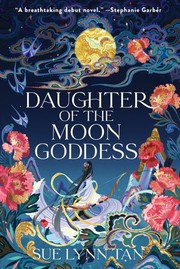
Daughter of the Moon Goddess
The daughter of Chang'e hides in the Celestial Court, trains as an archer, and risks everything to free her mother from the Emperor's punishment.
2,146-word summary · 10 min read

Electric Idol
Psyche wears a camera deal to dodge Aphrodite and falls for Eros.
2,332-word summary · 10 min read

Gleam
Captive Auren finds power in gold touch while Slade hunts her across kingdoms in Plated Prisoner book three.
2,073-word summary · 9 min read

Glint
A gold-skinned captive of Midas falls to Fourth Kingdom troops and learns to fight with the ribbons she hid.
2,969-word summary · 13 min read

Gild
A gold-skinned woman kept as Midas favored learns her cage is a bargain, then war drags her onto the road.
2,755-word summary · 12 min read

Neon Gods
Promised to Zeus, Persephone flees to Hades and trades fake dating for real choice in Olympus.
2,002-word summary · 9 min read

Norse Mythology
Gaiman retells the Norse myths in order, from the creation of the world to Ragnarok, with Odin, Thor and Loki at the center.
4,647-word summary · 21 min read

Circe
Exiled witch Circe masters plant magic on Aiaia, faces gods and monsters, loves Odysseus, and chooses a mortal life.
2,957-word summary · 13 min read

Magic Burns
A magic flare hits Atlanta, and mercenary Kate Daniels must recover stolen maps, find a missing witch, and keep a teenage girl alive while Celtic gods try to…
2,021-word summary · 9 min read

The Siren
Saved from a shipwreck in 1930, Kahlen becomes a siren who sings men to their deaths for the Ocean, until a boy in a college library makes her want a life she…
2,369-word summary · 11 min read

Cruel Beauty
A girl raised to kill the demon prince who rules her cursed land instead falls in love with him, in a retelling that mixes Beauty and the Beast with Bluebeard…
2,669-word summary · 12 min read

Fantasy Lover
A New Orleans sex therapist summons a cursed Spartan general from an ancient book and gets one month to break his spell.
2,315-word summary · 10 min read
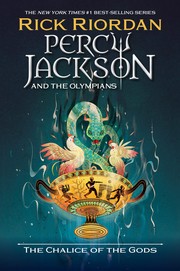
The Chalice of the Gods
Percy needs three recommendation letters from three gods to apply to college, so his first quest is recovering a stolen chalice from the god of old age.
2,106-word summary · 9 min read

The Rose & the Dagger
Shahrzad is pulled from her Caliph husband and left in a desert camp of rebels, needing to break his curse and end a war before it ends her.
2,520-word summary · 11 min read

The Burning Maze
Apollo, still trapped in a mortal teenager's body, follows a dangerous prophecy through the Labyrinth with Meg and Grover as the Triumvirate's grip tightens.
2,248-word summary · 10 min read

Stars Above: A Lunar Chronicles Collection
Nine Lunar Chronicles stories fill in the histories of Cinder, Wolf, Thorne, Cress, Winter, and Jacin, and end with a wedding after the war.
2,230-word summary · 10 min read

Lore
Lore Perseous, the last of a hunted bloodline, is pulled back into the Agon when a wounded Athena offers her revenge against the god who killed her family.
2,188-word summary · 10 min read

The Magician King
Quentin rules a peaceful Fillory until a golden key strands him on Earth, while Julia's brutal road from hedge witch to demigod rewrites the whole story.
2,431-word summary · 11 min read

A Fate Inked in Blood
In Norse-inspired Skaland, a fish gutter hiding a goddess's blood is claimed by a jarl, bound by oath, and guarded by the son she cannot want.
1,971-word summary · 9 min read

The Dark One
Winnie trades with Hook while Peter Pan turns cruel in Neverland.
2,596-word summary · 12 min read

Half-Blood
Half-blood Alex trains at the Covenant while gods stir and rules close in.
2,601-word summary · 12 min read

Ariadne
A Cretan princess helps Theseus kill the Minotaur, is abandoned on Naxos, and rebuilds her life while her sister faces tragedy in Athens.
2,350-word summary · 10 min read
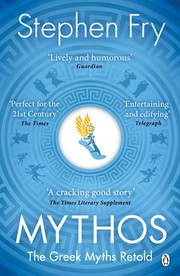
Mythos: The Greek Myths Retold
Stephen Fry retells Greek myths from Chaos to Perseus with jokes, footnotes, and very human gods.
2,553-word summary · 11 min read

Lore Olympus: Volume One
Sheltered Persephone meets lonely Hades at an Olympus party, and gossip, old trauma, and new power test their slow bond.
2,283-word summary · 10 min read
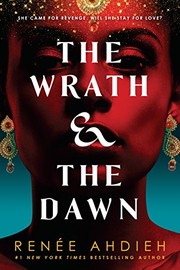
The Wrath and the Dawn
Shahrzad marries a king who executes each bride at dawn, hoping to stay alive through stories. A lush Arabian Nights retelling about grief, trust, and palace…
3,568-word summary · 16 min read

A Shadow in the Ember
Promised to Nyktos, the King of Gods, mortal Sera must face prophecy, the Rot and a bargain that tests loyalty and desire.
2,571-word summary · 11 min read

A Curse So Dark and Lonely
Pulled from Washington DC to Emberfall, Harper meets cursed Prince Rhen, who relives his eighteenth autumn until someone falls for him.
2,677-word summary · 12 min read

Heartless
Cath Pinkerton wants a bakery with Mary Ann, not a crown, until secret love for Jest and Jabberwock attacks pull her toward becoming the Queen of Hearts.
2,968-word summary · 13 min read