
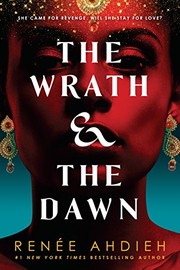
The Wrath and the Dawn
3,568-word summary 16 min read 432 pages in the book
- First published
- 2015
- Publisher
- Penguin Books
- Pages
- 432
- ISBN
- 9780147513854
- Series
- The Wrath and the Dawn (#1)
Reading options
What's inside (8 sections)
I picked up The Wrath and the Dawn because a friend kept telling me it was the Arabian Nights book that actually made her stay up late. I had tried a couple of retellings before and they felt stiff, like homework with pretty covers. This one, published in 2015 by Penguin Books, runs 432 pages in the edition I read. I went in expecting a simple revenge plot. A girl marries a killer king. She tricks him. She wins. What I got was slower and softer in places, sharper in others, and more romantic than I usually like, though I kept turning pages.
The setup is easy to explain to someone who has never heard of the old stories. In the city of Khorasan, the young Caliph Khalid Ibn al-Rashid takes a new bride almost every night. Each girl is dead by morning, strangled with a silk cord. No one will say plainly why he does it. Mothers hide daughters. Fathers pay bribes. Rumors fill the tea shops. Some say he is possessed. Some say he feeds something in the palace. Some say he simply enjoys it.
Shahrzad al-Khayzuran volunteers to be next. She is not dragged from her house. She walks in. Her best friend was one of the dead girls, taken the season before, and Shahrzad blames Khalid for it. She also carries guilt because she feels she pushed her friend toward the palace in the first place. Her father tries to stop her. Her maid Despina begs her. Tariq, the boy she grew up with and was supposed to marry, tries to talk her out of it and then promises to get her back. Shahrzad goes anyway. She has a plan that sounds thin when you say it out loud. She will tell Khalid a story each night and stop at a cliffhanger so he keeps her alive to hear the end.
I liked Shahrzad right away, even when she annoyed me. She is bold in a way that feels put on at first. She jokes with guards. She insults the Caliph to his face. She eats like she is starving and then pretends she does not care. Under that, she is grieving. Her house feels empty since her friend died. Her little sister Shiva still sleeps in her room some nights because she has nightmares about the palace. Shahrzad tells herself this marriage is a weapon. She will learn his habits. She will find a moment. She will kill him.
Khalid is harder to read on purpose. He is nineteen, thin from sleepless nights, polite in a tired way. He does not rage. He watches. He asks short questions. He seems bored by court flattery and oddly patient with Shahrzad when she baits him. The first time they are alone, I expected shouting or cruelty. Instead he listens. He eats little. He looks at the cord on his wrist and then away. Servants move around him quietly, as if loud noise might set something off.
Volunteering for dawn
The opening moves fast. Shahrzad says goodbye to her father and Shiva. Her father, who serves as the royal vizier, hates his job by now because he hands girls to the palace. He drinks. He begs her not to go. She goes. Despina, her handmaid and close friend, goes with her as her servant in the palace, which gives Shahrzad one person she can trust.
The wedding itself is small and cold. No feast. A short rite. Heavy jewelry that hurts her neck. Shahrzad notices details the way a scared person does. The smell of rose water. The weight of the veil. The way Khalid keeps his hands folded so no one sees them shake. Jalal, the captain of the guard and Khalid’s cousin, walks them to the chambers with jokes that do not land. He is handsome and loose with words, but his eyes stay on Khalid, checking.
That first night sets the pattern. Shahrzad expects to die. She has a small knife hidden. She plans to use it if she gets close. Khalid does not touch her the way she fears. He sits across the room. He asks why she volunteered when others hid. She lies and says she wanted power and pretty dresses. He does not believe her. She starts a story to fill the silence, something about a boy lost in the desert and a carpet seller who lies about magic. She stops in the middle, mid breath, and says she is tired. Khalid tells her to continue tomorrow. The sun comes up. She is alive.
I found that trick fun at first and then I started to worry about how long the book could keep it up. How many cliffhangers can one girl invent. Ahdieh handles it by making the stories shorter as the book goes on. Sometimes we get only a piece of a tale about thieves or lost lovers. Sometimes Shahrzad barely tells one because Khalid asks about her life instead. The point shifts from the tales themselves to the talking. They argue about endings. He remembers small parts she thought he missed. That felt true to how people actually get close, through repeated late nights more than grand speeches.
Stories to stay alive
The next stretch is day to day life in Rey, the palace. Mornings are the scariest time because that is when brides used to die. Shahrzad wakes surprised each dawn. She eats with Despina and tries to learn the halls without looking lost. The palace is huge and hot in the afternoons. Tiled courtyards. Lemon trees in pots. Libraries with ladders. Kitchens that smell of cumin and lamb. Servants whisper when she passes. Some pity her. Some resent her for living longer than the others.
Shahrzad keeps playing a double game. In daylight she snoops. She tries doors. She asks the older maids about the dead girls. She looks for poison, for orders, for anything that explains the killings. At night she performs. She tells stories with different voices. She makes Khalid laugh once and then pretends she did not notice. She also watches him. He has nightmares. He walks the halls. He writes letters he does not send. He meets with his uncle or his counselors and comes back gray faced.
One scene I remember clearly is the library. Shahrzad loves books and finds Khalid there late, reading with his sleeves pushed up. They fight about a story ending. She says the hero should forgive. He says forgiveness gets people killed. It is not a love scene in the usual sense. No one touches. But you feel the pull. Two lonely readers arguing in a quiet room while rain hits the high windows. I have had arguments like that with friends about books. I liked being in that room with them.
Another small moment stuck with me. Shahrzad hates the food at first because her stomach is tight with fear. Despina steals flatbread and figs for her and they eat on the floor like kids. Despina is practical and funny and scared too. She paints Shahrzad’s eyes, fixes her hair, tells her which guards take bribes of sweets. Their friendship gives the palace parts warmth. Without Despina, those chapters would feel too empty.
The storytelling starts to change Shahrzad as well. She begins to look forward to the nights. She picks tales that poke at Khalid. A tale about a king who judges too fast. A tale about a boy who carries blame that is not his. Khalid hears the point and does not comment. He asks instead about her sister, about Tariq, about what Khorasan was like before the killings. Shahrzad lies less as time passes, which scares her. She came to kill him. She finds herself wanting to understand him. She hates that want.
The boy with the rope around his neck
About a third in, the book starts to hint at why Khalid kills. I will keep this light because finding it out is part of the pull, but the broad shape is this. Khalid did something terrible when he first took the throne, something tied to an attack and a choice he made under pressure. People he trusted paid for it. He believes he carries a curse now, that anyone he loves will die badly, and that the brides die because of that shadow over him. Whether the curse is real magic or guilt dressed up as magic stays blurry for much of the book. Characters argue about it. Holy men give different answers. Khalid acts as if it is real.
That belief drives his cold routine. He marries because his counselors say a king must marry and produce an heir, and because refusing would admit weakness to rivals. He executes at dawn because he thinks letting a wife live will bring worse death to her and to the city. He keeps the cord himself rather than handing the work to an executioner. He does not sleep after. He writes the girl’s name in a book. I found those details upsetting in a way that worked. He is not painted as a beast who enjoys blood. He is painted as a tired boy doing a cruel rite he thinks he must do.
Does that excuse him. For me, not really, and this is where I had to pause and argue with the book. Shahrzad starts to pity him fairly early, after only a few kind nights. She tells herself he is broken, not evil. Part of me went along because Khalid is written gently. He brings her books. He asks after Shiva. He stands between her and angry courtiers. Another part of me kept thinking about the dead girls. They do not get chapters. Their families get almost no page time except Shahrzad’s grief for her friend. The book asks us to focus on the living pair and to accept that Khalid’s pain explains a lot. I accepted some of it because the curse plot gives him a reason beyond cruelty, but I never fully bought the speed of Shahrzad’s softening. She came to avenge a murder. A few stories and sweet looks should not wipe that out.
To be fair, Ahdieh does show Shahrzad fighting herself. She reminds herself of names. She touches her hidden knife. She writes angry notes she burns. She asks Despina if she is a traitor for laughing at Khalid’s jokes. Those beats helped me stay with her. It did not feel like she forgot her friend. It felt like she was split. Grief in one hand, new care in the other. I have felt split like that after losing someone, where laughing feels disloyal. That part rang true even when the romance moved faster than I wanted.
There is also the question of power. Khalid can order anyone killed. Shahrzad can only refuse food or withhold a story ending. Every kindness he shows happens inside that gap. He lets her use the library. He lets her keep Despina. He stops a guard from searching her room. Those are real kindnesses, but he can take them back. The book does not always sit with how lopsided that is. It prefers banter and lingering looks. I wished for one blunt talk where Shahrzad says plainly that consent is thin when one person holds the cord. She comes close once or twice, then the scene slides into a story or a kiss. Readers who are sensitive to that dynamic may find the middle hard. I did at points, even as I kept reading.
Despina, Jalal, and palace routines
The middle of the book leans on palace life, and this is both cozy and slow. Days fall into a rhythm. Morning baths. Hair oiled and braided. Lessons in court manners that Shahrzad fails on purpose. Walks with Despina to the market through a side gate, with guards trailing. Evenings of stories. Malid’s cousin Jalal hovers through many of these scenes, teasing and watching.
Jalal took a while to win me over. At first he seems like comic relief, the flirty captain with a quick sword and quicker mouth. He flirts with Despina, who shuts him down with dry lines that made me laugh out loud. Slowly you see he carries a lot. He loves Khalid like a brother and hates what the throne asks of him. He cleans up messes. He lies to counselors. He drinks too much after executions. His jokes cover shame. Once I saw that, his scenes with Despina gained weight. They spar, then they trade true stories about growing up near power and learning to duck.
Despina deserves more praise than she usually gets in reviews I saw. She first reads like comic relief. In fact she is the only person in the palace who knew Shahrzad before. She remembers Shiva’s laugh, Tariq’s sulk, the old house with the blue door. She keeps Shahrzad tied to who she was. She also has her own secrets, including a lover and a pregnancy scare that the book treats with surprising care for a young adult fantasy. Her fear feels practical. If Shahrzad dies, Despina loses protection. If Shahrzad lives, Despina still serves a court that sees servants as tools. She stays anyway. That loyalty moved me more than some of the kisses.
Other palace threads fill out the picture. Khalid’s uncle presses him to be harsher with rebels. Counselors argue about taxes and grain after a bad harvest. A young servant girl asks Shahrzad for a charm to avoid being chosen as bride, which guts Shahrzad because she cannot promise safety. An old nurse tells half stories about the night Khalid took power, then stops when Jalal enters. These bits build a sense that the whole city holds its breath each sunset. I liked that wide view. It kept the book from shrinking to only two people in a room.
The slow middle will test some readers. There are many meals described in loving detail. Pomegranate seeds. Honeyed lamb. Pistachio cakes. Shahrzad tries on dresses. She bathes. She trades barbs. If you want battles every chapter, you will skim here. I skimmed a little around the two hundred page mark, I admit it. The banter is charming, but after the fourth long dinner I wanted new information. A friend who loves romance told me those dinners were her favorite part because they show trust growing in small sips. That helped me reframe it on reread. Still, tighter editing would have helped.
Tariq and the camp outside the walls
While Shahrzad learns palace halls, Tariq waits outside them and then stops waiting. Tariq is Shahrzad’s childhood love, the son of a tribal leader, steady and blunt where Khalid is quiet. He promised Shahrzad’s father he would save her. He gathers men, including a fierce fighter named Omar with a scarred face and a dry sense of humor, and camps in the desert hills. They raid supply carts. They pass notes through servants. They plan to storm a gate during a festival when guards drink.
I had mixed feelings about Tariq. On one hand, his love is clear and long standing. He remembers Shahrzad as a kid who climbed walls and stole apricots. He writes her letters he cannot send. He argues with his father about risking men for one girl. On the other hand, he refuses to hear that Shahrzad might be choosing to stay. Every message she smuggles out saying wait, he reads as proof she is coerced. He is not wrong to worry, given Khalid’s record. But his refusal to listen makes him feel stuck while Shahrzad changes. By the second half, I pitied him more than I rooted for him.
The rebel camp scenes give the book air. Dust. Horses. Night watches. Omar teaching younger boys to hold a spear. Tariq’s father warning that Khorasan will bleed if they strike and miss. A captured guard talks about Khalid’s sleepless eyes, which confuses Tariq because monsters are supposed to sleep well. Those moments broaden the stakes beyond romance. If Tariq attacks, many will die, including servants like Despina. Shahrzad knows this and tries to delay him, which Tariq takes as betrayal. It is a sad knot with no clean cut.
There is a strong set piece at a desert well where Tariq meets Shahrzad in secret during a market trip. She begs for time. He begs her to leave now. Despina keeps watch and lies badly to guards. Jalal almost catches them. The talk ends with no agreement, only tears. Shahrzad rides back to the palace feeling sick. Tariq rides back to camp feeling used. I thought that scene was one of the best in the book because no one is the villain in it. Two people who love each other want different things and both have reasons.
The rebels also force Khalid to act as king in council and on the field, while his private life with Shahrzad pulls him the other way. He must decide about grain stores, about punishing villages that shelter fighters, about whether to hang a captured boy as example. Shahrzad watches him choose mercy when he can and harshness when counselors press him, and she starts to see the trap of the throne. Any choice costs lives. That political edge kept me interested when the love triangle tired me. I wished the book had spent even more time there and less on who Shahrzad will kiss next.
What dragged for me and what held
The last quarter tightens. Secrets come out faster. Shahrzad learns more about the night Khalid took power and the role of a man called the Magus, a sorcerer figure tied to the curse talk. Despina’s secret grows too big to hide. Jalal makes a choice that puts him against his own family. Tariq moves from planning to doing. Shahrzad has to pick where she stands, which covers who she loves and what kind of queen, if she lives, she would be. I will not spoil the final turns except to say the dawn scenes gain real dread again after the cozy middle, and one rescue through hidden passages had me holding my breath.
What held for me, after finishing, was the voice. Ahdieh writes lush scenes without getting stuck. Cloth, food, tile, sky. She loves color. Amber. Indigo. Saffron. She writes kisses with restraint, which I appreciated. A hand on a sleeve. A forehead leaned close. Breath held. She writes anger well too. Shahrzad throws things. She says cruel true things and then regrets them. Khalid goes still rather than shouting, which feels scarier. Despina’s jokes land because they are short and tired, not polished.
What dragged, to be honest, falls into three rough areas, though they blur together. First, the romance asks a lot of forgiveness fast. Khalid ordered many deaths. The book gives reasons tied to guilt and possible magic, but reasons are not the same as repair. Shahrzad forgives in steps, yet the steps feel quick for the weight. Second, the middle repeats its moves. Story, banter, meal, jealous look from Tariq’s side, repeat. I wanted either more palace plotting or more rebel action to break the loop. Third, some villains feel thin. Counselors sneer. The Magus looms more as rumor than person in this volume. That may be on purpose since this is book one in The Wrath and the Dawn series, but it left the threat vague for long stretches.
I should say who I think will love this. If you enjoy retelling stories with romance at the center, slow trust, pretty settings, and a heroine who talks back, this will hit. If you want grim politics or a heroine who holds to vengeance to the end, you may grind your teeth. I sit between. I rolled my eyes at a few kisses timed right after grim news. I also teared up when Shahrzad braided Shiva’s hair from memory and when Khalid finally slept an hour in daylight with his head on a book. Small tender images like that stayed with me longer than the big twists.
A note on age and content since friends ask me. The book is sold as young adult. There is violence in the premise and some fighting later, plus talk of executions. There is kissing and bedroom tension, but scenes close the door rather than show much. Language stays mild. Grief and guilt weigh heavier than gore. I would hand it to a teen who likes fantasy romance and can handle talk of death, and to adults who want something warm after heavy reads.
I finished the 432 pages in four nights, which tells you something. I complained about the slow middle and the fast forgiveness, and I still reached for it after work. Shahrzad’s voice carries, Despina steals scenes, Jalal grows on you, Tariq breaks your heart a little, Khalid stays sad and careful in a way that made me want him to get one full night of sleep. The Arabian Nights frame gives the whole thing a familiar hum, stories saving lives one dawn at a time, while the palace details make Khorasan feel lived in. I have the next book on my shelf. I want to know if Ahdieh makes Khalid earn the mercy Shahrzad starts to offer here, and whether Shahrzad can be both avenger and queen without losing herself.
FAQ
Is The Wrath and the Dawn part of a series?
Yes, it is book one in The Wrath and the Dawn series by Renée Ahdieh, published in 2015 by Penguin Books. The story continues in a second book.
Who are the main characters?
Shahrzad al-Khayzuran volunteers to marry Caliph Khalid Ibn al-Rashid after her best friend dies. Tariq, her childhood love, Despina her handmaid, and Jalal Khalid's captain fill out the palace and rebel sides.
Is it suitable for young adult readers?
It is sold as young adult fantasy romance with violence in the premise and kissing that stays chaste. The 432 page story deals with grief and executions, so sensitive readers should know that going in.
Similar books
More from The Wrath and the Dawn first, then related titles.

The Rose & the Dagger
Shahrzad is pulled from her Caliph husband and left in a desert camp of rebels, needing to break his curse and end a war before it ends her.
2,520-word summary · 11 min read

Cruel Beauty
A girl raised to kill the demon prince who rules her cursed land instead falls in love with him, in a retelling that mixes Beauty and the Beast with Bluebeard…
2,669-word summary · 12 min read

Stars Above: A Lunar Chronicles Collection
Nine Lunar Chronicles stories fill in the histories of Cinder, Wolf, Thorne, Cress, Winter, and Jacin, and end with a wedding after the war.
2,230-word summary · 10 min read
A Curse So Dark and Lonely
Pulled from Washington DC to Emberfall, Harper meets cursed Prince Rhen, who relives his eighteenth autumn until someone falls for him.
2,677-word summary · 12 min read

Heartless
Cath Pinkerton wants a bakery with Mary Ann, not a crown, until secret love for Jest and Jabberwock attacks pull her toward becoming the Queen of Hearts.
2,968-word summary · 13 min read

Vow of Thieves
Kazi and Jase return to Tor's Watch to find it occupied, and their marriage is tested by captivity, betrayal, and a war for the town of Hell's Mouth.
2,059-word summary · 9 min read

The Lost Sisters
Taryn Duarte writes a letter to her twin, Jude, explaining how she fell for Locke and why she stayed silent while he used them both.
1,914-word summary · 9 min read

Archenemies
Nova steals for the Anarchists while Adrian hides his Sentinel identity, and a serum that erases prodigy powers puts them both at risk.
2,485-word summary · 11 min read

The Siren
Saved from a shipwreck in 1930, Kahlen becomes a siren who sings men to their deaths for the Ocean, until a boy in a college library makes her want a life she…
2,369-word summary · 11 min read

Demonglass
Sophie Mercer spends the summer at the Council's English estate, where two new demons, a suspicious host, and Archer's return complicate her plan to remove her…
2,771-word summary · 12 min read

Born at Midnight
Kylie Galen is sent to a camp for troubled teens and discovers it is a haven for vampires, werewolves, and witches, and that she may be something stranger…
2,310-word summary · 10 min read

We Hunt the Flame
In a fractured Arabia-inspired world, a disguised huntress and a prince-assassin race to find a magic-restoring book and confront an ancient evil.
2,195-word summary · 10 min read

Lore
Lore Perseous, the last of a hunted bloodline, is pulled back into the Agon when a wounded Athena offers her revenge against the god who killed her family.
2,188-word summary · 10 min read
House of Salt and Sorrows
Annaleigh Thaumas investigates her sister's death in a cursed island manor where the balls are illusions and the sea god is always listening.
2,025-word summary · 9 min read
Daughter of the Moon Goddess
The daughter of Chang'e hides in the Celestial Court, trains as an archer, and risks everything to free her mother from the Emperor's punishment.
2,146-word summary · 10 min read

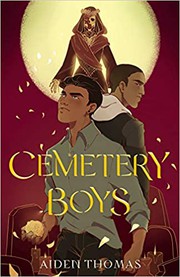
Cemetery Boys
A trans brujo in East Los Angeles summons the ghost of a boy who refuses to move on, and together they uncover a murder hidden beneath Día de los Muertos.
1,997-word summary · 9 min read

Blue Moon
Ever Bloom tries to save her immortal boyfriend, Damen, from a mysterious illness while a new student named Roman quietly takes control of her school and her…
1,998-word summary · 9 min read
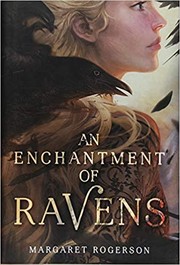
An Enchantment of Ravens
Isobel, a mortal artist in the fairy town of Whimsy, paints a portrait of the autumn prince and falls in love with him, breaking the laws of her craft.
2,087-word summary · 9 min read
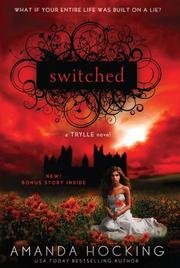
Switched
A Minnesota teenager who can make people obey her discovers she is a changeling troll princess, and the hidden kingdom she came from wants her back.
2,131-word summary · 9 min read
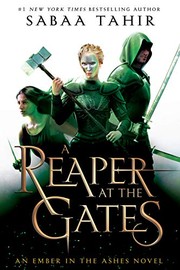
A Reaper at the Gates
The Martial capital falls to an army of ghosts, Elias becomes the Soul Catcher, and Laia and Helene pay brutal prices as the Nightbringer moves to free the…
1,991-word summary · 9 min read

Fable
Abandoned on a lawless island at fourteen, Fable spends four years diving for gems to buy passage off it, straight into the cutthroat trade of the Narrows.
2,320-word summary · 10 min read

World After
Penryn wakes from near-death to find her altered sister Paige hunted as a monster, and follows her into the angels' scorpion factory and Uriel's coup.
2,213-word summary · 10 min read
The Prison Healer
Kiva, a teenage healer in a death prison, volunteers to face four elemental trials for a dying rebel queen, and the truths she uncovers change everything.
2,062-word summary · 9 min read

The Indigo Spell
Sydney Sage hunts an aging witch, learns forbidden magic, and finally admits she loves Adrian, while the Alchemist tattoo on her cheek may be controlling her.
2,604-word summary · 12 min read

Emerald Green
Gwyneth must close the blood circle that will crown an immortal tyrant, and the prophecy says her death is the final lock.
2,044-word summary · 9 min read
Beautiful Chaos
Ethan Wate is losing himself piece by piece as the broken Order of Things demands a sacrifice, and the answer may be the last person anyone expected.
2,068-word summary · 9 min read

Wayward Son
Simon and Baz road trip America after the war to decide what normal means.
2,505-word summary · 11 min read

This Savage Song
Monster hunter Kate meets August, a monster who plays violin.
2,574-word summary · 11 min read

These Hollow Vows
Brie trades with the Unseelie to save her sister and steals for a prince.
2,384-word summary · 11 min read