
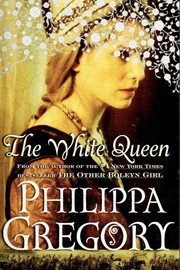
The White Queen
2,926-word summary 13 min read 415 pages in the book
- First published
- 2009
- Publisher
- Simon & Schuster
- Pages
- 415
- ISBN
- 9781416563686
- Series
- The Plantagenet and Tudor Novels (#2)
Reading options
What's inside (8 sections)
I came to this one sideways. I had read The Red Queen first and I wanted the other side of the same fight. The White Queen by Philippa Gregory was first published in 2009 by Simon and Schuster, 415 pages in the standard hardcover, ISBN 9781416563686. It is book 2 in The Plantagenet and Tudor Novels, and in the Cousins War group it follows The Red Queen. Where that book stayed close to Margaret Beaufort and the Lancaster cause, this one stays close to Elizabeth Woodville and the York cause. I liked having both voices in my head. It made the war feel less like dates and more like two women watching the same field from opposite hills.
The setup pulled me in fast. Elizabeth is young, widowed, left with two small boys after her first husband dies fighting for Lancaster. Her family had sided that way. She has little money and land claims that need a king to settle them. Her mother Jacquetta is with her, clever and calm, the kind of woman who knows how courts hear a plea. They wait by the road under oak trees where Edward IV is expected to ride past with his party. Elizabeth steps forward with her sons and asks for help. Edward notices her. He notices her in a way that changes everything for her family.
Gregory writes that first meeting as heat and calculation mixed together. Elizabeth wants her lands back. Edward wants her company. She refuses to become his mistress. That refusal is the hinge of the early book. Edward keeps returning. He talks. He presses. She holds her line because she knows what happens to women who say yes without marriage. Then comes the secret marriage, done quietly without witnesses who matter to the lords. A priest, a few family members, vows spoken where no great earl can object. For months almost no one knows the king is married.
I found those early chapters fun and uneasy at once. Fun because Elizabeth gets what she asked for and more. Uneasy because you can see the cost building. When Edward finally names her as queen, the court is stunned. He was supposed to marry for alliance, probably a French match that would bring money and peace. Instead he chose love or lust, depending on who tells it, and a widow with Lancaster ties and a large family. The old nobility smile thin smiles. Richard Neville, Earl of Warwick, who had worked to put Edward on the throne and who expected to guide him, takes it as insult. That break between Edward and Warwick drives much of what follows.
A widow under the oaks
The opening matters because it sets how Elizabeth sees herself. She is not a princess raised for a crown. She is a mother trying to keep a house together. Gregory keeps her voice plain and direct. I see, I fear, I want, I will protect. Elizabeth prays to the old goddess Melusina that her family honors, or so the story says within the book, and she asks for favor in love and safety for her sons. Whether you read that as faith or habit, it tells you she leans on her mother and on old stories when men with swords decide the law.
Jacquetta is the anchor here. Widow of a duke, married now for love to Richard Woodville, mother to many, friend to many more. She coaches Elizabeth on how to stand, how to speak, how to ask without begging. She also carries the family talk of water and spells and charms. Gregory does not hide this. From the start there are hints that the Rivers women use threads and river water and whispered words to turn luck. Some readers will take it as atmosphere. Others will roll their eyes. I went back and forth. In these early pages it feels like private ritual, the sort of thing women might do when law and war leave them few tools.
Edward himself arrives as charm and appetite. Tall, handsome, easy with people, quick to laugh, quick to want. Gregory shows his appeal without making him deep. He listens to Elizabeth in a way older lords do not. He promises. He returns. He marries her in secret and keeps her hidden while he deals with Warwick and with foreign envoys who still think he is free. Elizabeth waits in her mother house, now a wife but not yet a queen in public, nursing hope and fear together. When the news at last breaks, she moves to palace life with little training and many enemies.
What I liked here was the class tension. Elizabeth knows the great ladies despise her as low born, even though her mother was high born. Servants stare. Clerks lose papers. Warwick looks through her. She learns to smile and to remember names and to place her kin where they can help. That placement becomes the next problem.
A secret wedding and a hungry family
Once the marriage is open, the Rivers rise fast. This is one of the clearest threads in the book. Elizabeth brings brothers and sisters and cousins to court. Her father Richard Woodville gains a title. Her brother Anthony becomes close to Edward and later to her son. Her sisters marry into good houses. Her sons from her first marriage gain favor. To Elizabeth this is duty. A queen looks after her own. To Warwick and to older families this looks like greed. Upstarts, they call them. They say the king gives too much to his wife kin and too little to those who bled for him at battles like Towton in earlier years.
Gregory does a good job showing both views without leaving Elizabeth voice. Elizabeth sees hungry younger brothers who need posts. Warwick sees his own place shrinking. The quarrel over a marriage for Warwick brother and over who controls Princess Margaret match and other alliances turns personal. Warwick wants Edward to follow counsel. Edward wants to rule as he pleases and to reward love with land. Elizabeth sits between them, urging Edward to stand firm, fearing Warwick power, trying to keep her brothers from open insult.
The marriage politics get tangled, and Gregory keeps them moving through gossip rather than council minutes. That choice helps the pace. We hear who dances with whom, who is sent from court, who writes an angry letter. We feel Warwick pull away toward alliance with Lancaster, toward Margaret Beaufort party across the water, toward his own ambition for his daughters. Elizabeth watches from bedchamber and nursery, pregnant often, nursing often, listening to her mother read letters aloud.
I should say the pregnancies shape the book more than I expected. Elizabeth bears child after child. Some live. Some do not. Gregory ties her worth as queen to this rhythm in a way that feels true to the time and sad to read now. Each birth brings joy and risk. Each daughter is loved and also counted as less than a son in succession talk. When she at last bears Edward a son and then another, her relief is huge. The court celebrates. Warwick frowns. Margaret Beaufort prays for her own son Henry Tudor far away. Two mothers, two lines, each counting boys.
Warwick breaks and the wheel turns
The middle of the book moves through betrayal and flight. Warwick, joined for a time by Edward brother George, Duke of Clarence, turns against Edward. There are rumors, arrests, battles that Elizabeth hears about late and half wrong. Gregory keeps us with Elizabeth, so we learn of reversals as she does, through riders and bells and frightened servants. One day Edward is king in London. The next he is fleeing to Flanders with his brother Richard, then Duke of Gloucester, and a small party. Elizabeth, heavily pregnant, takes her children into sanctuary at Westminster rather than risk capture.
Those sanctuary chapters were my favorite for tension. Elizabeth lives in small rooms with her mother and children, under church protection, while Warwick rules London in Edward absence and restores the old Lancaster king Henry for a short season. Food is plain. News is slow. Rats, damp, cold, fear of birth without help. Jacquetta stays steady. The children ask when father will return. Elizabeth tries to sound sure. She gives birth to her first son with Edward, the future Edward V, in sanctuary. The scene is quiet rather than grand. No trumpets. Just women and water and prayer, and a baby who must be kept safe until his father can reclaim him.
Then the wheel turns again. Edward returns with support and money, lands in the north, marches south, reunites with Clarence, faces Warwick at Barnet and the Lancaster army at Tewkesbury. Gregory does not stage these fights in close detail because Elizabeth is not there. We get the wait, the rumors, the names of the dead arriving in lists. Warwick dies at Barnet. The Lancaster prince dies at Tewkesbury. King Henry dies soon after in the Tower, quietly, in a way that invites talk. Edward takes the crown again and brings Elizabeth out of sanctuary with honor. For a while there is feasting and pardon and display. The Rivers seem safe. The children grow. Anthony Woodville shines as courtier and guardian and man of letters.
I admired how Gregory handles this stretch without battle porn. The cost lands through absence. Empty chairs. New widows. A boy who asks for a dead uncle. Elizabeth learns that winning does not end fear. It moves fear inside the palace. Who stands near the king. Who holds the heir. Who writes to whom in France.
Jacquetta, witchcraft and Margaret Beaufort
Through all of this runs the witchcraft thread, and it needs its own space because it shapes how other characters see Elizabeth. Jacquetta is accused of witchcraft and put on trial after Warwick return to power. The charge says she made images and spells to destroy Warwick and to bring Edward to Elizabeth bed. Gregory presents the trial as politics dressed as piety. Witnesses are pressed. Old talk of Melusina and charms is twisted. Jacquetta answers with dignity. The case fails for lack of proof and because Edward regains power and stops it. But the stain stays. People remember the accusation longer than the acquittal.
Elizabeth feels this deeply. She believes her mother used old ways to help, though she frames it as prayer and love rather than harm. She herself is said by enemies to have bewitched Edward into marriage. Margaret Beaufort party spreads such talk from the Lancaster side, and Warwick men repeat it. Gregory sets Elizabeth and Margaret as mirrors. Both pray. Both work for their children. Both are accused in whispers of dealing with powers beyond church approval. Elizabeth calls Margaret a stern plotter who hides ambition under piety. Margaret, as seen through Elizabeth eyes, calls Elizabeth a sorceress who stole a king. Neither portrait is fair. That is the point. In civil war, women power gets named witchcraft when men fear it.
I have mixed feelings about how much weight Gregory gives to spells. On one hand it fits the period. People did fear curses. Trials happened. Rumor moved armies. On the other hand the book sometimes treats charms as real plot force. Elizabeth ties knots, Jacquetta pours water, and then Edward returns or a storm rises or an enemy falls ill. Gregory leaves room to read it as chance, but Elizabeth believes, and the narration leans with her. If you like a touch of the uncanny in historical fiction, you may enjoy it. If you want straight politics, you may find it silly. I landed in the middle. The trial scenes gripped me as court drama. The private spell scenes tested my patience when they repeated.
The Margaret Beaufort rivalry stays mostly indirect here. They rarely meet. They hear of each other. They pray against each other. Margaret backs Henry Tudor claim and waits through exile and loss. Elizabeth pities her and fears her by turns. That distant enmity works. It keeps the Lancaster threat alive without forcing confrontations the record cannot support.
Edward dies and the princes vanish
The last third hit me hardest because the tone shifts from triumph to dread. Edward, still vital in his own mind, grows heavy and ill. Years of feasting and strain wear him. He makes peace with old foes, tries to settle his house, names his brother Richard as protector for his young son. Then he dies. Gregory writes Elizabeth grief as shock more than tears at first. She has built her whole safety on Edward will. With him gone, every bargain must be remade with men who dislike her kin.
What follows is fast and sad. The young Edward V is held by his Rivers guardians on the road to London. Richard, now Duke of Gloucester and soon Richard III, intercepts the party with help from old enemies of the Woodvilles. Anthony Woodville and Richard Grey are arrested. Elizabeth, sensing danger, takes her daughters and her younger son Richard of York into sanctuary again. Her brother and son are executed after a hasty process. Richard takes the protector role, then the crown, declaring Edward marriage invalid on grounds of a prior contract and declaring the boys illegitimate. The two princes are lodged in the Tower. Then they are seen less. Then they are not seen at all.
Gregory keeps this general rather than solving the mystery, which I thought wise. Elizabeth hears rumors. She begs. She bargains. She curses Richard in her heart and in words her allies carry. She also keeps one eye on Margaret Beaufort and on Henry Tudor across the water as a possible counter. Did Richard order murder. Did sickness take them. Did someone else act for gain. The book does not claim to know. It stays with a mother loss and rage and helplessness. The princes vanish, and the court learns to speak of them in past tense. That restraint gave the chapters power. No reveal, only absence.
Elizabeth eldest daughter, Elizabeth of York, grows in these pages from child to pawn to person. Suitors are named. Plans shift. Sanctuary life frays nerves. Elizabeth the queen must decide whether to trust Richard promises, whether to send daughters out, whether to back Tudor marriage pact that would join York and Lancaster lines. She hates Margaret Beaufort, yet need may force alliance. Gregory shows that hate and need can live in one breast without resolving. I believed it.
What held and what wore thin
There is much to enjoy. The voice is steady and intimate. Palace routine feels lived in. Lying in, churching, feasts, christenings, rides, letters read aloud at night. The Rivers family feels like a real large family, warm and pushy, with quarrels and jokes at table. Anthony in particular comes alive as brother and counselor. Warwick reads as proud and wounded rather than cartoon villain. Edward reads as charming and careless, a man who loves his wife and children yet risks them for pleasure and ease.
The limits come from the same choice that gives the book its warmth. First person narration keeps us close to Elizabeth but far from rooms where choices are made. Battles arrive as noise. Council deals arrive as rumor. Motives of men like Richard and Warwick must be guessed from looks and letters. Sometimes that feels honest. A queen in sanctuary would indeed learn late. Sometimes it feels thin. We hear that Barnet was fought and won, but we do not feel why men switched sides in the field. We hear that Richard claims the crown, but we do not sit with him long enough to judge his fear or ambition. Gregory trades scope for closeness. Readers who want wide war may feel fenced in.
The witchcraft thread will divide readers, as I said. I found the trial strong and the spells less so. When Elizabeth knots a cord and then Edward changes course, I wanted either clearer doubt or clearer cost. As written, magic often helps without price, which softens struggle. Margaret Beaufort piety versus Elizabeth charm becomes a neat split that real life likely blurred. History is also bent for story shape. Timelines compress and minor figures merge for pace. Gregory owns this approach in her notes elsewhere, writing fiction around known facts rather than claiming record. If you accept that pact, the book flows. If you need strict fidelity, you will catch places where story smooths what scholars debate.
Still, I closed the book moved. A widow who steps before a king under oak trees becomes a queen who hides in church rooms to save her children. Power does not protect her from loss. It only changes the shape of loss. The final image of Elizabeth waiting, listening for news of her boys that never comes in clear form, stayed with me longer than any battle list. For readers who liked The Red Queen, this is the needed other half. Read them as pair and let both mothers argue in your head. The truth of the Cousins War likely sits somewhere between their prayers.
Facts held while reading: first published 2009 by Simon and Schuster, 415 pages in hardcover, ISBN 9781416563686, author Philippa Gregory, book 2 in The Plantagenet and Tudor Novels after The Red Queen, telling Elizabeth Woodville story from secret marriage to Edward IV through Warwick break, Barnet and Tewkesbury seasons, Jacquetta trial, Edward death, Richard III rise, and the vanishing of the princes in the Tower.
FAQ
When was The White Queen published?
It was first published in 2009 by Simon & Schuster. The standard hardcover runs 415 pages with ISBN 9781416563686.
Is The White Queen part of a series?
Yes. It is book 2 in The Plantagenet and Tudor Novels, following The Red Queen, and centers Elizabeth Woodville during the Cousins War.
Who narrates The White Queen?
Elizabeth Woodville narrates in first person, so battles and rival courts are seen only as she hears of them.
Similar books
More from The Plantagenet and Tudor Novels first, then related titles.
The Constant Princess
Catalina of Spain becomes Katherine, outlasts poverty and spies, and wins Flodden as Henry's queen.
2,065-word summary · 9 min read
The Boleyn Inheritance
Three women narrate Henry VIII's fourth and fifth marriages: a foreign bride who survives, a teenage queen who does not, and the widow who opens the door.
2,391-word summary · 11 min read
The Queen's Fool
A young Jewish refugee with second sight becomes a court fool to Edward VI, Mary I, and Elizabeth, and learns what it costs to tell the truth.
2,412-word summary · 11 min read

The Shadow Sister
Star D'Apliese steps out of her sister's shadow and follows a bookshop clue into the Edwardian life of Flora MacNichol, a woman who gave up love for duty.
2,260-word summary · 10 min read
Only Time Will Tell
A Bristol dockworker's son wins a scholarship, falls in love with the daughter of the family that owns the shipyard, and learns that his father's death was not…
2,082-word summary · 9 min read
Bring Up the Bodies
Thomas Cromwell sets out to destroy Anne Boleyn, building a case from rumor and revenge while Henry VIII waits to marry Jane Seymour.
2,066-word summary · 9 min read
Death Comes to Pemberley
P.D. James drops a murder onto the Pemberley estate and sends Wickham to trial, reading Austen's most famous marriage through the machinery of Georgian justice.
2,318-word summary · 10 min read
The War That Saved My Life
Ten-year-old Ada has never left her London flat, hidden away because of her clubfoot. Wartime evacuation sends her to Kent, where a reluctant guardian and a…
2,252-word summary · 10 min read
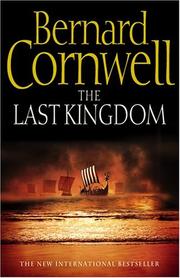
The Last Kingdom
Kidnapped by Danish raiders as a boy and raised in their halls, Uhtred of Bebbanburg must choose what he is when the fight for England begins.
1,997-word summary · 9 min read
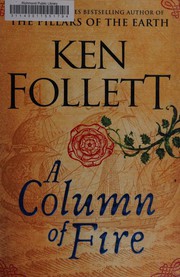
A Column of Fire
Spies and lovers cross Tudor England as Mary and Elizabeth fight for the crown and faith.
2,029-word summary · 9 min read
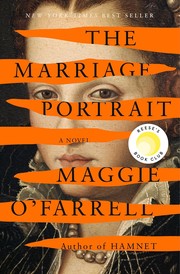
The Marriage Portrait
Fifteen year old Lucrezia Medici marries Ferrara's duke and sits for a portrait shadowed by menace.
2,031-word summary · 9 min read

Year of Wonders
A maid in plague-hit Eyam nurses neighbors, loses her sons, and finds skill and doubt in 1666.
2,563-word summary · 11 min read
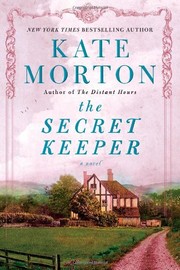
The Secret Keeper
A girl watches her mother kill a stranger in 1961; fifty years later she digs into her mother wartime London past.
2,262-word summary · 10 min read

World Without End
Four children witness a killing, then plague, war, and church shape builder, healer, peasant, lord.
1,999-word summary · 9 min read
The Other Boleyn Girl
Mary Boleyn tells how she and sister Anne loved Henry VIII and paid for ambition at the Tudor court.
2,396-word summary · 11 min read

Violeta
A woman born in 1920 writes her life story to her grandson, from one pandemic to another, through wealth, ruin, passion, and dictatorship in South America.
2,555-word summary · 11 min read
The Stationery Shop
Two teenagers fall in love in a Tehran stationery shop in 1953, are separated by the coup and a family deception, and meet again sixty years later.
2,024-word summary · 9 min read

The Orphan's Tale
A Dutch teenager rescues a Jewish baby from a death train and joins a German circus, where a Jewish aerialist teaches her to fly.
2,943-word summary · 13 min read

The Long Winter
Dakota Territory, 1880: seven months of blizzards cut a town off from the railroad, and a family survives on twisted hay, ground wheat, and a dangerous wheat…
2,210-word summary · 10 min read

The Japanese Lover
A Polish refugee and the son of a Japanese gardener fall in love in San Francisco in 1939, then keep the affair secret for nearly seventy years.
2,286-word summary · 10 min read
The Art Forger
A disgraced Boston painter agrees to copy a Degas stolen from the Gardner Museum, then begins to suspect the original she is copying is itself a forgery.
2,117-word summary · 9 min read

Take My Hand
In 1973 Montgomery, a young nurse discovers that two sisters were sterilized without consent, and spends the rest of her life living with what she could not…
2,126-word summary · 9 min read
Austenland
A New York graphic designer obsessed with Mr. Darcy inherits a trip to a Jane Austen theme park, where the fantasy of Regency romance collides with the men…
2,030-word summary · 9 min read

Anatomy: A Love Story
In 1817 Edinburgh, a noblewoman who wants to be a surgeon disguises herself to study anatomy and falls for the grave robber who supplies her with bodies.
2,031-word summary · 9 min read

Vow of Thieves
Kazi and Jase return to Tor's Watch to find it occupied, and their marriage is tested by captivity, betrayal, and a war for the town of Hell's Mouth.
2,059-word summary · 9 min read
The Power of One
A boy in apartheid South Africa decides to become welterweight champion of the world, and the novel follows every mentor, fight, and loss that gets him there.
2,145-word summary · 10 min read
The Only Woman in the Room
A novel about Hedy Lamarr's escape from an arms-dealer husband, her Hollywood career, and the frequency-hopping patent the Navy ignored.
2,067-word summary · 9 min read

Little Town on the Prairie
In the spring after the Long Winter, fifteen-year-old Laura sews shirts, studies for a teaching certificate, and helps send her blind sister Mary to college.
2,071-word summary · 9 min read
The Once and Future Witches
Three estranged sisters bring witchcraft back to an 1893 city where magic hides in nursery rhymes and the fight for the vote is also a fight for power.
2,132-word summary · 9 min read

Mrs. Everything
Two Jewish sisters in Detroit grow up, apart and together, across seven decades of American life, from the 1950s to the 2016 election.
2,362-word summary · 10 min read