

The Whisper Man
2,492-word summary 11 min read 355 pages in the book
- First published
- 2019
- Publisher
- Celadon Books
- Pages
- 355
- ISBN
- 9781250317995
Reading options
What's inside (8 sections)
I started The Whisper Man on a rainy evening because a friend told me it was sadder than it sounds, and that turned out to be exactly right. This is Alex North's 2019 thriller from Celadon Books, the 355 page edition, and on the surface it is about a child killer and new disappearances in a small English town. Under that, it is really about a father and son trying to live together after loss. Tom Kennedy loses his wife suddenly, and he moves with his six year old son Jake to a town called Featherbank, hoping a new house and a new school will give them room to breathe. Instead they walk straight into an old fear that never left.
The hook is simple and chilling. Years earlier, a man called the Whisper Man took young boys. He would whisper outside their windows at night, coaxing them out. He was caught, but the town remembers. When a boy vanishes after Tom and Jake arrive, and then the pattern starts to repeat, everyone asks the same question. Is someone copying him, or did the fear itself never go away. Jake, lonely and grieving, starts saying he hears whispers too, and Tom has to decide how much is imagination, how much is grief, and how much is danger.
Starting over in Featherbank
Tom Kennedy is not coping well when the book opens, and North does not hide that. His wife died, sudden and unfair, and Tom is left with Jake and a pile of small tasks that feel huge. School lunches. Bedtime. Bills. The house they shared feels full of her absence, so Tom does what many grieving parents dream of doing. He sells up and moves. Featherbank looks quiet and affordable, with a garden and a decent school nearby. It seems like a place where a boy can ride a bike and a father can start again.
The new house is big for the two of them, which turns out to be part of the problem. Empty rooms echo. Jake gets the bedroom at the back, and Tom tries to make it welcoming with books and a night light. Jake is quiet in the way some grieving children get quiet. He does not ask for much. He draws. He listens. He misses his mother without having the words for it. Tom wants to be patient and present, but he is tired and sad himself, and he keeps missing cues. He stays up too late. He drinks a little more than he should. He tells himself they are adjusting.
Featherbank itself feels lived in rather than postcard pretty. Neighbors nod but keep distance at first. The school is friendly enough. There are fields and lanes where kids play after class. There is also a past that hangs over the streets. People mention the Whisper Man in low voices, the way people mention a crash on a familiar road. Most assume that story ended when the killer went to prison. Parents still check windows at night, though. Old habits stick.
What I liked here is how ordinary Tom feels. He is not a detective or a hero. He is a writer who works from home, which means he is around but distracted, present but half lost in his head. He loves Jake fiercely and still gets things wrong. He promises to listen better and then forgets to ask about the school day. That gap between love and attention drives much of what follows, and it makes the scary parts hit harder because the stakes are so plain. A dad and a boy in a strange house, trying to be a family of two.
The Whisper Man story
The town legend gets filled in slowly, which I thought worked well. Years before Tom arrives, boys in Featherbank vanished one by one. The pattern was strange and specific. Someone would whisper outside a boy's window late at night. The rhyme or coaxing varied in the telling, as town stories do, but the shape stayed steady. A low voice. A child lured toward the sound. An empty bed in the morning. The man behind it was eventually caught and locked away, and for a long time people told themselves the whispering stopped with him.
North keeps the old case at the edge of the frame instead of dumping it all at once. You hear it from a neighbor, from a news clip, from a detective who worked it. That restraint helps. The Whisper Man becomes less a monster in a mask and more a memory the town cannot scrub out. Parents who were children then still flinch at certain sounds. Houses near the old scenes sell slower. Kids dare each other to say his name, then regret it at night.
Then a boy disappears in the present, and the past rushes back. The details look familiar enough to scare everyone. A window. A whisper reported by someone nearby. A family shattered. The police say little in public, which only feeds talk. Is this a copycat who studied the old crimes. Is it someone connected to the jailed man. Could the wrong person have been blamed all along. Tom follows the news with that sick pull grieving people know, half wanting facts and half wanting to look away.
The whisper idea is simple and nasty. It preys on how children listen at night, how a small voice can sound kind when the house feels lonely. North uses it sparingly at first, which makes each mention colder.
Tom and Jake
The heart of the book is not procedure. It is Tom trying to raise Jake while both of them miss the same woman in different ways. Jake is six, bright, sensitive, the kind of kid who notices when his dad is faking a smile. He talks about hearing someone whispering outside his window. He talks about a new friend no one else sees. Tom tells himself this is grief and a new school and an overactive imagination. He is probably right, and also possibly wrong, and that uncertainty gnaws at him.
Their days have a tender rhythm. Breakfast together. The walk to school. Tom writing while Jake draws. Dinner that Tom tries to make normal. Bedtime stories that trail off because Tom is tired. North writes these small scenes with care. Jake asks questions Tom cannot answer. Where is Mum now. Why did they move. Why does the house creak. Tom answers as honestly as he can, then lies a little to protect them both, then feels guilty about the lie. If you have ever parented through grief or watched someone do it, these pages will ring true.
Jake's behavior shifts by inches. He grows clingy, then distant. He leaves his door open, then wants it closed. He hums to himself. He says the whispers come when Tom is not listening, which is the worst thing a worried father can hear. Tom checks the garden, the fence, the lane behind the house. He finds nothing, which should comfort him and does not. He starts sleeping lightly, waking at small sounds, standing in Jake's doorway at 2 a.m. just to watch him breathe.
I found Tom frustrating in the way real grieving people can frustrate you. He keeps things from the police because he does not want to sound foolish. He keeps things from Jake because he does not want to scare him. He means well and makes small mistakes that add up. North does not excuse him, but he does explain him. Tom is scared that if he admits something strange is happening, he will lose control of the one thing he has left to protect.
New disappearances
While Tom and Jake settle, the police case widens. Detectives who remember the old Whisper Man crimes are pulled back in, joined by younger officers who only know the files. A missing boy means searches, appeals, door knocks. Featherbank turns anxious and watchful. Parents walk children to school again. Curtains stay closed. The local paper runs old photos. Everyone has a theory, and most theories are wrong in the way fear makes people wrong, loud and certain and unhelpful.
North follows the investigation from a slight distance, mostly through Tom's eyes and short shifts to the police view. The detectives recheck the jailed killer, interview people connected to him, look for links between the old victims and the new ones. They ask who knew the whisper method well enough to copy it. They ask who has access to boys without raising alarms. They build timelines and maps and lists, and the lists keep pointing back to ordinary streets like Tom's.
There are searches that go nowhere and interviews that sting. A father who wants to help but sounds evasive. A neighbor who saw a car and cannot recall the color. A teacher who noticed a boy withdrawing before he vanished. These procedural chapters move steadily rather than flashily. No genius leaps, no lab magic saving the day. Just tired people knocking on doors and hoping someone remembers one true thing.
Tom gets drawn closer when Jake says more about the whispers. He reports it, then wishes he had said it better. The police take him seriously but cannot watch every house. Tom starts his own quiet watch, noting cars, noting footsteps, noting which lights stay on late. He meets other parents and hears how thin everyone is stretched. One disappearance is a tragedy. Two starts to feel like a pattern no one can stop. The town holds its breath, and Tom holds Jake a little tighter at night.
Whispers at home
This is where the book leans into dread, and also where it flirts with the ghostly without ever fully crossing over. Jake insists someone whispers to him. He describes it in a child's plain words, which makes it worse. Tom hears nothing at first, then thinks he hears something, then tells himself it is wind or pipes or lack of sleep. The house settles and ticks. A branch taps glass. A boy who lost his mother hears comfort where there is only air. That is the sane reading, and North lets you hold it for a long while.
But there are moments that resist easy sense. Jake knows things he should not know. He hums a tune Tom does not recall teaching him. He talks about floors in the house that feel cold, about a man who sounds sad. Tom finds small signs disturbed, a gate unlatched, footprints that might be nothing. He asks Jake to show him where the voice comes from, and Jake points to the window with total calm. That calm scares Tom more than tears would. Fear you can soothe. Certainty you cannot.
North balances this well for most of the run. Every strange beat has two doors. One door says grief plus suggestion plus a killer using old tricks. The other door says something lingers, some echo of past harm that sensitive children pick up. The book never becomes a ghost story outright. It stays a crime story with cold spots. Tom, who wants facts he can act on, hates that in between state. He wants to either call the police or call a counselor, and instead he does both badly while watching his son drift.
The tension peaks in a run of night scenes that I read with the lamp on. Tom waiting up. Jake sleepwalking or lured, depending on how you read it. A whisper that might be real this time. A scramble into the garden with bare feet and a phone light. Neighbors waking. Police arriving too slow and too fast at once. I will not spoil who does what in the final confrontation, but the shape follows the old pattern on purpose. Windows. Voices. A boy asked to trust. A father learning, almost too late, how to listen for real.
What landed and what did not
The father and son story landed hardest for me, and I suspect that is true for most readers. Tom and Jake feel like people, not pieces moved to set up scares. Their grief is specific. Tom keeps his wife's old mug and cannot throw away her notes. Jake draws his family as three figures long after there are two. When Jake says he is scared, you feel Tom's whole chest tighten. When Tom finally sits down and truly listens instead of managing, it means more than any chase. North, writing as Alex North in this 2019 Celadon edition, keeps returning to that bond, and it holds the book together when the plot wobbles.
The scares work best when they stay small. A whisper at glass. A child humming in another room. A father checking a lock twice. North has a good ear for night sounds and for how fear narrows thought. The town remembers enough to be afraid but not enough to be wise, and that feels honest. The detectives are decent and tired rather than brilliant, which I liked. They miss things, double back, argue, and keep going. The final reveal about who is behind the new crimes makes sense in hindsight, even if parts of it lean on coincidence and on characters not sharing facts sooner.
That is also where my complaints sit. The middle sags. There is a stretch where Tom worries, Jake whispers, police knock, repeat, and the story circles without deepening. A few scenes feel engineered to keep Tom from asking the obvious question or calling the right person, and I grew restless. The use of child peril is strong stuff, and North mostly handles it with care, but there are pages where dread tips into strain, where you want to shake Tom and tell him to keep Jake in his room and keep the lamp on and stop wandering the garden alone.
The twist will split readers. If you read a lot of thrillers, you will see parts of it coming. The book plants its clues fairly, and the shape of the answer follows a path the genre has walked before. I guessed one piece early and another piece late, and the last reveal still moved me because of what it meant for Tom and Jake, not because it shocked me. Readers who want a wholly fresh puzzle may feel let down. Readers who want a sad, scary story about a dad learning to show up should be satisfied.
I finished it late and sat quiet for a while, thinking less about the killer and more about listening. The best thrillers are about attention, and this one asks a plain question. When a child says he hears something, do you dismiss it or kneel down to his height and hear him out. Tom learns to do the second, slowly and imperfectly. That lesson, more than the whispers, is what stayed with me after I closed the 355 pages and turned the light off.
FAQ
Who are Tom and Jake Kennedy?
A widowed father and his young son who move to Featherbank after the death of Tom's wife, hoping for a calm restart.
Who is the Whisper Man?
A kidnapper from Featherbank's past who whispered outside boys' windows to draw them out, now linked to new disappearances.
Is The Whisper Man supernatural?
The book keeps it unclear whether Jake senses something strange or is reacting to fear and grief, and the focus stays on Tom and the detectives.
Similar books

Rules of Prey
Minneapolis detective Lucas Davenport hunts a killer who leaves a new rule at every scene and treats murder as a game of wits.
1,914-word summary · 9 min read

3rd Degree
The third Women's Murder Club novel follows a San Francisco terror cell and a three-day killing schedule, and it costs the club a member.
2,685-word summary · 12 min read

The Poet
A crime reporter investigates his twin brother's apparent suicide and uncovers a killer who leaves Edgar Allan Poe quotes behind, in the novel that took…
2,020-word summary · 9 min read
Triptych
A GBI agent with dyslexia hunts a rapist while two Atlanta cops hide pasts.
2,576-word summary · 11 min read

If It Bleeds
Holly Gibney faces an outsider plus three more tales of dread.
2,219-word summary · 10 min read

Blindsighted
Sara and Jeffrey hunt a killer staging women in small-town Georgia.
2,400-word summary · 11 min read
Later
Boy Jamie Conklin sees dead people who must answer truthfully, pulling him into NYPD cases and a drug crew's greed.
2,009-word summary · 9 min read

The Snowman
After the first snow, a mother vanishes and Harry Hole links her pink scarf to eleven missing women.
2,750-word summary · 12 min read

The Bone Collector
A quadriplegic forensics expert and a rookie patrol officer hunt a taxi-driving kidnapper who leaves bone and paper clues across 1990s New York. The rescue…
2,960-word summary · 13 min read

Death Note, Vol. 1: Boredom
Light Yagami finds a notebook that kills with a written name, and the hidden detective L sets a trap to expose him.
2,989-word summary · 13 min read
The Outsider
Coach Terry Maitland's DNA and witnesses point to an impossible murder, until Ralph Anderson and Holly Gibney trace it to El Cuco.
2,586-word summary · 11 min read

What She Knew
Rachel lets her eight-year-old son run ahead in a Bristol park, and the nine-day search turns her into a suspect in the public eye.
2,952-word summary · 13 min read

The Beach House
A young valet is beaten to death at a Hamptons party, and his law-student brother spends a year building a case against the family that covered it up.
2,049-word summary · 9 min read

Six Years
A professor who promised to forget the woman he loved sees her husband's obituary and discovers that the wedding, the marriage, and the woman herself may never…
2,076-word summary · 9 min read

The Trespasser
A Dublin Murder Squad detective investigates a staged dinner-party killing and finds a cover-up that reaches into her own department.
2,051-word summary · 9 min read

The Late Show
Exiled to the LAPD night shift after accusing her supervisor, Renée Ballard keeps two cases that were meant to be handed off at dawn: a brutal assault and a…
2,563-word summary · 11 min read

4th of July
Lindsay Boxer shoots two armed teenagers in self-defense, faces a wrongful-death trial, and spends her leave chasing a string of throat-slashing murders in…
2,192-word summary · 10 min read

The Camel Club
Four Washington misfits witness a murder on Roosevelt Island and stumble into a conspiracy that reaches the Oval Office, with a hostage president and a nuclear…
2,354-word summary · 10 min read
Persuader
Reacher goes undercover in a Maine crime family to find a missing DEA agent and the man he once failed to kill, and Lee Child keeps the whole thing tight,…
2,278-word summary · 10 min read

61 Hours
A bus crash strands Jack Reacher in a snowbound South Dakota town where a drug gang, a corrupt police force, and a single witness are on a collision course.
2,227-word summary · 10 min read

The Last Mile
Melvin Mars is hours from execution for his parents' murder when another man confesses, and FBI cold case detective Amos Decker goes looking for the trap.
2,746-word summary · 12 min read

Still Missing
A realtor is abducted at a Vancouver Island open house and held for more than a year. Told through therapy sessions, the novel follows her escape and the hunt…
2,466-word summary · 11 min read

Bad Luck and Trouble
A deposit of $1,030 summons Jack Reacher back to his old army unit, which is being picked off one name at a time.
2,366-word summary · 11 min read

Worth Dying For
Reacher stops for one night in rural Nebraska and finds a family that runs the county, a missing girl and a shipment worth killing for.
2,021-word summary · 9 min read

The Ex
Cassie thinks her new boyfriend's ex is the woman harassing her, but Freida McFadden's thriller keeps rearranging who the ex actually is.
2,103-word summary · 9 min read
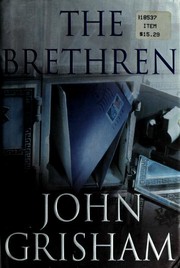
The Brethren
Three disgraced judges run a blackmail scam from a federal prison and accidentally trap a presidential candidate, pulling the CIA into their scheme.
1,967-word summary · 9 min read

Say You're Sorry
A widowed prosecutor defends the teenager accused of killing her babysitter, uncovering a small town's secrets and a killer hiding in plain sight.
2,116-word summary · 9 min read

Finlay Donovan Knocks 'Em Dead
Someone has put a contract on Finlay Donovan's ex-husband, and the novelist and her nanny have to find the hitman before the school pickup.
1,990-word summary · 9 min read

Echo Burning
Reacher hitches a ride with a Texas woman who wants her abusive husband killed, then has to prove she did not murder him when he comes home.
2,209-word summary · 10 min read

The Survivors
Kieran Elliott returns to Evelyn Bay twelve years after a storm killed his brother, and a young woman's murder forces the town to face what it has concealed.
2,571-word summary · 11 min read